Showgunners
As a contestant on a high stakes reality game show of the future, you must survive a dangerous urban environment packed with traps, confounding puzzles, and heavily armed psychopaths. Turn-based combat in hand crafted levels, built for entertainment.
Sync your Steam wishlist to find the lowest game prices instantly. No login required, just paste your Steam profile URL!
⚡ Try Wishlist Radar!
Sync your Steam wishlist to find the lowest game prices instantly. No login required!
⚡ Try Wishlist Radar!
Close

Xenonauts on Steam
Quick menu
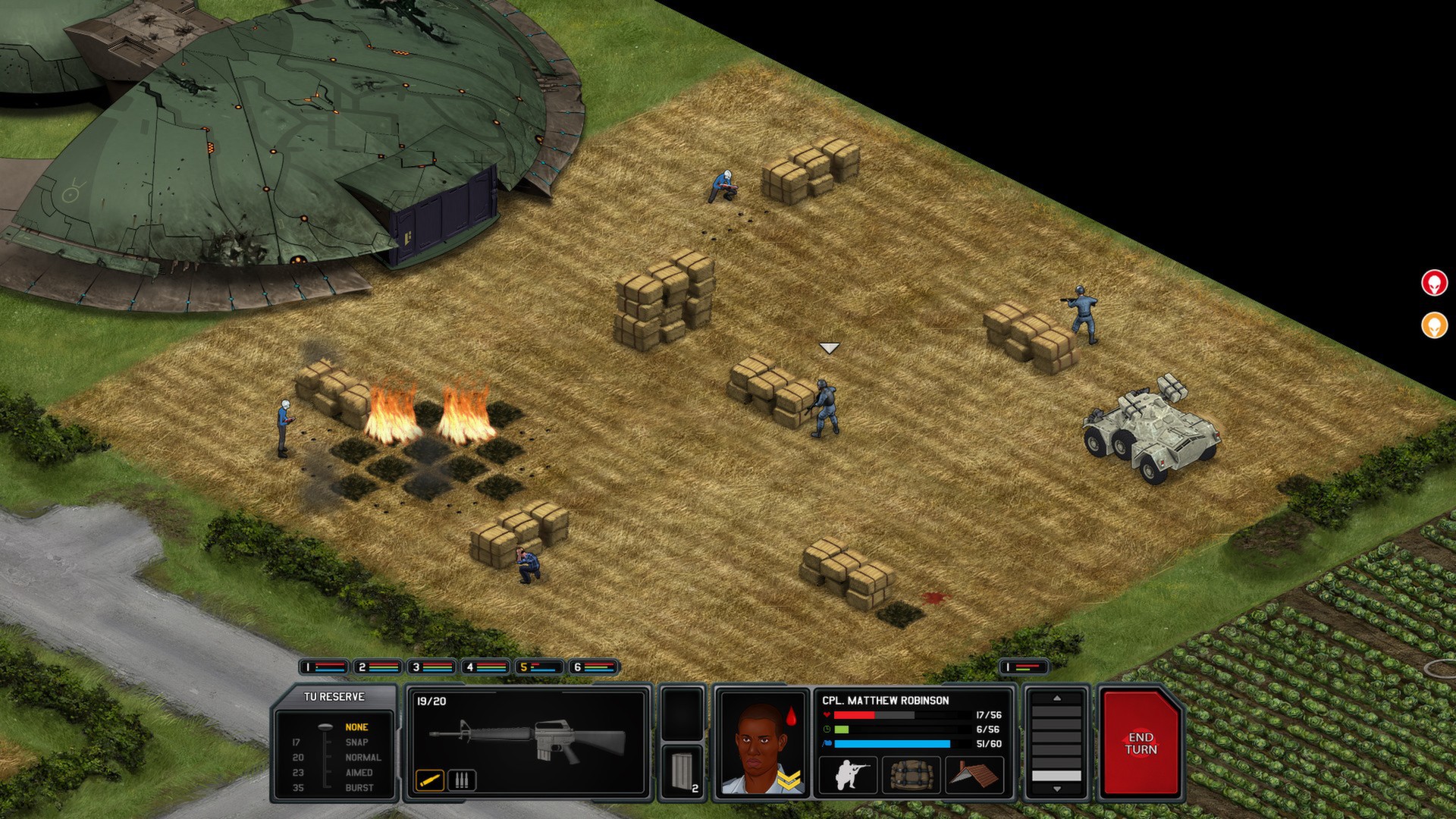
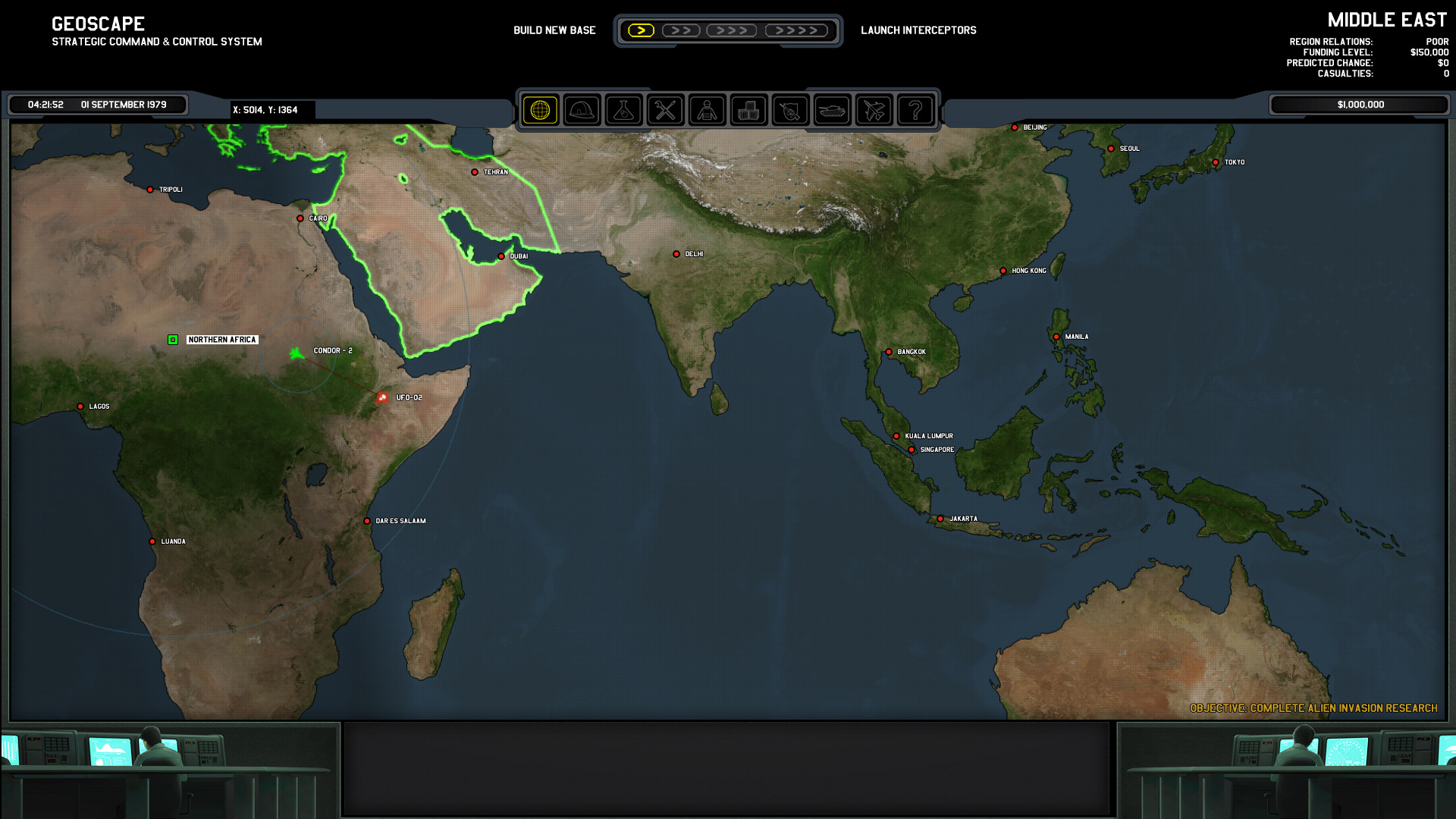
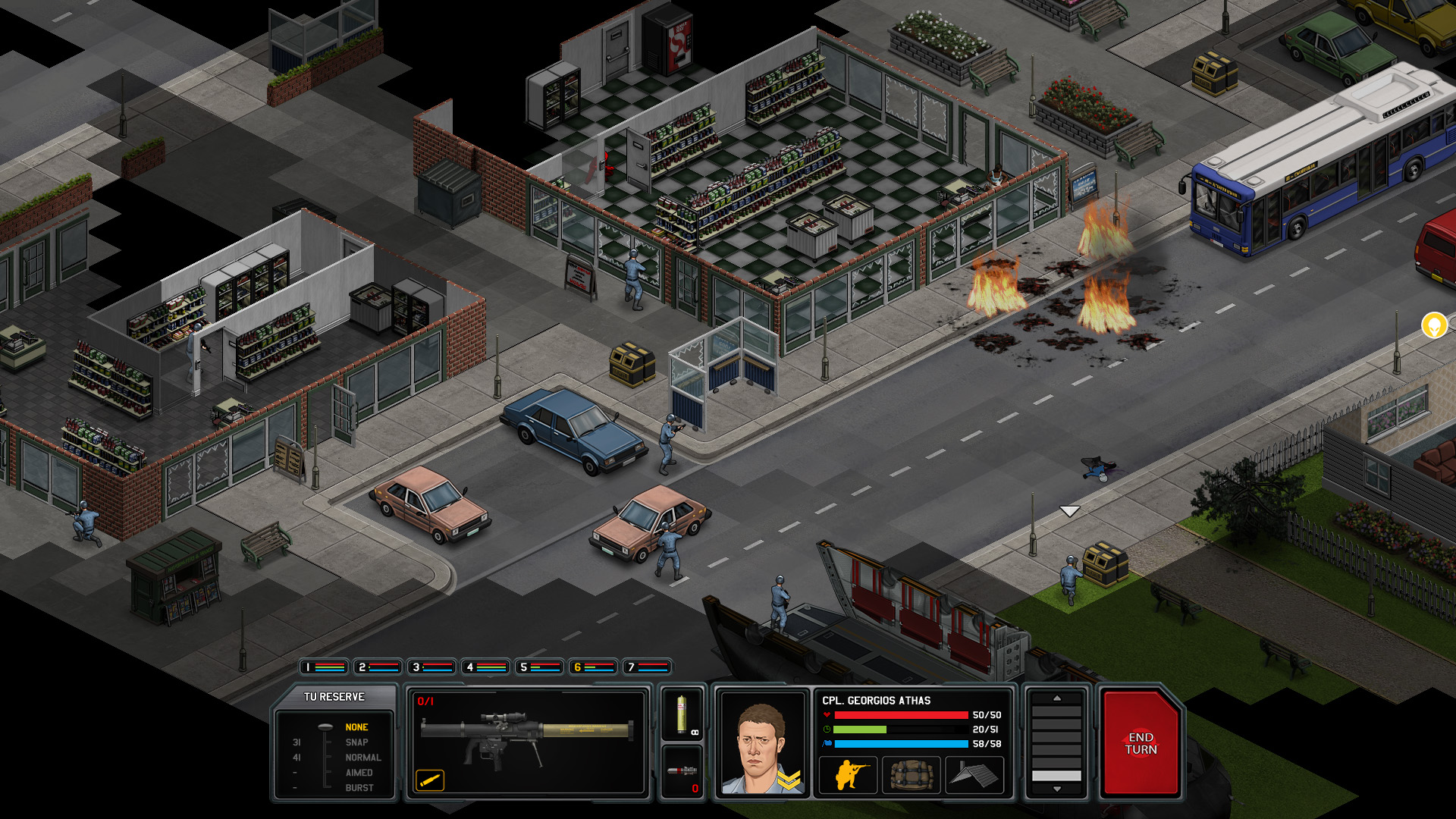
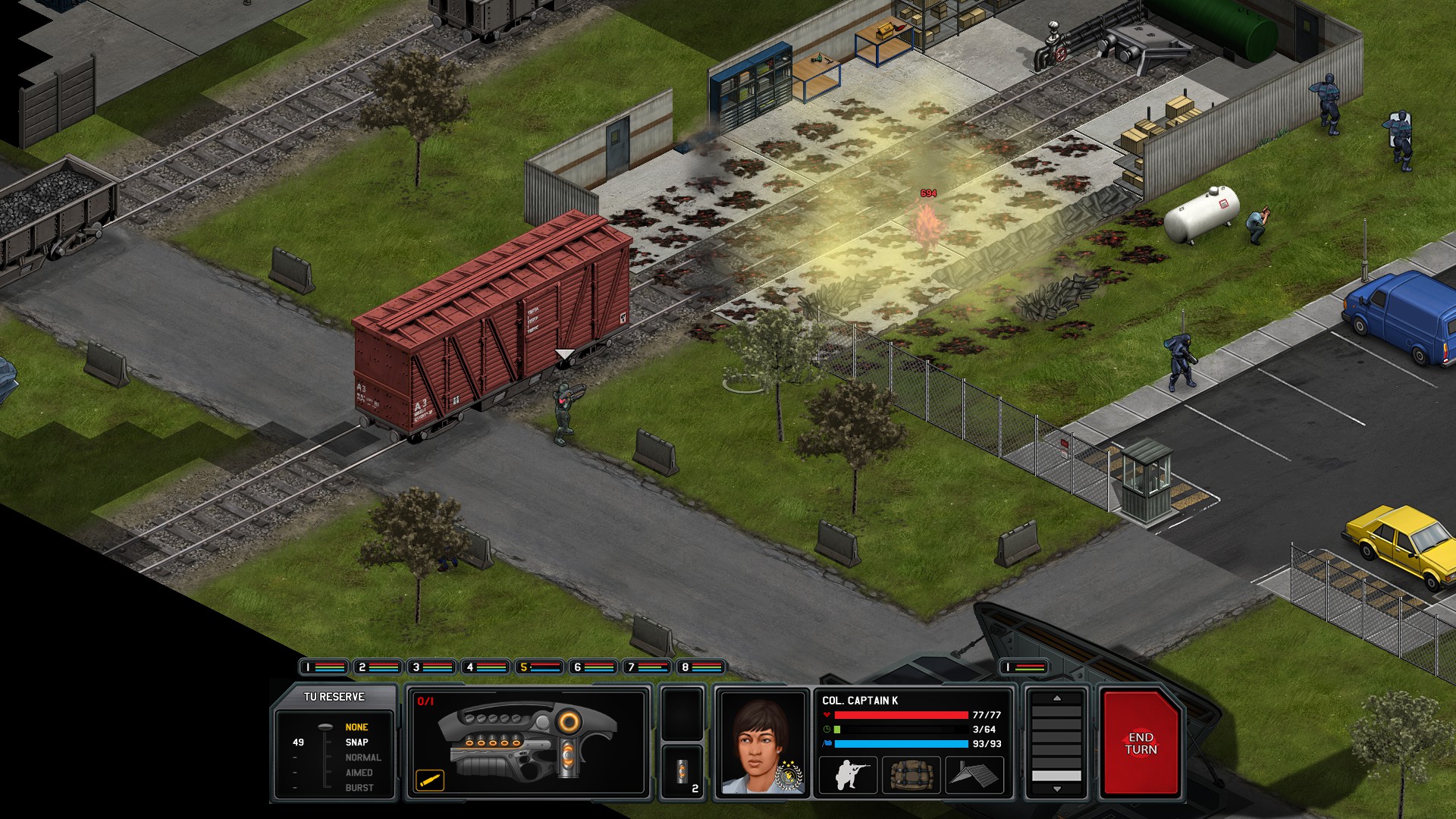
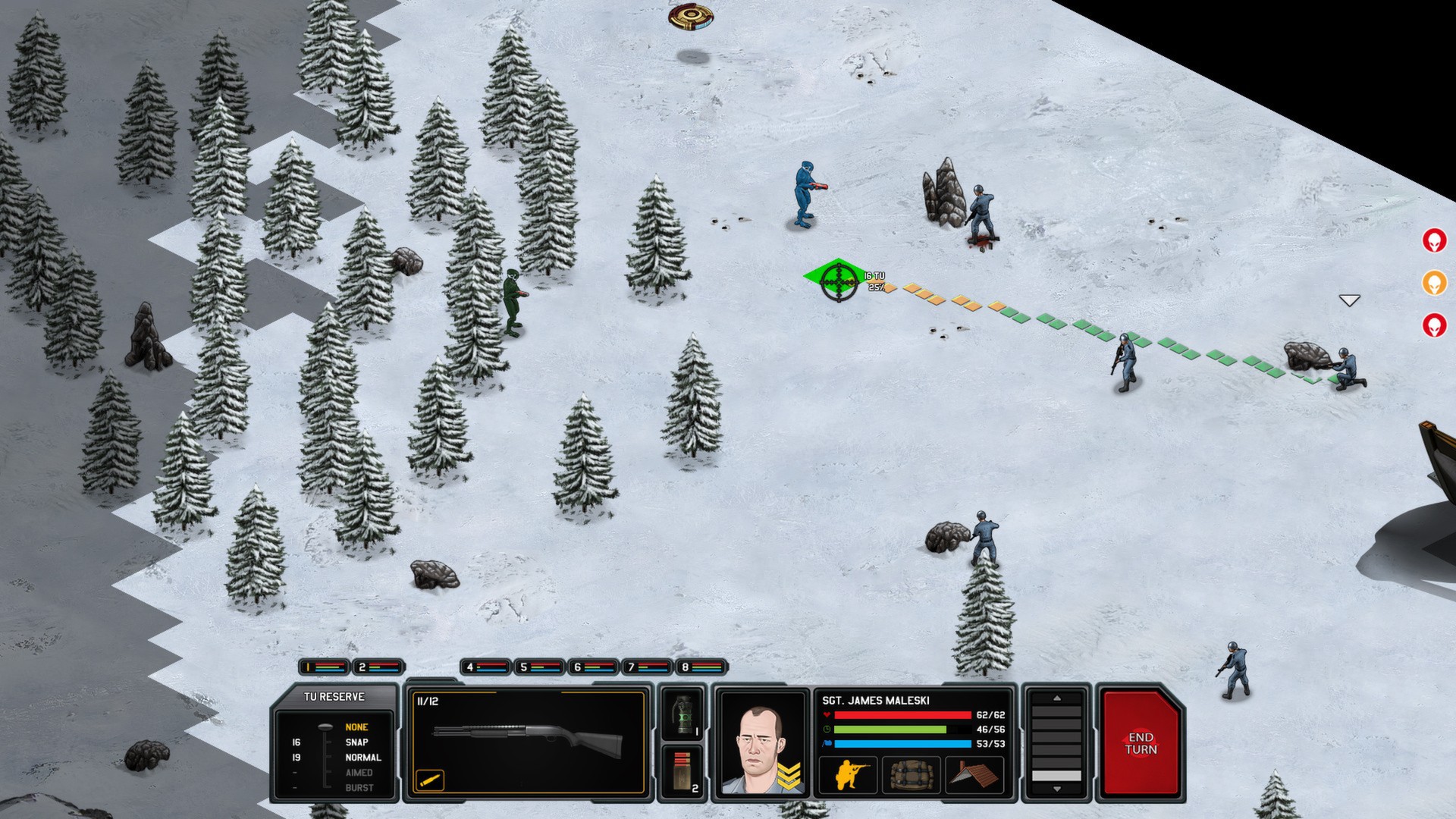
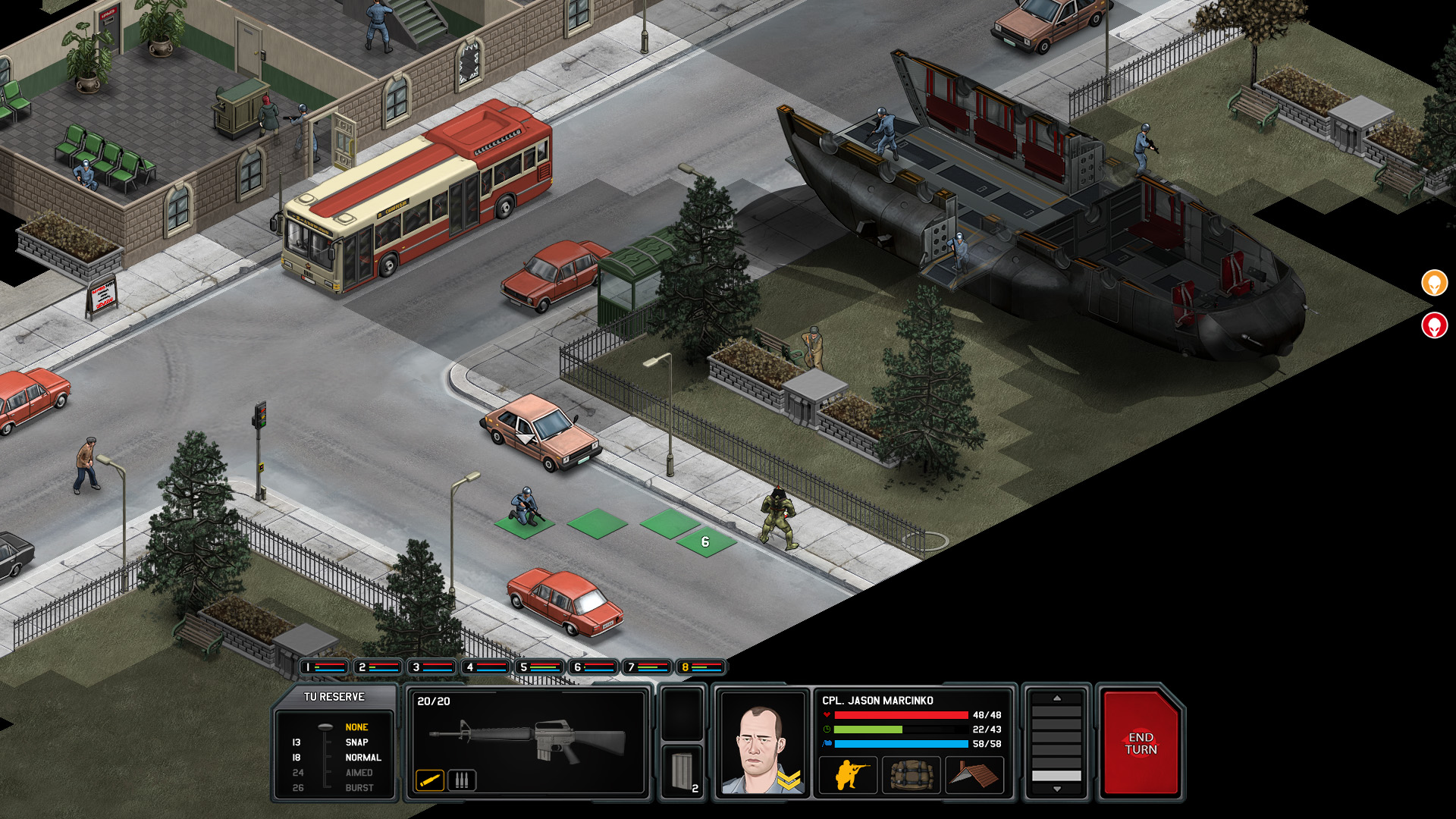
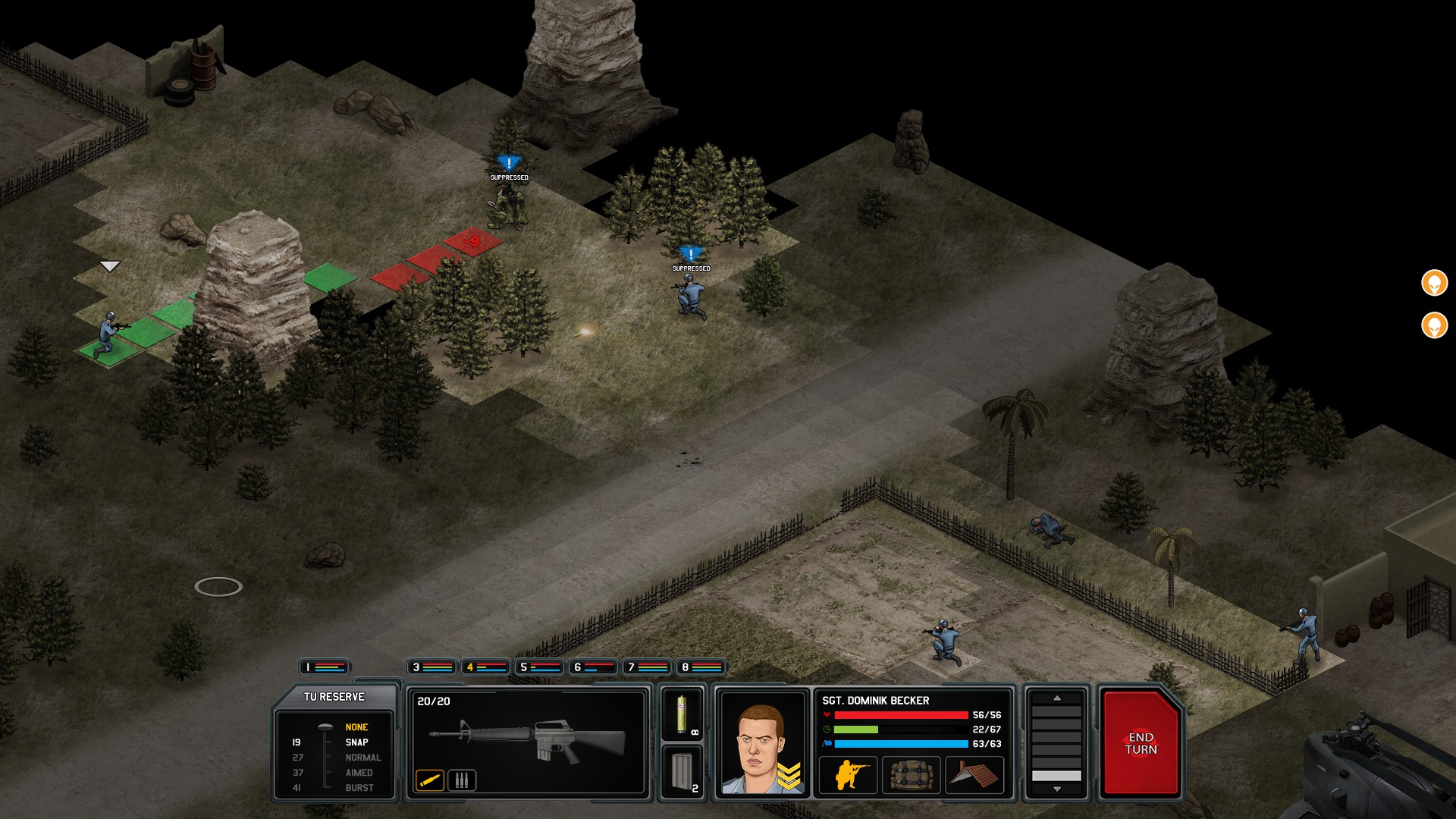
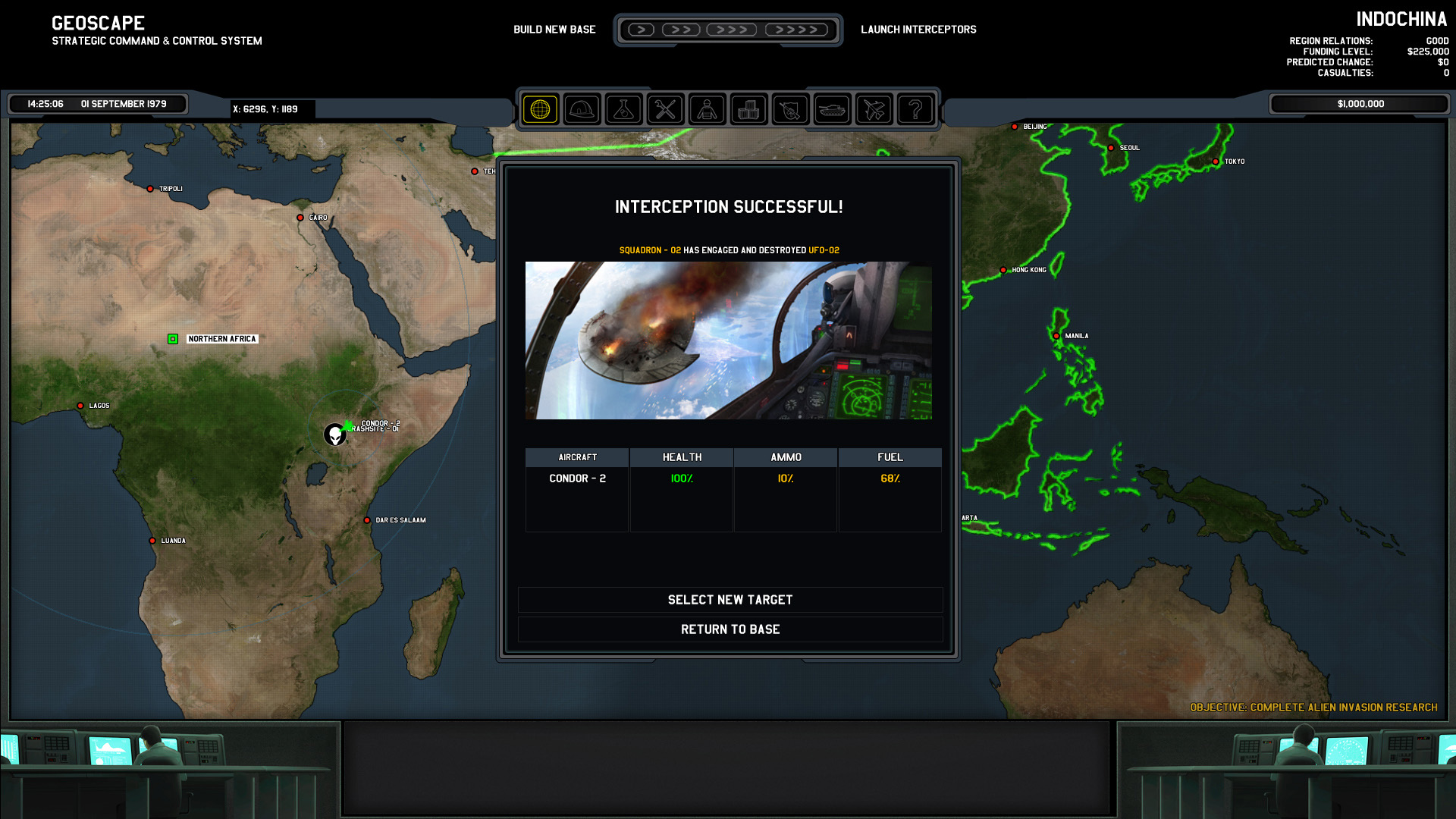
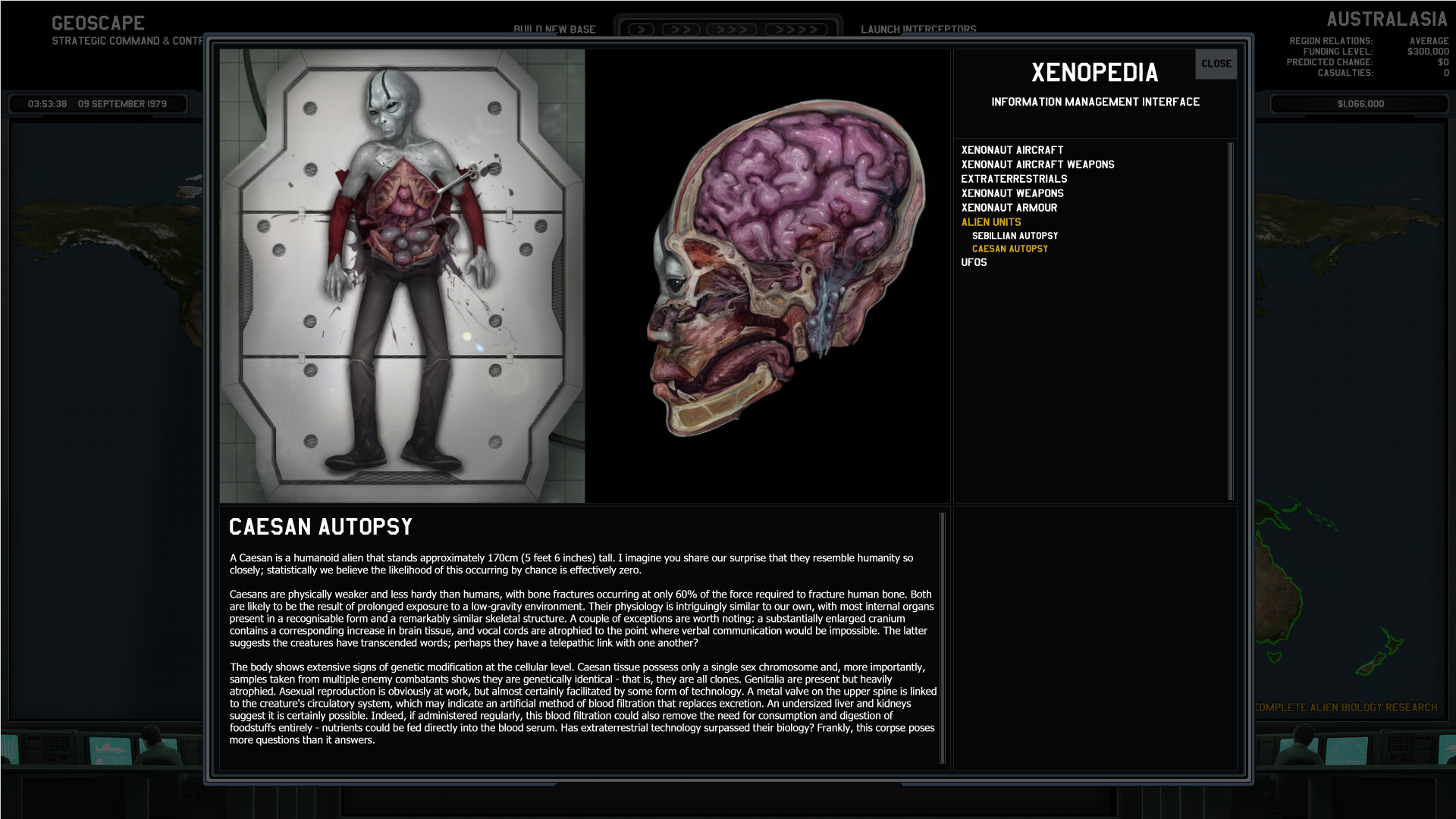
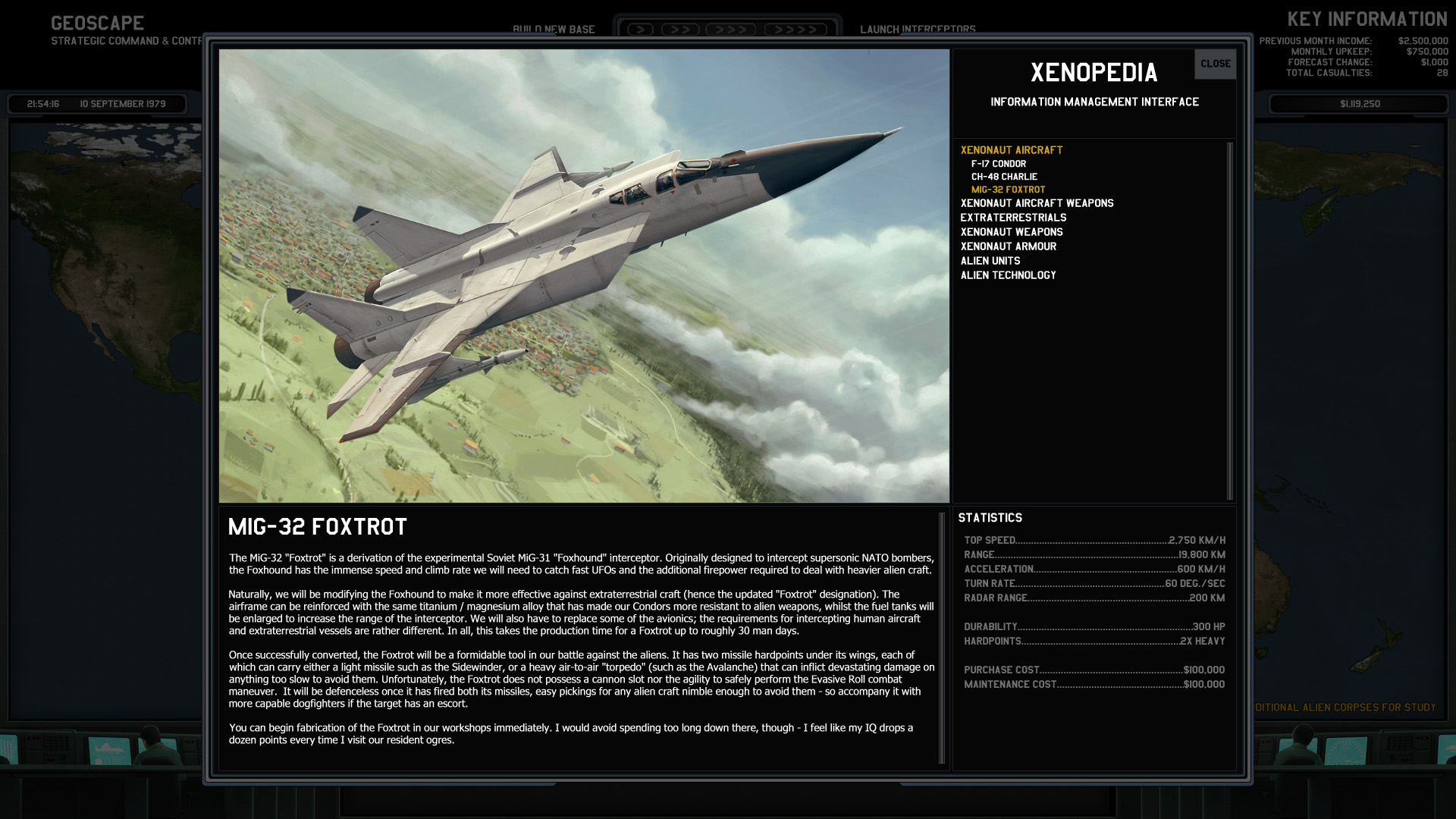
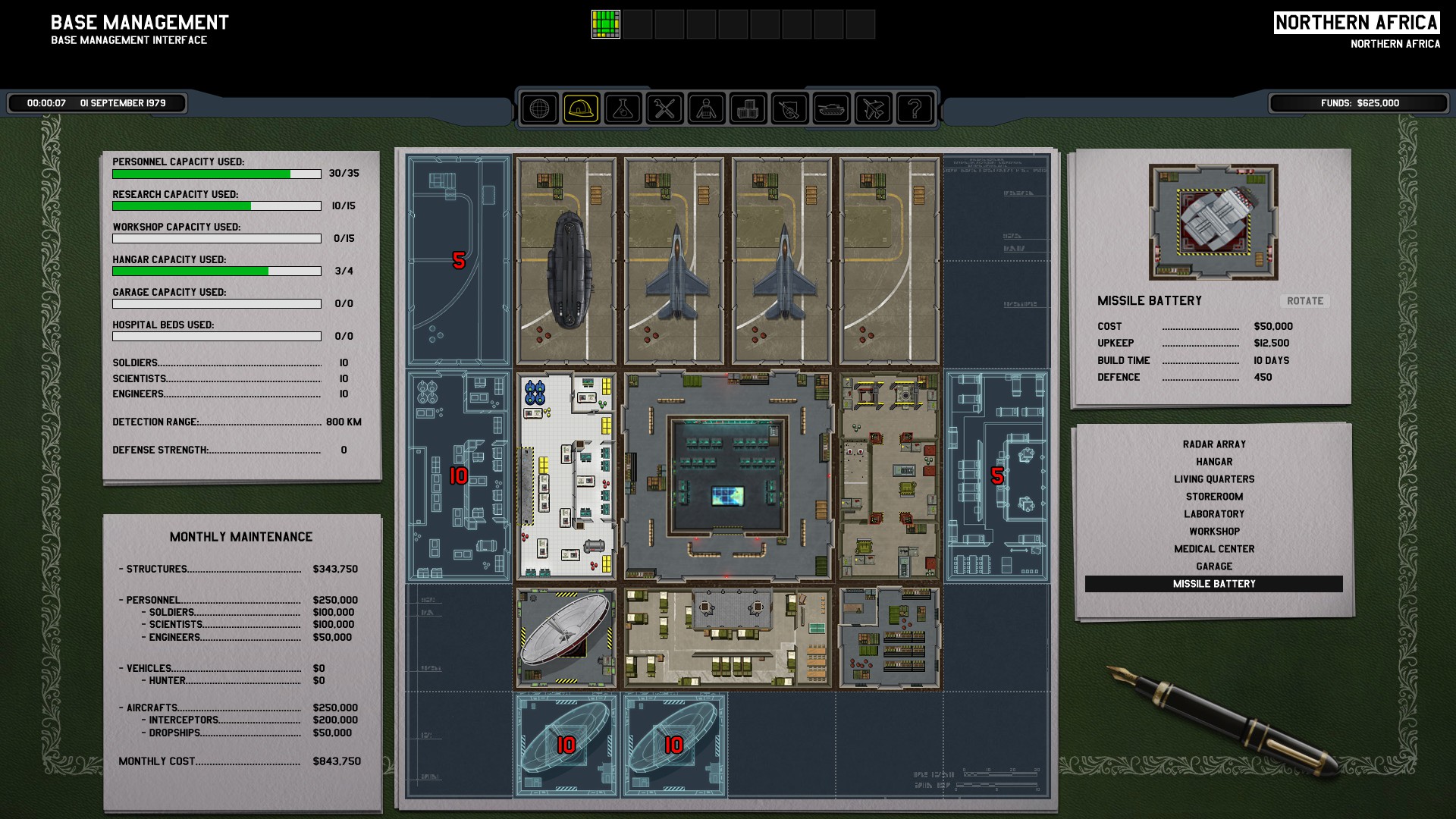
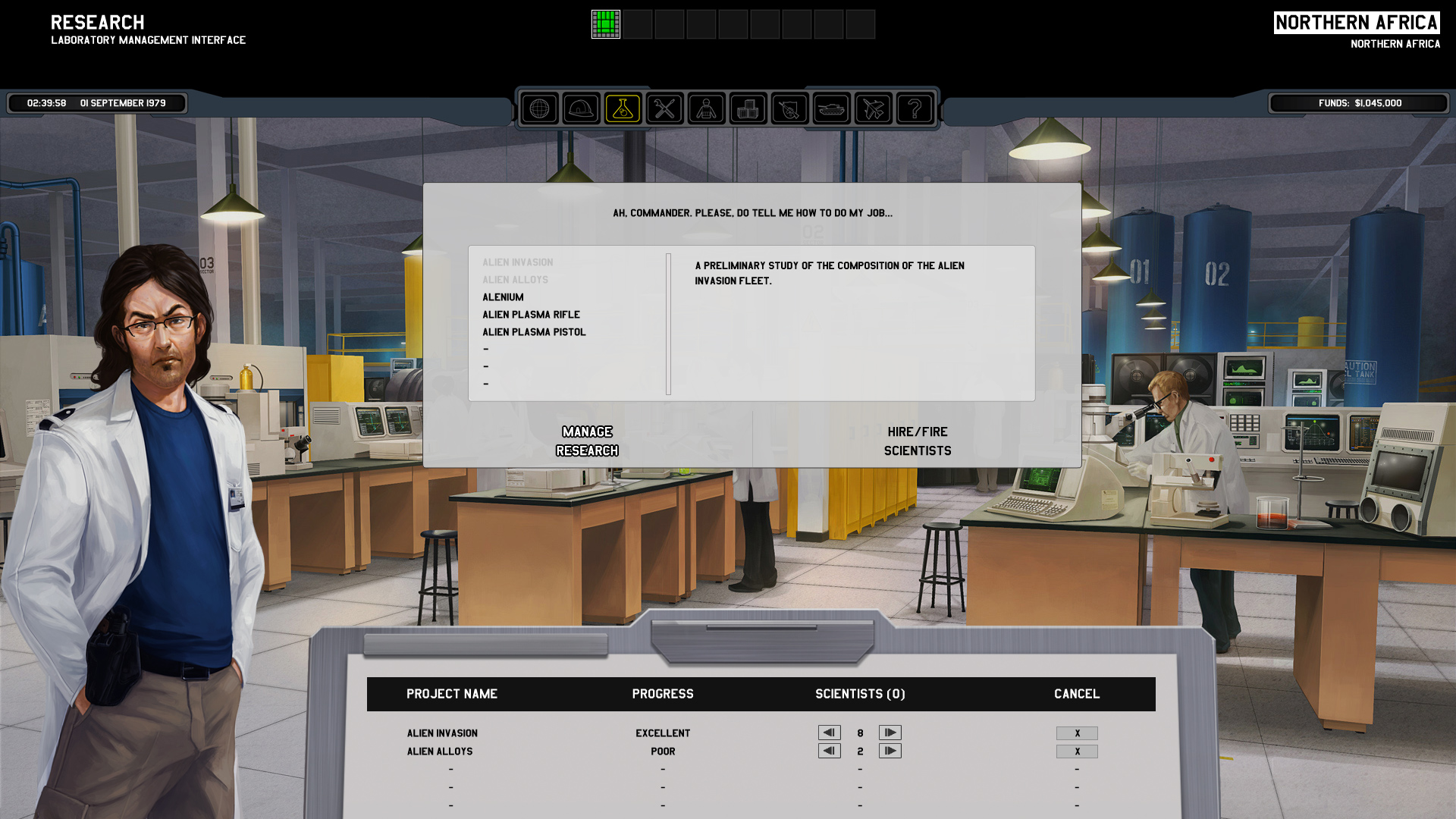
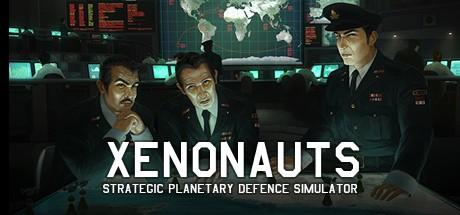
Xenonauts is a strategy game in which you control a multi-national military organisation defending a Cold War-era Earth from alien invasion, using small squads of persistent soldiers to eliminate the extraterrestrials and recover their technology in turn-based ground combat.
Xenonauts is a turn-based strategy, turn-based tactics and turn-based combat game
developed and published by Goldhawk Interactive.
Released on June 16th 2014 is available on Windows, MacOS and Linux.
It has received 4,889 reviews of which 4,265 were positive and 624 were negative resulting in a rating of 8.4 out of 10. 😎
The game is currently priced at 22.99€ on Steam, but you can find it for 12.61€ on Eneba.
The Steam community has classified Xenonauts into these genres:
Media & Screenshots
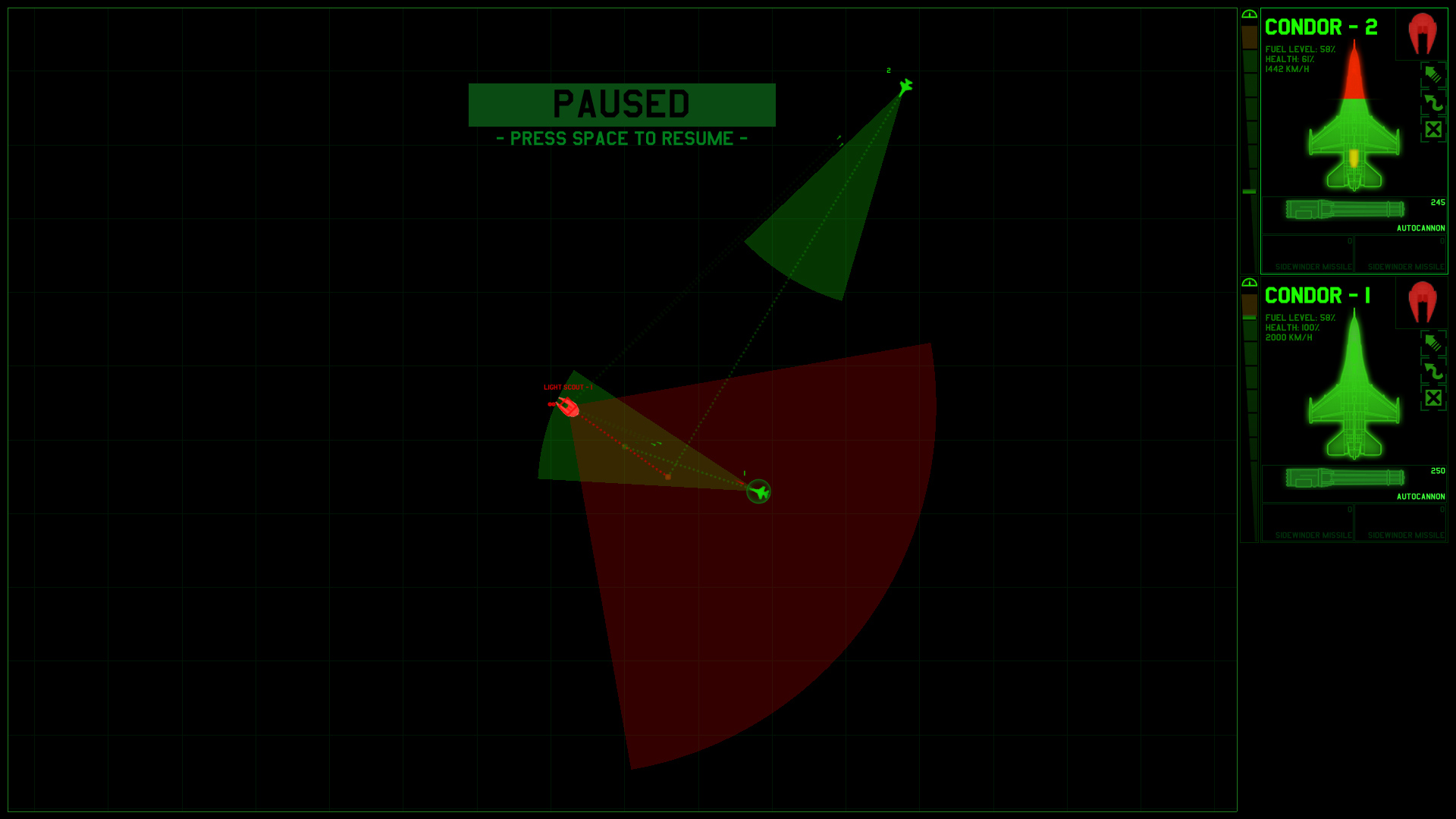
Get an in-depth look at Xenonauts through various videos and screenshots.
Load More


System requirements
These are the minimum specifications needed to play the game. For the best experience, we recommend that you verify them.
Windows
- OS *:Windows 8 / 7 SP1 / Vista SP2
- Processor:Intel 2 GHz
- Memory:1 GB RAM
- Graphics:Integrated Graphics
- Hard Drive:3 GB HD space
- Sound:Integrated
- Monitor:1280x720 pixels minimum
MacOS
- OS:OSX 10.6 or better
- Processor:Intel 2 GHz
- Memory:1 GB RAM
- Graphics:Integrated Graphics
- Hard Drive:3 GB HD space
- Sound:Integrated
- Monitor:1280x720 pixels minimum
Linux
- OS:Any Linux distribution since 2010
- Processor:Intel 2 GHz
- Memory:1 GB RAM
- Graphics:Integrated Graphics
- Hard Drive:3 GB HD space
- Sound:Integrated
- Monitor:1280x720 pixels minimum
Steam Price & Best Deals
User reviews & Ratings
Explore reviews from Steam users sharing their experiences and what they love about the game.
Absolutely fantastic. This is my favourite game of all time and I can't wait to start playing Xenonauts 2. A word of advice - play the Vanilla version of the game and avoid at all cost the Community Edition branch. A bug infested mess with some very arbitrary hardcore changes which make the game an absolute slog and has some serious issues (like UFOs blacked out tiles when assaulting UFOs in mid to late game missions). Avoid Community Edition at all cost, stick to Vanilla, and you will be playing what in my opinion is one of the best games of all time
Its a bit like the original XCOM except you have the investors shouting at you demanding better results, and you have NATO shouting at you demanding better results, and you have the Warsaw pact shouting at you demanding better results, and you have your mum shouting at you demanding better results..... Honestly its a peak game. They somehow took X-COM ufo defence and made it better. And i don't say that lightly.
Xenonauts is a respectable update to the original X-Com UFO game released by Microprose in 1994. If you’re a fan of the X-Com series, or the original in particular, I’d recommend this game. However, you should probably read below before purchasing. The most noticeable changes, outside of the game’s newer graphics, are an improved user interface that allows for better control over aircraft launches against UFOs, streamlined base building, a panel layout that makes equipping soldiers for battle easier and unlimited ammo supply for all weapons. Outside of these alterations, the structure, game-play, weapons and units (human and alien) are functionally nearly one for one copies of the original game. However, are a few problems with the Xenonauts, first is that your soldiers will have the marksmanship accuracy of a near-sighted, drunken storm-trooper. It’s not uncommon for very experienced soldiers to completely miss enemy targets as close as two squares away (about 10 feet in real world terms) even when equipped with a machine-gun type weapon firing on fully automatic. Worse, their aim is so bad that it’s quite common for them to shoot (and sometimes kill) friendly units, regardless of their experience level. That said, it’s not that much of a problem for overall game-play since the aliens probably have worse aim than your troops. So, it balances out. Another annoying aspect of the Xenonauts is that, as the game progresses, your troops will encounter more and more aliens which have Psi-ability (mind-control) that can either cause your individual soldiers to go berserk, killing their nearest comrade, or be taken over entirely to be used as a weapon against you. This was a feature of the original game, but going from my memory, their use wasn’t as frequent or severe in the 1994 game as in this version. There are a few other features that I don’t like – the original anime art style has been replaced with rather bland generic graphics, the music is uninspired, and some critical objectives are muddled, but none of these defects break the game. So, if you can put up with these annoyances, you’ll likely enjoy this game quite a lot.
I like it, but the game has some shortcomings. The aliens seem to lack a little bit of character. Even today i can recollect the sound of a gillman or and aquatoid's death scream. A tentaculat plopping in wet destruction. This game lacks that character. Weapons are very real-world equivalent, which might be good for some people, but i don't quite get the satisfaction. Gas cannons were meaty and powerful, jet-harpoons were weak but forgiving to miss with, I don't quite get any of that game balance here. Rifles were about just as powerful as a pellet or two of the shotgun and the accuracy of your troops are so low you might as well use everyone like a shotgunner. Early game weapons are not great. Grenades are not great. For whatever reason Mr Gollop must have thought big blasts made the game too easy, so you didn't get any of the 4-5 square explosions from a default grenade. Even the big boy grenade has a 3x3 blast radius, exactly the same as the default nade. Explosions are not fun unless they were delivered from a bazooka, but the zooks were heavy, so even that was a big tradeoff in the fun factor. I'm very near the end, no disrupter pulse equivalent weapons, so I suppose this game doesn't do big explosions at all. Stun weapons aren't great too (xcom had immediate effect knockout blasts, this sets a gas that you had to gamble a turn end on). Overall gunplay gets a 5/10 out of me. Sound design a 6/10. Game's an 7.5/10, because you really end up repeating the same mission over and over again. Like at some point in the old games you start hating terror missions for it's length and complexity and the chore of hunting aliens, in this one, even with downed UFOs, you have to hunt them in the middle of a suburb or a factory, it's just that.. grating. Also, not sure why, but the game seems to drop less civilians in this game, I was a fan of non-stop hearing aliens blast civs (Hidden action screams are lol) turn after turn, until it gets quieter and you know they're going to start hunting you now.. not a perfect recreation, hopefully it gets better.
In very simple terms, Xenonauts is X-com UFO 1994 from Temu, but X-com's formula is so good that, even though this is the budget rip-off version, there's still a fair amount to enjoy there for fans of that style of game. You can definitely tell it lacks the nuances, atmosphere, balancing, and brilliance of the original UFO 1994, but just having discovery-driven, turn-based, alien annihilating fun still works. And there are actually a few refinements and quality of life additions here that are very welcome too. I'd say if you're the kind of person who would happily watch Red Sonja after indulging in Conan the Barbarian, then fill your boots with this.
Similar games
View all

Warhounds
Warhounds is a turn-based tactical game about an elite mercenary squad with an old-school action movie vibe, inspired by XCOM and Jagged Alliance. Recruit unique fighters, upgrade your base, and fight for Africa’s future. Less fake RNG, more true ballistics and lethal tactics.

STAR WARS Zero Company
Command an elite squad through a gritty and authentic story in STAR WARS Zero Company™, a single-player turn-based tactics game set in the twilight of the Clone Wars™.


Jagged Alliance 3
The country of Grand Chien is thrown into chaos when the elected president goes missing and the paramilitary force known as “the Legion” seizes control. Hire mercs, meet interesting characters, and fight in tactically deep turn-based combat in this true successor to a beloved franchise.
Warhammer 40,000: Mechanicus
MECHANICUS II ANNOUNCED! Take control of one of the most technologically advanced factions in the Imperium: the Adeptus Mechanicus. In this turn-based tactical game, your every decision will weigh heavily on the outcome of the conflict. Will you be blessed by the Omnissiah?
XCOM : Chimera Squad
XCOM: Chimera Squad delivers an all-new story and turn-based tactical combat experience in the XCOM universe.
XCOM: Enemy Unknown
The XCOM: Enemy Unknown - Slingshot Pack is Now Available!

Rising Lords
Rising Lords is a medieval turn-based strategy game with card and board game elements. Send your serfs to fight and die in your name... or let them prosper, and use them to your advantage!

Warriors of the Nile
Choose skill tablets to build your unique squad. Show your tactics in fast-paced battles. Lead the warriors blessed by the Egyptian gods to challenge random levels and powerful bosses. Defeat the Serpent Apophis and bring back the sun.

The Heroic Legend of Eagarlnia
Lay out your grand strategy on the land of Eagarlnia where humans, elves, orcs, dwarves, and the undead each battle out a corner of land. Manage your territories by navigating complex decisions and grow your economy.
Warhammer 40,000: Battlesector
Warhammer 40,000: Battlesector is a fast-paced turn-based strategy game set in the grimdark universe of the 41st Millennium. Pick your force, develop your army, field mighty heroes and fight for victory using superior strategy, awesome abilities, and devastating weaponry.
Frequently Asked Questions
Xenonauts is currently priced at 22.99€ on Steam.
No, Xenonauts is currently not on sale. You can purchase it for 22.99€ on Steam.
Yes, Xenonauts received 4,265 positive votes out of a total of 4,889 achieving a rating of 8.44.
😎
Xenonauts was developed and published by Goldhawk Interactive.
Yes, Xenonauts is playable and fully supported on Windows.
Yes, Xenonauts is playable and fully supported on MacOS.
Yes, Xenonauts is playable and fully supported on Linux.
This information about Xenonauts is not available yet.
This information about Xenonauts is not available yet.
No, Xenonauts does not support VR.
Xenonauts is a single-player game.
No, Xenonauts does not currently offer any DLC.
No, Xenonauts does not support mods via Steam Workshop.
No, Xenonauts does not support Steam Remote Play.
Yes, Xenonauts is enabled for Steam Family Sharing. This means you can share the game with authorized users from your Steam Library, allowing them to play it on their own accounts. For more details on how the feature works, you can read the original Steam Family Sharing announcement or visit the Steam Family Sharing user guide and FAQ page.
You can find solutions or submit a support ticket by visiting the Steam Support page for Xenonauts.
Data sources
The information presented on this page is sourced from reliable APIs to ensure accuracy and relevance. We utilize the Steam API to gather data on game details, including titles, descriptions, prices, and user reviews. This allows us to provide you with the most up-to-date information directly from the Steam platform.
Additionally, we incorporate data from the SteamSpy API, which offers insights into game sales and player statistics. This helps us present a comprehensive view of each game's popularity and performance within the gaming community.
Last Updates| Steam data | 18 September 2026 02:02 UTC |
|---|---|
| SteamSpy data | 26 October 2026 10:01 UTC |
| Steam price | 27 October 2026 04:02 UTC |
| Steam reviews | 21 October 2026 07:48 UTC |
If you'd like to dive deeper into the details about Xenonauts, we invite you to check out a few dedicated websites that offer extensive information and insights. These platforms provide valuable data, analysis, and user-generated reports to enhance your understanding of the game and its performance.
- SteamDB - A comprehensive database of everything on Steam about Xenonauts
- SteamCharts - Analysis of Xenonauts concurrent players on Steam
- ProtonDB - Crowdsourced reports on Linux and Steam Deck Xenonauts compatibility
 22.99€
Visit Store
22.99€
Visit Store
 🔥 Deal
-46%
22.99€
12.61€
Buy Now
🔥 Deal
-46%
22.99€
12.61€
Buy Now
 -38%
22.99€
14.39€
Visit Store
-38%
22.99€
14.39€
Visit Store
 -37%
22.99€
14.71€
Visit Store
-37%
22.99€
14.71€
Visit Store
Game modes
Features
Online players
26
Developer
Goldhawk Interactive
Publisher
Goldhawk Interactive
Release
16 Jun 2014
Platforms
Clicking and buying through these links helps us earn a commission to maintain our services.