
Exiled Kingdoms
Roam freely through a huge open world full with dangers, ancient secrets and adventure. An old-school action-RPG with a challenging environment, tough choices and a unique setting. Explore, fight, make friends and enemies... and above all, Roleplay!
Sync your Steam wishlist to find the lowest game prices instantly. No login required, just paste your Steam profile URL!
⚡ Try Wishlist Radar!
Sync your Steam wishlist to find the lowest game prices instantly. No login required!
⚡ Try Wishlist Radar!
Close

Vampire's Fall: Origins on Steam
Quick menu
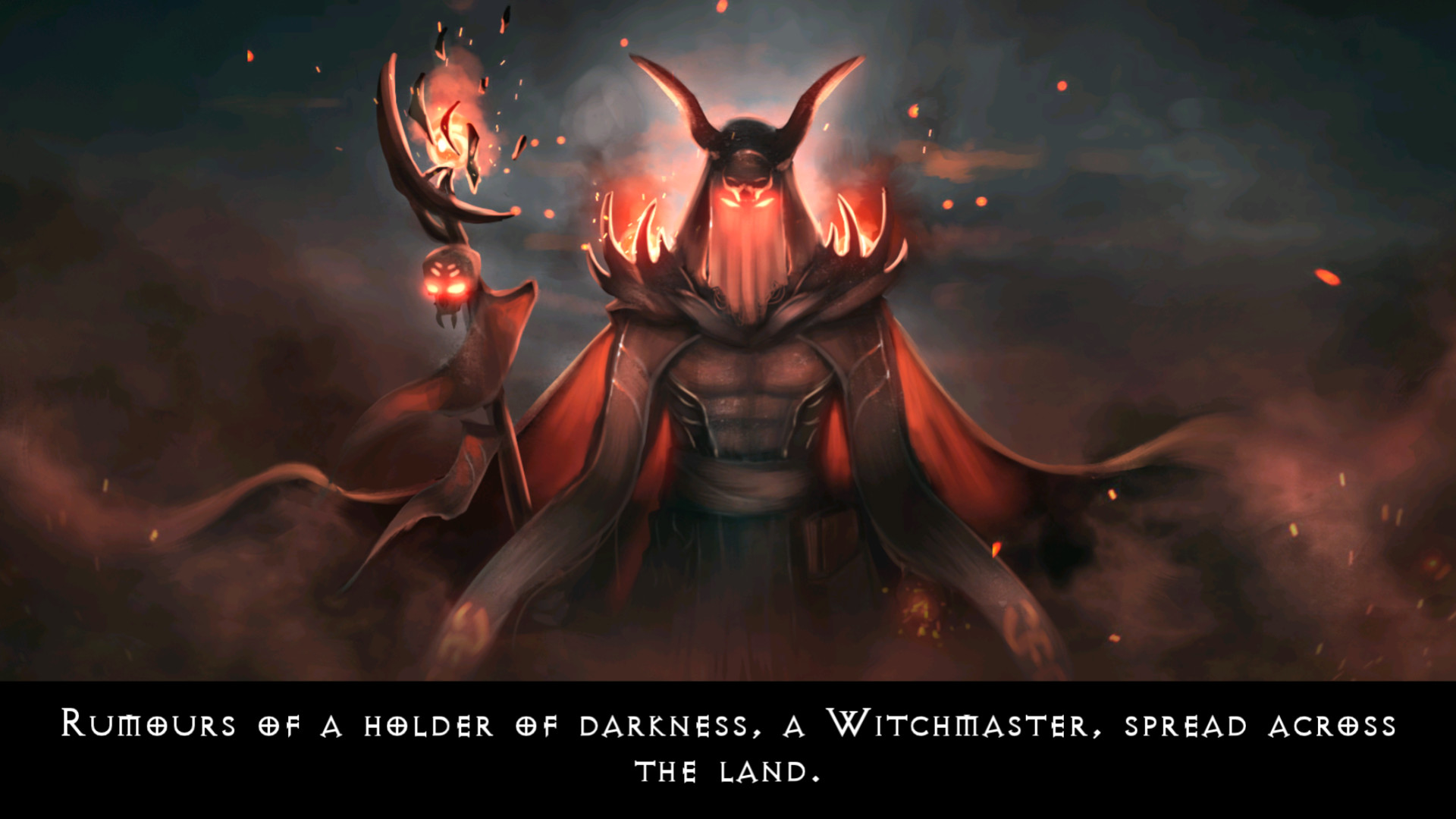
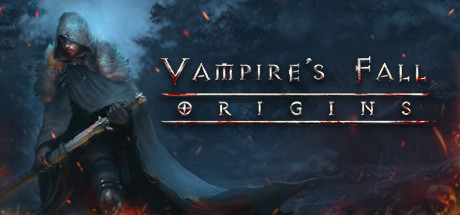
For countless years the villagers of Vamp’Ire have enjoyed a life of peace and happiness. But now, rumors are spreading about a wielder of dark magic - a Witchmaster. Fearing the rumors to be true, the village musters a militia to prepare for the worst.
Vampire's Fall: Origins is a rpg, indie and character customization game
developed and published by Early Morning Studio.
Released on January 31st 2020 is available on Windows, Steam Deck and Steam Machine.
It has received 948 reviews of which 749 were positive and 199 were negative resulting in a rating of 7.5 out of 10. 😊
The game is currently priced at 9.99€ on Steam.
The Steam community has classified Vampire's Fall: Origins into these genres:
Media & Screenshots
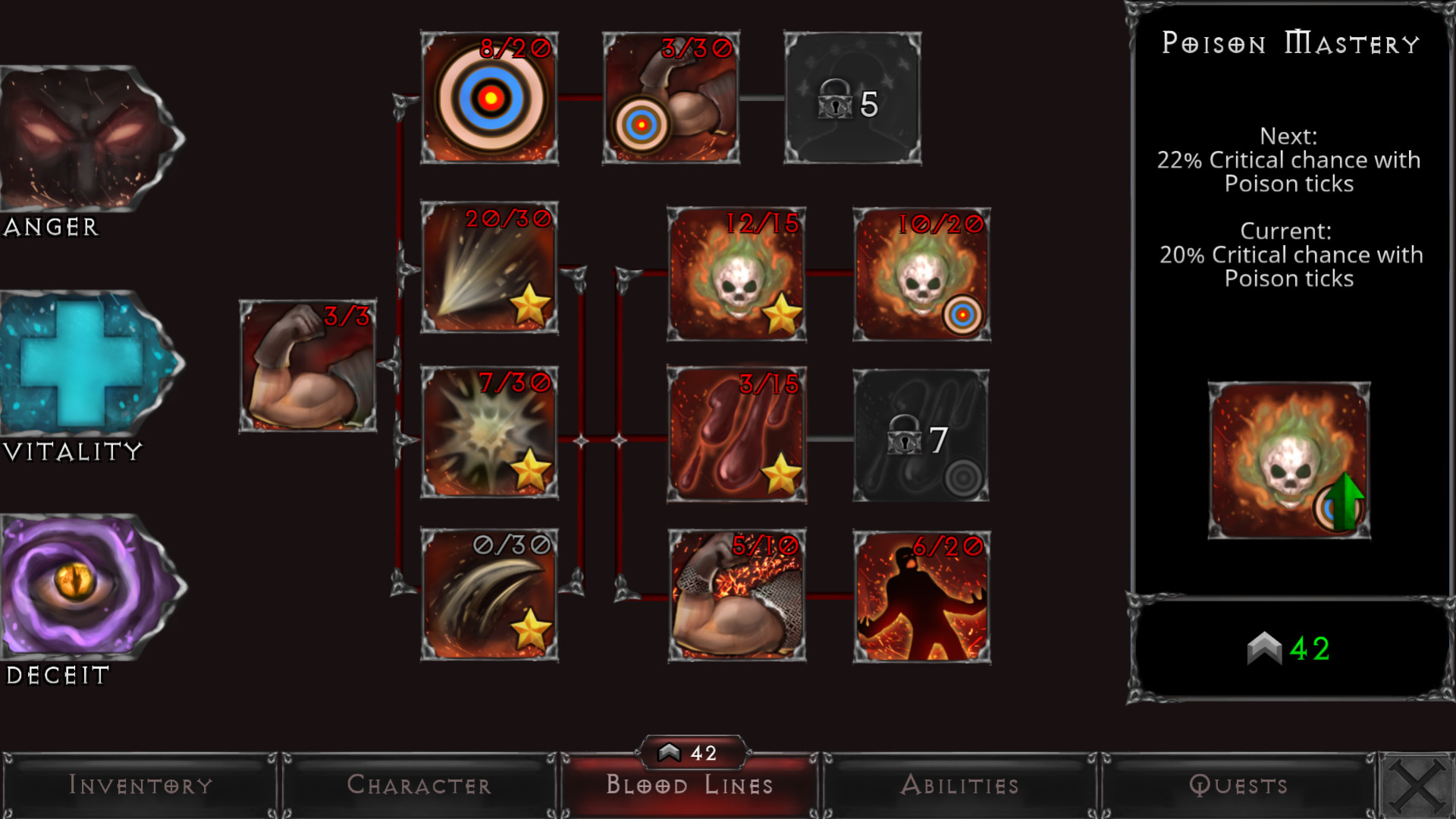
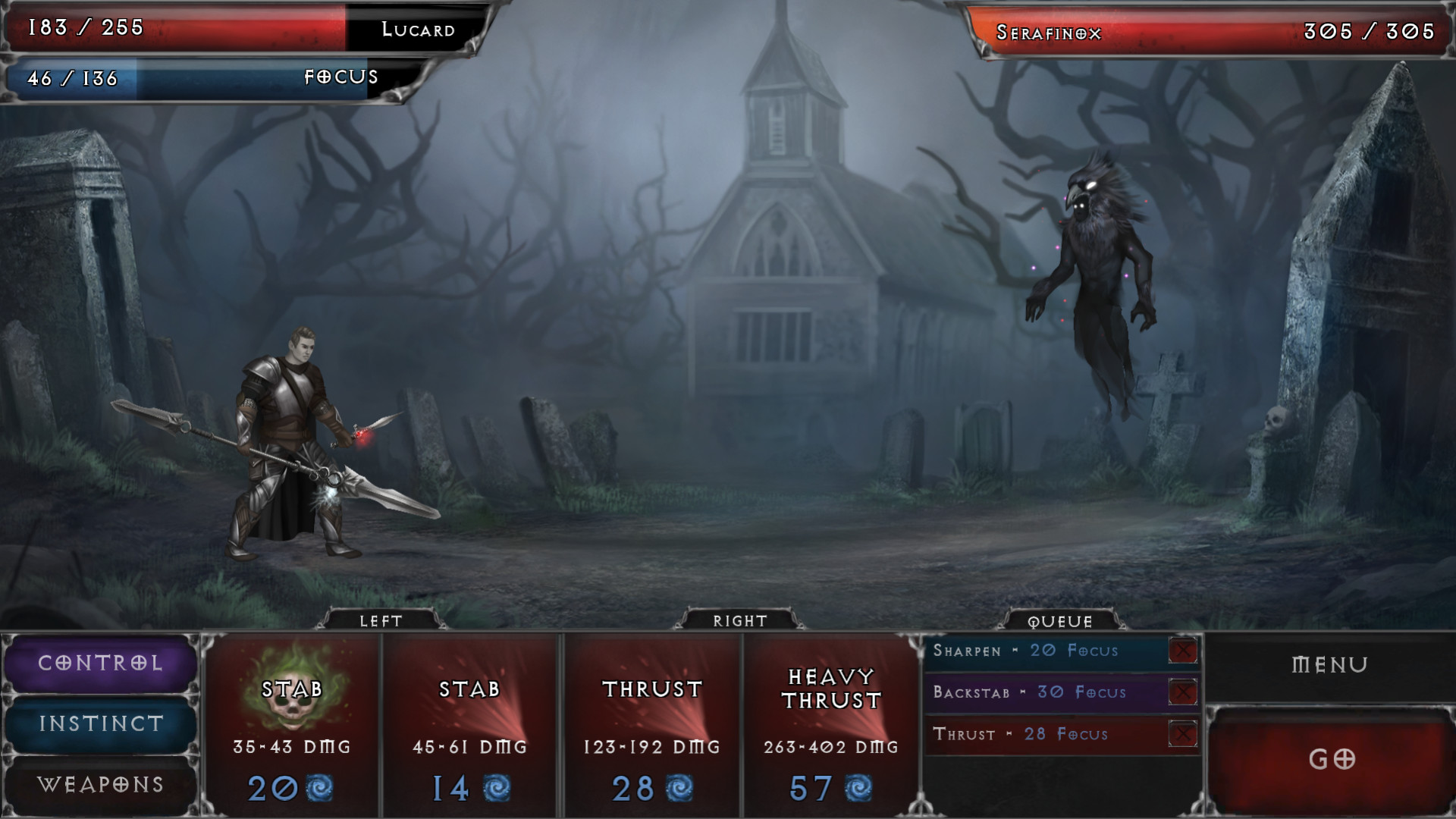
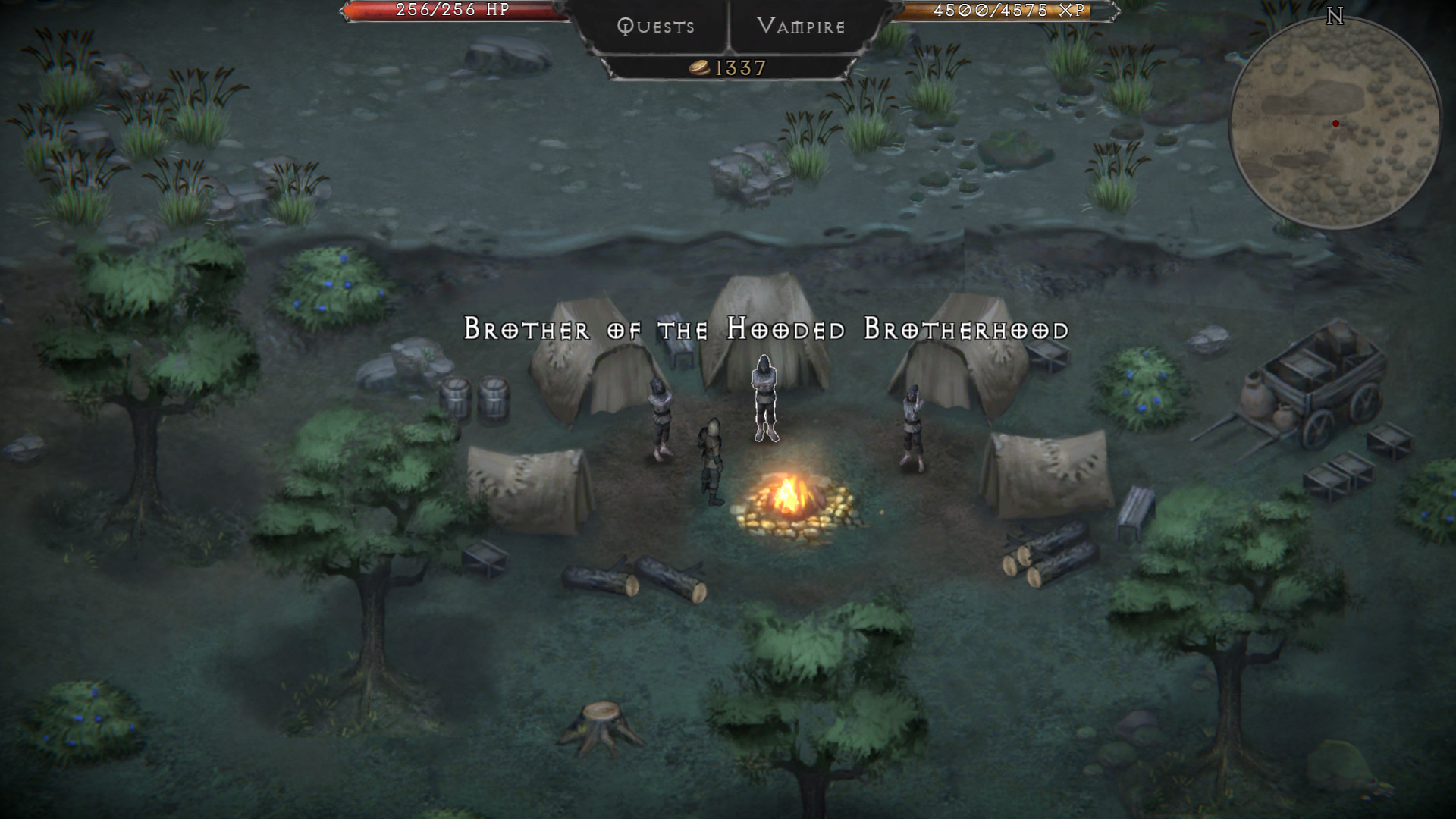
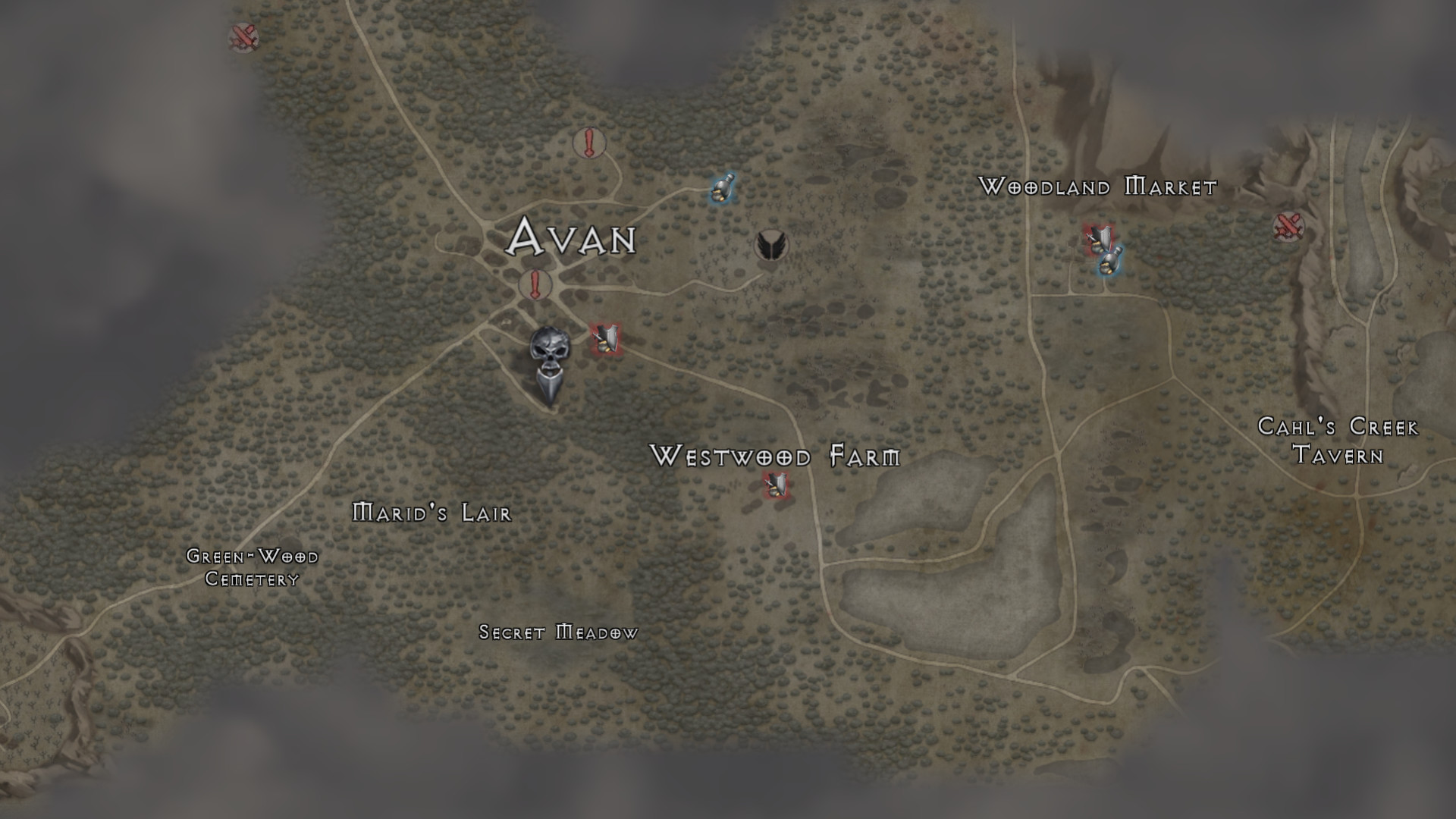
Get an in-depth look at Vampire's Fall: Origins through various videos and screenshots.
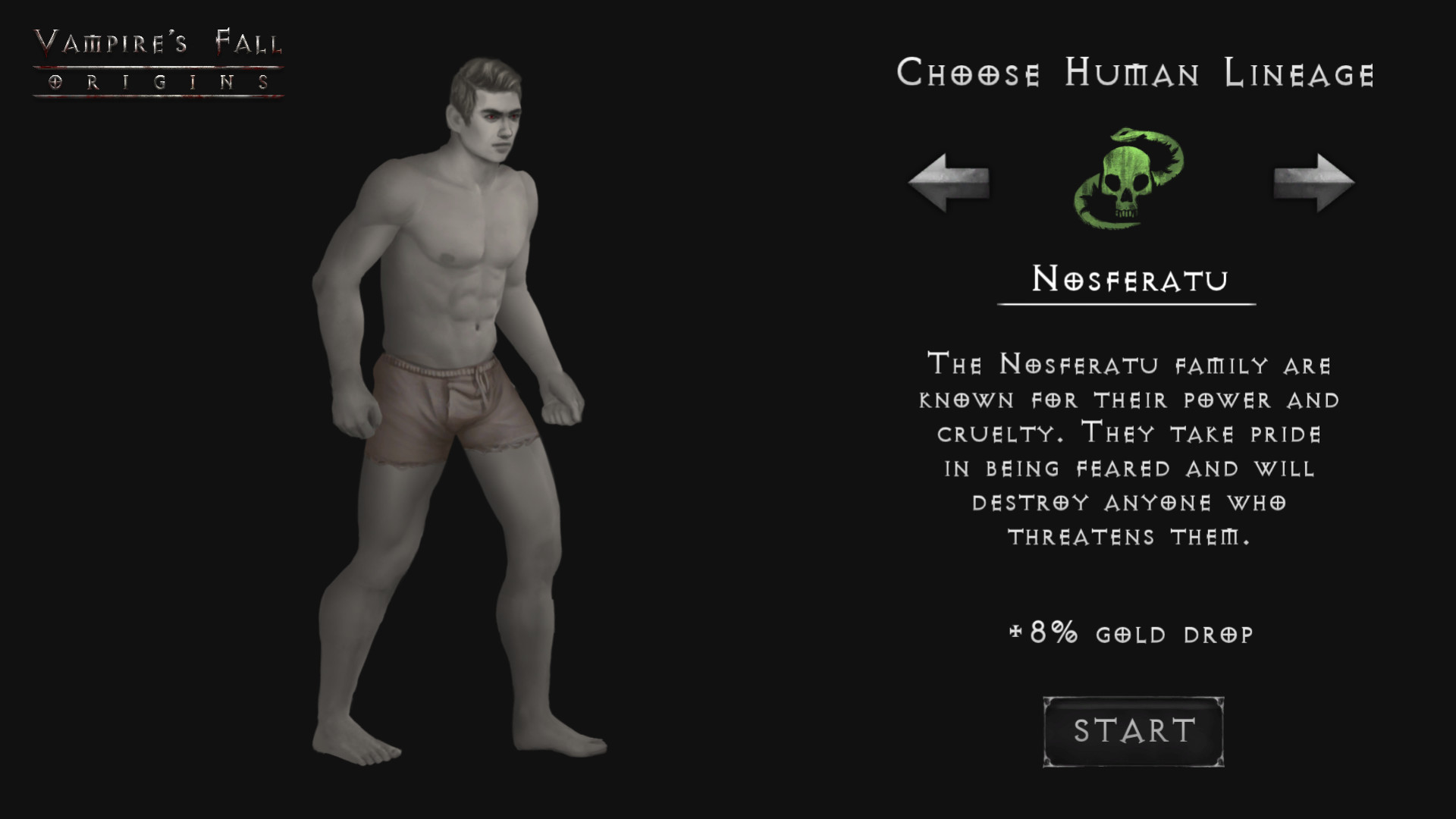
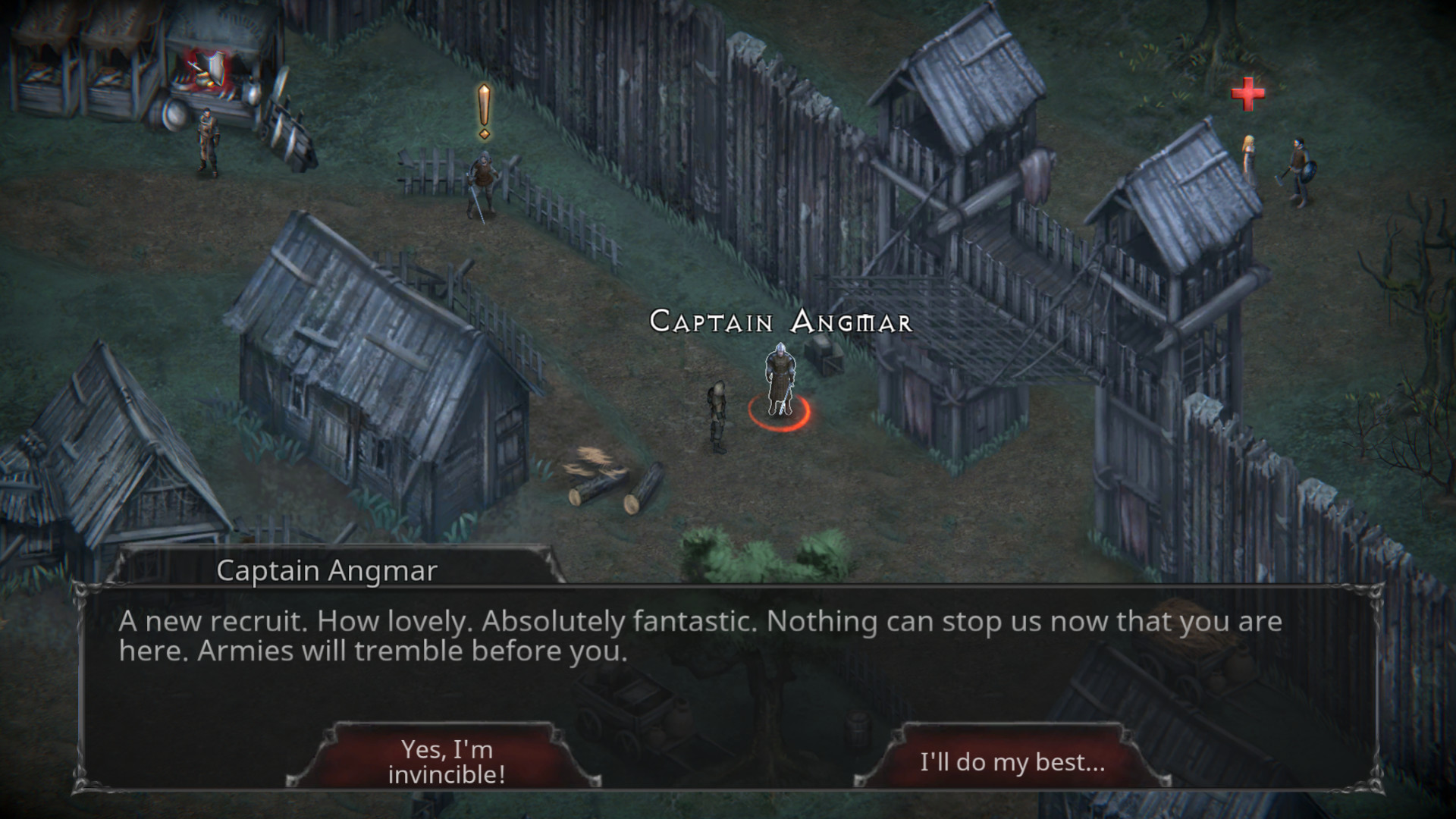
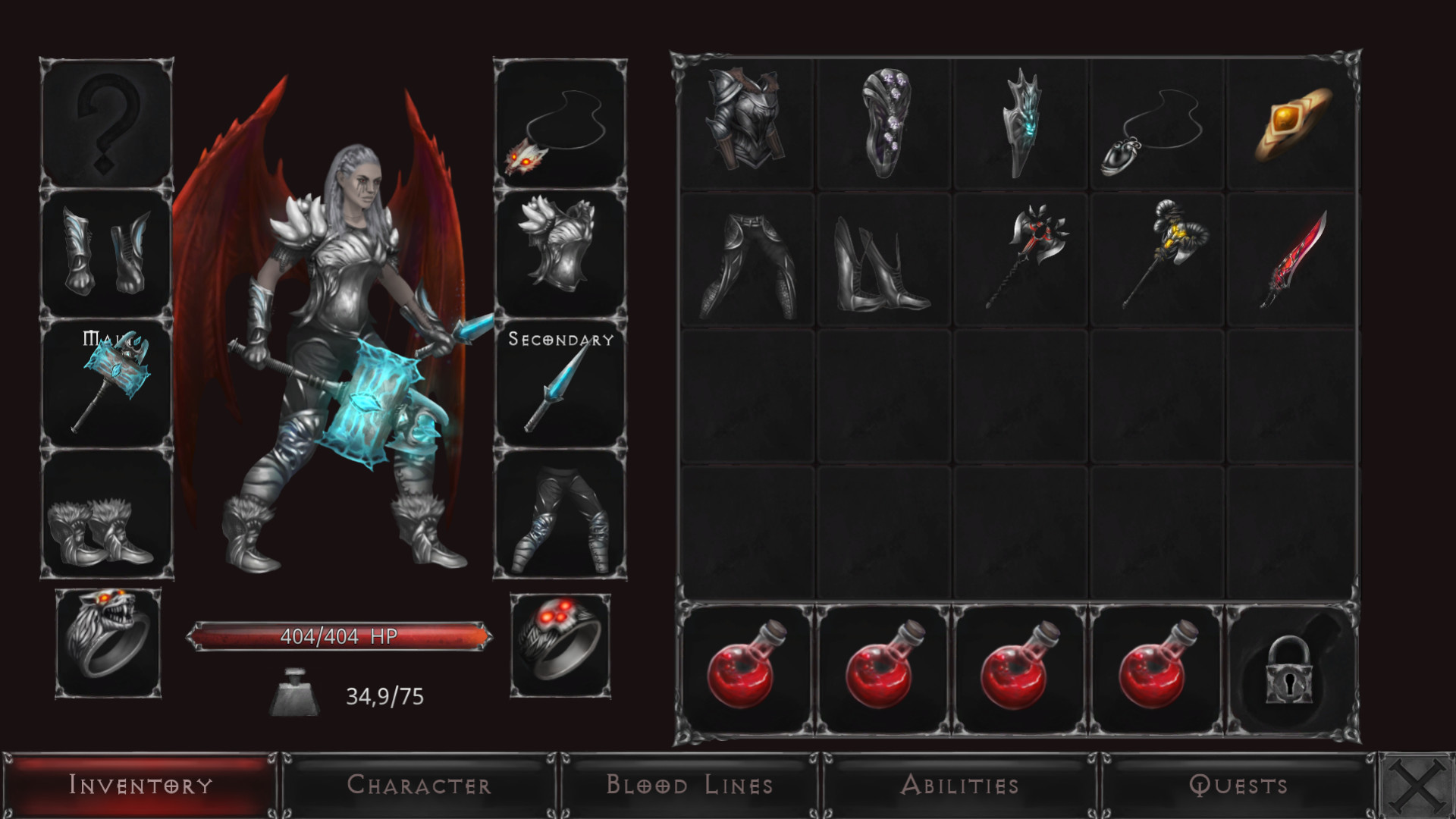
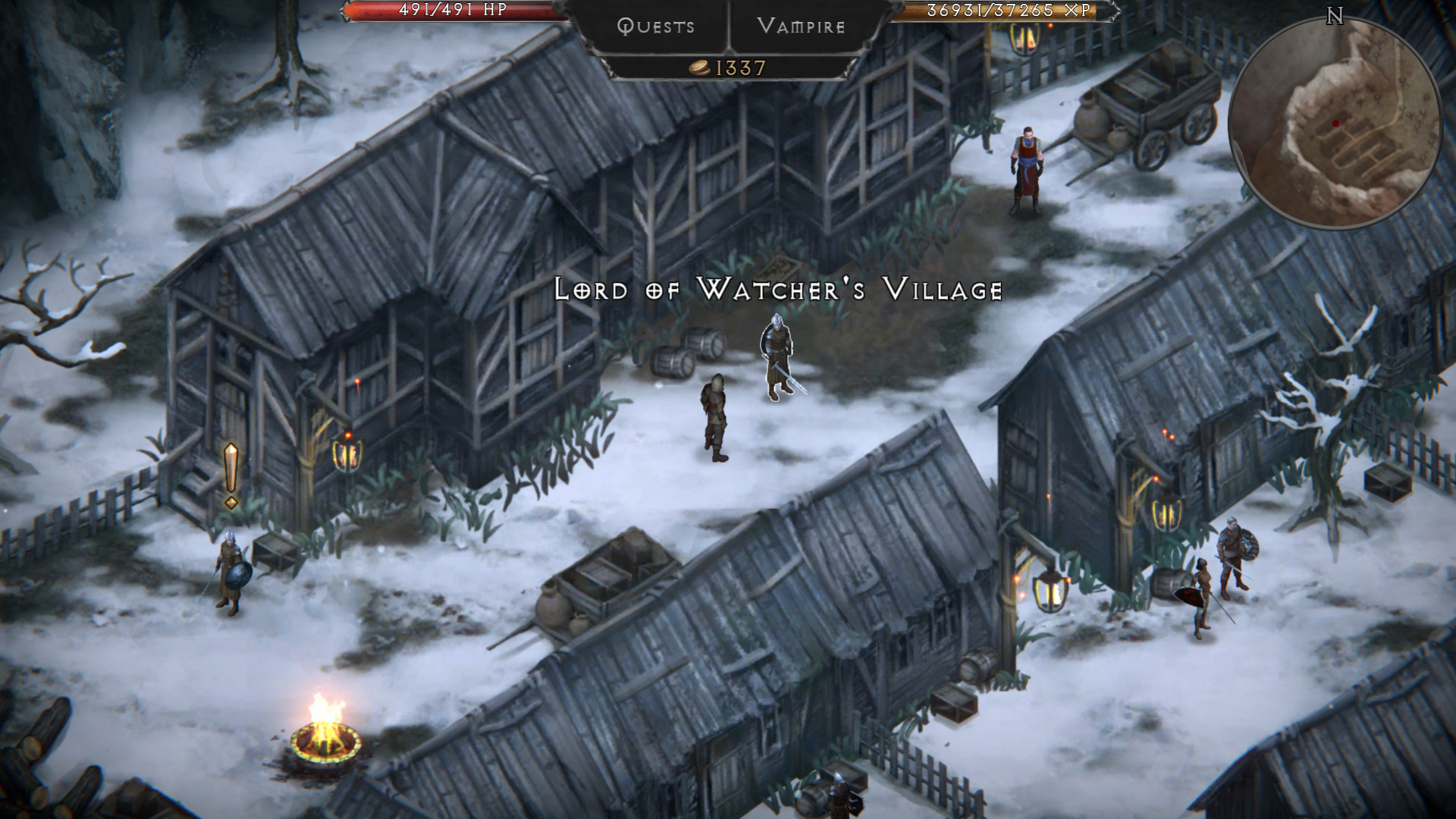
Load More
System requirements
These are the minimum specifications needed to play the game. For the best experience, we recommend that you verify them.
Windows
- Requires a 64-bit processor and operating system
- OS *: Windows 7+
- Processor: Intel i3+
- Memory: 2 GB RAM
- Graphics: Discreet video card
- Storage: 1500 MB available space
Steam Price & Best Deals
User reviews & Ratings
Explore reviews from Steam users sharing their experiences and what they love about the game.
Vampire's Fall: Origins is a pretty decent RPG that's bogged down by multiple issues. This was originally a free mobile title, and the low specs and relatively few customization options definitely reflect that. All of the microtransactions have been removed and all items that used to be available for purchase can now be either crafted or purchased with gold you earn in game. The team did a decent enough job modifying the game as a standalone RPG title but you almost get the impression it's an MMO without other people, apparently the mobile version had an in-game chat and PVP battles but unfortunately these were completely removed from the PC version. The player character has a pretty slow running speed and I swear that I spent nearly a third of the game just watching my character slowly jog back and forth location to location. Thankfully you'll eventually get access to fast travel potions, but there's still often very wide treks of land that become tiresome to traverse and bring the pacing to a crawl. It doesn't help that the game just doesn't look very good, I understand they were going for a gritty gothic atmosphere but everything comes off as just black and grey and most everything looks so samey. All the trees and areas just visually kind of blend together into this mess that is not great to look at and boring. Oftentimes terrain will be warped/pixelated. There never really seemed to be any locations that really wowed me or drew me in in an engaging way. The sound design has a few good things going for it but overall again feels undercooked, I got so sick of the same battle track after a while I just muted the in-game music. This could easily be forgiven if the story and writing weren't so god awful, none of the characters are developed and worse than that none of them are really likeable. Most of the NPCs are morons judging by the dialogue, and this creates an immersion shattering disconnect. The story is trying to establish a gritty, dire tone sending you on a quest involving vampirism and horrifying monsters but every character is busy being a greedy jerk, completely incompetent or MAKING JOKES AND/OR POP CULTURE REFERENCES while there is an Armageddon like event going on, and the fact that none of the characters seem to be taking it seriously like they need to be just comes off as lazy writing. Many times the quest givers themselves will be like "HAHA ISN'T IT DUMB I SENT YOU ON THOSE ERRANDS?", these sort of "wink-wink nudge-nudge" jokes erupt me into cringe, pointing out the laziness of your script doesn't give it a free pass. It feels extremely amateurish with sophomoric jokes and references to other (mostly better) videogames, it becomes tiresome and feels like either the writers missed the fact this is supposed to be a gothic RPG or are so completely lacking in ideas they just injected nonsense and filler instead of giving us interesting stories. Everything about the quests and dialogue feel so cookie cutter and generic too, I struggle to remember a single interesting or endearing NPC from the game. Ultimately the only thing that saves this game is I enjoyed the vampire powers and the customization options for your vampire. Some of the creature and equipment designs were pretty neat, and it satisfies the RPG niche of starting out feeling like a weakling and finishing the game feeling like Demigod. It reminds me of the kind of fulfilling power fantasy of games like Gothic and Risen, where you start off completely weak and inept at combat and by the end have become a Berserker or a Master Wizard razing everything in your path. At the very least the combat system mechanics are solid albeit quite simple, but people who are fans of slow grind journeys and JRPG combat will probably find something to like about the game. I enjoyed it enough to finish the Main quest and expansion quest, but the grind and replays that'll be required to finish the "Brutal mazes" I'm just not even interested in, as it seems like a waste of my time. There is a decent RPG buried underneath all the bad writing, lazy design and questionable mechanics, it's only a matter of are you willing to put up with that to play a DECENT vampire RPG, as there really aren't a whole lot of them to pick from. The combat and character build aspects pretty much carry the game, I had a fun time for the majority of my playtime. I wouldn't recommend this game for $13 due to all the annoyances but for $2 or $3 on sale there's definitely worse out there. Didn't experience any technical issues on PC.
A low concentration game with fairly predictable fights after the first 20 or so levels. Something to play when you want something to do, but not have to think too much. For my amputee counterparts, this is playable with only one hand. I have a Razer Naga mouse and don't even need the extra buttons. There's some cheeky interaction and plenty of, "oh yeah, now what - you're dead and I'm not" moments in response to those cheeky jerks. The leveling / skill system is very simple - you won't need to dig up a build guide for this game. Gear builds a bit slowly, but I'm finding I don't really need it now that my favorite skills (bat swarm, conjure, bite, fortify) are maxed. With those I can beat some high hp guys like Fulacks the Ugly even though I'm only sitting at 400 hp myself. It's still challenging enough to where I can't just cut through all the content - I'm going to have to level and gear up, but there's more than enough to do in between.
"Vampire's Fall: Origins", although it's the original mobile game, there's nothing particularly interesting about it. But somehow, I just couldn't stop playing it. For the new game "Vendir", I only played the demo version. The translation of this one is better. There are sometimes only rejection options as choices, and there are also a few humorous side quests. Maybe it's the simple and naive feeling from the early days of PS1 that makes people nostalgic and thus they can't help but keep playing.
Similar games
View all
Dragon's Dogma: Dark Arisen
Set in a huge open world, Dragon’s Dogma: Dark Arisen presents a rewarding action combat experience.

The Elder Scrolls V: Skyrim Special Edition
Winner of more than 200 Game of the Year Awards, The Elder Scrolls V: Skyrim Special Edition brings the epic fantasy to life in stunning detail. The Special Edition includes the critically acclaimed game and add-ons with all-new features.
GreedFall
Engage in a core roleplaying experience, and forge the destiny of a new world seeping with magic, and filled with riches, lost secrets, and fantastic creatures. With diplomacy, deception and force, become part of a living, evolving world - influence its course and shape your story.
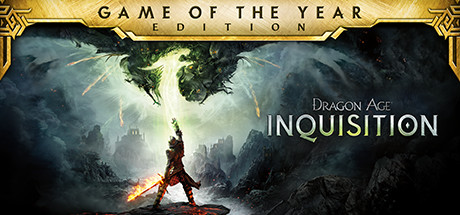
Dragon Age Inquisition
Winner of over 130 Game of the Year awards, discover the definitive Dragon Age: Inquisition experience. The Game of the Year Edition includes the critically acclaimed game, all three official add-ons - Jaws of Hakkon, The Descent, and Trespasser - and more.
RONIN: Two Souls CHAPTER 1
Create your own adventure with Kenji who wants to be a samurai and is trained for it. But beware, you might go out on your own way in this path, it is entirely up to your choices. Can someone else’s desire of revenge lead your purpose and choices? Or, does he decide that?

Swords & Souls: Neverseen
Swords & Souls: Neverseen is a unique RPG where leveling up takes skill! Create, train and upgrade your character as you please, discover The Neverseen and its eccentric locals, and battle across the lands to foil an evil witch's plans!

The Elder Scrolls IV: Oblivion Remastered
Explore Cyrodiil like never before with stunning new visuals and refined gameplay in The Elder Scrolls IV: Oblivion™ Remastered.

The Albino Hunter (Original)
Kalymn Nox is the Albino Hunter; even his pretentious and slightly racist title can keep him from waking up broke after a night of drinking.

Magicmaker
Ever wanted to shoot poisonous lightning lasers? Freezing fireballs? Turrets that fire waves of miniature suns? How about lasers that shoot exploding black holes that suck out your enemies' life force? You can do that all in Magicmaker, the spellcrafting-focused platformer dungeon-crawler!

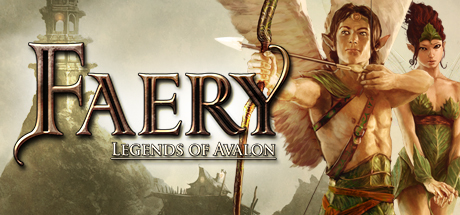
Faery - Legends of Avalon
Faery: Legends of Avalon is a big role playing game packed with a very distinctive ambience and graphic style. Create your character, embark in a great adventure and discover the fantastic world of Avalon!
Frequently Asked Questions
Vampire's Fall: Origins is currently priced at 9.99€ on Steam.
No, Vampire's Fall: Origins is currently not on sale. You can purchase it for 9.99€ on Steam.
Yes, Vampire's Fall: Origins received 749 positive votes out of a total of 948 achieving a rating of 7.53.
😊
Vampire's Fall: Origins was developed and published by Early Morning Studio.
Yes, Vampire's Fall: Origins is playable and fully supported on Windows.
No, Vampire's Fall: Origins is not playable on MacOS.
No, Vampire's Fall: Origins is not playable on Linux.
Yes, Vampire's Fall: Origins is playable and fully supported on Steam Deck.
Yes, Vampire's Fall: Origins is playable and fully supported on Steam Machine.
No, Vampire's Fall: Origins does not support VR.
Vampire's Fall: Origins is a single-player game.
No, Vampire's Fall: Origins does not currently offer any DLC.
No, Vampire's Fall: Origins does not support mods via Steam Workshop.
No, Vampire's Fall: Origins does not support Steam Remote Play.
Yes, Vampire's Fall: Origins is enabled for Steam Family Sharing. This means you can share the game with authorized users from your Steam Library, allowing them to play it on their own accounts. For more details on how the feature works, you can read the original Steam Family Sharing announcement or visit the Steam Family Sharing user guide and FAQ page.
You can find solutions or submit a support ticket by visiting the Steam Support page for Vampire's Fall: Origins.
Data sources
The information presented on this page is sourced from reliable APIs to ensure accuracy and relevance. We utilize the Steam API to gather data on game details, including titles, descriptions, prices, and user reviews. This allows us to provide you with the most up-to-date information directly from the Steam platform.
Additionally, we incorporate data from the SteamSpy API, which offers insights into game sales and player statistics. This helps us present a comprehensive view of each game's popularity and performance within the gaming community.
Last Updates| Steam data | 01 October 2026 22:13 UTC |
|---|---|
| SteamSpy data | 15 October 2026 18:50 UTC |
| Steam price | 19 October 2026 03:08 UTC |
| Steam reviews | 17 October 2026 22:08 UTC |
If you'd like to dive deeper into the details about Vampire's Fall: Origins, we invite you to check out a few dedicated websites that offer extensive information and insights. These platforms provide valuable data, analysis, and user-generated reports to enhance your understanding of the game and its performance.
- SteamDB - A comprehensive database of everything on Steam about Vampire's Fall: Origins
- SteamCharts - Analysis of Vampire's Fall: Origins concurrent players on Steam
- ProtonDB - Crowdsourced reports on Linux and Steam Deck Vampire's Fall: Origins compatibility

Game modes
Features
Online players
5
Developer
Early Morning Studio
Publisher
Early Morning Studio
Release
31 Jan 2020
Platforms