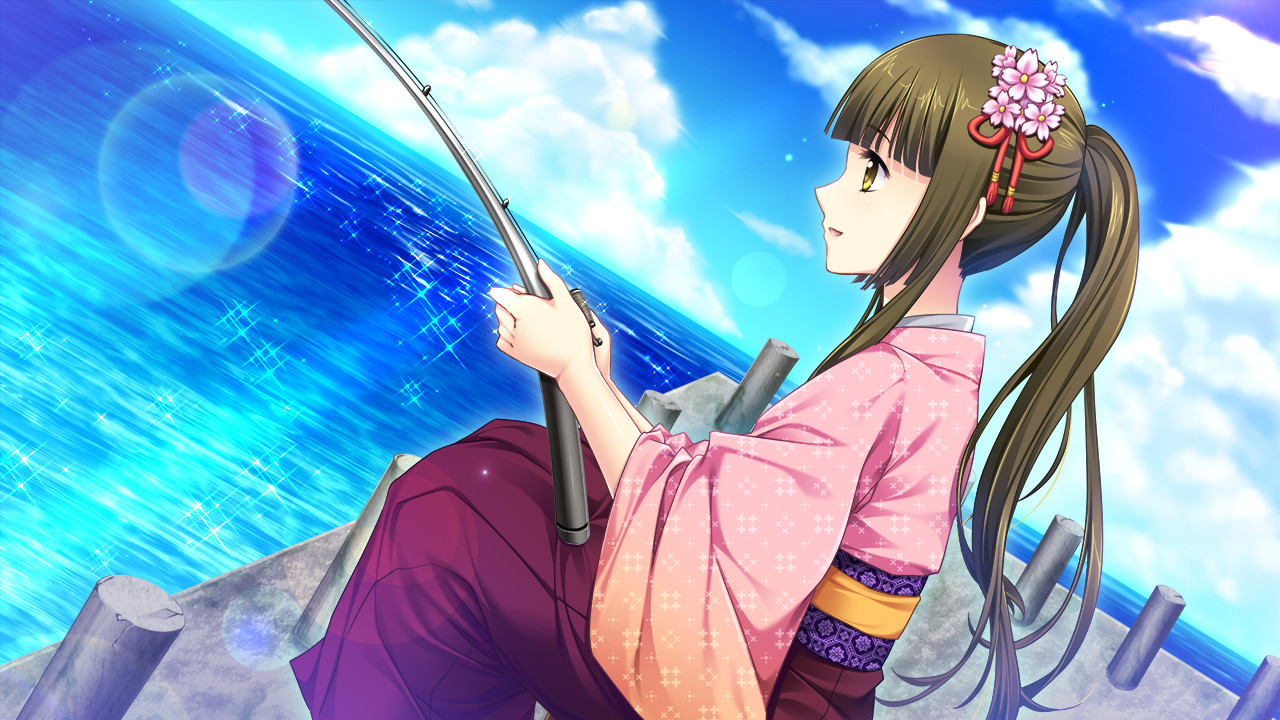
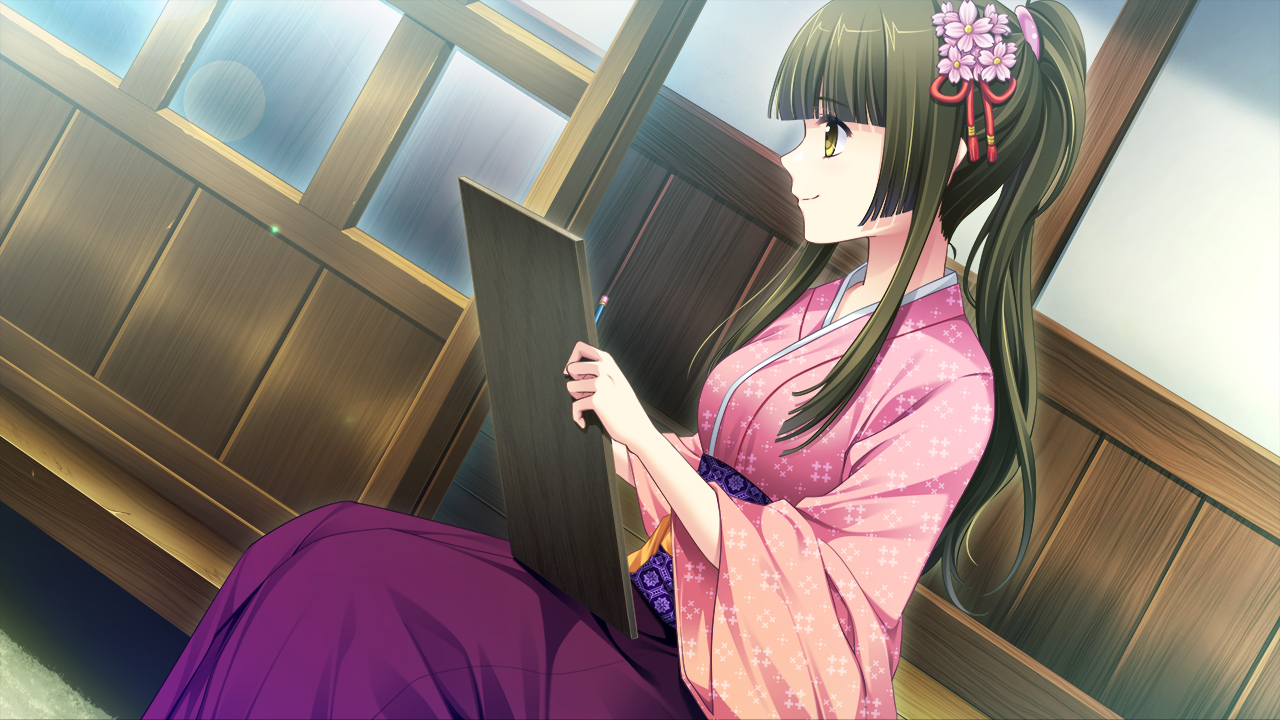
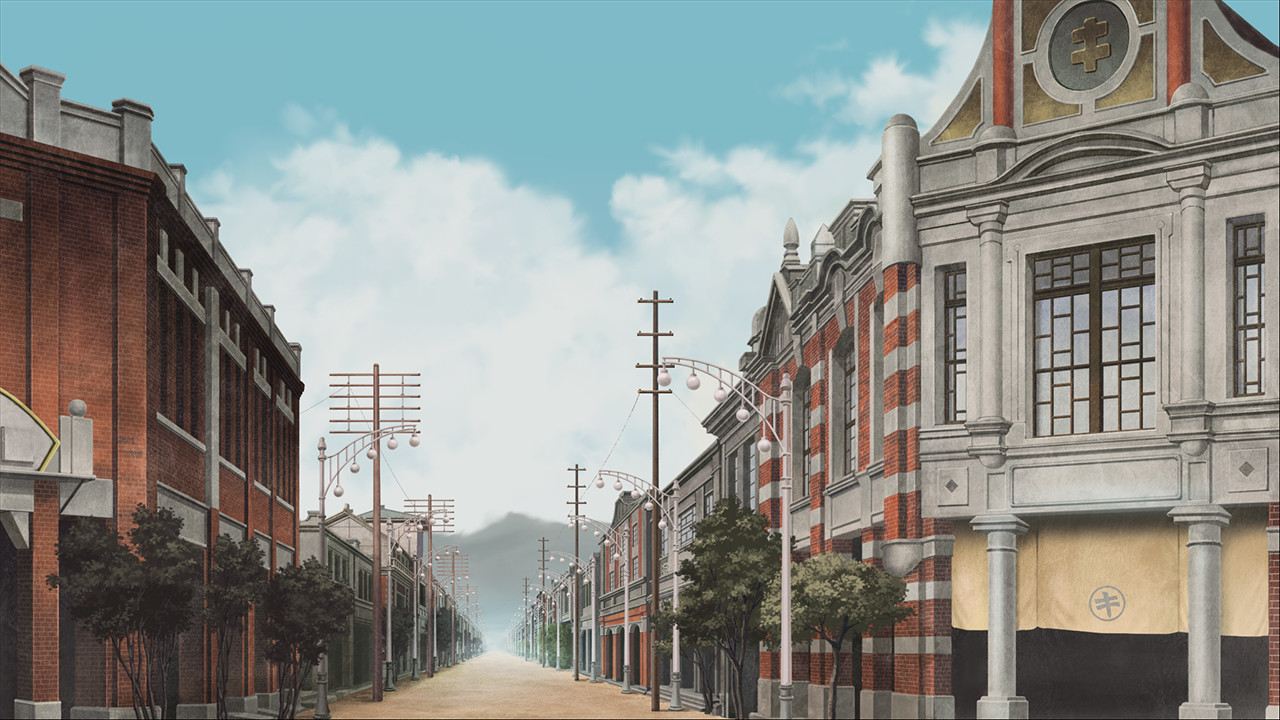
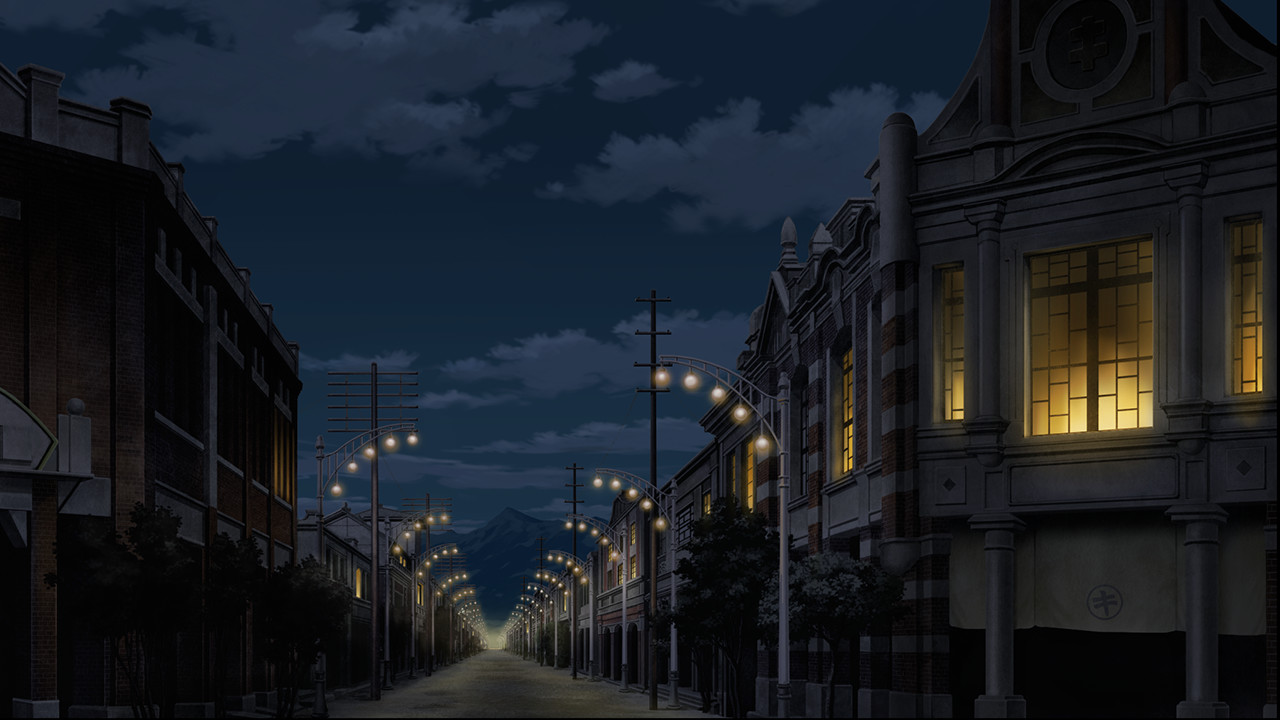
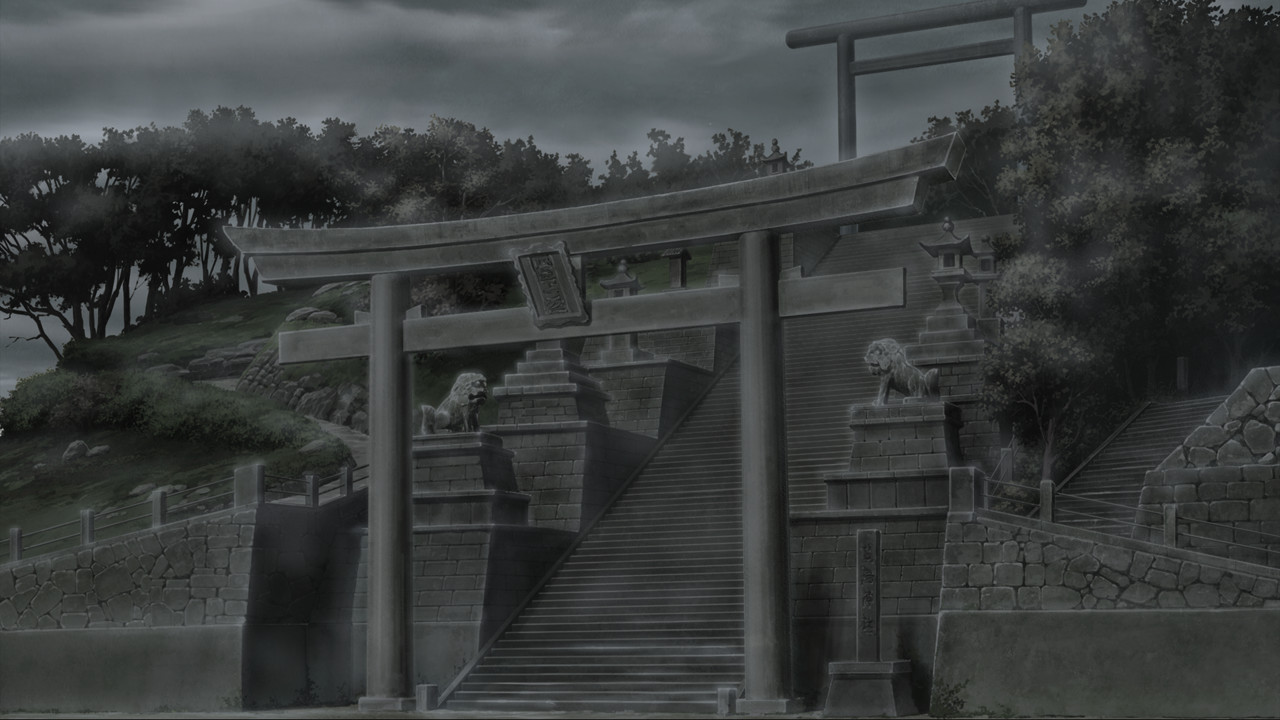
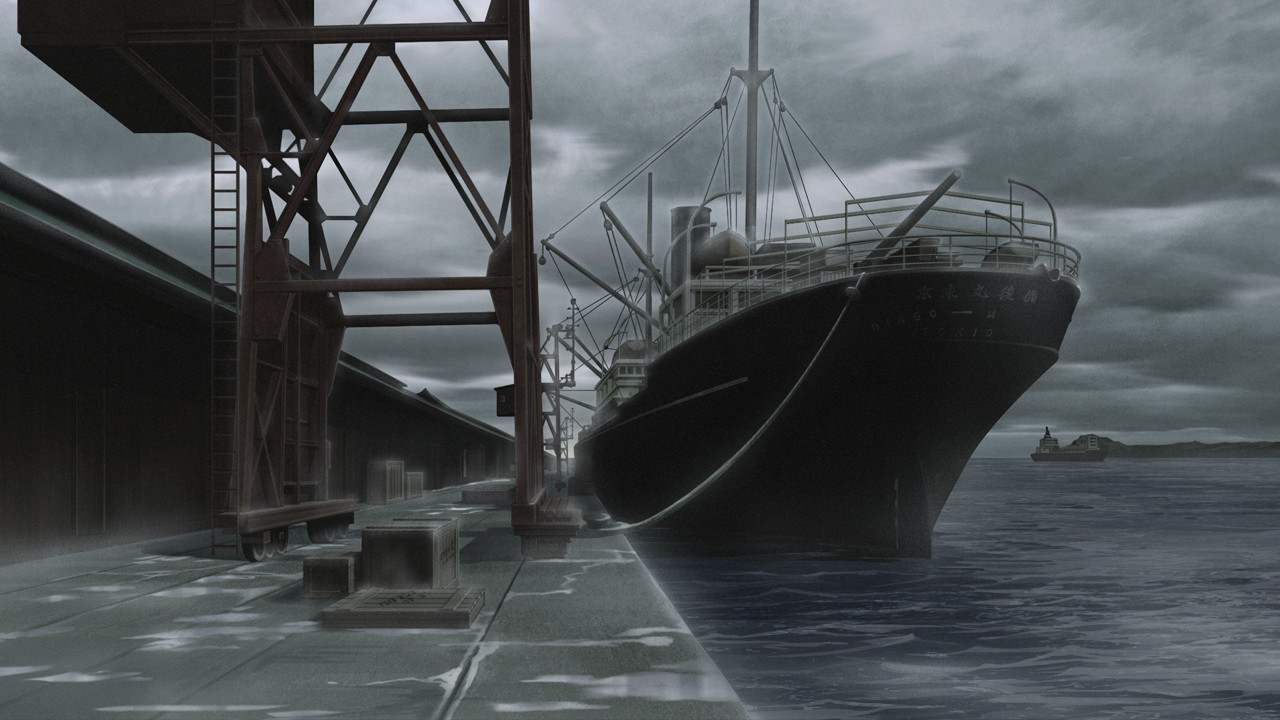
The Rainy Port Keelung is a historical visual novel that takes an unusually serious approach to a period of Taiwanese history rarely explored in video games. Developed and published by Erotes Studio, it begins in 1945 as World War II comes to an end and Taiwan emerges from decades of Japanese colonial rule. Instead of treating this transition merely as background information, the game builds its entire emotional identity around the uncertainty that followed, gradually carrying the story toward the turbulent events of 1947. One of the game's strongest qualities is the way large political changes are viewed through ordinary people. Soldiers from mainland China arrive through Keelung while Taiwanese residents face a new administration and an uncertain future. Initial optimism does not necessarily translate into the better life many expected. Cultural differences, competing identities, political tensions, and memories of Japanese rule become increasingly important. The result is a story concerned not only with history, but also with what nationality, home, family, and belonging mean when the society surrounding someone changes almost overnight. As a visual novel, the experience naturally places narrative ahead of conventional gameplay. Most of the player's time is spent reading dialogue, following character relationships, absorbing historical context, and watching events unfold. Anyone expecting exploration, combat, elaborate puzzles, or complex progression systems will find little of that here. Its appeal instead comes from atmosphere and storytelling. This slower format suits the subject because it gives characters enough room to react personally to political developments rather than reducing historical events to simple exposition. The progression toward 1947 gives the story an increasingly uneasy tone. The game makes it clear that the characters are living through a period whose consequences will become much larger than their individual problems. That knowledge creates tension even during quieter scenes. The personal stories and historical setting complement each other particularly well because the characters are not isolated from their surroundings. Their relationships and expectations are affected by the changing political and cultural environment, giving the narrative a sense of historical weight. The presentation uses anime-inspired character artwork alongside backgrounds and music designed to support its melancholy atmosphere. It may initially look like a conventional visual novel, but the subject matter is considerably heavier than the art style might suggest. The contrast gives the game a distinctive personality. Rather than presenting history through grand battles or famous political leaders, it focuses on people attempting to live ordinary lives during extraordinary circumstances. Accessibility remains one of its biggest weaknesses. The Steam version lists English interface support, but not English subtitles or English audio. Traditional Chinese receives interface, audio, and subtitle support, while Simplified Chinese is also supported to a different extent. Because this is an extremely text-dependent visual novel, the absence of complete English subtitle support is far more significant than it would be in an action game. English-only players may therefore have difficulty experiencing the narrative as intended. Technically, the game is extremely modest. Its Windows requirements are very low by modern standards, which is unsurprising given the visual novel presentation. It also includes features such as Steam Cloud, Trading Cards, developer commentary, and Family Sharing. These extras are welcome, particularly the commentary for players interested in learning more about the production and ideas surrounding such an unusual historical project. Steam Deck compatibility is currently listed as Unknown rather than Verified, Playable, or Unsupported. Its lightweight technical requirements suggest that raw performance should not be the primary concern, but there is no official Steam Deck compatibility rating confirming that every aspect works correctly. Players intending to use a Steam Deck should therefore treat it as an unverified experience and be prepared for possible compatibility, interface, text, or control issues. The Rainy Port Keelung ultimately succeeds because it has a strong sense of purpose. It is not simply using historical Taiwan as an exotic backdrop for an otherwise unrelated story. Its characters, themes, setting, and conflicts are tied directly to Taiwan's complicated postwar transition. That gives it an identity considerably stronger than many visual novels built around more familiar settings. It can even encourage players to learn more about the real history behind the events portrayed, although its fictionalized narrative should naturally not be treated as a replacement for historical research. Its limited interaction and substantial reading requirements mean it will not appeal to everyone, while the incomplete English localization creates a major barrier for international players. Yet for those able to understand its supported languages and interested in historically grounded storytelling, this is a thoughtful and memorable visual novel. Its exploration of cultural identity, political transition, human relationships, and historical trauma gives it emotional substance beyond its relatively simple mechanics. The Rainy Port Keelung is an ambitious historical visual novel whose greatest strengths are its uncommon Taiwanese setting, thoughtful themes, and human perspective on a difficult period. Its language limitations and unverified Steam Deck status restrict accessibility, but its distinctive subject and atmosphere make it worthwhile for players drawn to serious, history-focused narrative experiences. Rating: 8/10