KARMA: The Dark World
KARMA: The Dark World is a first-person cinematic psychological thriller set in a dystopian world where the Leviathan Corporation is omnipresent. The year is 1984, the place is East Germany, and things are not quite what they seem.
Sync your Steam wishlist to find the lowest game prices instantly. No login required, just paste your Steam profile URL!
⚡ Try Wishlist Radar!
Sync your Steam wishlist to find the lowest game prices instantly. No login required!
⚡ Try Wishlist Radar!
Close

The Park® on Steam
Quick menu
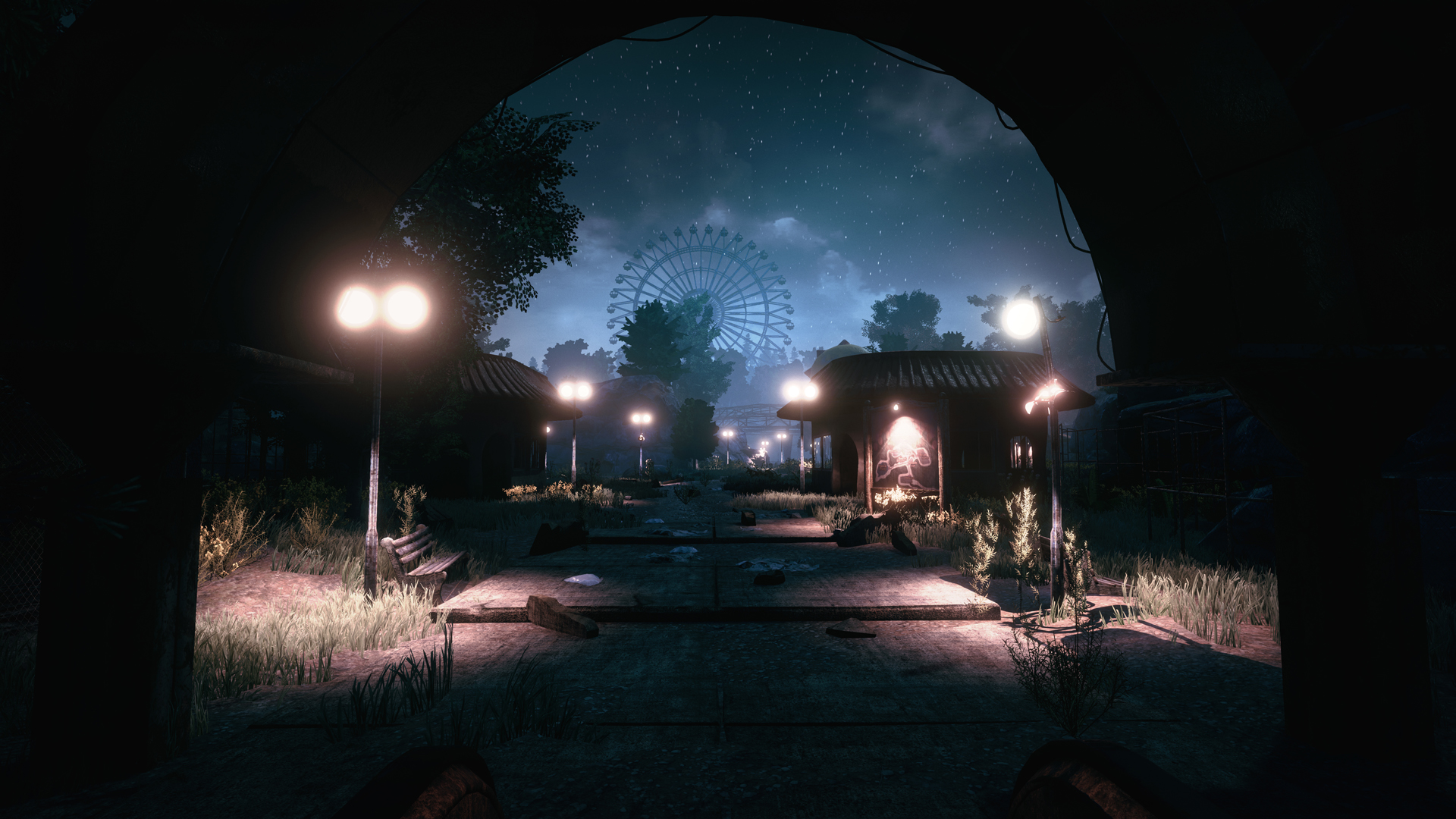
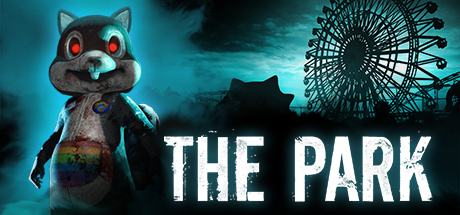
Set in a creepy amusement park hiding a dark and sinister secret, The Park is a first-person psychological horror experience focused on exploration and storytelling.
The Park® is a horror, psychological horror and walking simulator game
developed and published by Funcom.
Released on October 27th 2015 is available on Windows, Steam Deck and Steam Machine.
It has received 3,111 reviews of which 2,177 were positive and 934 were negative resulting in a rating of 6.8 out of 10. 😐
The game is currently priced at 12.99€ on Steam, but you can find it for 3.72€ on Eneba.
The Steam community has classified The Park® into these genres:
Media & Screenshots
Get an in-depth look at The Park® through various videos and screenshots.
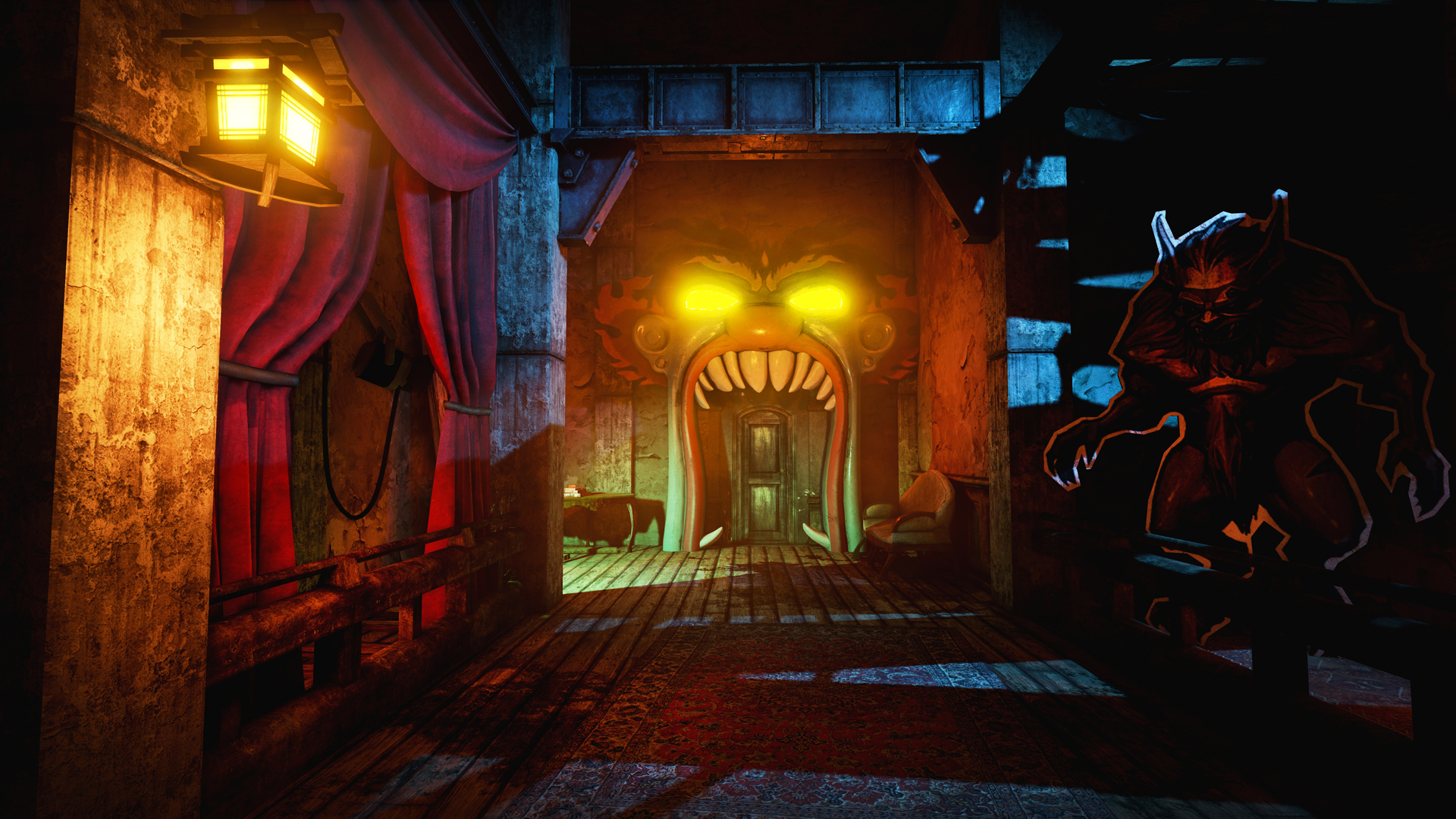

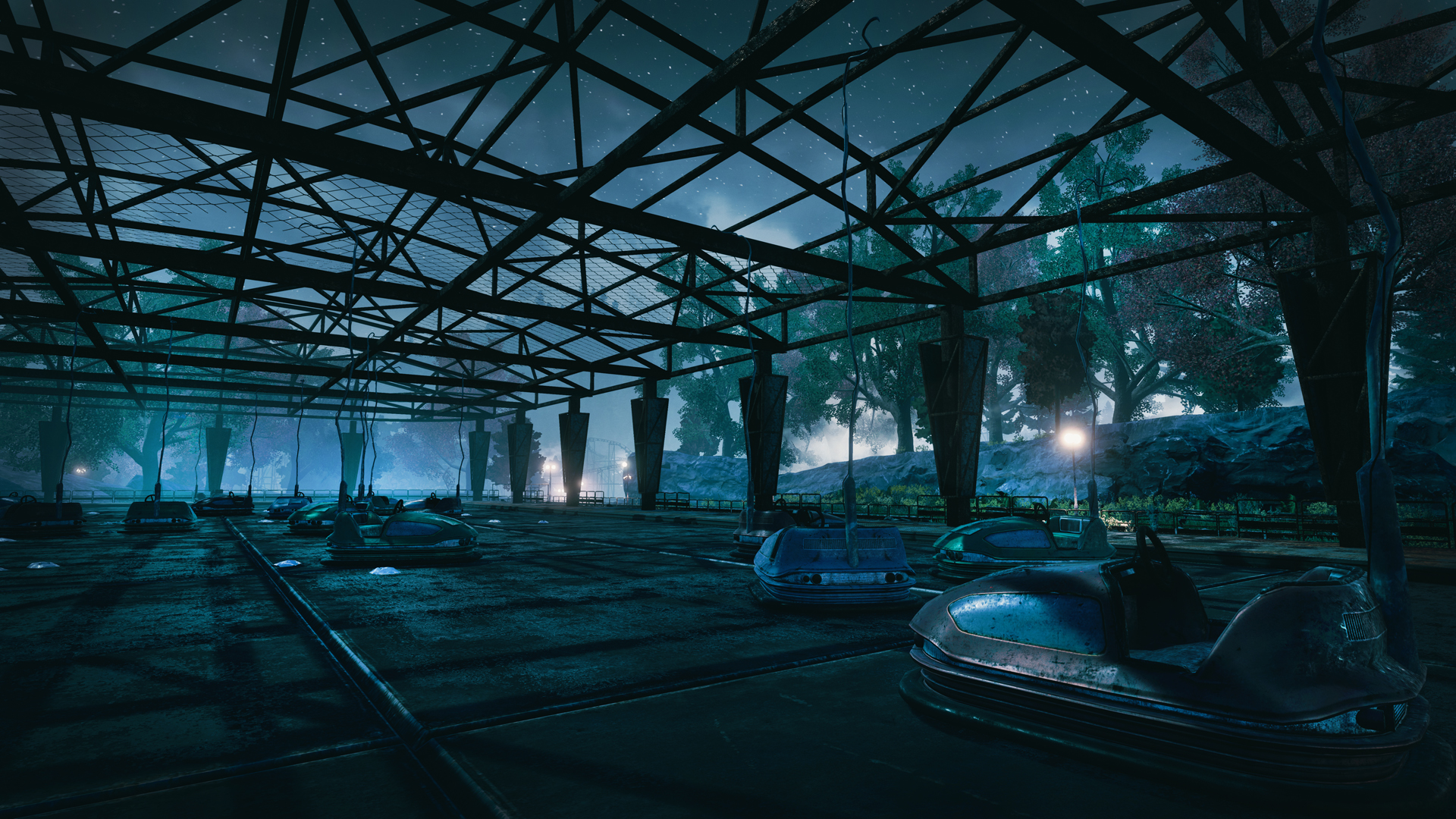
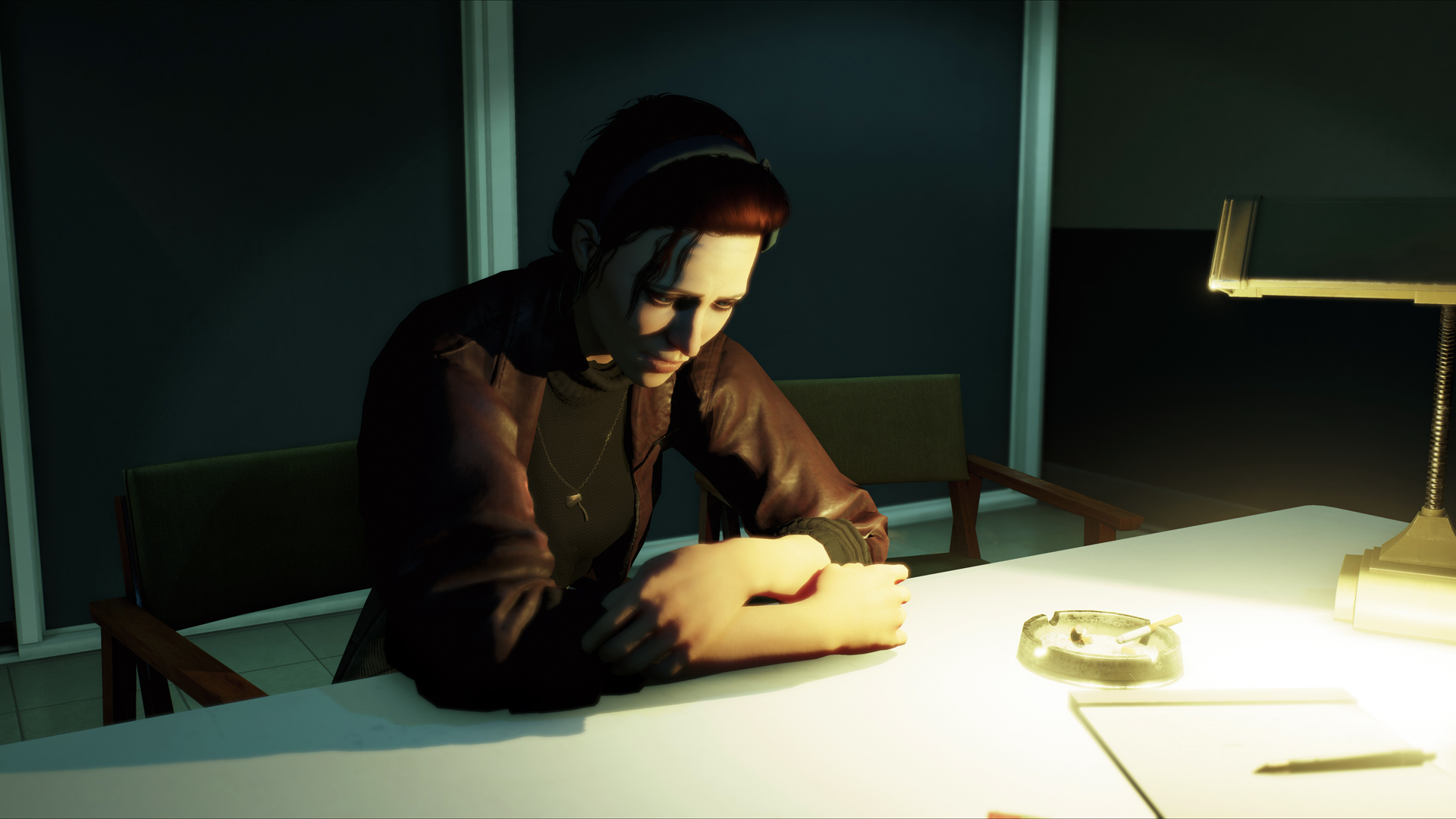
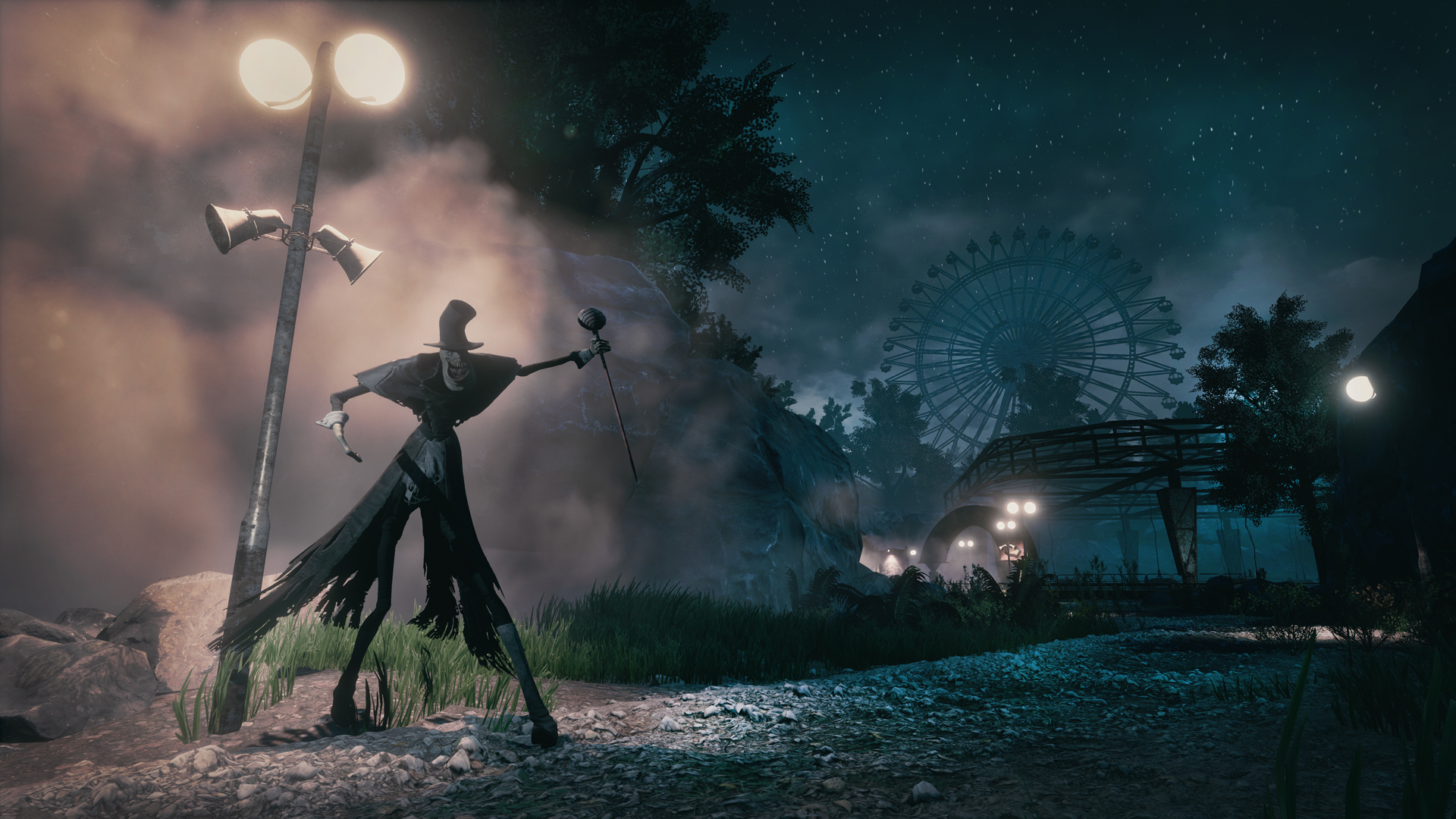
Load More
System requirements
These are the minimum specifications needed to play the game. For the best experience, we recommend that you verify them.
Windows
- OS *: Windows 7 64 Bit/ Windows 8 64 Bit/ Windows 10 64 Bit
- Processor: Core i5 processor or equivalent
- Memory: 4 GB RAM
- Graphics: Intel HD4400 / AMD Radeon 5750 1Gb VRAM / NVidia Geforce 640 1Gb VRAM
- DirectX: Version 11
- Storage: 4 GB available space
Steam Price & Best Deals
User reviews & Ratings
Explore reviews from Steam users sharing their experiences and what they love about the game.
Excelente jogo, é bem simples nos sustos e medo, mas a história, a gameplay um pouco travada, a ambientação que é bem trabalhada e trilha sonora funciona muito bem. Alguns detalhes deveriam ter sido mais trabalhados e aprofundados, já tu consegue platinar em 3h ou menos. MAs ainda assim, um 8/10.
Much shorter than I was expecting, but I was pleased with it overall and despite the game being short, the walking made it feel really slow in a bad way. I was a bit disappointed with the ending however, I would say if you want to get this game, then i recommend getting this game when it’s very cheap on sale. 6.5/10
More of an interactive movie than a game; you do have freedom to walk around and examine the environment around you, but you're herded inevitably where The Park wants you to go,..which in a way just enhances the tension you experience. There were a couple of really good jump-scares that startled the crap out of me. And of course by the end, despite the clues and the environment and the discordant noise that had cranked the dread up to 11, I was in complete thrall to the story and had to see where it led. I don't have a VR headset but I almost wish I did, this game would have been a perfect fit for one. The one downside is that, like any horror movie, this game wouldn't be nearly as terrifying the second time through. But I enjoyed every minute of it.
Similar games
View all

The Moon Sliver
You are on a bleak, cold, windy island. And you seem to be alone... but fires and candles still burn. As you explore, a story of guilt, loneliness, and faith begins to take shape. And it becomes obvious that something is hunting you...
Amnesia: A Machine for Pigs
From the creators of Amnesia: The Dark Descent and Dear Esther comes a new first-person horrorgame that will drag you to the depths of greed, power and madness. It will bury its snout into your ribs and it will eat your heart.
Layers of Fear (2016)
A first-person psychological horror with a strong emphasis on atmosphere and storytelling. Explore an ever-shifting Victorian mansion as a painter seeking to complete his masterpiece, even at the cost of his own sanity.

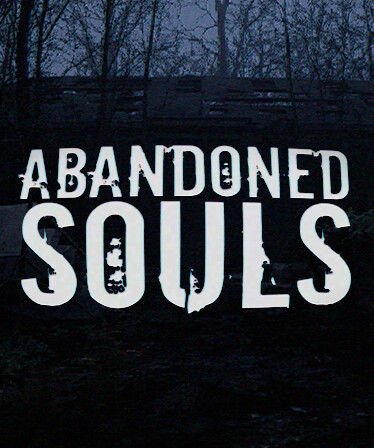
Abandoned Souls
Abandoned Souls is a horror game, shown through a GoPro lens. You play as a vlogger who specializes in urban exploration.

Anemoiapolis: Chapter 1
The most relaxing horror game you'll ever play. Anemoiapolis exists in the uncanny valley of American architecture -- endless carpeted floors and lonely malls. Escape for your life, and enjoy the scenery.

The Cursed Tape
Someone slipped a mysterious videotape under your door... Do you dare watch it?!

Scanner Sombre
Scanner Sombre is a 3d horror cave exploration game where darkness is your greatest foe. Illuminate the unseen with your LIDAR scanner, revealing the eerie beauty and peril of the abyss. From the creators of Prison Architect, this immersive adventure uses light and shadow for a haunting experience.
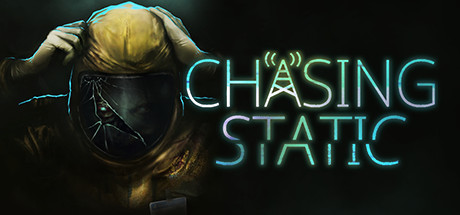
Chasing Static
A psychological horror short story. Explore the untouched wilderness of rural Wales as you uncover the forgotten remains of a mysterious facility and find the truth behind the missing villagers of Hearth.
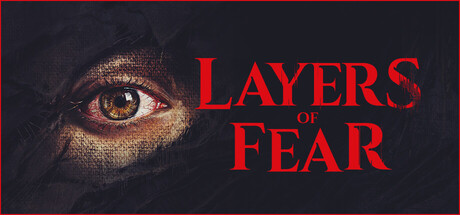
Layers of Fear
The era-defining first-person psychological horror in all its terrifying glory. All of the game’s chapters collected into one convenient package that allows you to plumb the depths of madness in pursuit of artistic revelation.
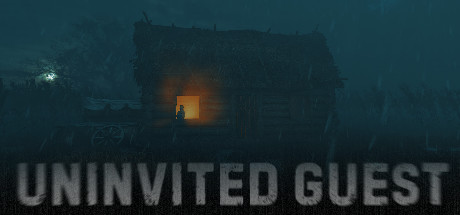
Uninvited Guest
Uninvited Guest is a first-person psychological horror game set in 1930. You play as a villager who was destined to end up in an old mansion.
Frequently Asked Questions
The Park® is currently priced at 12.99€ on Steam.
No, The Park® is currently not on sale. You can purchase it for 12.99€ on Steam.
Yes, The Park® received 2,177 positive votes out of a total of 3,111 achieving a rating of 6.82.
😐
The Park® was developed and published by Funcom.
Yes, The Park® is playable and fully supported on Windows.
No, The Park® is not playable on MacOS.
No, The Park® is not playable on Linux.
Yes, The Park® is playable and fully supported on Steam Deck.
Yes, The Park® is playable and fully supported on Steam Machine.
No, The Park® does not support VR.
The Park® is a single-player game.
No, The Park® does not currently offer any DLC.
No, The Park® does not support mods via Steam Workshop.
Yes, The Park® supports Remote Play on TV. Discover more about Steam Remote Play.
Yes, The Park® is enabled for Steam Family Sharing. This means you can share the game with authorized users from your Steam Library, allowing them to play it on their own accounts. For more details on how the feature works, you can read the original Steam Family Sharing announcement or visit the Steam Family Sharing user guide and FAQ page.
You can find solutions or submit a support ticket by visiting the Steam Support page for The Park®.
Data sources
The information presented on this page is sourced from reliable APIs to ensure accuracy and relevance. We utilize the Steam API to gather data on game details, including titles, descriptions, prices, and user reviews. This allows us to provide you with the most up-to-date information directly from the Steam platform.
Additionally, we incorporate data from the SteamSpy API, which offers insights into game sales and player statistics. This helps us present a comprehensive view of each game's popularity and performance within the gaming community.
Last Updates| Steam data | 23 September 2026 00:24 UTC |
|---|---|
| SteamSpy data | 15 October 2026 09:08 UTC |
| Steam price | 17 October 2026 03:05 UTC |
| Steam reviews | 12 October 2026 16:02 UTC |
If you'd like to dive deeper into the details about The Park®, we invite you to check out a few dedicated websites that offer extensive information and insights. These platforms provide valuable data, analysis, and user-generated reports to enhance your understanding of the game and its performance.
- SteamDB - A comprehensive database of everything on Steam about The Park®
- SteamCharts - Analysis of The Park® concurrent players on Steam
- ProtonDB - Crowdsourced reports on Linux and Steam Deck The Park® compatibility
 12.99€
Visit Store
12.99€
Visit Store
 🔥 Deal
-72%
12.99€
3.72€
Buy Now
🔥 Deal
-72%
12.99€
3.72€
Buy Now
 -72%
12.99€
3.73€
Visit Store
-72%
12.99€
3.73€
Visit Store
 -71%
12.99€
3.78€
Visit Store
-71%
12.99€
3.78€
Visit Store
 -21%
12.99€
10.29€
Visit Store
-21%
12.99€
10.29€
Visit Store
Game modes
Features
Online players
0
Developer
Funcom
Publisher
Funcom
Release
27 Oct 2015
Platforms
Remote Play
Clicking and buying through these links helps us earn a commission to maintain our services.