

20 Minutes Till Dawn
20 Minutes Till Dawn is a survival roguelite where endless hordes of creatures lurk from the dark. Craft an array of overpowering builds and eradicate waves of Lovecraftian nightmares. Will you be able to survive the night?
Sync your Steam wishlist to track the lowest game prices instantly. No login required, just paste your Steam profile URL!
⚡ Try Wishlist Radar!
Sync your Steam wishlist to track the lowest game prices instantly. No login required!
⚡ Try Wishlist Radar!
Close

Star Survivor on Steam
Quick menu
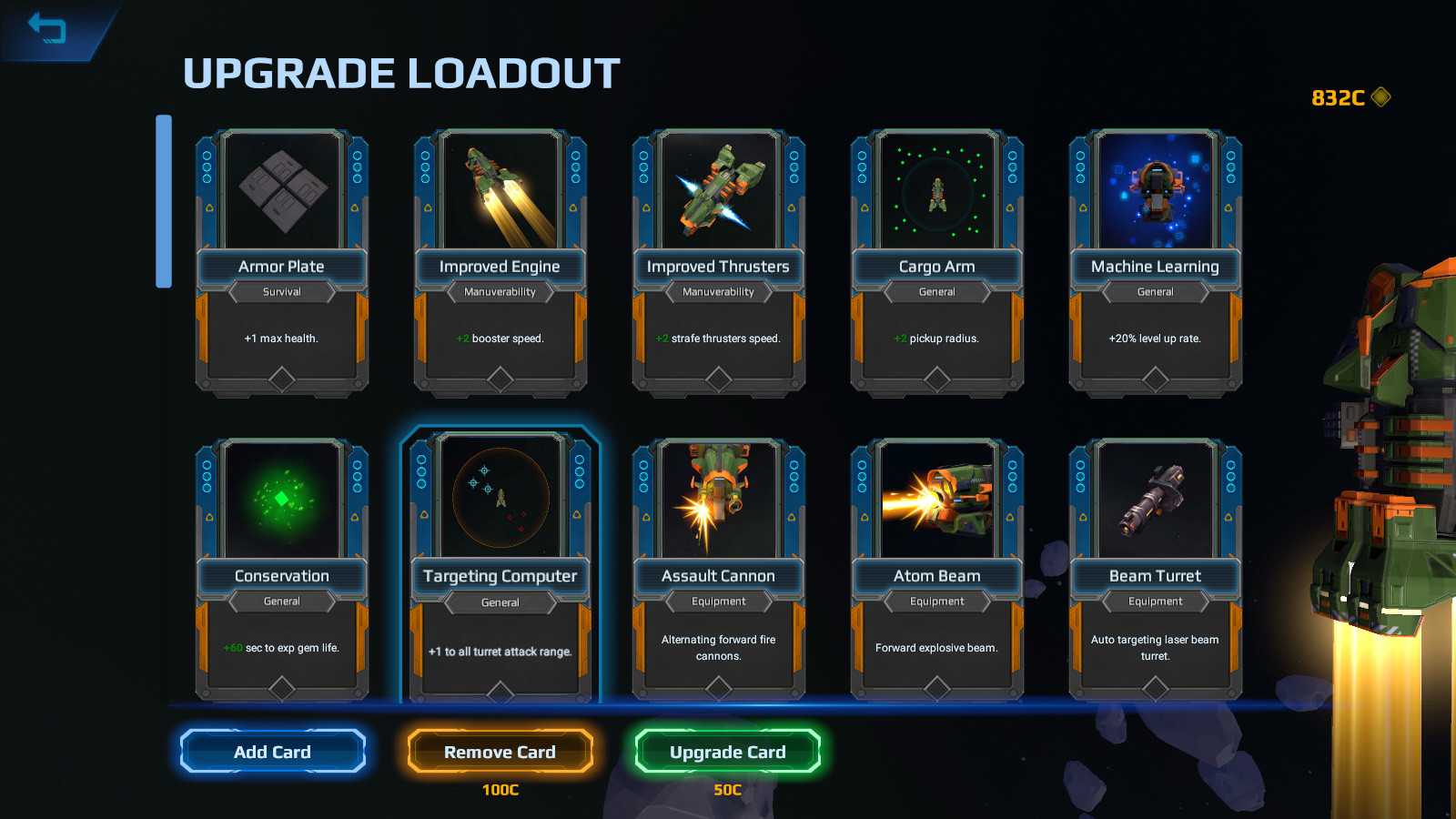
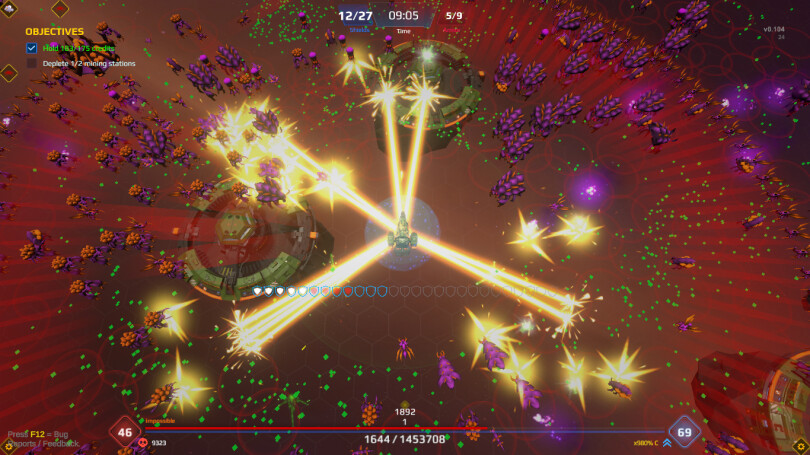
Star Survivor is a space-themed survival game that blends intense deckbuilding strategy. Pilot humanity's last spaceship through the vast galaxy, Unlock powerful weapon combos, collect card modules, and craft unique builds. As the enemy swarms grow denser, will you be the last one standing?
Star Survivor is a casual, survival and action roguelike game
developed and published by SpaceOwl Games and Erabit.
Released on September 20th 2024 is available on Windows, Steam Deck and Steam Machine.
It has received 539 reviews of which 376 were positive and 163 were negative resulting in a rating of 6.7 out of 10. 😐
The game is currently priced at 4.99€ on Steam, but you can find it for 4.48€ on G2A.
The Steam community has classified Star Survivor into these genres:
Media & Screenshots
Get an in-depth look at Star Survivor through various videos and screenshots.
Load More
System requirements
These are the minimum specifications needed to play the game. For the best experience, we recommend that you verify them.
Windows
- OS: Windows 10
- Processor: i5-7500
- Memory: 16 GB RAM
- Graphics: NVIDIA GeForce 1050 Ti
- Storage: 1 GB available space
Steam Price & Best Deals
User reviews & Ratings
Explore reviews from Steam users sharing their experiences and what they love about the game.
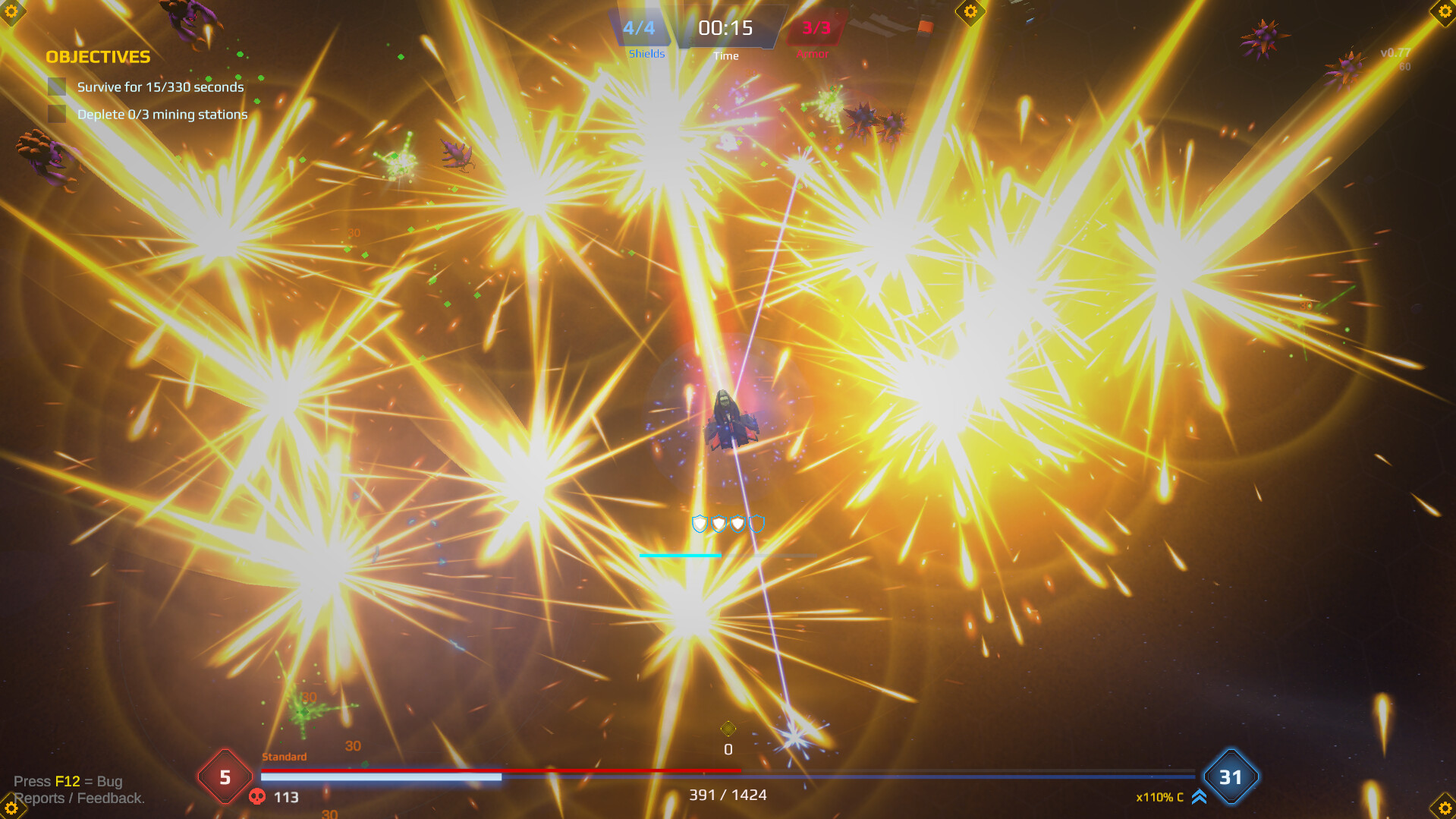
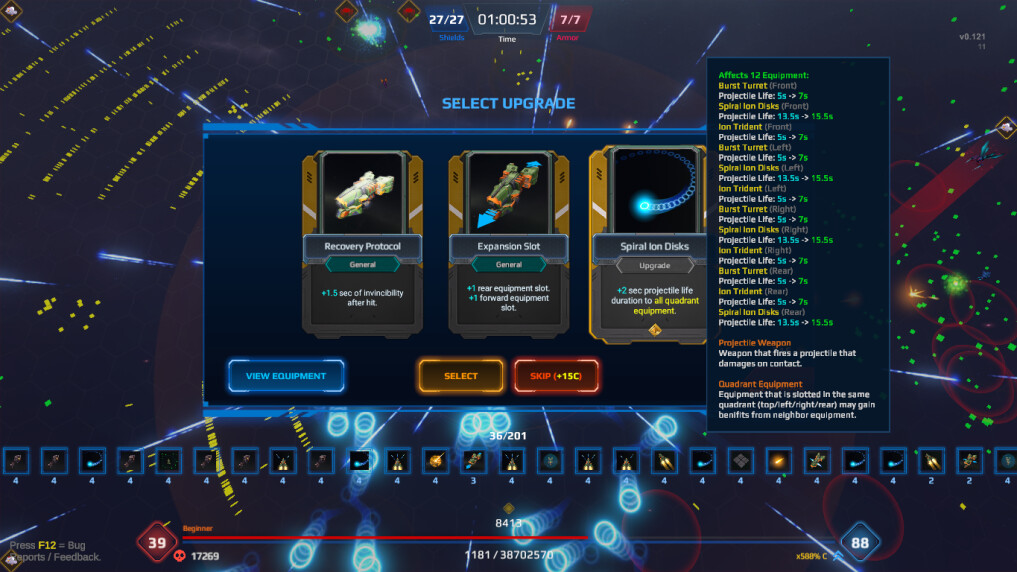
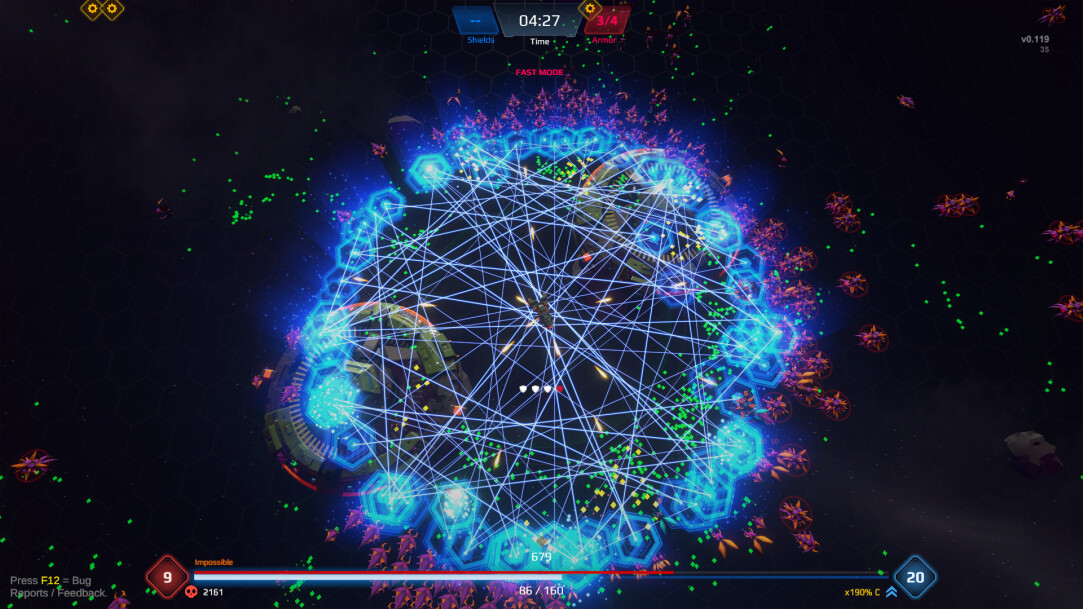
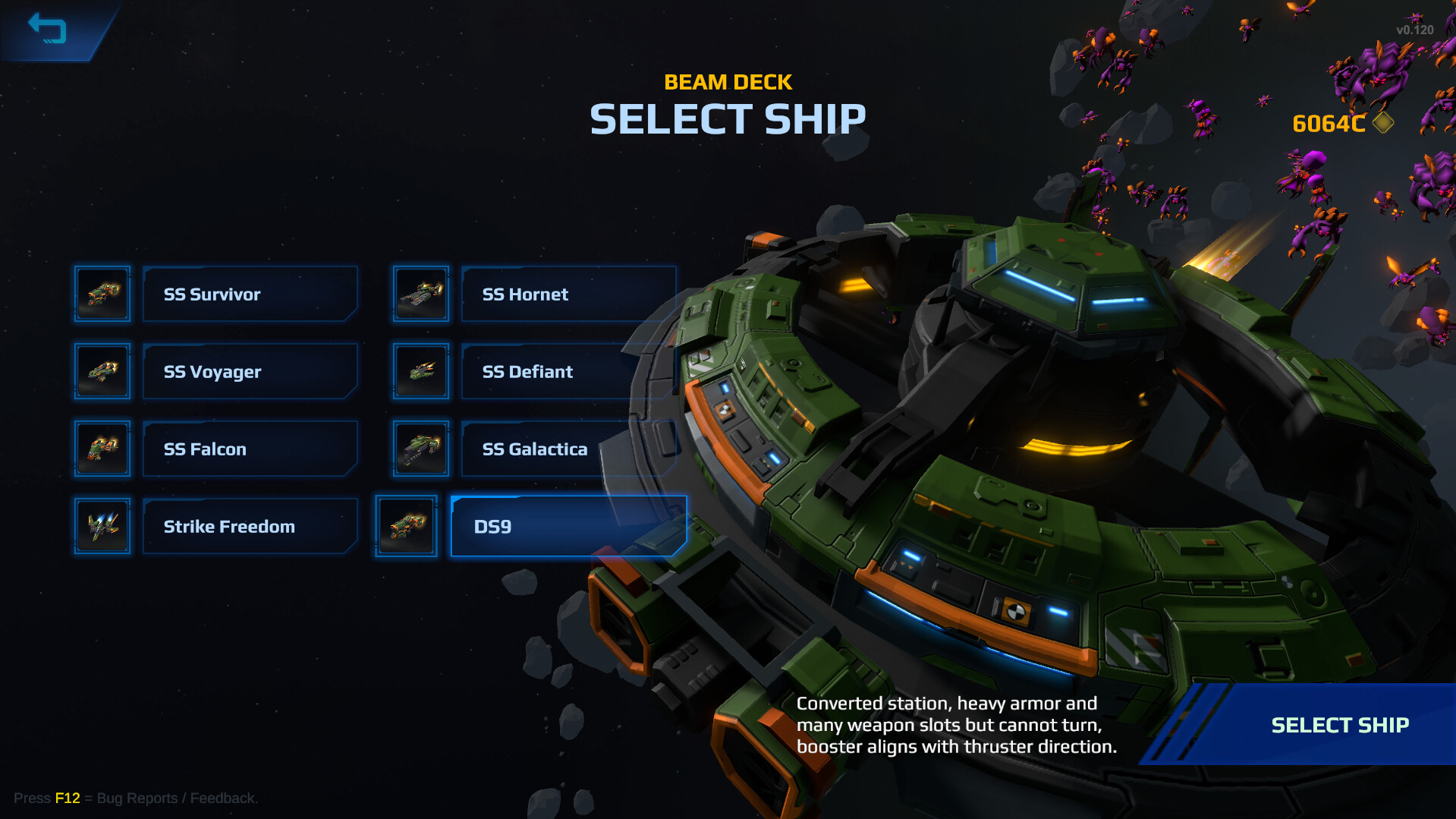
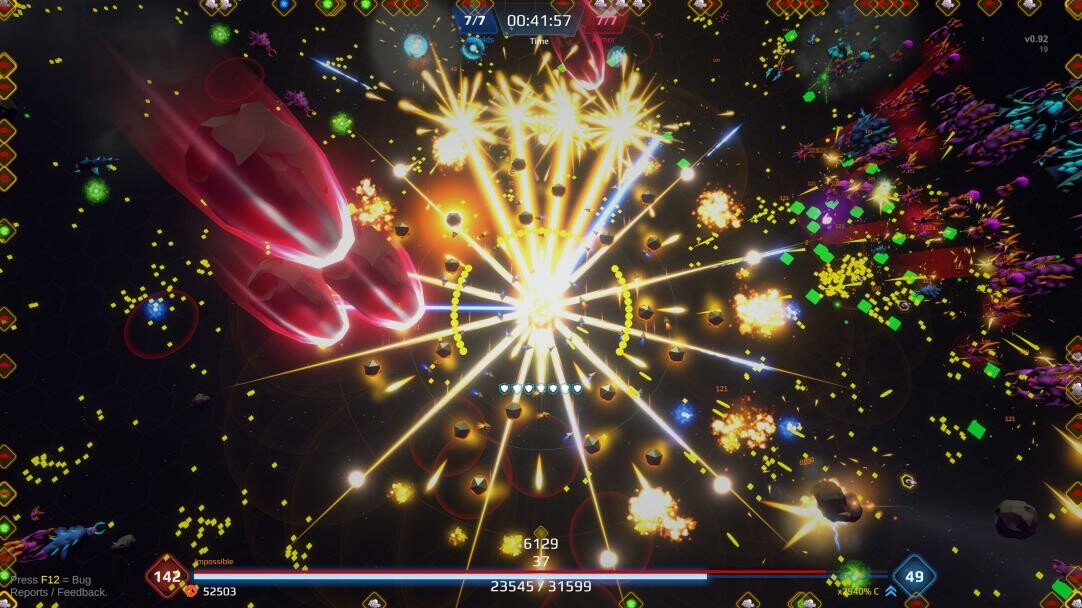
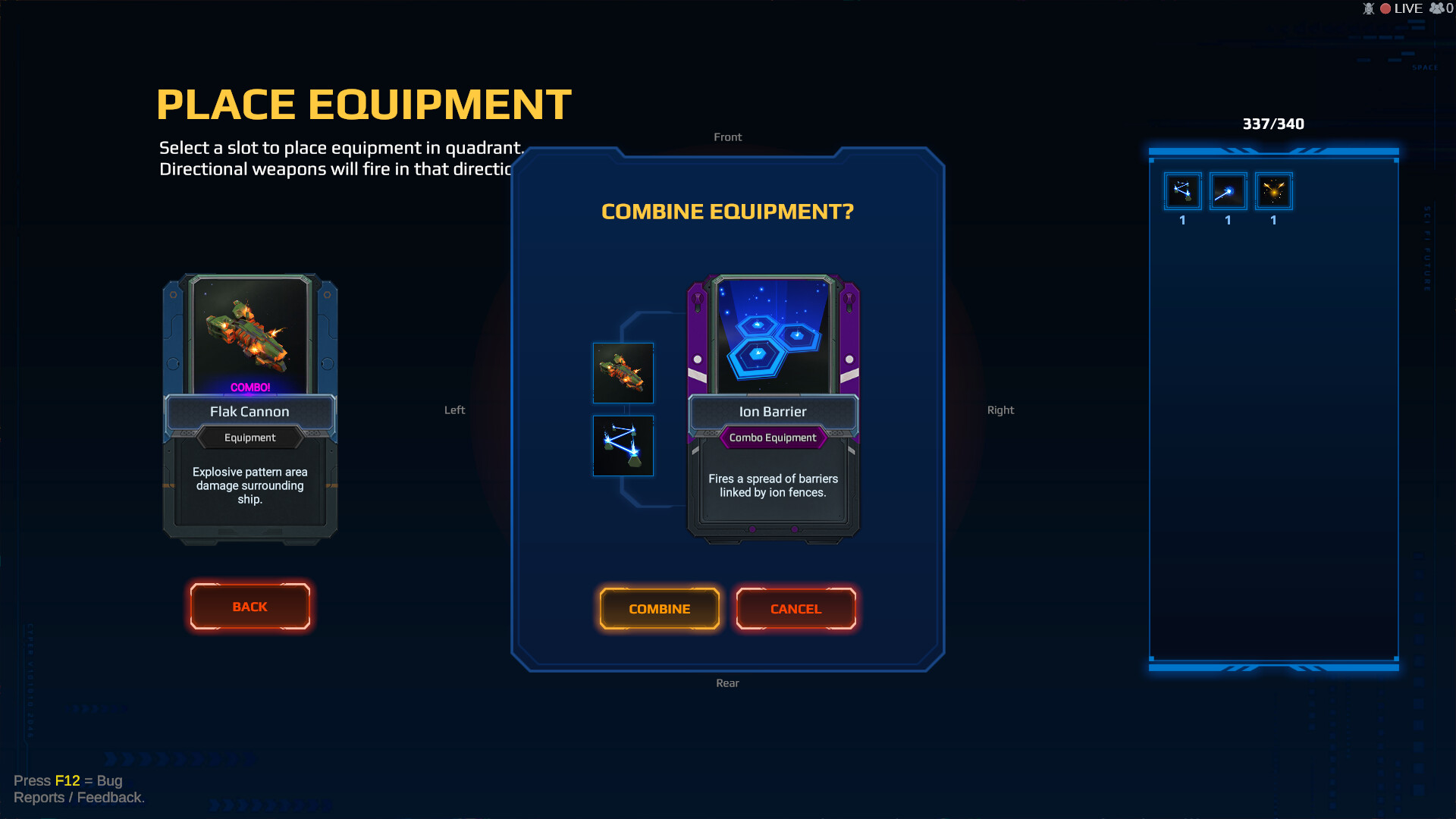
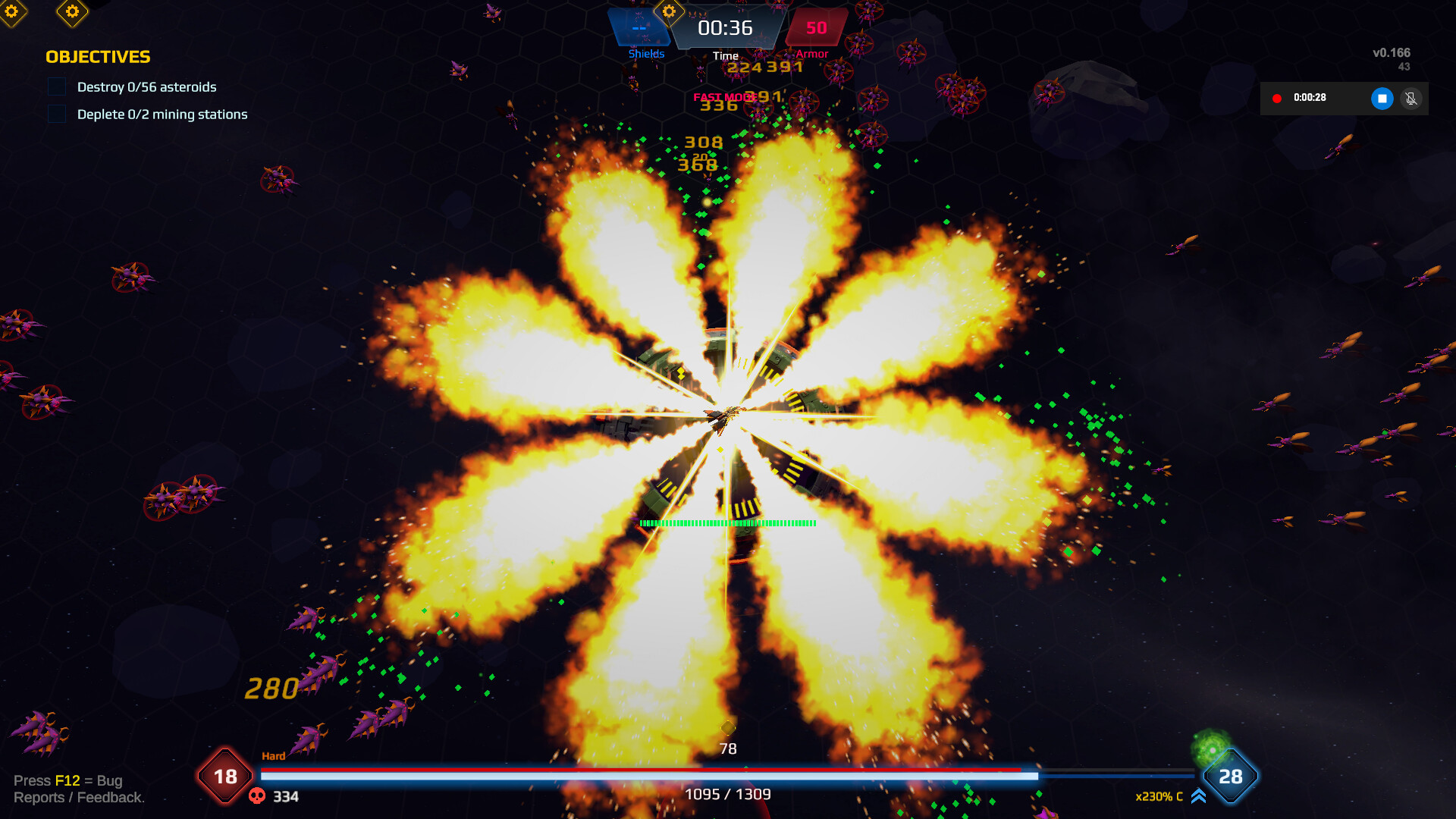
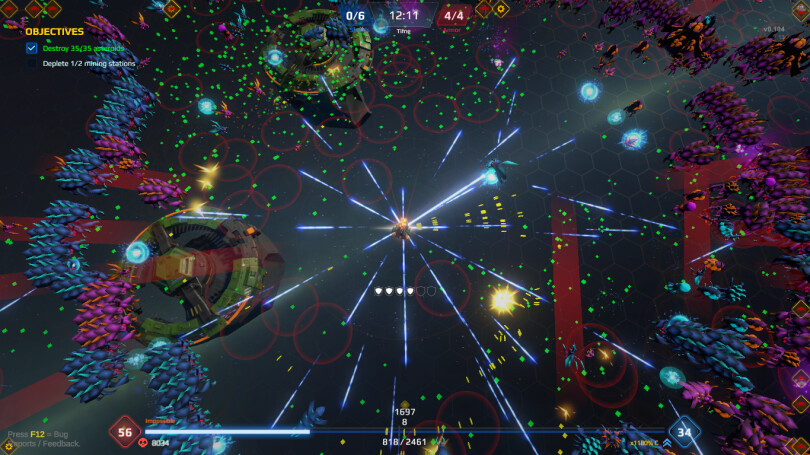
Star Survivor takes the increasingly familiar survivor-style action formula into deep space, but its emphasis on ship construction, deckbuilding, and directional weapon placement gives it an identity beyond simply destroying endless waves of enemies. Developed and published by SpaceOwl Games and Erabit, the game puts the player in control of humanity’s final surviving spacecraft and surrounds it with increasingly aggressive alien threats. The objective is straightforward: remain alive while continuously improving the ship until it becomes powerful enough to handle the enormous swarms filling the battlefield. Combat is presented from a top-down perspective and revolves around movement, positioning, automatic attacks, and carefully selected upgrades. Instead of treating the spacecraft as a single weapons platform, the game divides its offensive capabilities across four quadrants. This means weapon placement can influence how effectively the ship responds to enemies approaching from different directions. Some weapons automatically select targets, while others benefit more directly from thoughtful orientation and positioning. It creates an additional tactical consideration that helps make movement more meaningful than simply avoiding collisions and incoming attacks. Deckbuilding is one of the more distinctive elements of the experience. Cards and modules determine how the ship develops during a run, allowing players to pursue combinations that strengthen particular weapons or produce complementary effects. Individual upgrades may seem modest when considered alone, but carefully combining them can dramatically increase their effectiveness. Weapons can also evolve into stronger forms under the appropriate conditions, providing a satisfying sense of escalation as a vulnerable starting vessel gradually becomes a destructive combat machine. Enemy variety keeps the pressure reasonably dynamic. Standard swarming creatures are accompanied by tougher opponents with different behaviors, including chargers, tanks, hatchers, elite enemies, and larger bosses. As enemy density increases, the screen can become extremely busy, forcing players to pay attention to safe movement while trusting their assembled arsenal to eliminate threats. The most entertaining moments occur when a well-designed build reaches the point where multiple weapons and effects are activating together, creating a continuous display of projectiles and destruction. Eight playable ships provide additional opportunities for experimentation. Different vessels introduce characteristics that can significantly alter how a run develops rather than functioning as simple visual alternatives. Some designs support unusual strategies, including mechanics centered on taking damage, deploying supporting units, or using abilities such as concealment. These differences encourage players to reconsider their preferred cards and weapons instead of applying exactly the same build to every vessel. The game also divides its content among Campaign, Challenge, and Endless modes. Campaign provides randomized missions and a stronger sense of progression from encounter to encounter. Challenge mode emphasizes specialized situations and deck construction, making it suitable for players interested in testing specific strategies. Endless mode removes much of the concern about reaching a conventional conclusion and instead asks how long the current build can survive. It is particularly entertaining once a powerful combination has been assembled and the player wants to see how far its damage potential can be pushed. Visually, the game prioritizes clarity and spectacle over realism. The space setting provides an effective backdrop for alien swarms, asteroids, weapons fire, and explosions. Early encounters are relatively easy to read, although advanced battles inevitably become crowded as enemy numbers and weapon effects increase. This visual chaos is partly intentional and contributes to the power fantasy, but it can occasionally become difficult to distinguish immediate threats when several effects are occurring simultaneously. Repetition is the main limitation. The fundamental routine remains centered on moving through space, destroying enemies, selecting upgrades, and surviving increasingly intense waves. Players who are not naturally interested in optimizing builds may find the experience repetitive sooner than those who enjoy discovering synergies. Random elements can also prevent a planned combination from developing perfectly during every attempt. The automatic nature of much of the offensive combat may similarly disappoint anyone looking for the precision and direct aiming of a traditional twin-stick shooter. Despite those limitations, the progression system gives repeated runs a worthwhile purpose. Experimenting with cards, modules, weapon evolution, ship characteristics, and different combinations creates plenty of opportunities to discover unexpectedly effective setups. The satisfaction comes less from mechanical shooting skill and more from creating an efficient combat system and then successfully positioning the ship while that system operates. When a build comes together properly, watching enemies disappear almost as quickly as they enter the battlefield is genuinely rewarding. Steam Deck compatibility is officially categorized as Playable rather than fully Verified. Performance with the default graphics configuration is considered suitable, and the game can run successfully on SteamOS. However, handheld players should expect compromises. Some functionality is not fully accessible through the default controller configuration, touchscreen interaction or a community controller layout may occasionally be useful, and text entry can require manually opening the virtual keyboard. Some interface text may also appear small, while certain prompts can display keyboard, mouse, or non-Steam Deck controller icons. It is therefore functional on the Deck, but the experience is less seamless than a fully optimized handheld release. Overall, Star Survivor offers an enjoyable combination of space combat, roguelite progression, deckbuilding, and survivor-style action. The four-sided weapon arrangement and card-based customization provide additional strategic depth, while multiple ships and game modes encourage experimentation. Repetition and increasingly cluttered battles prevent it from being exceptional in every respect, but its interconnected upgrade systems make constructing powerful spacecraft consistently satisfying. Rating: 7/10
I can understand why some of the negative reviews are upset at the missed potential of this game, but for $4.99 USD, the fun I am getting out of it is well worth the purchase price. If you are looking for a space themed survivor style game with complex builds (which the game is not going to hold your hand to figure out how to optimize), then this is going to be your jam.
Similar games
View all

Time Wasters
Time Wasters is a space shooter bullet heaven roguelite. Equip and upgrade weapons, destroy swarms of enemies, and collect Time & Space Cubes to bend the timeline to your advantage.

Artifact Seeker: Resurrection
Artifact Seeker: Resurrection is a 3D Roguelike Survivor RPG game. Aurorium continent is just a board of gods game. You can obtain artifacts by slaying enemies. How to use the power of artifacts, to play the game of gods? To end the game ? Or just be a god yourself. Artifact Seeker, Your choice.



Voids Vigil
Blast through robotic hordes in this arena auto-battler rogue-lite Brotato-like. Use auto-firing weapons and drones, timely dashes and special abilities to reach the Void where a final Conservator awaits convergence. Spend your Cogs wisely within the varied shops to create unique builds!

Rocket Rats
Rocket Rats is a survivors-like game where you defeat cheese-based astral bodies in space – as a rat! Clear waves of enemies, collect cheese, upgrade your gear, and conquer the moon!

Extremely Powerful Capybaras
Become the bullet hell as a Capybara in this roguelite adventure! Brave the chaos solo or with up to 4 friends, forge your path through hordes of enemies, gather capy-powering weapons & skills and embrace your inner capybara in this action-packed bullet heaven frenzy!
Brotato
Brotato is a top-down arena shooter roguelite where you play a potato wielding up to 6 weapons at a time to fight off hordes of aliens. Choose from a variety of traits and items to create unique builds and survive until help arrives.
Dark Fairy Tale: Dreamland Survivors
This is a top-down, auto-shooting roguelike that can be played entirely one-handed. Players take on the role of Pinocchio, fallen into a nightmare, collecting forbidden Dream Eggs that grant ever-changing offensive and survival abilities. Slay twisted fairy tale creatures in endless nightmares!
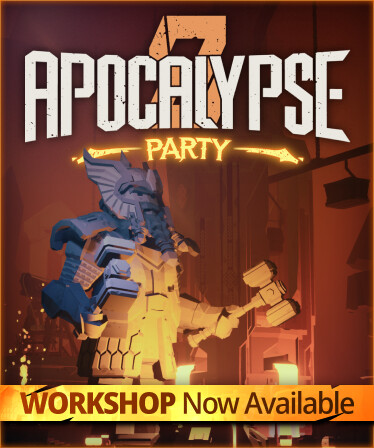
Apocalypse Party
Apocalypse Party is a 3D top-down action Roguelike game. In this game, you will embark on a new mission to traverse through the Middle Ages and gradually master abilities, and arm yourself to become the strongest survivor through numerous choices.
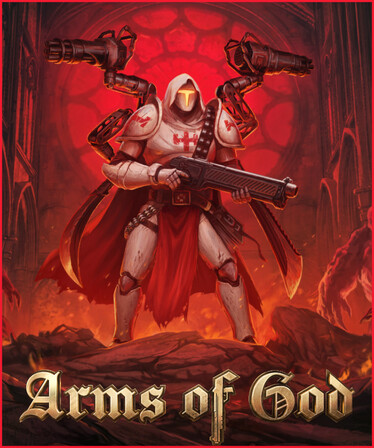
Arms of God
Gear up for a battle through hell in this roguelite Bullet Heaven Arena Autoshooter with Doom-inspired gore vibes, metal music, and a satisfying combat feel. Wield five weapons at once, upgrade and merge them to forge indestructible builds, and bring divine justice to a world on the brink of chaos.
Frequently Asked Questions
Star Survivor is currently priced at 4.99€ on Steam.
No, Star Survivor is currently not on sale. You can purchase it for 4.99€ on Steam.
Yes, Star Survivor received 376 positive votes out of a total of 539 achieving a rating of 6.68.
😐
Star Survivor was developed and published by SpaceOwl Games and Erabit.
Yes, Star Survivor is playable and fully supported on Windows.
No, Star Survivor is not playable on MacOS.
No, Star Survivor is not playable on Linux.
Yes, Star Survivor is playable on Steam Deck, though it might require a few minor tweaks. Make sure to check the Steam store page and community feedback on ProtonDB for exact compatibility details.
Yes, Star Survivor is playable on Steam Machine, though it might require a few minor tweaks. Make sure to check the Steam store page and community feedback on ProtonDB for exact compatibility details.
No, Star Survivor does not support VR.
Star Survivor is a single-player game.
No, Star Survivor does not currently offer any DLC.
No, Star Survivor does not support mods via Steam Workshop.
No, Star Survivor does not support Steam Remote Play.
Yes, Star Survivor is enabled for Steam Family Sharing. This means you can share the game with authorized users from your Steam Library, allowing them to play it on their own accounts. For more details on how the feature works, you can read the original Steam Family Sharing announcement or visit the Steam Family Sharing user guide and FAQ page.
You can find solutions or submit a support ticket by visiting the Steam Support page for Star Survivor.
Data sources
The information presented on this page is sourced from reliable APIs to ensure accuracy and relevance. We utilize the Steam API to gather data on game details, including titles, descriptions, prices, and user reviews. This allows us to provide you with the most up-to-date information directly from the Steam platform.
Additionally, we incorporate data from the SteamSpy API, which offers insights into game sales and player statistics. This helps us present a comprehensive view of each game's popularity and performance within the gaming community.
Last Updates| Steam data | 23 September 2026 00:22 UTC |
|---|---|
| SteamSpy data | 26 September 2026 20:15 UTC |
| Steam price | 01 October 2026 03:11 UTC |
| Steam reviews | 25 September 2026 13:54 UTC |
If you'd like to dive deeper into the details about Star Survivor, we invite you to check out a few dedicated websites that offer extensive information and insights. These platforms provide valuable data, analysis, and user-generated reports to enhance your understanding of the game and its performance.
- SteamDB - A comprehensive database of everything on Steam about Star Survivor
- SteamCharts - Analysis of Star Survivor concurrent players on Steam
- ProtonDB - Crowdsourced reports on Linux and Steam Deck Star Survivor compatibility

Game modes
Features
Online players
1
Developer
SpaceOwl Games,
Erabit
Publisher
SpaceOwl Games,
Erabit
Release
20 Sep 2024
Platforms
Clicking and buying through these links helps us earn a commission to maintain our services.