
Tzar: The Burden of the Crown
Tzar: The Burden of the Crown is an RTS classic by Haemimont Games, originally released in 2000
Sync your Steam wishlist to find the lowest game prices instantly. No login required, just paste your Steam profile URL!
⚡ Try Wishlist Radar!
Sync your Steam wishlist to find the lowest game prices instantly. No login required!
⚡ Try Wishlist Radar!
Close

Sacrifice on Steam
Quick menu
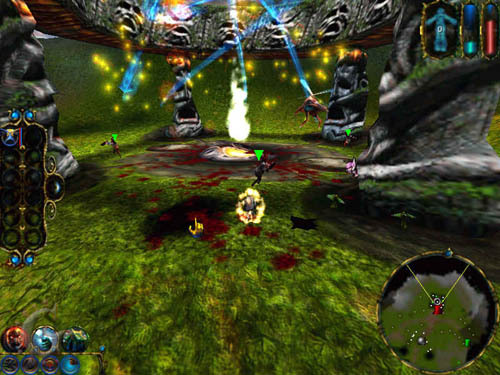
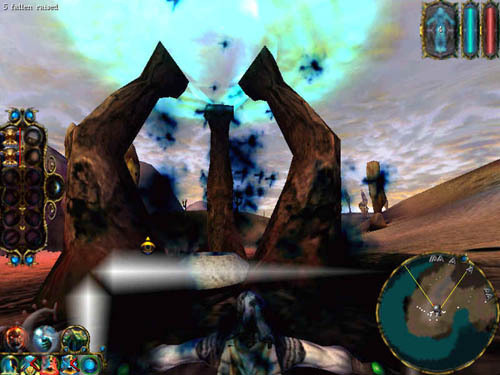
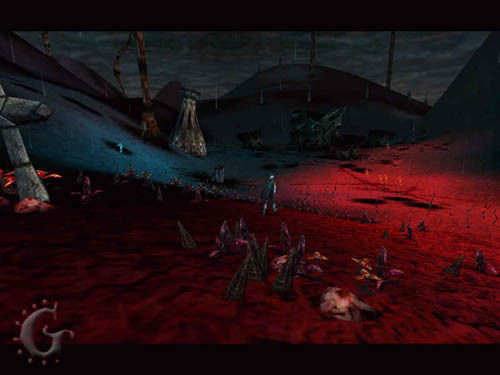
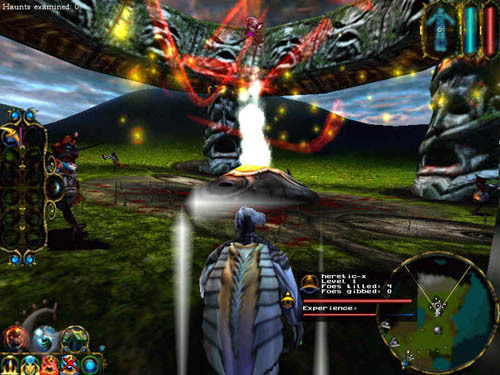
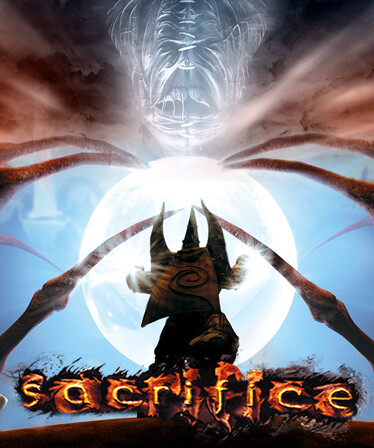
Sacrifice is the acclaimed real-time strategy game that focuses on combat instead of resource gathering. The only two resources you'll need to worry about are mana and souls. Need more units? Capture the souls of your enemy. Cast spells of awesome power.
Sacrifice is a strategy, rts and classic game
developed by Shiny Entertainment
and published by Interplay Inc..
Released on August 19th 2009 is available on Windows, Steam Deck and Steam Machine
in 5 languages: English, French, German, Italian and Spanish - Spain.
It has received 670 reviews of which 610 were positive and 60 were negative resulting in a rating of 8.5 out of 10. 😎
The game is currently priced at 24.50€ on Steam.
The Steam community has classified Sacrifice into these genres:
Strategy
RTS
Classic
Third Person
Fantasy
Surreal
Real-Time
Magic
Singleplayer
RPG
Multiplayer
Action
Here is the detailed breakdown of supported languages for Sacrifice:
| UI | Subtitle | Audio | |
|---|---|---|---|
| English | |||
| German | |||
| French | |||
| Italian | |||
| Spanish - Spain |
Media & Screenshots
Get an in-depth look at Sacrifice through various videos and screenshots.
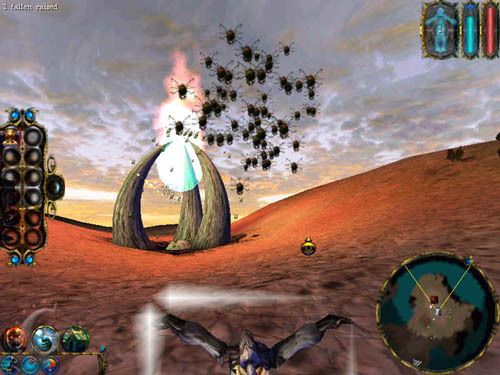
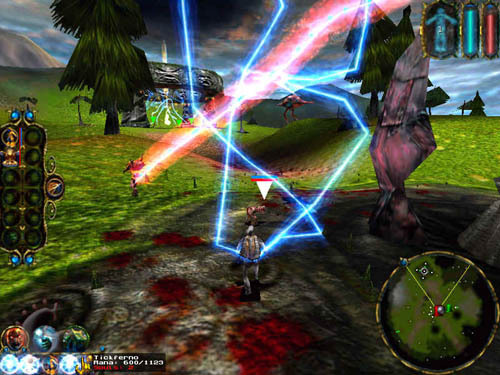
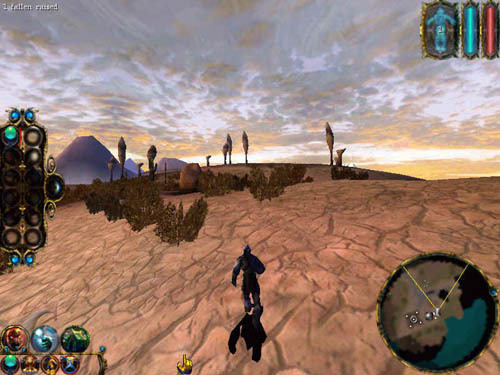
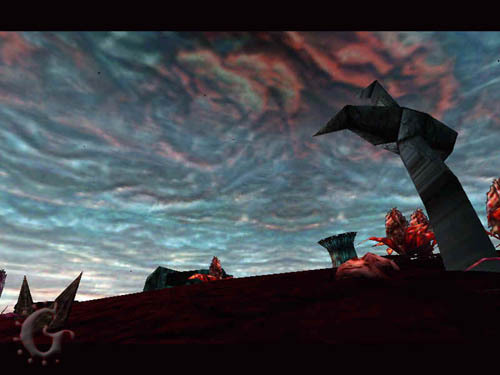
Load More
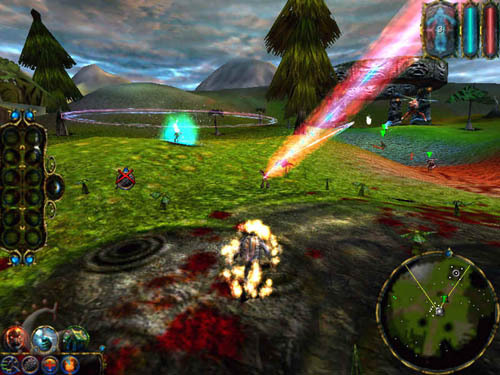
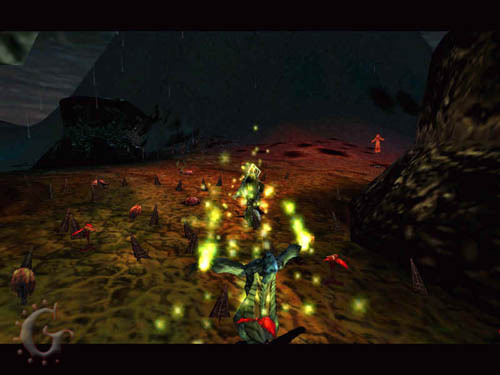
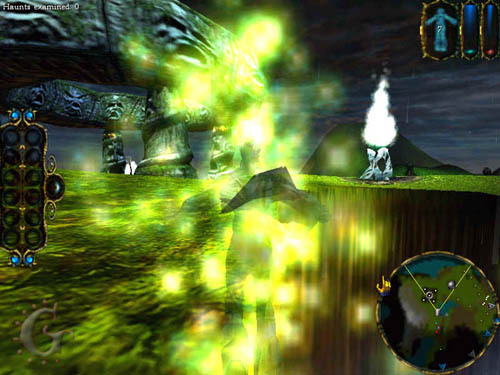
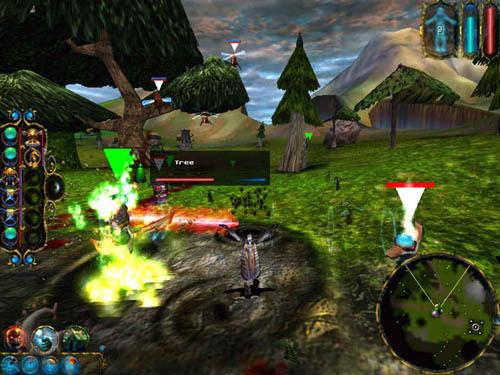
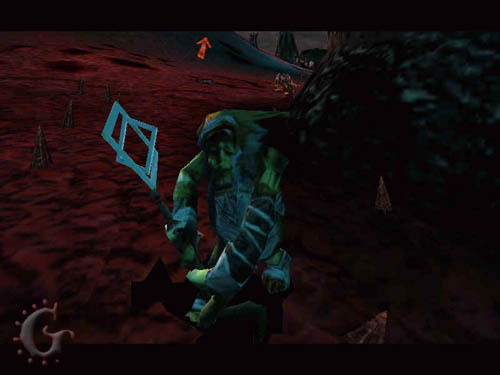
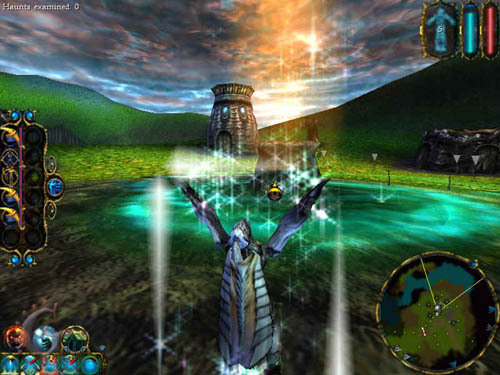
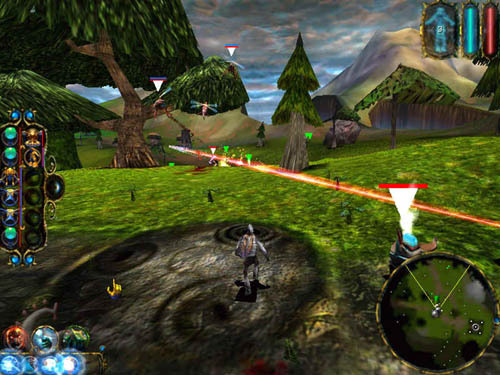
System requirements
These are the minimum specifications needed to play the game. For the best experience, we recommend that you verify them.
Windows
- OS: Windows
- Processor: Pentium 300Mhz
- Memory: 64MB
- Graphics: DirectX
- DirectX®: 7
- Hard Drive: 650MB
- Sound: DirectSound
Steam Price & Best Deals
User reviews & Ratings
Explore reviews from Steam users sharing their experiences and what they love about the game.
+Unique blend of third-person action game and real-time strategy, that no other game has managed to achieve to this day +Stylized art direction aged far more gracefully than most of its contemporaries +Design of characters and creatures makes you feel like you're in the middle of a hallucinogenic trip. +5 different campaigns for the price of one, each with unique missions, spells and creature roosters. You can even switch between gods in the middle of campaign, if your reputation allows it. Extraordinary amount of content and replayability. -Lack of support for modern resolution is making game run poorly on current systems, fortunately there are fixes available in community Discord -Interplay recently quadrupled prices of their classic games to "increase revenue", you don't have to finish business school to know that's a financially horrible idea. (Fly the Jolly Roger, mate!) -Controlling camera and interface requires some getting used to. Overall 9/10. White Raven of gaming, rare, striking, and largely unseen by the world that should have celebrated it If we lived in a good timeline, games like Sacrifice would replace MOBA genre. Fact that nothing has come close to replicating its particular genius in almost three decades speaks for itself.
I played the hell out of this game, when I was 15. I can still recite the entire intro cutscene. Eventually, I finished the campaign with every god. I have no idea whether it still holds up today, and I don't care. Compatability seems a little rickety on Windows 10, but ironically enough it's running perfectly for me under Linux. Time to get back to business.
Sacrifice is truly a hidden gem in the rough. I played this as a kid and to my surprise it still hold up to this day. It's unfortunately overpriced for how old it is but still worth anyone's time who is looking to enjoy an old school classic. It's basically a 3rd person Age Of Empires and does it very well.
Similar games
View all
Sudden Strike Gold
Set in World War 2, Sudden Strike offers revolutionary real-time-strategy gameplay. Command Russian, German, French, American and British armies in large scale battles including urban warfare, beach landings and aerial invasions. Whichever tactics you choose, you will find it in Sudden Strike!
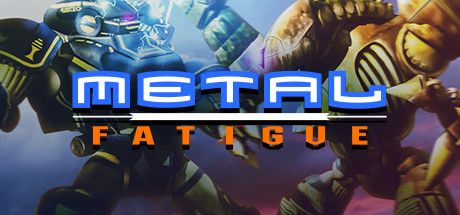
Metal Fatigue
Metal Fatigue is a real-time strategy game taking the genre to new heights - literally. Build and customize your massive Combots to dominate the three battlefield levels simultaneously - from orbit, to the surface, and even underground!
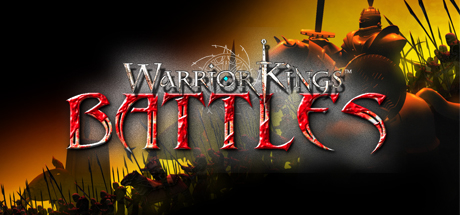
Warrior Kings: Battles
Warrior Kings: Battles maintains the excitement that made Warrior Kings a leading RTS. It is a stand-alone title that adds a new strategic and tactical dimension to the series.
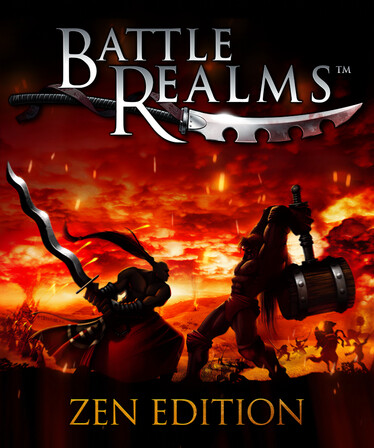
Battle Realms: Zen Edition
Return of the Classic, now remastered! Battle Realms is a fantasy RTS inspired by the stories told in martial- arts movies and oriental mythology. Develop your peasants into a highly trained and deadly efficient clan of warriors who are ready to die with your name on their lips.

Heroes of Annihilated Empires
Heroes of Annihilated Empires - is a fantasy-based game from GSC Game World in the genre of RTS vs RPG for PC. 4 unique races awaits for the heroes, who want to fight in an Epic scale battles!
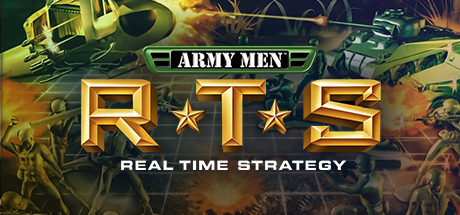
Army Men RTS
Army Men RTS brings you back to the days of staging battles with tiny plastic soldiers in your backyard...except these green soldiers carry out your every command!
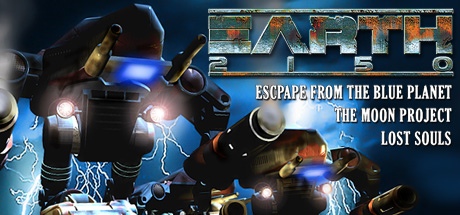
Earth 2150 Trilogy
Your heroes and your armies will need strong leadership to take them on a spellbinding odyssey that has everything a gamer’s heart could wish for breathtaking worlds in space, battles against cunning enemies and even downright treason from your own government faction - are you up to it?
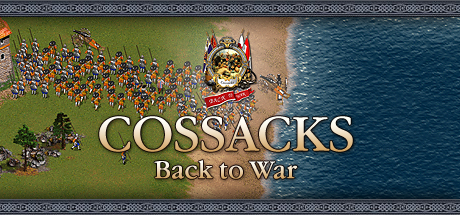
Cossacks: Back to War
Cossacks: Back to War contains all of the gameplay features of Cossacks: European Wars and Cossacks: The Art of War, this is a complete care package for all current and future Cossacks fans. This add-on contains two new nations: Switzerland and Hungary.
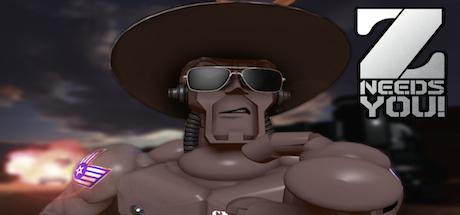
Z
“Z”, the classic Real Time Strategy Game by the Bitmap Brothers. Fans of this classic strategy title are in for a real treat. Everything is in here from the terrific comedy cut scenes to the frantic game play making this is the definitive version of Z.
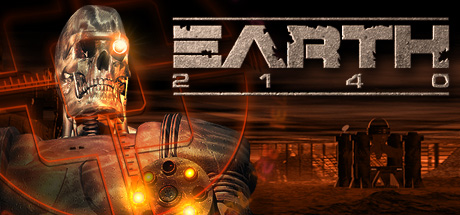
Earth 2140
The year is 2140. After numerous wars and several environmental disasters, only two world powers remain; the United Civilized States (»UCS«), covering the American continent, Western Europe and North Africa, and the Eurasian Dynasty (»ED«) covering the coherent landmasses of Eastern Europe and Asia.

SpellForce - Platinum Edition
Included in the Platinum Edition are three titles:SpellForce: The Order of DawnIn a world beyond imagination...In their immeasurable greed and constant thirst for power, the thirteen most powerful Mages of all time doomed the land, hurling it into an endless spiral of chaos and despair.
Frequently Asked Questions
Sacrifice is currently priced at 24.50€ on Steam.
No, Sacrifice is currently not on sale. You can purchase it for 24.50€ on Steam.
Yes, Sacrifice received 610 positive votes out of a total of 670 achieving a rating of 8.53.
😎
Sacrifice was developed by Shiny Entertainment and published by Interplay Inc..
Yes, Sacrifice is playable and fully supported on Windows.
No, Sacrifice is not playable on MacOS.
No, Sacrifice is not playable on Linux.
Yes, Sacrifice is playable on Steam Deck, though it might require a few minor tweaks. Make sure to check the Steam store page and community feedback on ProtonDB for exact compatibility details.
Yes, Sacrifice is playable on Steam Machine, though it might require a few minor tweaks. Make sure to check the Steam store page and community feedback on ProtonDB for exact compatibility details.
No, Sacrifice does not support VR.
Sacrifice is a single-player game.
No, Sacrifice does not currently offer any DLC.
No, Sacrifice does not support mods via Steam Workshop.
No, Sacrifice does not support Steam Remote Play.
Yes, Sacrifice is enabled for Steam Family Sharing. This means you can share the game with authorized users from your Steam Library, allowing them to play it on their own accounts. For more details on how the feature works, you can read the original Steam Family Sharing announcement or visit the Steam Family Sharing user guide and FAQ page.
You can find solutions or submit a support ticket by visiting the Steam Support page for Sacrifice.
Data sources
The information presented on this page is sourced from reliable APIs to ensure accuracy and relevance. We utilize the Steam API to gather data on game details, including titles, descriptions, prices, and user reviews. This allows us to provide you with the most up-to-date information directly from the Steam platform.
Additionally, we incorporate data from the SteamSpy API, which offers insights into game sales and player statistics. This helps us present a comprehensive view of each game's popularity and performance within the gaming community.
Last Updates| Steam data | 24 September 2026 09:33 UTC |
|---|---|
| SteamSpy data | 01 October 2026 17:14 UTC |
| Steam price | 09 October 2026 03:03 UTC |
| Steam reviews | 07 October 2026 09:53 UTC |
If you'd like to dive deeper into the details about Sacrifice, we invite you to check out a few dedicated websites that offer extensive information and insights. These platforms provide valuable data, analysis, and user-generated reports to enhance your understanding of the game and its performance.
- SteamDB - A comprehensive database of everything on Steam about Sacrifice
- SteamCharts - Analysis of Sacrifice concurrent players on Steam
- ProtonDB - Crowdsourced reports on Linux and Steam Deck Sacrifice compatibility

Game modes
Features
Online players
3
Developer
Shiny Entertainment
Publisher
Interplay Inc.
Release
19 Aug 2009
Platforms