
The Hat Man: Shadow Ward
Based on a true story, discover the horror of the Canton insane asylum as you attempt to rescue your daughter. Experience the scariest game of 2014.
Sync your Steam wishlist to find the lowest game prices instantly. No login required, just paste your Steam profile URL!
⚡ Try Wishlist Radar!
Sync your Steam wishlist to find the lowest game prices instantly. No login required!
⚡ Try Wishlist Radar!
Close

Perception on Steam
Quick menu
An award-winning narrative thriller about a blind woman’s journey to uncover the truth about the mansion from her nightmares, or else become one of its victims.
Perception is a indie, horror and adventure game
developed and published by The Deep End Games.
Released on May 30th 2017 is available only on Windows.
It has received 608 reviews of which 441 were positive and 167 were negative resulting in a rating of 6.9 out of 10. 😐
The game is currently priced at 16.79€ on Steam.
The Steam community has classified Perception into these genres:
Media & Screenshots
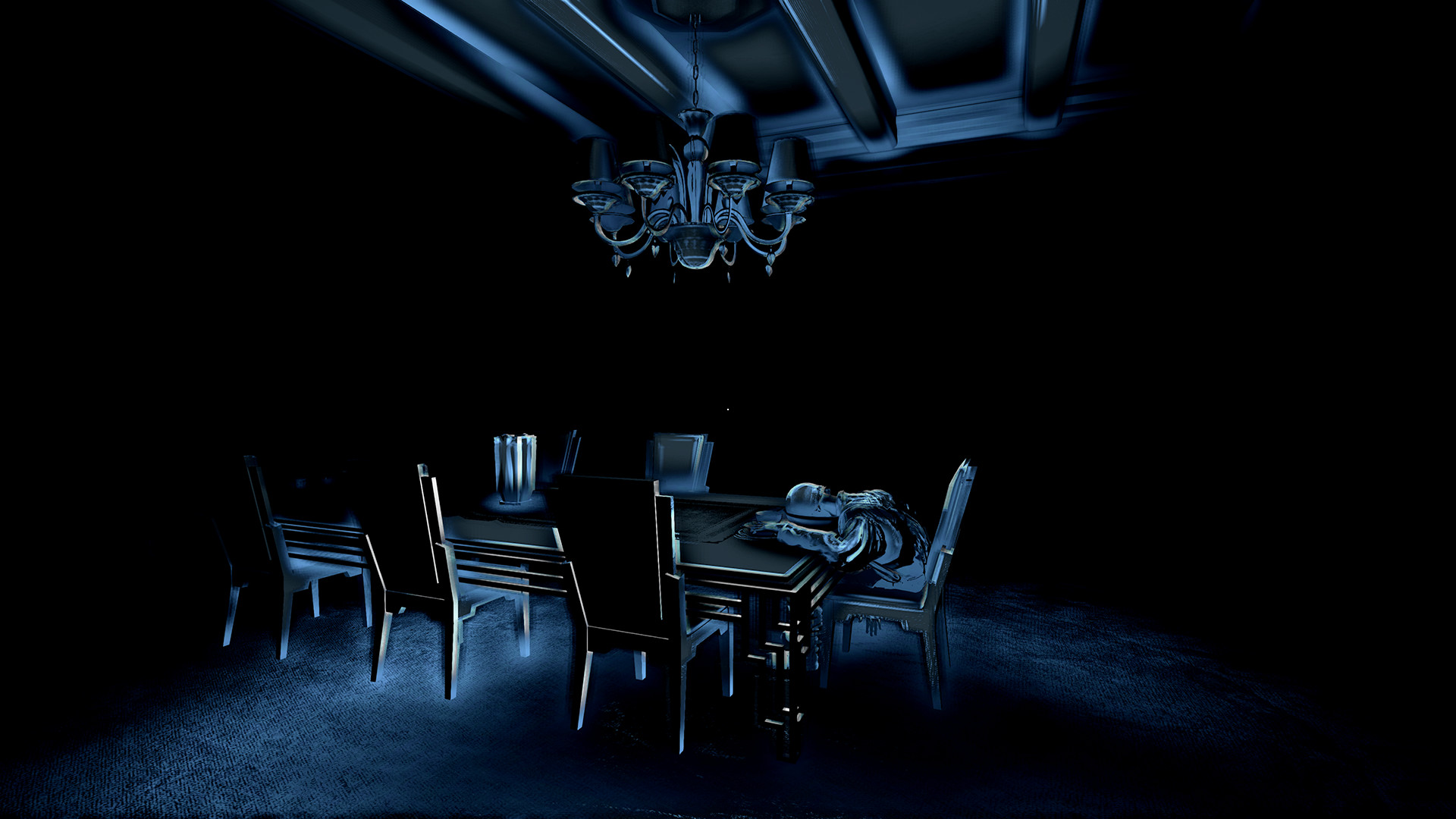
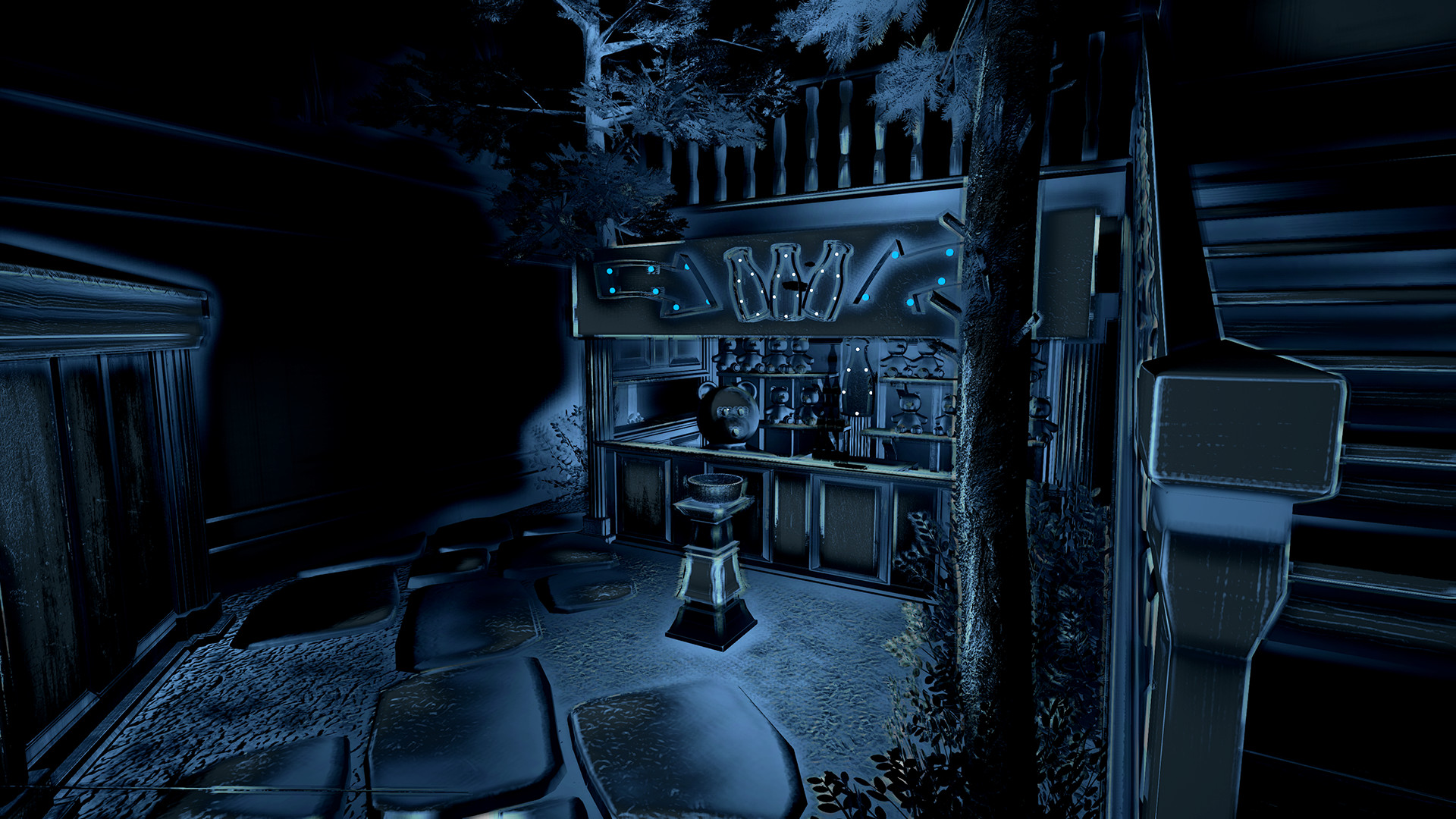
Get an in-depth look at Perception through various videos and screenshots.

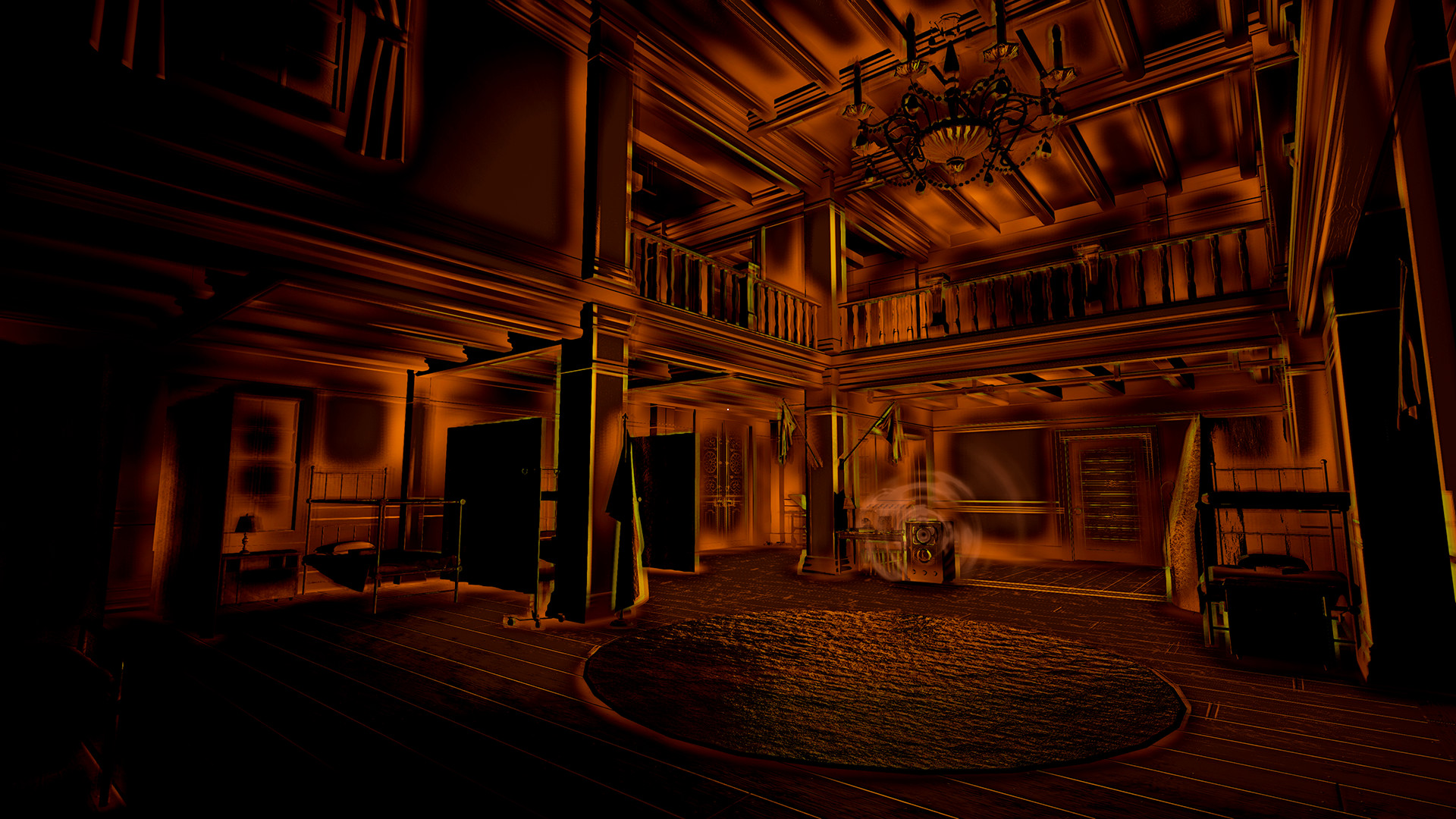

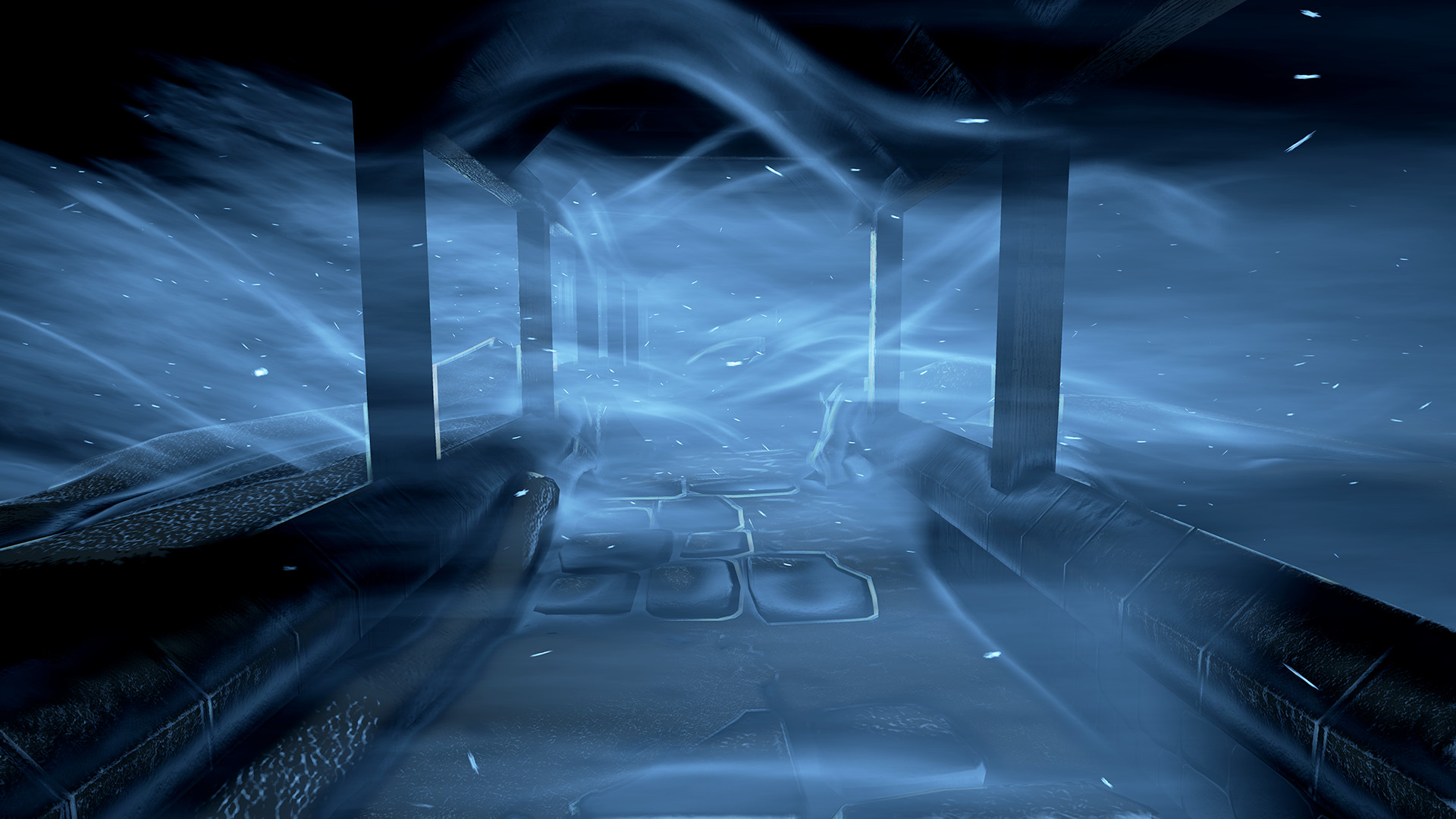
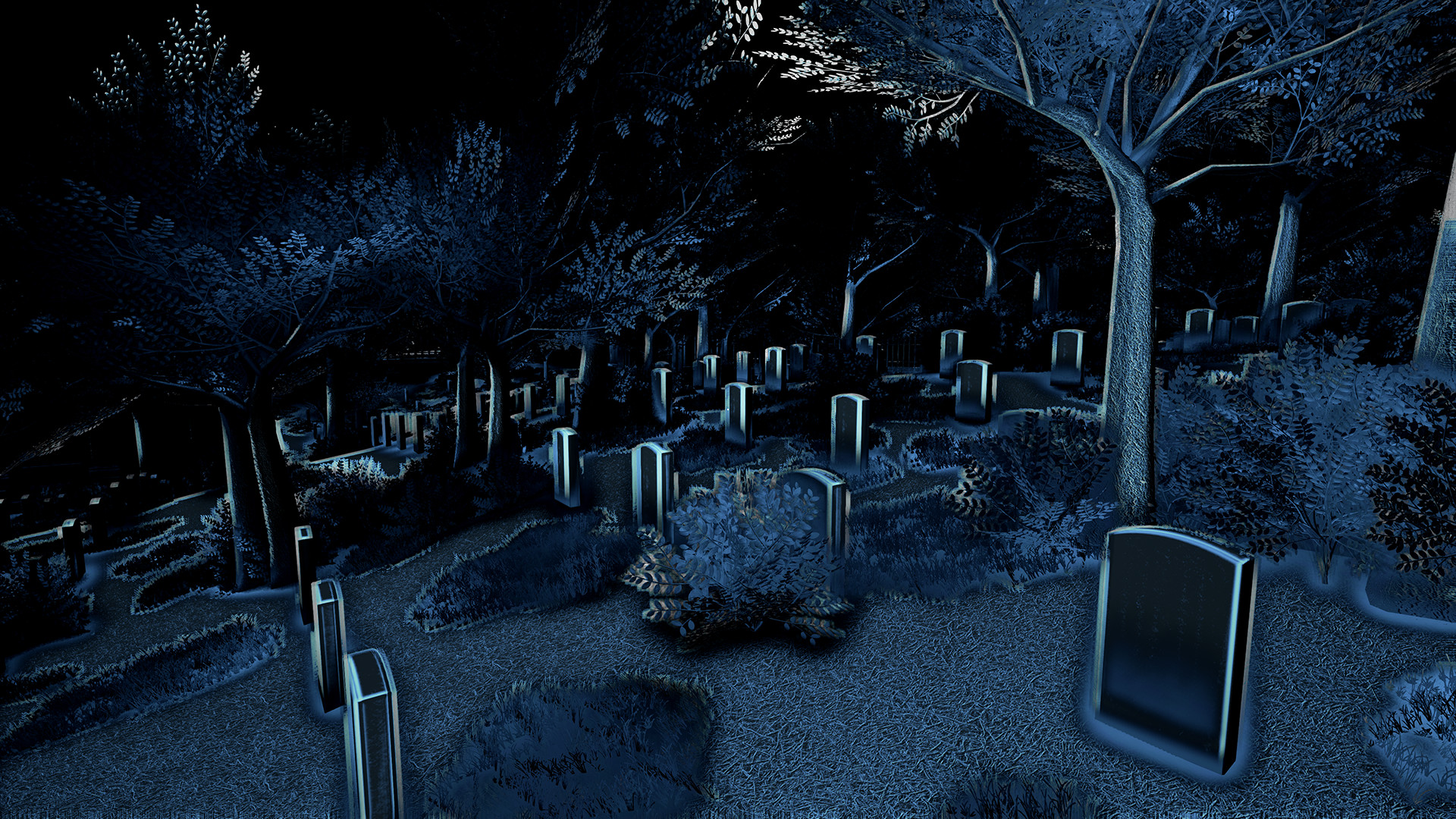
Load More
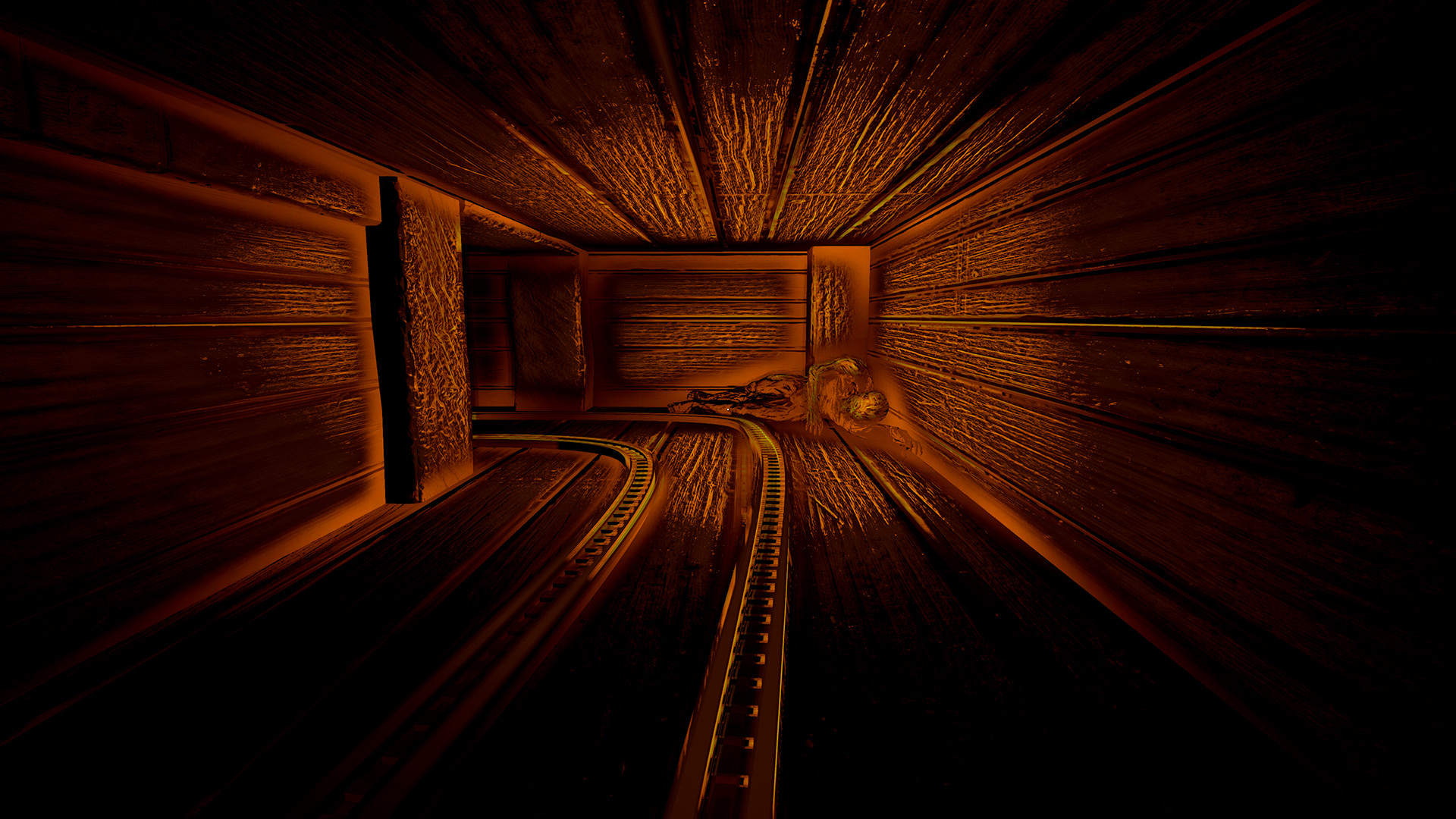
System requirements
These are the minimum specifications needed to play the game. For the best experience, we recommend that you verify them.
Windows
- OS *: Windows 7 (64-bit)
- Processor: Dual core CPU @2.4 GHz +
- Memory: 4 GB RAM
- Graphics: NVIDIA GeForce 470 GTX or Radeon 6870
- Storage: 7 GB available space
Steam Price & Best Deals
User reviews & Ratings
Explore reviews from Steam users sharing their experiences and what they love about the game.
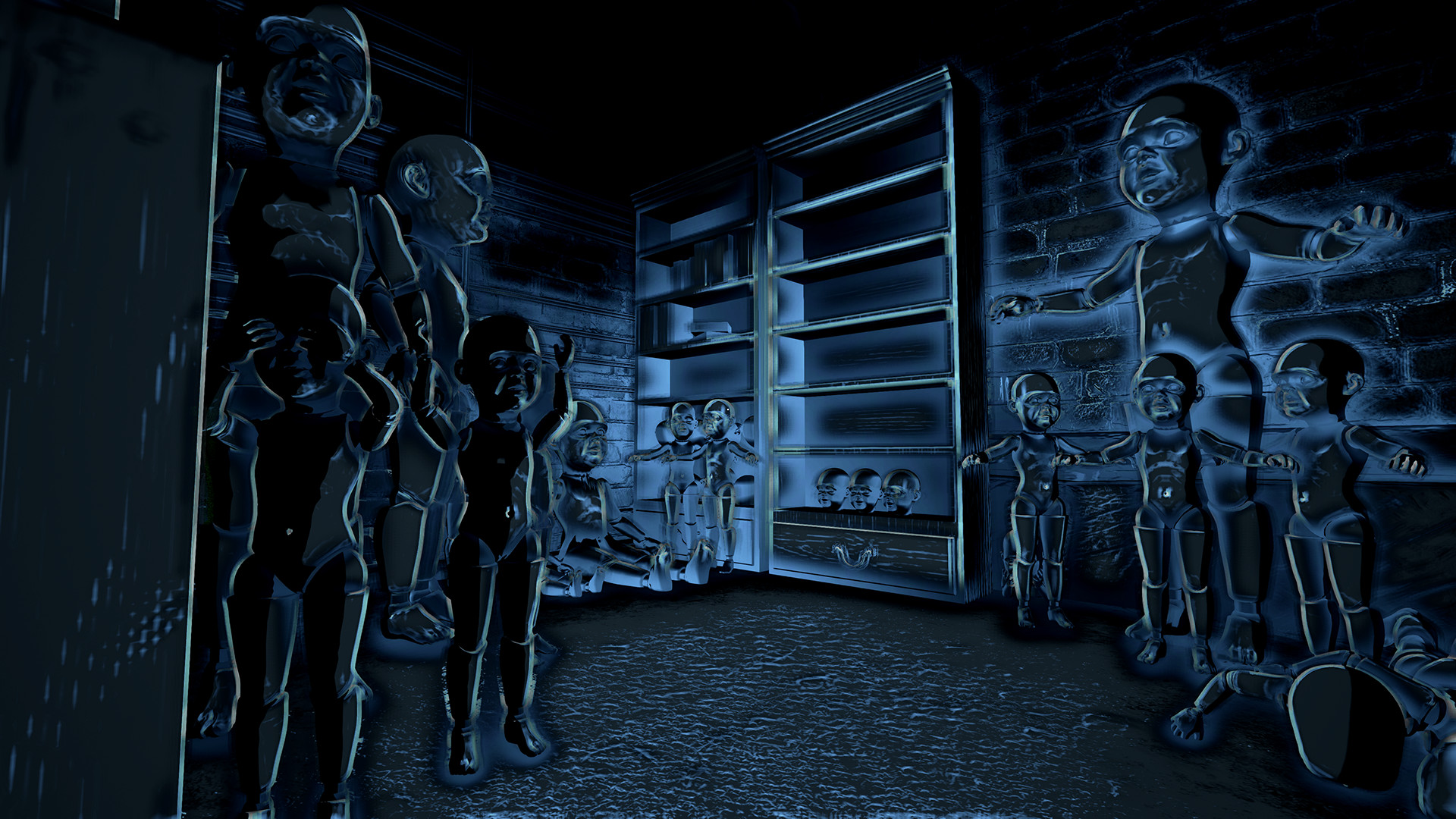
I remember Two Best Friends playing this years ago, and for some reason, it took me this long to play it. It took me 6.2 hours to finish my first playthrough, and 11.4 hours (total) to get the achievements I missed. I enjoyed the gameplay. It was definitely creepy, but it could have been scarier (even on scary mode). Maybe The Prescence could have spawned more often, other than the scripted spawns and when you tap your cane too much (which I was able to avoid during both my playthroughs). More hiding places may had to been added then. The writing was where I felt the game was the weakest. It wasn't that bad, but it wasn't what I was expecting. I was very interested in where the story was going in Chapter 1 with the implied abusive and sexist doctor husband (drugging his wife and/or baby), but it felt like the story dropped that plot and moved onto a different plot with the other chapters (time-travelling) . I wish the whole game was about the characters in Chapter 1 because they are ultimately the most important . I was also hoping there would be more tie backs to Cassie's past at the orphanage , why she has the ability to echolocate, her dreams of the house, and the other characters in her life (like Serge). There are some lose ends as well, like what is The Prescence ? Why does it want to kill all Durhams ? Was Susannah truly a witch and did she curse the land, and if not, why was the house/land cursed? Ultimately, it was a good experience, but f*ck those dolls!
I just finished Perception, and this game is awesome! The mechanics alone make it stand out. You play as a blind protagonist, and instead of traditional sight, you navigate the world through echolocation (kinda like daredevil)! Every sound you make briefly reveals your surroundings. It’s such a simple concept, but the execution is incredible and so interesting. The environment literally builds itself around you in pulses of sound. It’s tense, immersive, and forces you to really think where you're going. Although sound is your lifeline in the game, it can also put you in danger. That balance creates such a unique kind of horror. You’re constantly weighing: do I stay quiet and risk not knowing what’s around me, or do I make noise and risk being noticed? It’s unsettling without relying on cheap scares, and the storytelling feels thoughtful rather than over-explained. Great job!!
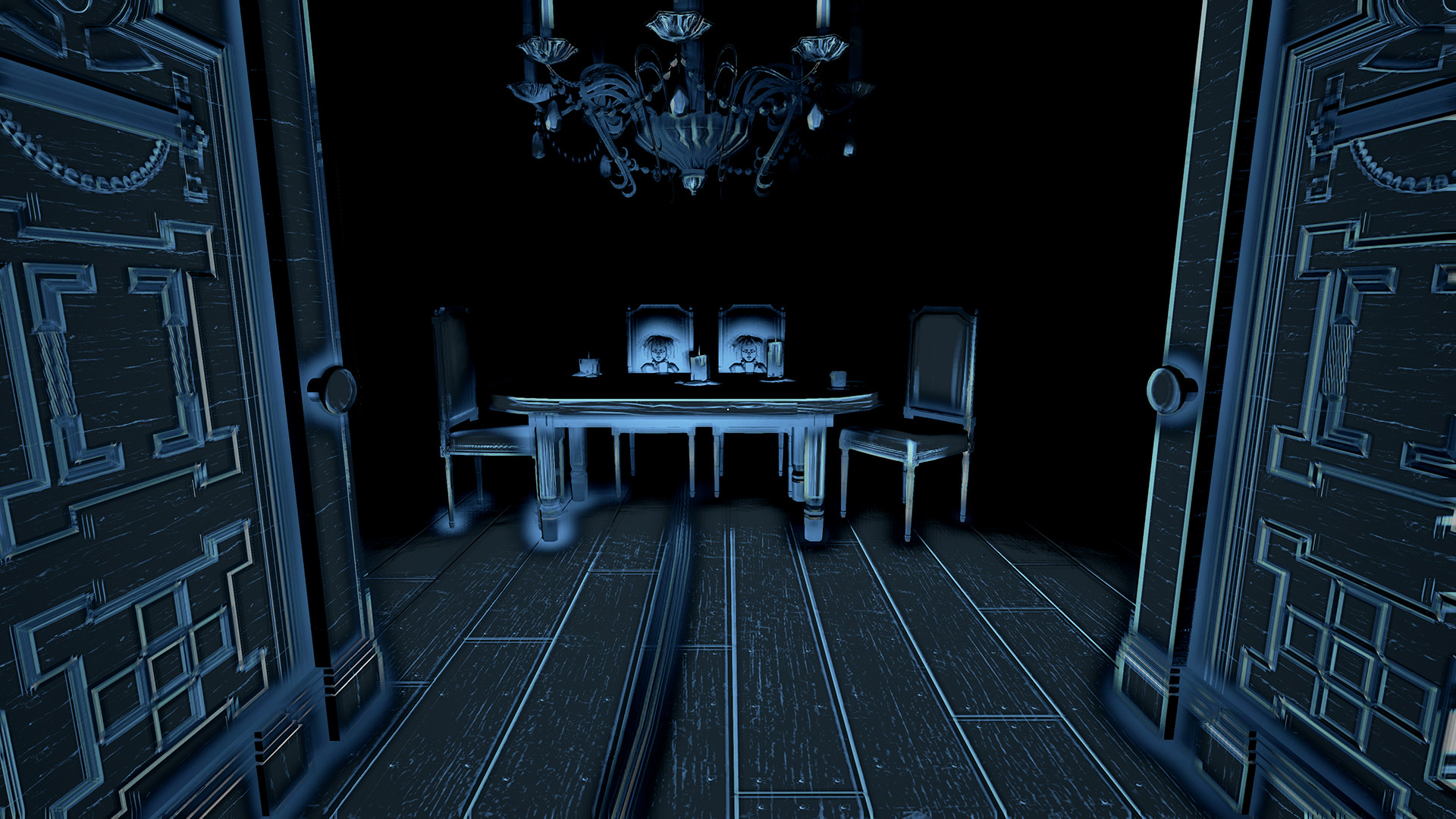
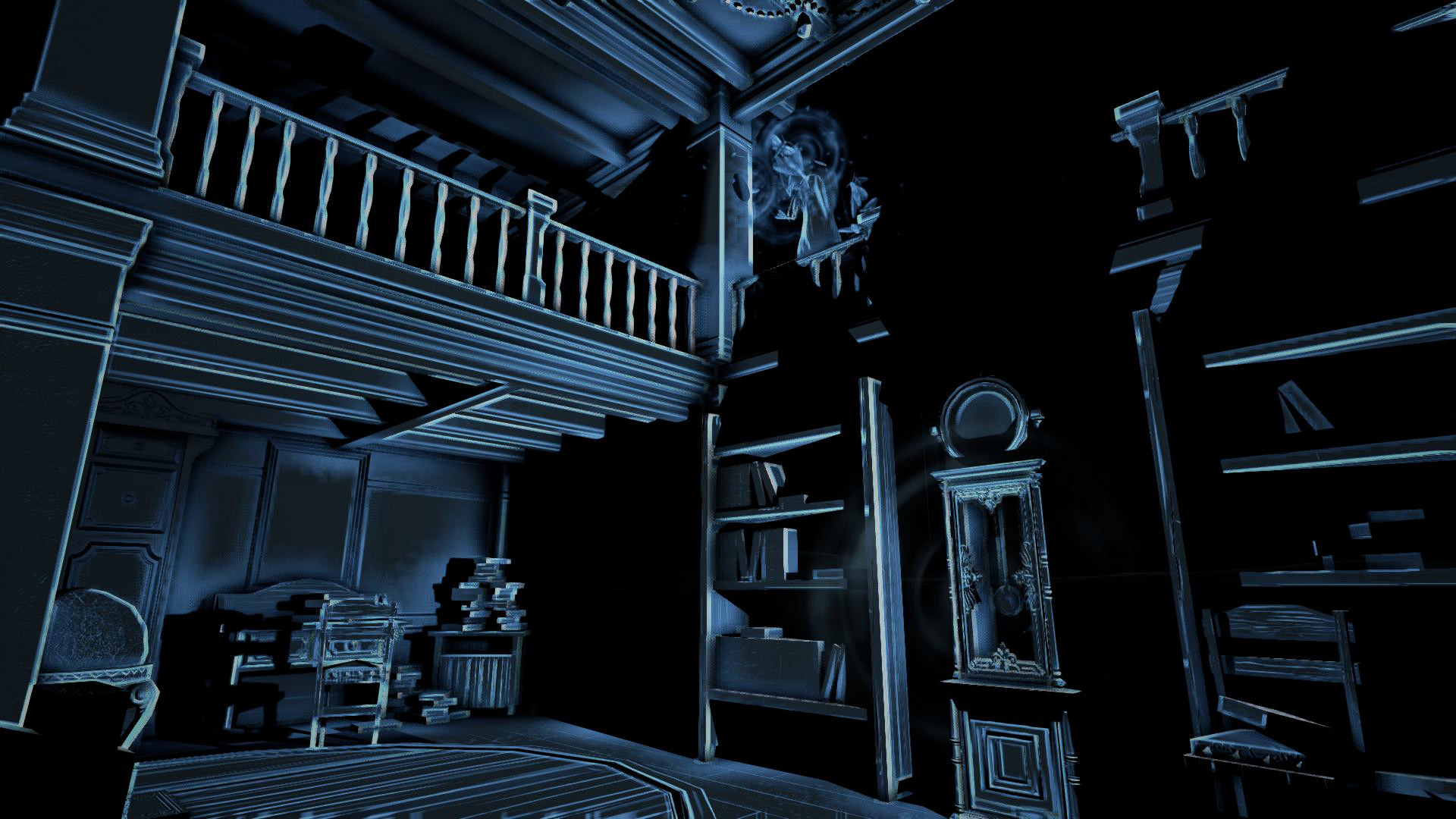
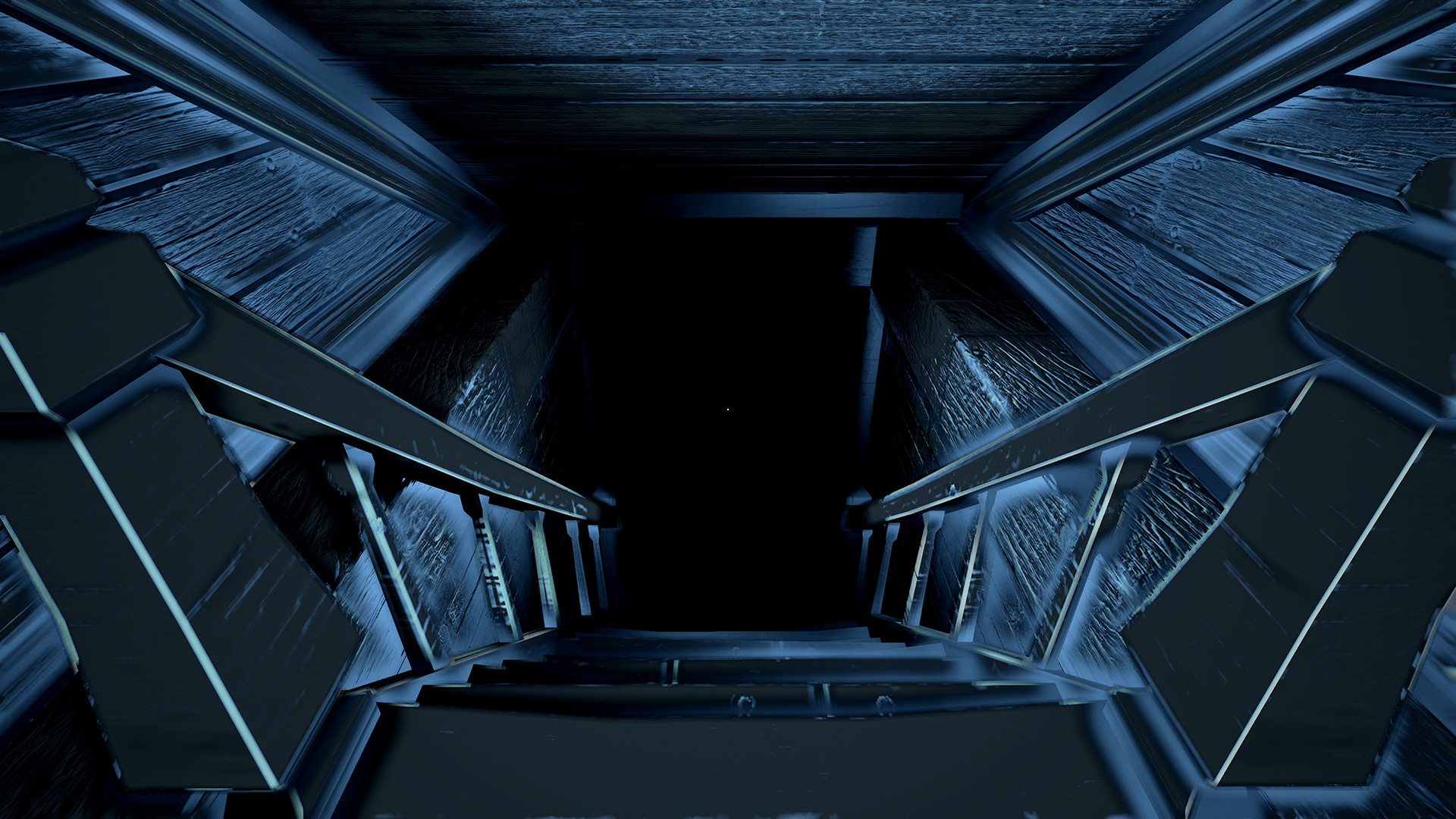
Perception is a distinctive survival-horror experience that builds its entire identity around a single, daring idea: navigating fear through sound rather than sight. Developed and published by The Deep End Games, the game places players in the role of Cassie Thornton, a blind woman drawn to a decaying mansion by recurring nightmares. From the moment the experience begins, Perception makes it clear that it is less interested in traditional horror tropes and more focused on psychological tension, sensory vulnerability, and the unease of navigating an environment where awareness itself can be dangerous. The defining mechanic of Perception is echolocation. Cassie cannot see the world in a conventional sense; instead, players must generate sound to briefly reveal their surroundings. Footsteps, tapping a cane, or interacting with objects sends out ripples of sound that momentarily outline walls, furniture, staircases, and doorways in glowing wireframe silhouettes before fading back into darkness. Remaining still and silent renders the world almost completely black, creating a constant internal conflict between the need to understand the space and the fear of attracting unwanted attention. This mechanic fundamentally reshapes exploration, turning even simple navigation into a calculated risk. That risk is reinforced by the ever-present threat known as The Presence, a supernatural entity that stalks the halls of Echo Bluff whenever too much noise is made. Unlike many horror games, confrontation is not an option; survival depends on awareness, restraint, and timing. This design emphasizes vulnerability over empowerment, aligning perfectly with the game’s thematic focus on fear born from uncertainty. The Presence is used sparingly, which helps maintain tension, though its intermittent appearances can sometimes feel disconnected from exploration rather than seamlessly integrated into it. Echo Bluff itself serves as more than a backdrop; it is the narrative backbone of the experience. As Cassie explores the mansion, the game unfolds across several chapters tied to different periods in the building’s history. Each chapter introduces a self-contained story involving former inhabitants, tragedies, and lingering guilt, gradually revealing how the house became a nexus of suffering. This episodic structure gives variety to the environments and storytelling, shifting tone and visual identity across eras, though it can also make the overarching narrative feel fragmented at times rather than tightly unified. Storytelling in Perception relies heavily on atmosphere, environmental clues, and Cassie’s internal monologue. Audio logs, phone conversations, and discovered objects flesh out the mystery while reinforcing the importance of sound as both a narrative and mechanical tool. Cassie herself is a compelling protagonist, portrayed with empathy and emotional nuance, and her personal connection to the mansion’s history adds weight to the exploration. However, some narrative threads feel underdeveloped, and certain revelations lack the impact suggested by their buildup, reflecting the game’s limited scope rather than a lack of ambition. From an audiovisual standpoint, Perception excels in sound design. Because audio is central to gameplay, every footstep, creak, drip, and echo is carefully tuned to convey spatial information and emotional tension. Wearing headphones significantly enhances the experience, allowing players to orient themselves using directional sound cues. Visually, the game leans into darkness and abstraction, prioritizing contrast and clarity during echolocation moments over detailed textures. While the graphics are not technically impressive, they are functional and thematically consistent, reinforcing the sense of isolation and fragility. Pacing is one of the game’s more divisive aspects. The novelty of echolocation is powerful early on, but extended exploration can become repetitive, especially as environments grow more familiar and objectives become clearer. Puzzle elements are generally light, serving more as navigational challenges than complex problem-solving exercises. For some players, this restraint enhances immersion; for others, it may lead to a feeling that the experience lacks mechanical variety beyond its core concept. Despite these limitations, Perception stands out for its willingness to experiment. It reframes horror around sensory deprivation and forces players to engage with fear in a more cerebral way than jump scares or combat encounters typically allow. The game’s tension arises from self-awareness—every action taken to understand the world also increases the danger within it. That design philosophy gives Perception a unique identity that lingers long after the credits roll. In the end, Perception is not a conventional horror game, nor does it aim to be. It is an atmospheric, idea-driven experience that values mood, vulnerability, and narrative experimentation over polish or spectacle. While its execution may feel uneven in places, its core concept is strong enough to carry the experience for players interested in psychological horror and unconventional mechanics. For those willing to embrace darkness, listen closely, and accept discomfort as part of discovery, Perception offers a haunting journey that is as much about how you experience fear as it is about what you are afraid of. Rating: 7/10
If you've seen Daredevil (Ben Affleck or Charlie Cox, take your pick), then you surely knew Matt Murdock. He uses his enhanced hearing, which is often described as a "radar sense" to perceive his surroundings, which functions similarly to echolocation. While this ability allows him to create a 360-degree mental map of inanimate objects through sound, he primarily uses a combination of sounds like heartbeats and breathing to track living beings in a fight. This more nuanced approach allows for more dynamic combat scenarios in the show or the movie. This game is just like that. But no combat action, just the echolocation. The protagonist named Cassie Thornton is a blind woman, who perceives the world using echolocation. She must use her unique skill to explore a large mansion in Gloucester, Massachusetts and uncover its dark secrets. There are no physical weapons to defend yourself; only sound and wit. When alerted, Cassie must simply run, hide and hope you can outsmart the entities. This is quite a unique horror game unlike many that mostly similar and rely too much on cheap jumpscares. Nothing like that. It's a fresh take of a new kind of gameplay. Similar to other games like Stifled, BlindSide, Muffled Warfare, Pulse, Blind. :3 I love the plot and though not too scary at all, it still delivers the chill and give you goosebumps at the very least. Chillax, no spoilers! It's a great game to enjoy after all of the scariest horrors from books, games or movies. Yes, sometimes we also need to enjoy horror games that seems mild yet delivers deeply, piercing into your mental state. Deep within the brain cells to ponder on things, right after you finish it. Thank you so much, The Deep End Games. Me likey! b(^_^)d
Similar games
View all


Among the Sleep - Enhanced Edition
Among the Sleep: Enhanced Edition is a new and improved version of the award winning first person horror adventure. In the game you play as a small child trapped in a weird nightmare where you go looking for your mom.

Leaving Lyndow
It's Clara's last day on the island where she grew up. She needs to complete preparations, visit her favorite places, and say her goodbyes before leaving on a journey she may not return from.

The Music Machine
A teenage girl and the vengeful ghost possessing her stumble onto horrors of cosmic proportions as the latter searches for a way to murder the former.


Caligo
Caligo is the darkness everyone descends into one way or another, and to each of us it's something different. For some it's a short but exciting adventure, some will see it as a place to relax. Yet others will be reminded of their worst nightmare, while for a few, it might come as a revelation.

Pamali: Indonesian Folklore Horror
A narrative horror game set in the daily lives of Indonesian society. Interact with various mystical objects as you explore haunted places, unravel their lingering mysteries, and experience how Indonesian myth, taboo and culture, combined with your choices, shape the course of your nights.
House of Caravan
Taking place in a single mansion in Candlewood, northeast USA, in the early 20th Century, House of Caravan is a sinister adventure filled with dark secrets and vexing puzzles.
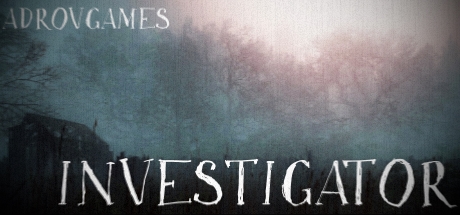
Investigator
Investigator is a first-person exploration game with horror elements, where the events take place in a world of extreme weather cataclysms.

A Wolf in Autumn
A one-armed young girl finds herself locked in a shed in the middle of an idyllic autumn forest, with threats both physical and immaterial drawing closer.

The Coma 2: Vicious Sisters
The Coma 2: Vicious Sisters is a Korean survival horror-adventure. Venture from your deserted school to survive the horrors of the night. Explore the surrounding Sehwa district and uncover the shadow realm's dark secrets. Use everything at your disposal to avoid a demoness hellbent on killing you!
Frequently Asked Questions
Perception is currently priced at 16.79€ on Steam.
No, Perception is currently not on sale. You can purchase it for 16.79€ on Steam.
Yes, Perception received 441 positive votes out of a total of 608 achieving a rating of 6.93.
😐
Perception was developed and published by The Deep End Games.
Yes, Perception is playable and fully supported on Windows.
No, Perception is not playable on MacOS.
No, Perception is not playable on Linux.
This information about Perception is not available yet.
This information about Perception is not available yet.
No, Perception does not support VR.
Perception is a single-player game.
No, Perception does not currently offer any DLC.
No, Perception does not support mods via Steam Workshop.
Yes, Perception supports Remote Play on TV. Discover more about Steam Remote Play.
Yes, Perception is enabled for Steam Family Sharing. This means you can share the game with authorized users from your Steam Library, allowing them to play it on their own accounts. For more details on how the feature works, you can read the original Steam Family Sharing announcement or visit the Steam Family Sharing user guide and FAQ page.
You can find solutions or submit a support ticket by visiting the Steam Support page for Perception.
Data sources
The information presented on this page is sourced from reliable APIs to ensure accuracy and relevance. We utilize the Steam API to gather data on game details, including titles, descriptions, prices, and user reviews. This allows us to provide you with the most up-to-date information directly from the Steam platform.
Additionally, we incorporate data from the SteamSpy API, which offers insights into game sales and player statistics. This helps us present a comprehensive view of each game's popularity and performance within the gaming community.
Last Updates| Steam data | 19 September 2026 06:24 UTC |
|---|---|
| SteamSpy data | 15 October 2026 09:40 UTC |
| Steam price | 18 October 2026 19:05 UTC |
| Steam reviews | 17 October 2026 09:47 UTC |
If you'd like to dive deeper into the details about Perception, we invite you to check out a few dedicated websites that offer extensive information and insights. These platforms provide valuable data, analysis, and user-generated reports to enhance your understanding of the game and its performance.
- SteamDB - A comprehensive database of everything on Steam about Perception
- SteamCharts - Analysis of Perception concurrent players on Steam
- ProtonDB - Crowdsourced reports on Linux and Steam Deck Perception compatibility


Game modes
Features
Online players
0
Developer
The Deep End Games
Publisher
The Deep End Games
Release
30 May 2017
Platforms
Remote Play