

Mahokenshi - The Samurai Deckbuilder
Begin your journey to become a mighty samurai mage! In a blend of adventure, strategy and deckbuilding gameplay, choose how you will follow the way of the Mahoken. Explore the Celestial Islands, build your deck, battle challenging demons, and protect the land from the forces of corruption.
Sync your Steam wishlist to find the lowest game prices instantly. No login required, just paste your Steam profile URL!
⚡ Try Wishlist Radar!
Sync your Steam wishlist to find the lowest game prices instantly. No login required!
⚡ Try Wishlist Radar!
Close

Nemesis: Lockdown on Steam
Quick menu
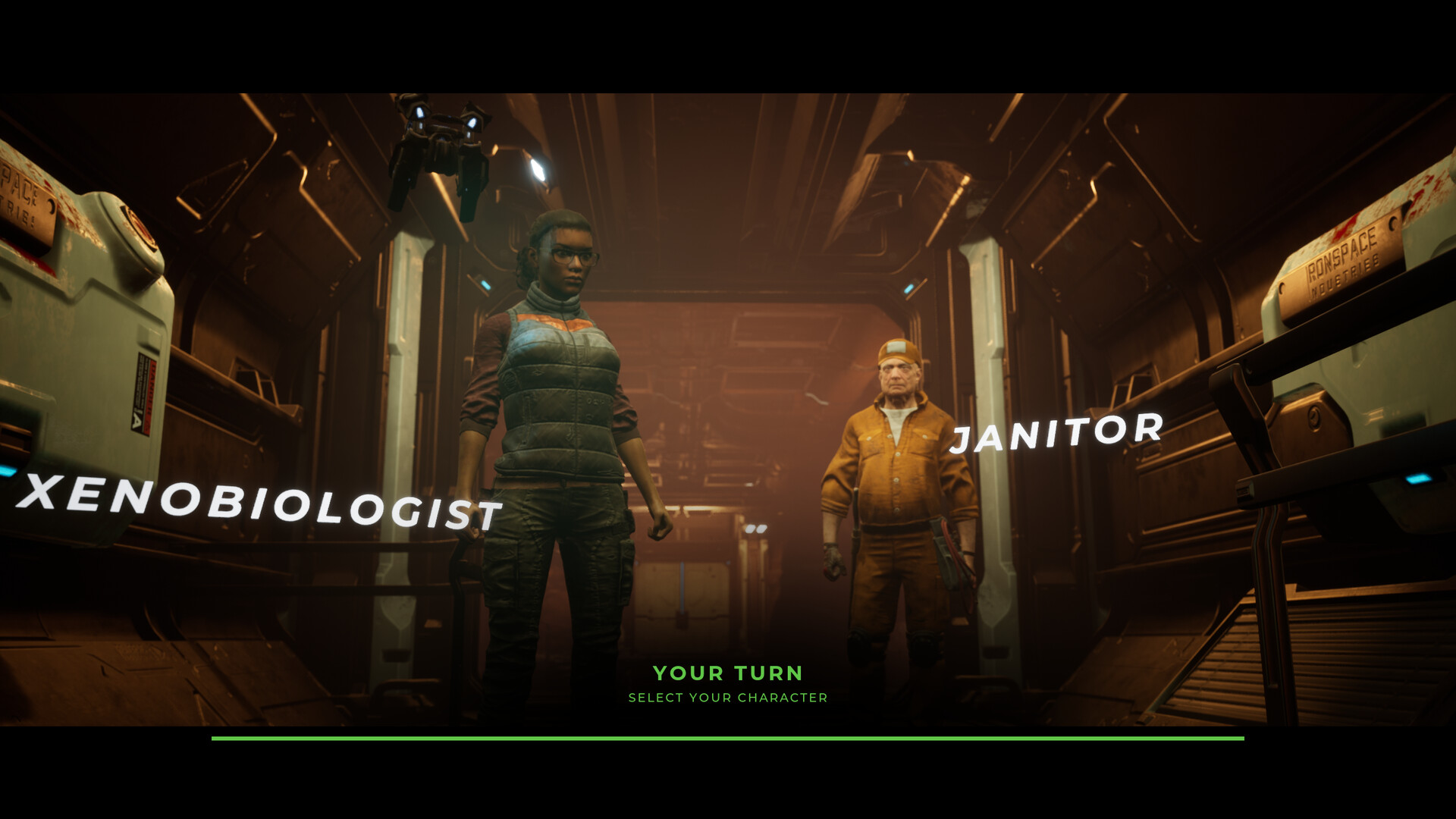
In Nemesis: Lockdown, you're part of a team exploring an alien-infested space base. Craft, hide and fight to make it out of its dark, threat-filled corridors. Fulfill your objective even if it means betraying your allies, but remember - this time, you are not the hunter. You are the PREY.
Nemesis: Lockdown is a board game, multiplayer and turn-based tactics game
developed by InterStudio
and published by Awaken Realms.
Released on May 31st 2022 is available only on Windows
in 6 languages: English, French, German, Simplified Chinese, Polish and Japanese.
It has received 735 reviews of which 492 were positive and 243 were negative resulting in a rating of 6.5 out of 10. 😐
Among its top reviewers, the game has a median playtime of 30 hours, offering a realistic snapshot of how much time players typically invest rather than strict completion time.
The game is currently priced at 24.50€ on Steam, but you can find it for 3.21€ on Eneba.
The Steam community has classified Nemesis: Lockdown into these genres:
Board Game
Multiplayer
Turn-Based Tactics
Singleplayer
Choices Matter
Team-Based
Exploration
Turn-Based Strategy
Card Game
Survival Horror
Realistic
3D
Isometric
Online Co-Op
Sci-fi
Strategy
Aliens
Adventure
Cinematic
Turn-Based Combat
Here is the detailed breakdown of supported languages for Nemesis: Lockdown:
| UI | Subtitle | Audio | |
|---|---|---|---|
| English | |||
| German | |||
| French | |||
| Simplified Chinese | |||
| Japanese | |||
| Polish |
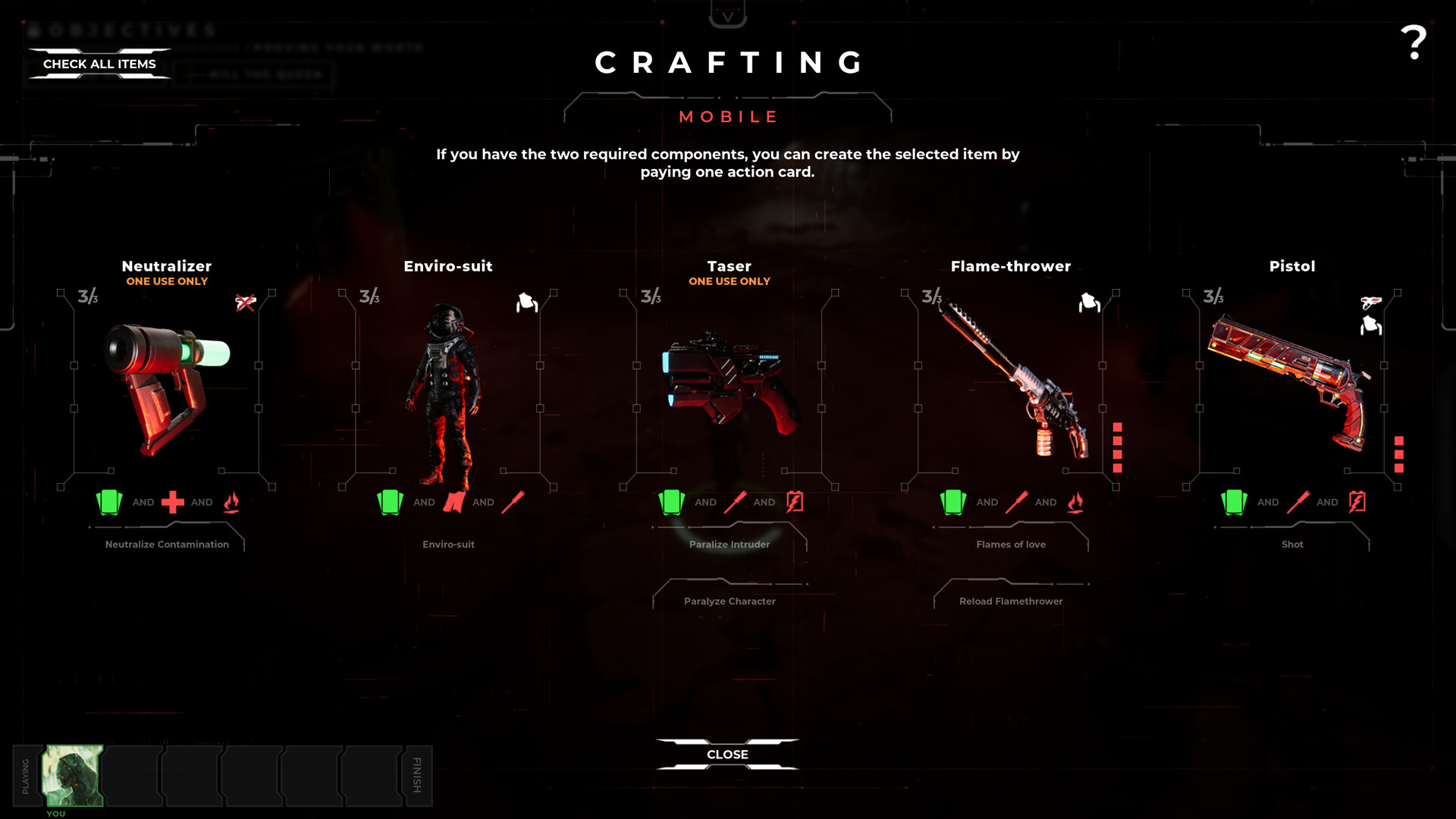
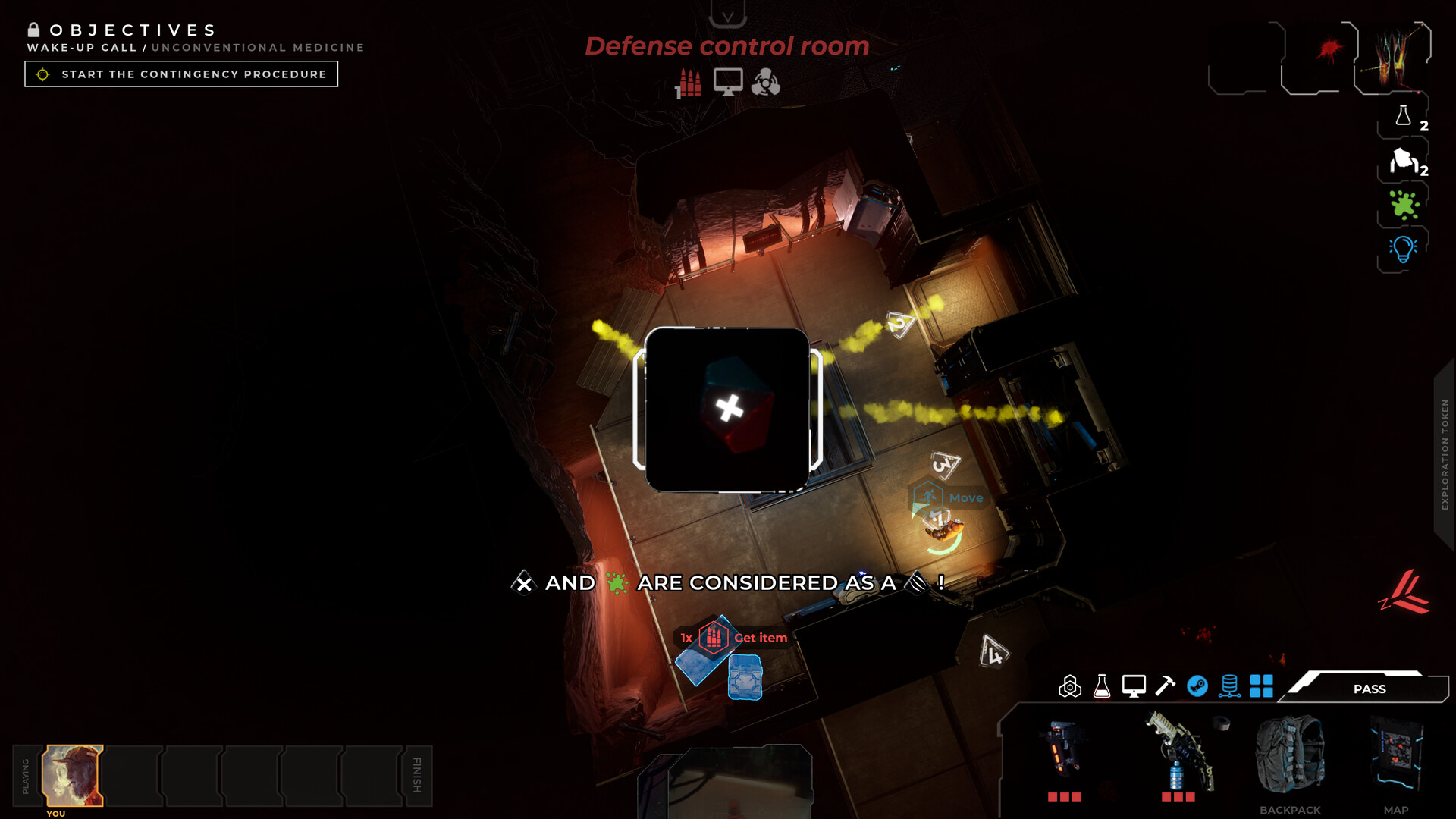
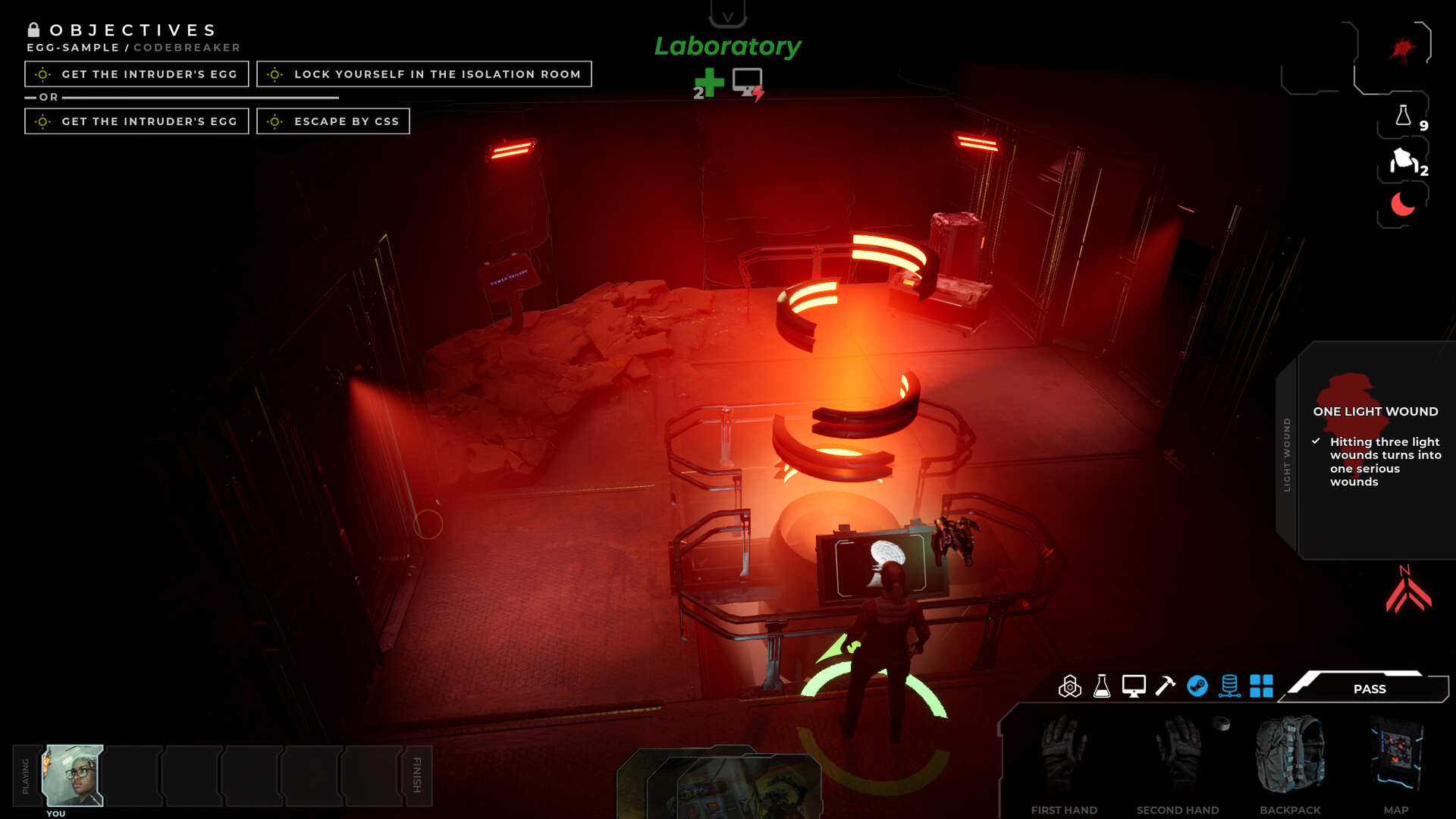
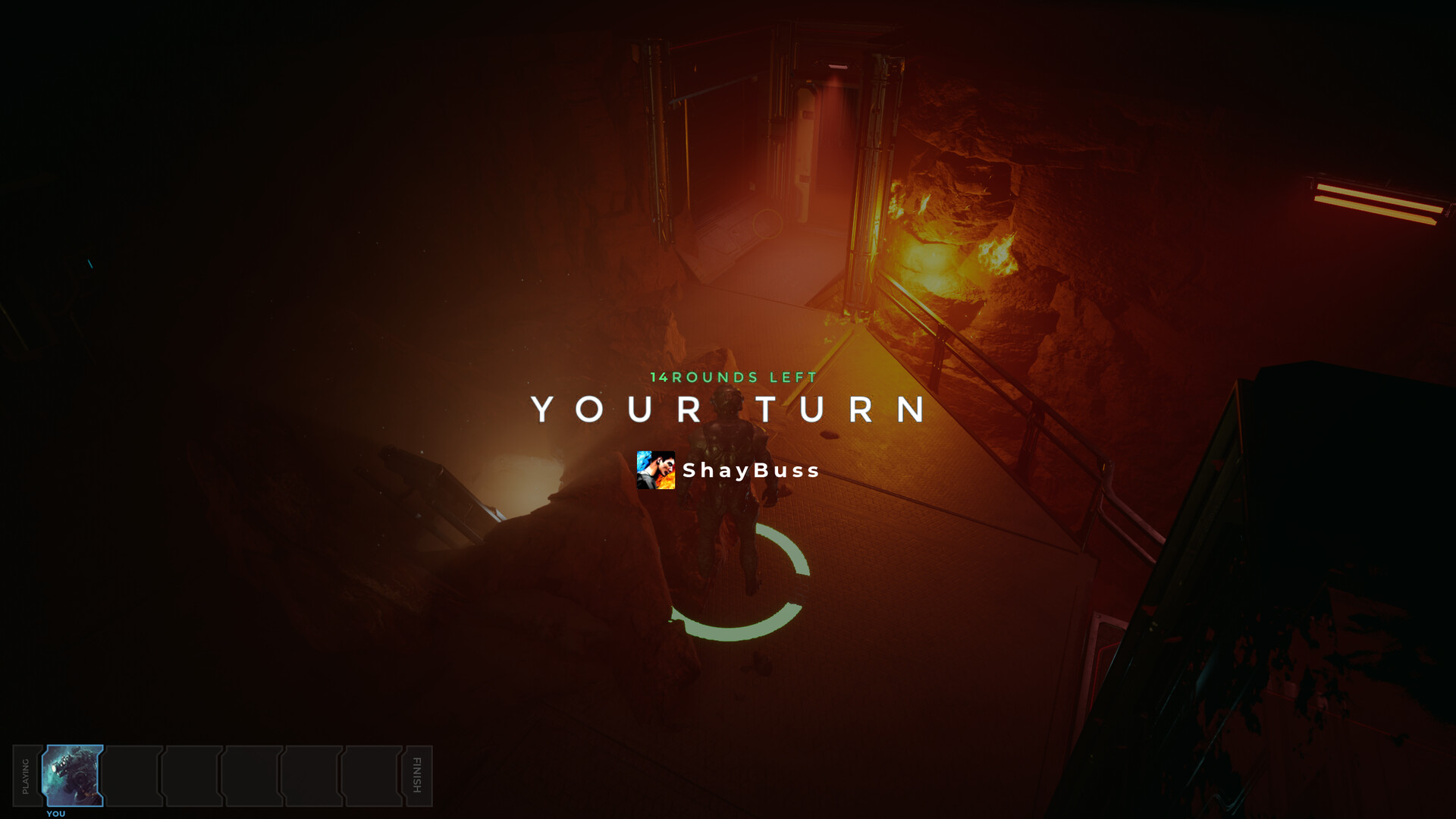
Media & Screenshots
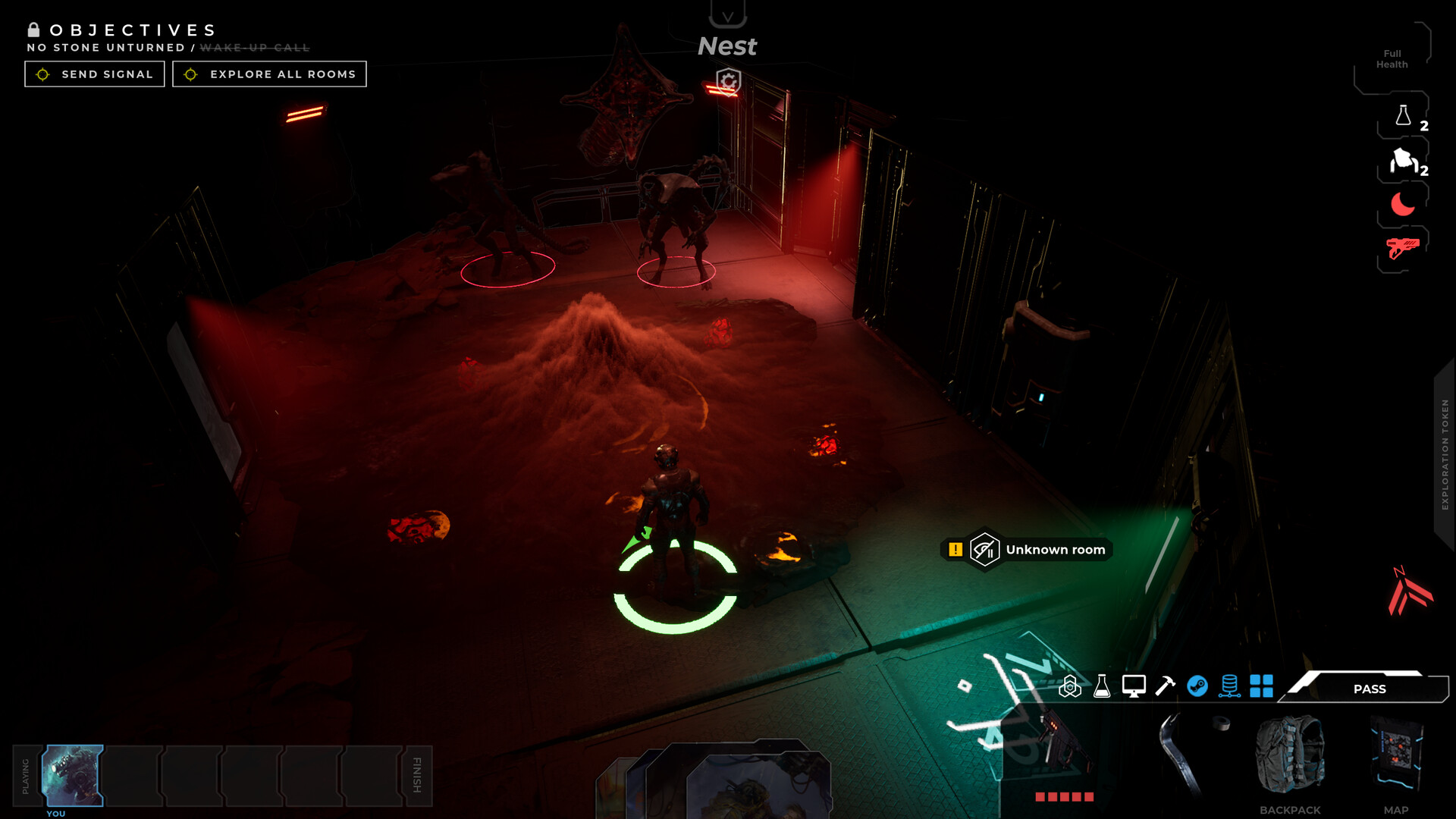
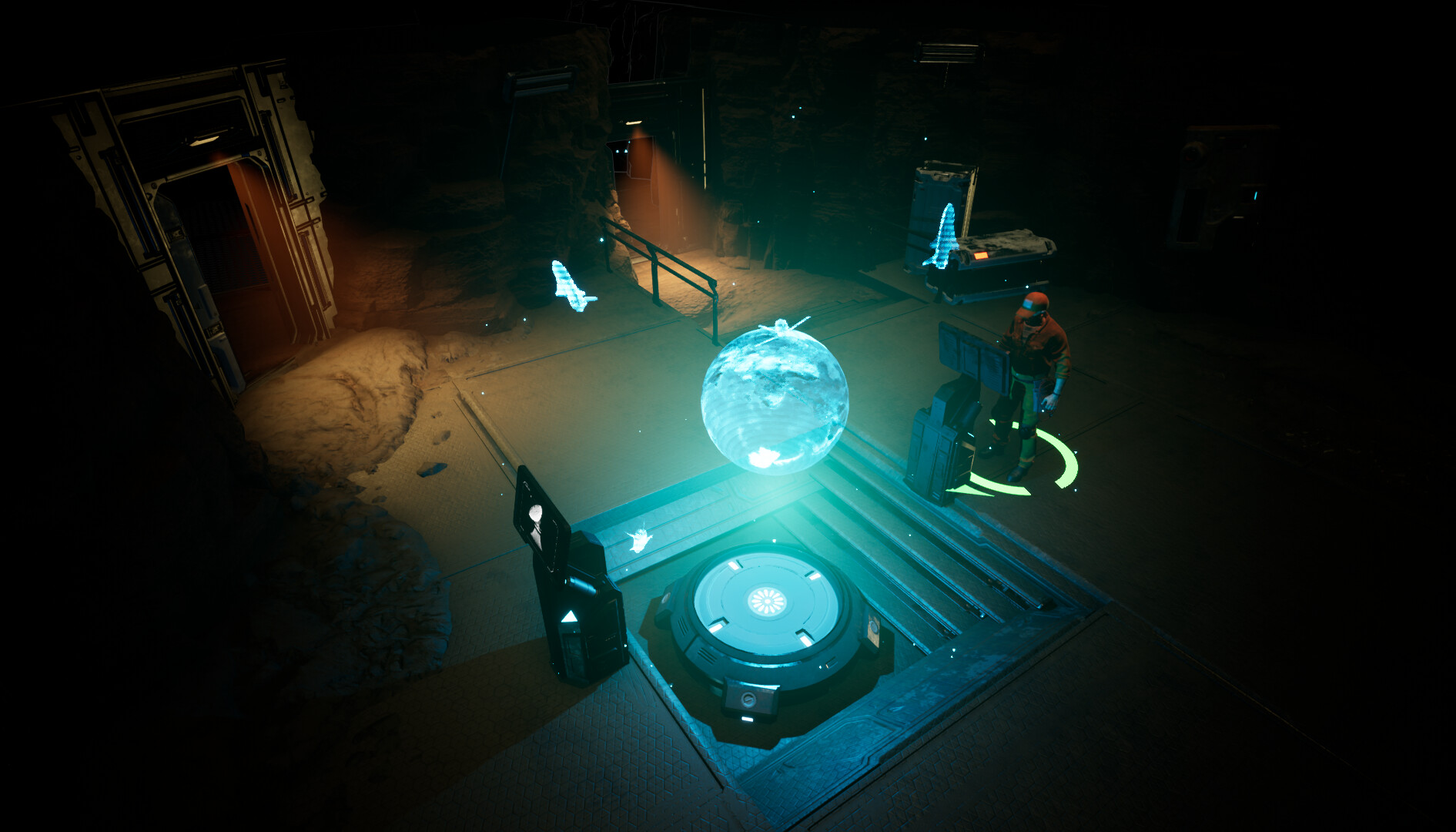
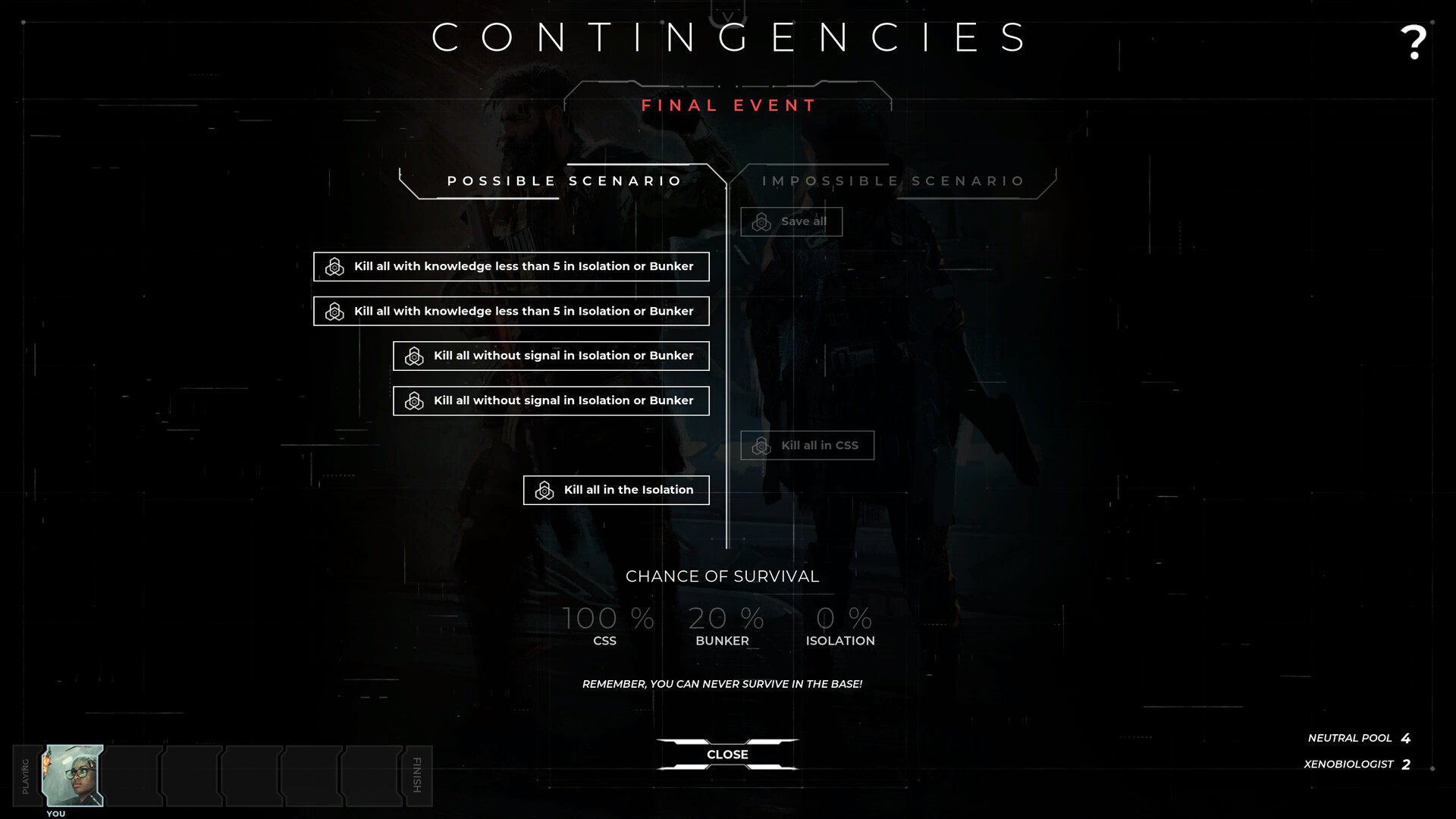
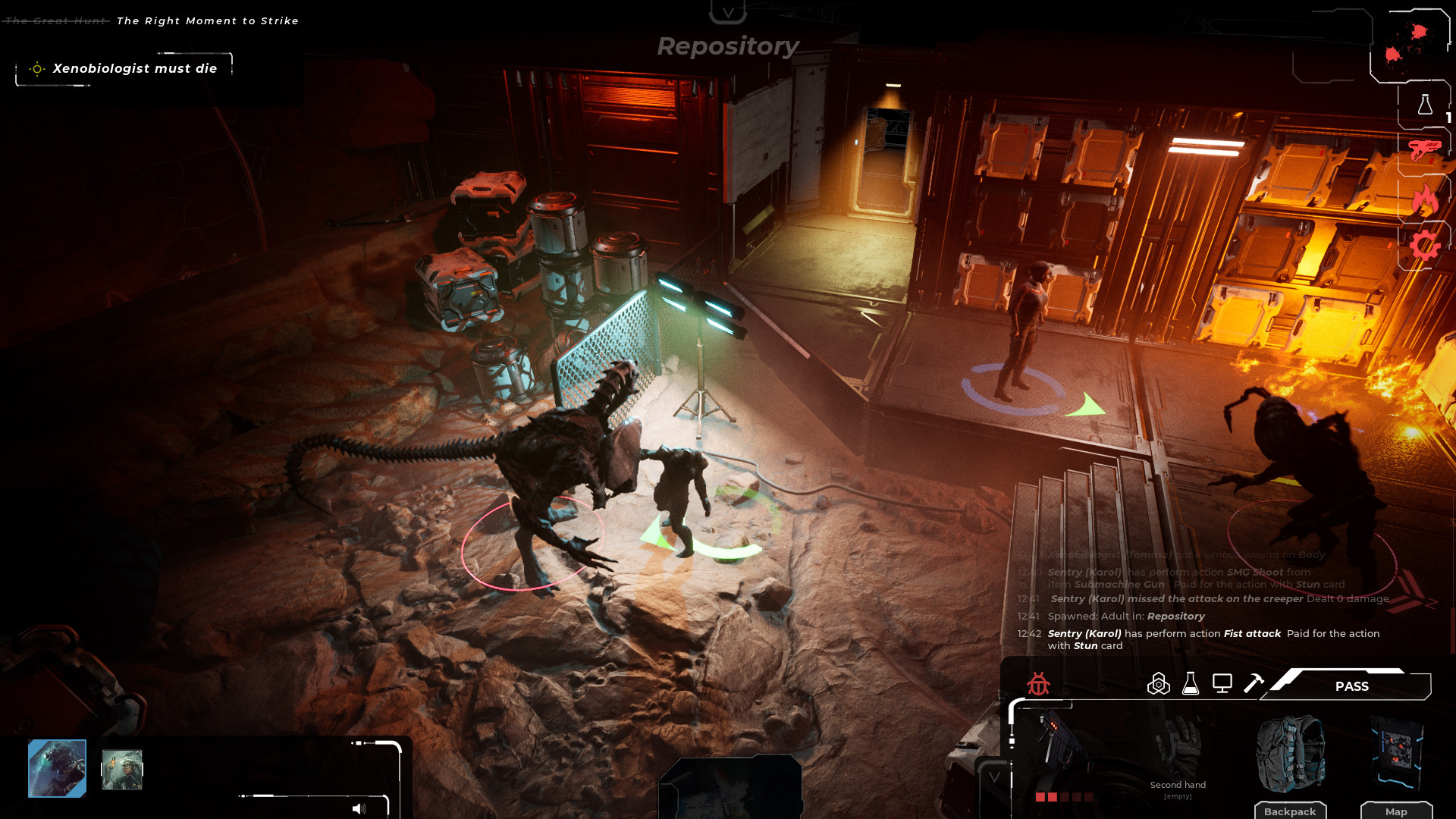
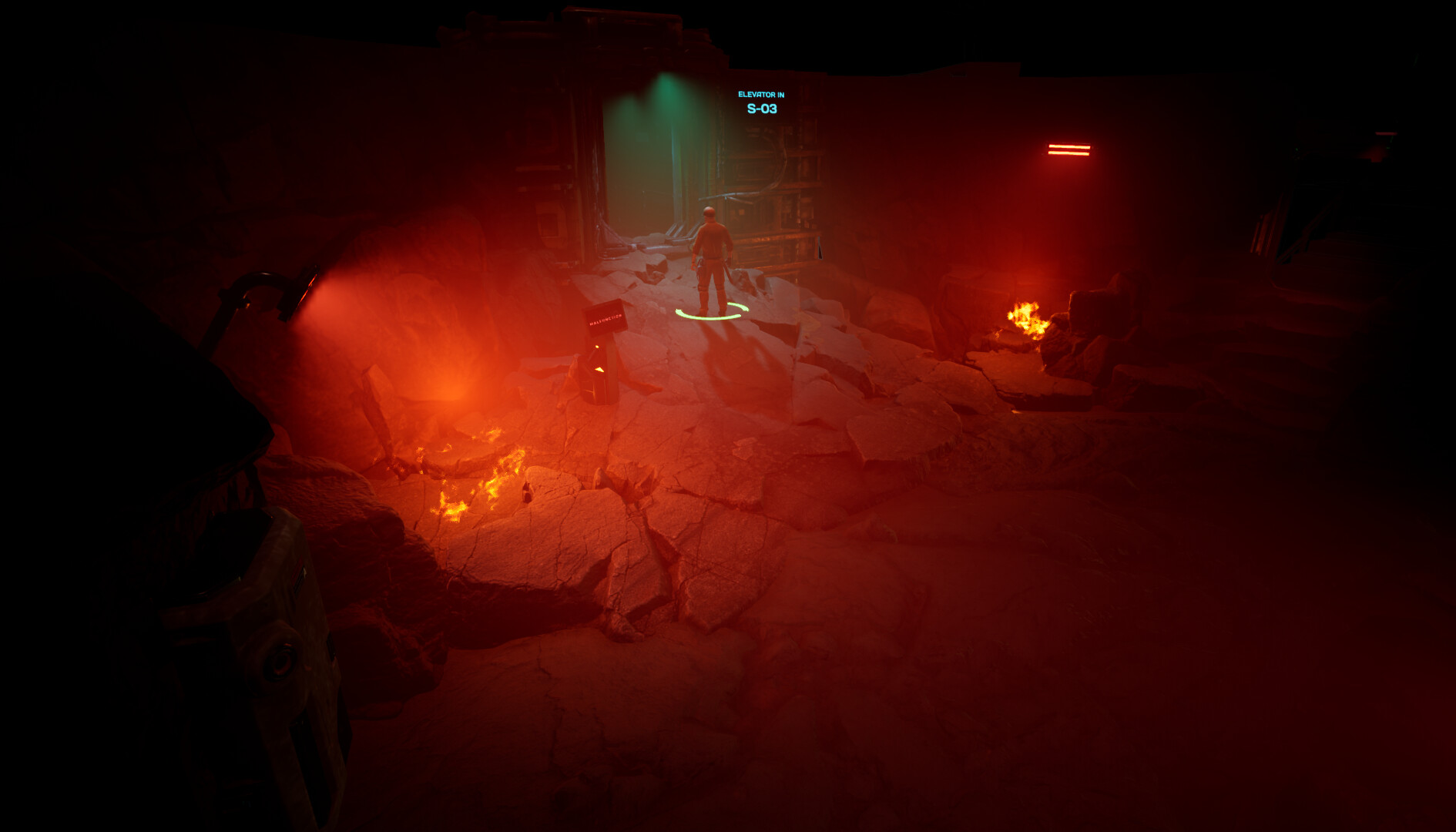
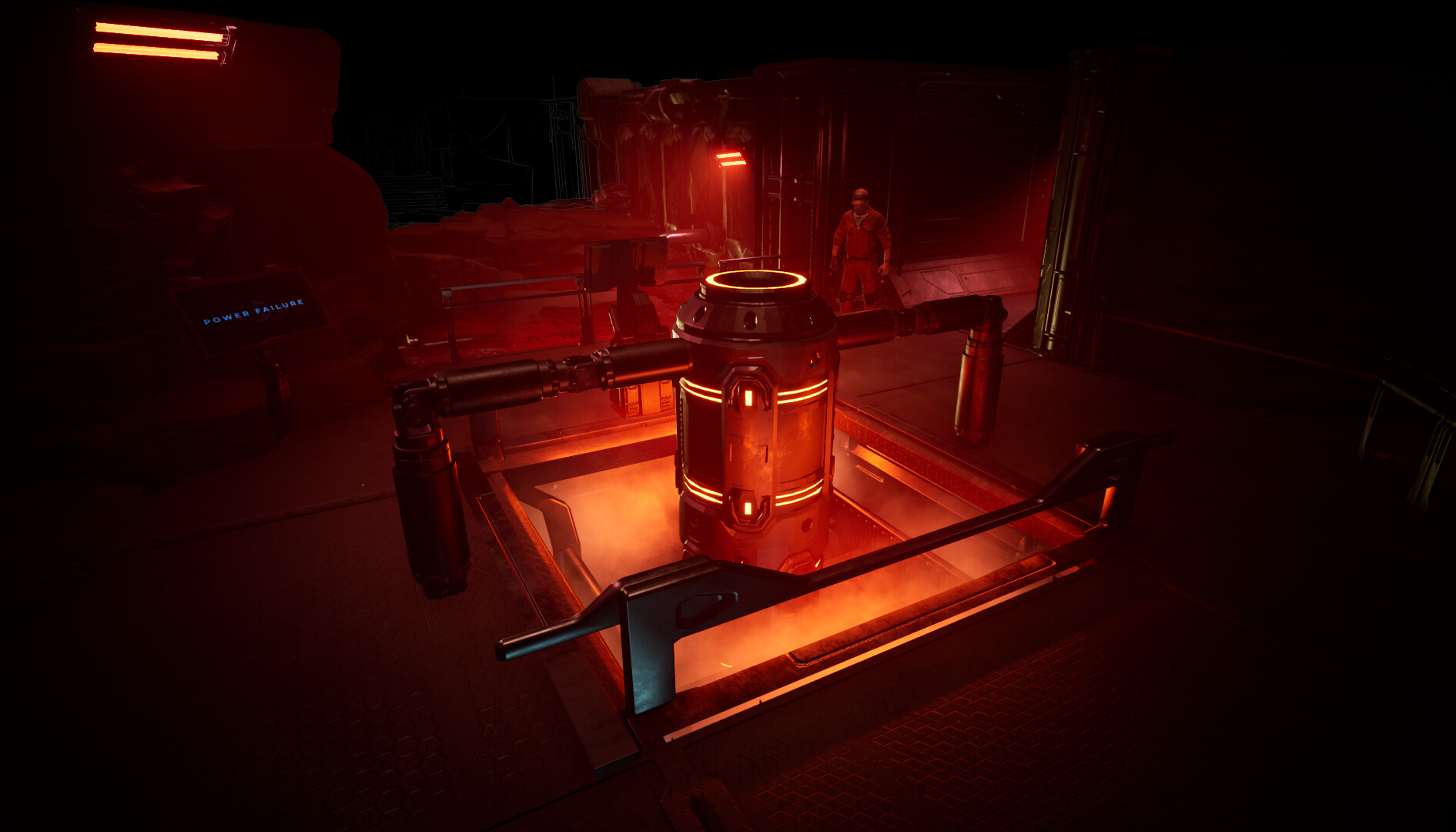
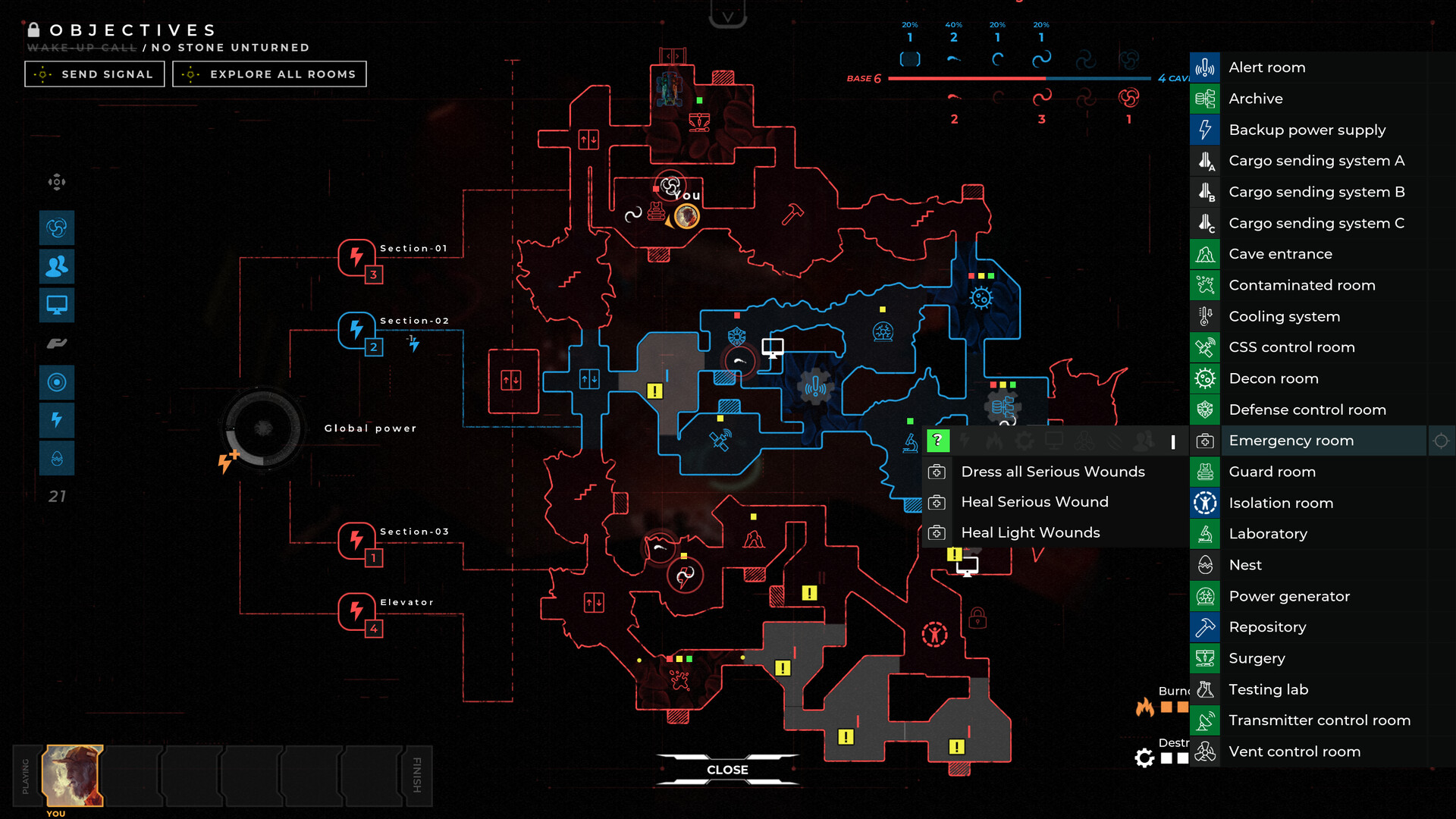
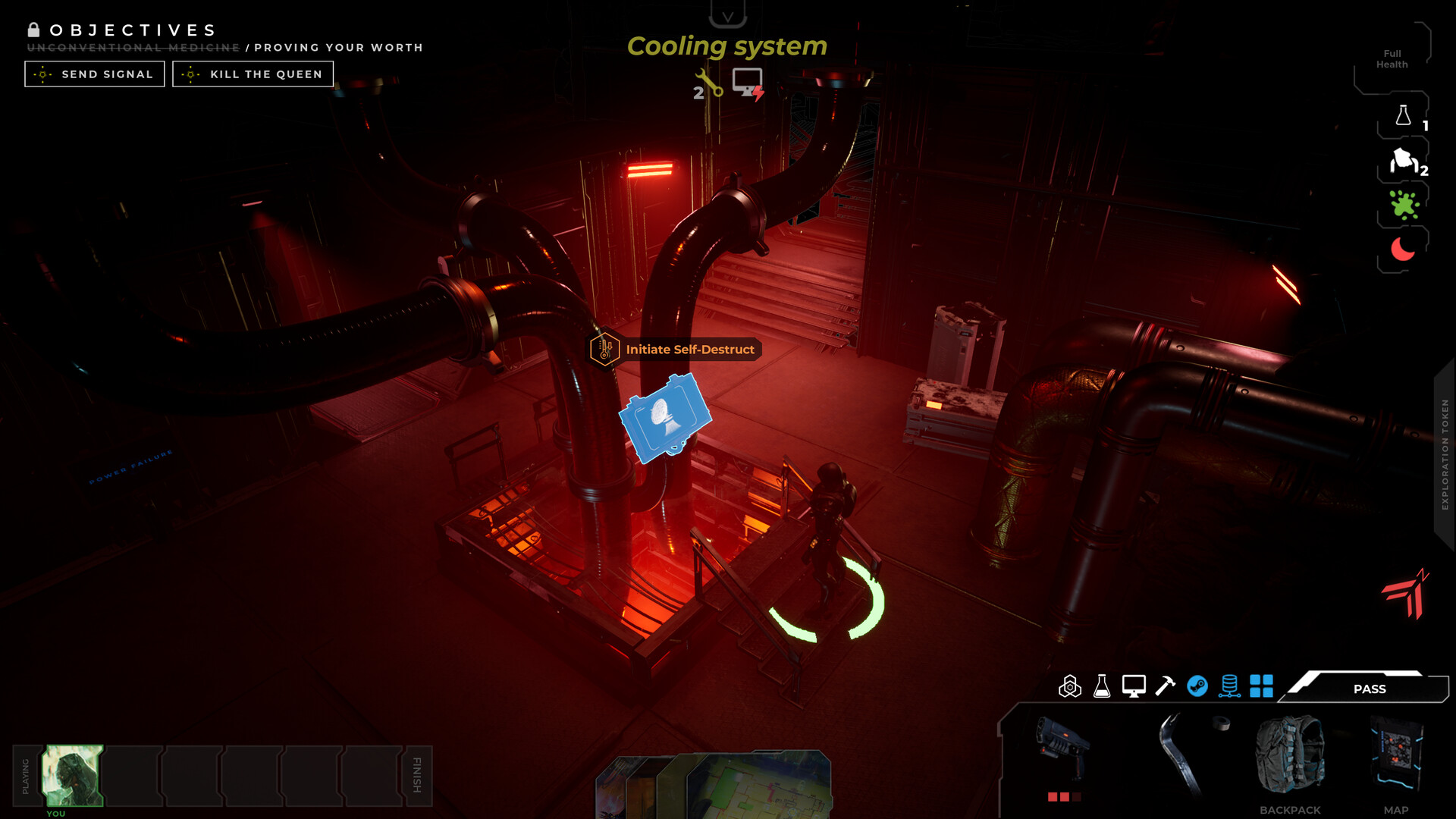
Get an in-depth look at Nemesis: Lockdown through various videos and screenshots.
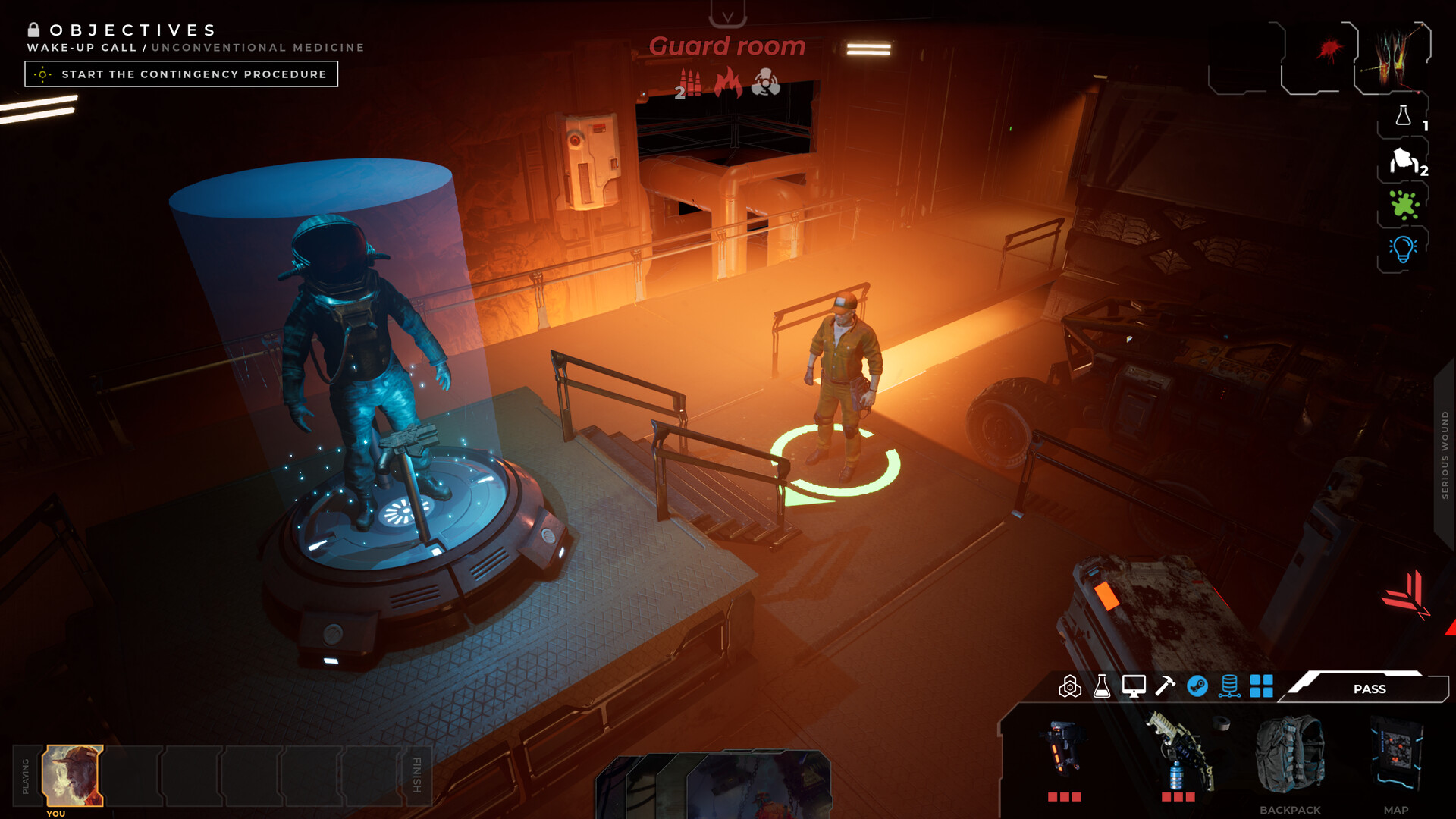
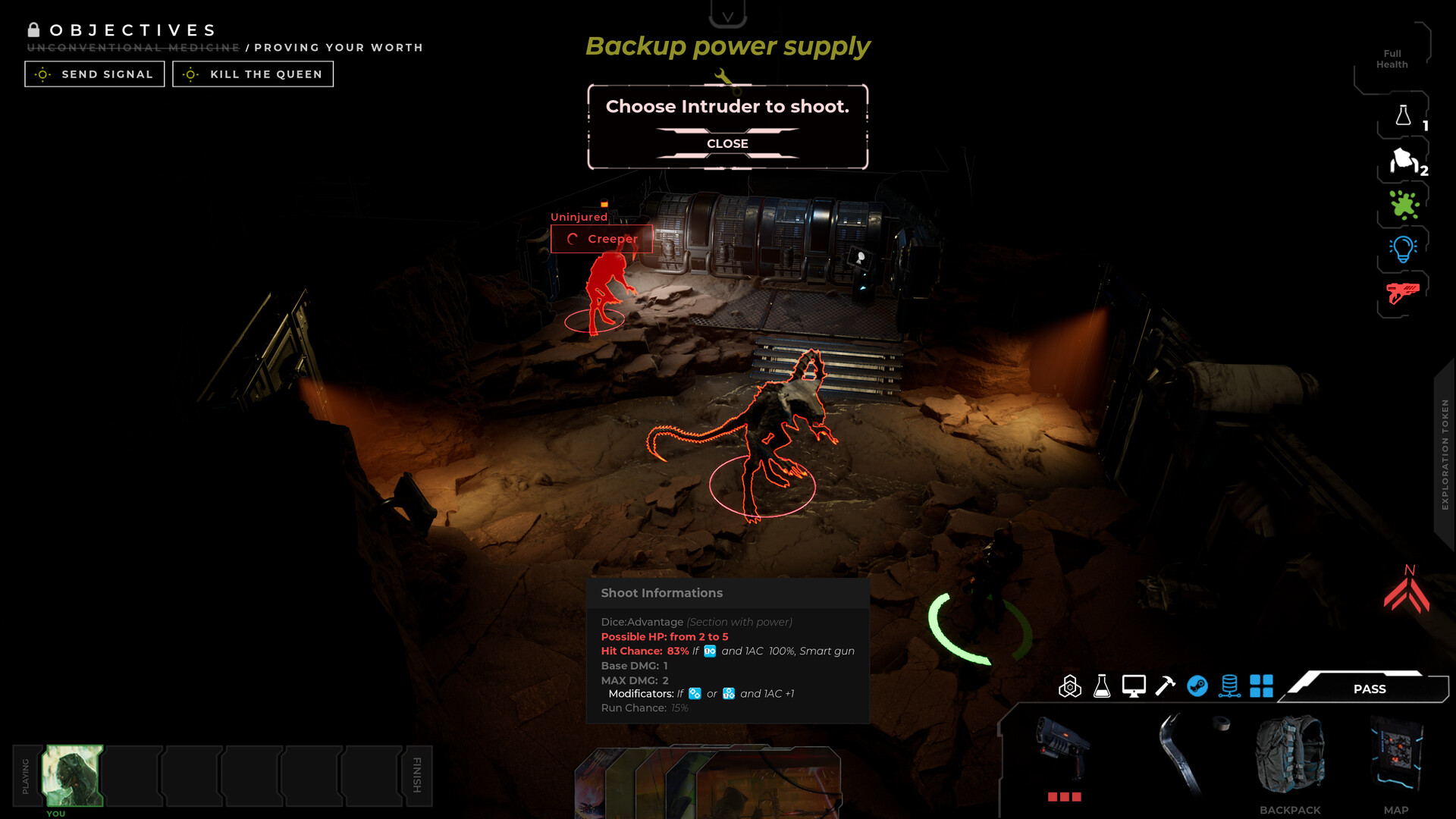
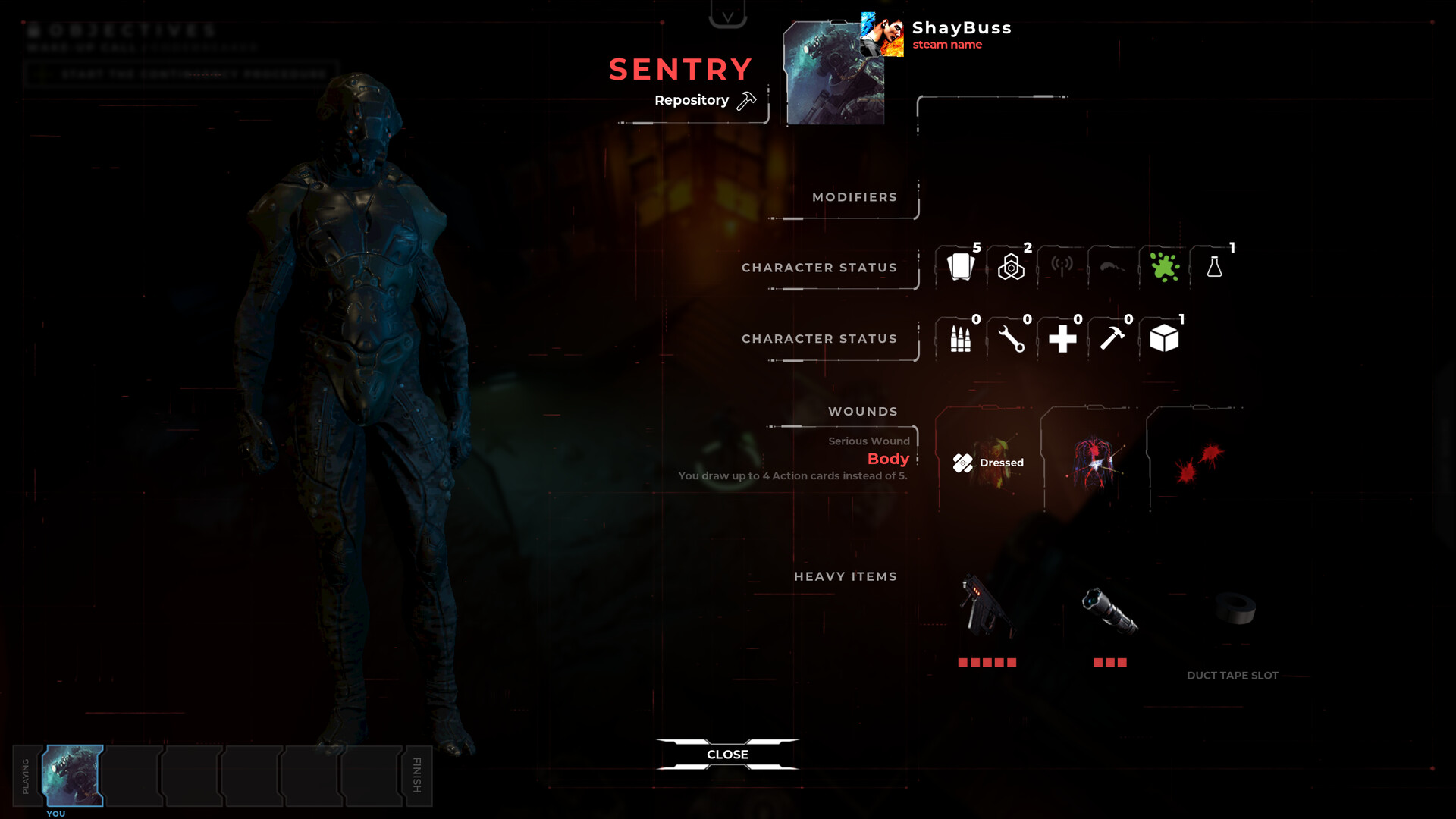
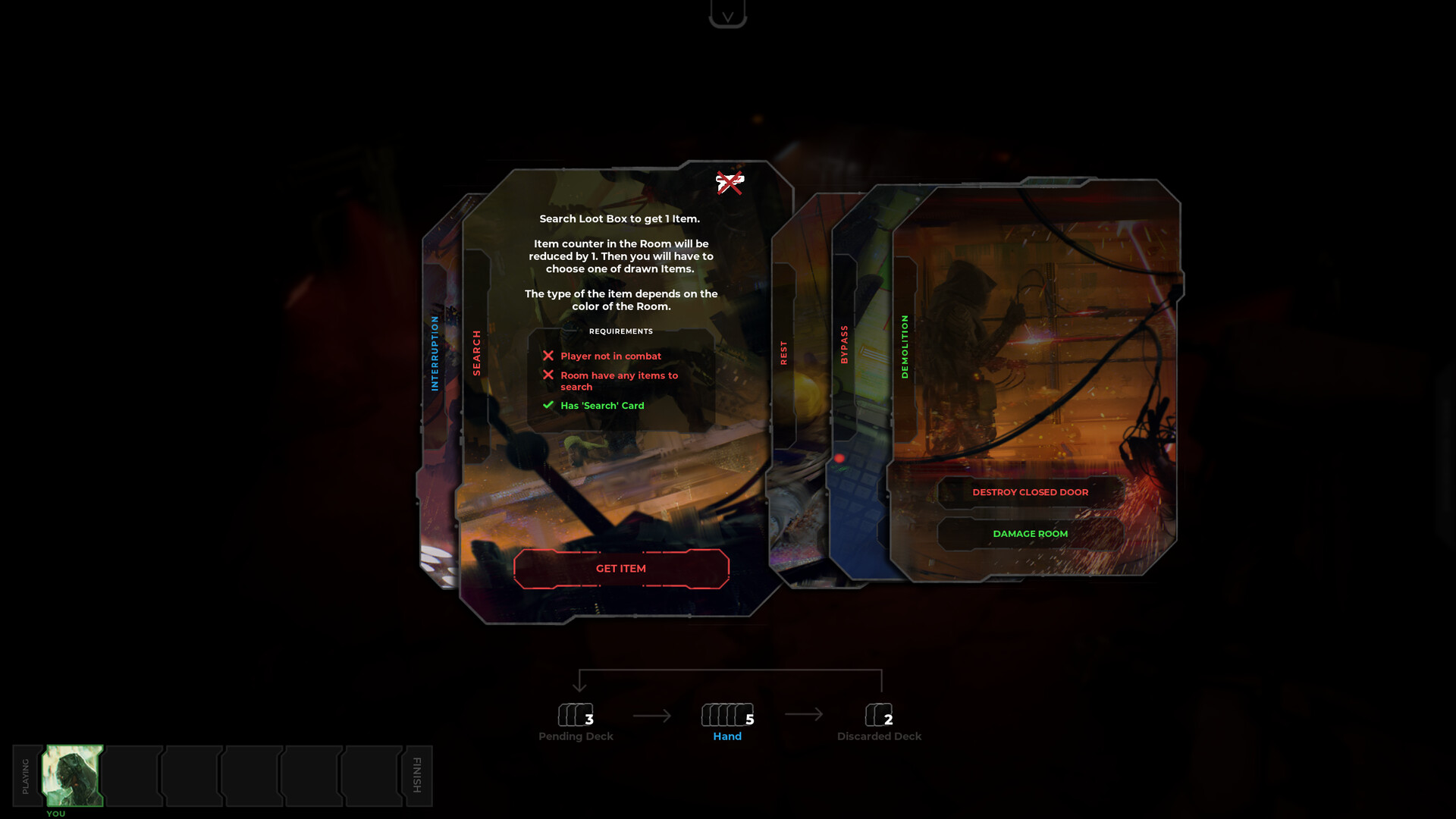
Load More
System requirements
These are the minimum specifications needed to play the game. For the best experience, we recommend that you verify them.
Windows
- OS: Windows 10 (64-bit)
- Processor: AMD Ryzen 5 1xxx / Intel Core i3 6gen
- Memory: 8 GB RAM
- Graphics: GeForce GT 1030 / Radeon 530
- DirectX: Version 12
- Network: Broadband Internet connection
- Storage: 10 GB available space
- Additional Notes: Internet Connection Required
Steam Price & Best Deals
User reviews & Ratings
Explore reviews from Steam users sharing their experiences and what they love about the game.
Servers are down for various reasons. More than 1 month already, only Solo mode available. Please refrain from buying it until an eventual good news comes. I'll edit my review then... Complex game, as the board game is, but the tutorial really helps understanding the rules better. If you like to strategize under stress in an oppressive context, this semi-cooperative game is for you. If you like the alien franchise, you should definitely try it.
Worth it on sale, however not on full price. The game has a small, dedicated community which are quite friendly. Finding a game at all times isn't always possible without waiting from a few minutes to 10-20 at my timezone (GMT) Unfortunately, developers abandoned this game upon release because they wanted to make more money with a more successful game (Which due to that poor practice, I'll likely never buy their single player games for that reason, even if they seem cool), so it has a few bugs and lacks some extended content the base game and expansions would have. It core gameplay is fun, although learning it isn't the most streamlined. It is easier finding a game on this than, lets say, other boardgame alternatives which you can play nemesis on Should be much lower in price at the very least. Developers really dropped the ball with keeping it at this price. Worth it on sale!
If you're a fan of the Nemesis board games, this is a very good representation of the game. If you don't know the first thing about the board games it probably won't be for you. With that said I have only played Solo, not sure how it plays multiplayer, but I'm having a blast, and it almost makes up for not playing the board game as often as I'd like.
FUCKING LOVE IT!!!! If you are the type that loves D&D, RPG like Aliens colonial marines another glorious day in the corps, Resident evil board games and you get the jizz of it. THIS IS FOR YOU! NEMESIS original is alien the 8th passenger, just DARKER and more of a DICK level. NEMESIS (2) LOCKDOWN, AKA this game, is more like Aliens colonial marines another glorious day in the corps BUT more of a DIIIICCCCCKKKK! In simple words. I woke up, dead guy next to me Mad world son, is not a song, it is this game reality Not even 2 minutes and I am already crying for my mummy Shit my pants countless times Isaac is a sissy compared to this (Every dead space) Got battle suit and badass weapons Felt like Ripley searching for Newt Died countless times like Vasquez holding the line 10 out of 10
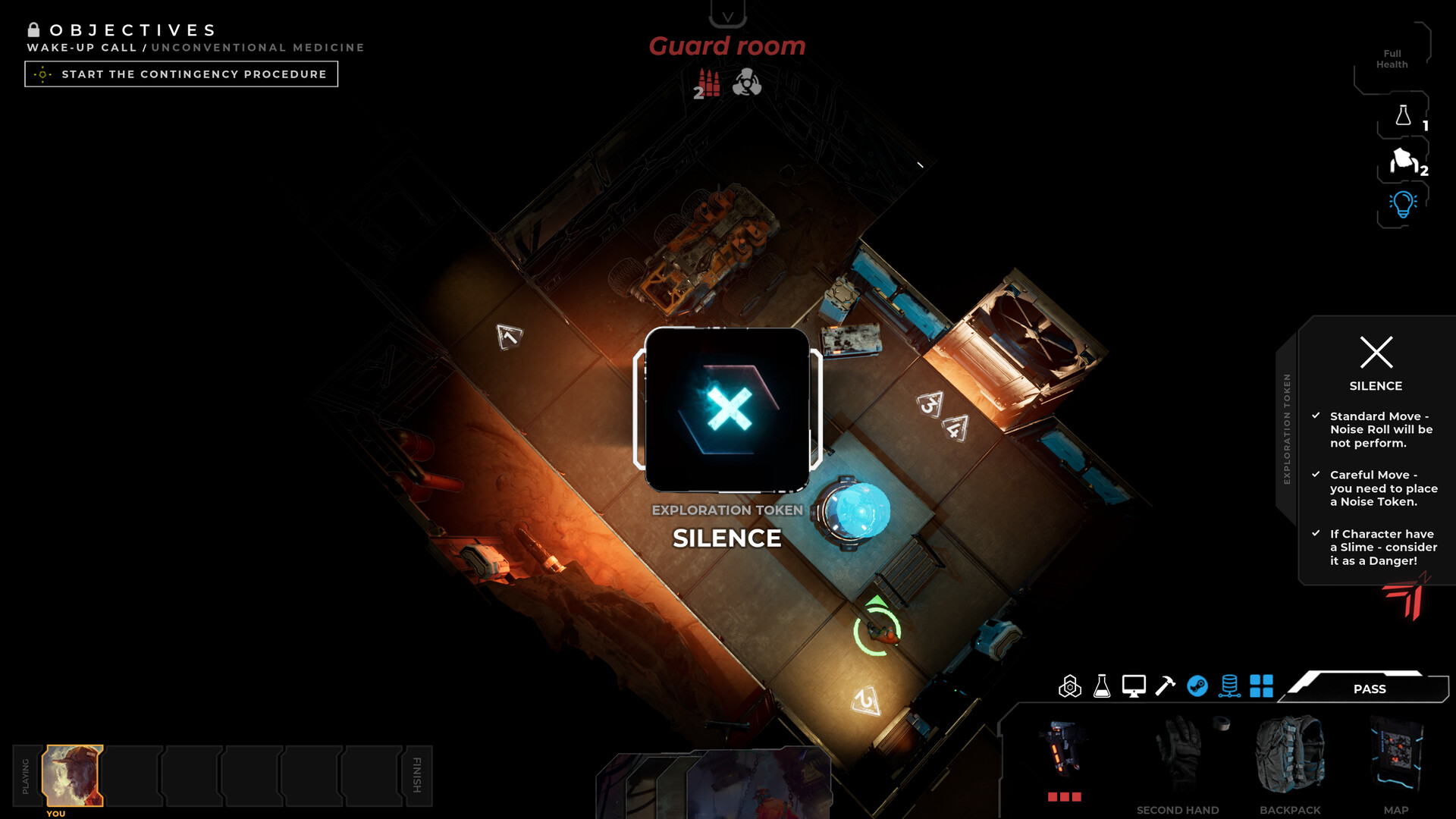
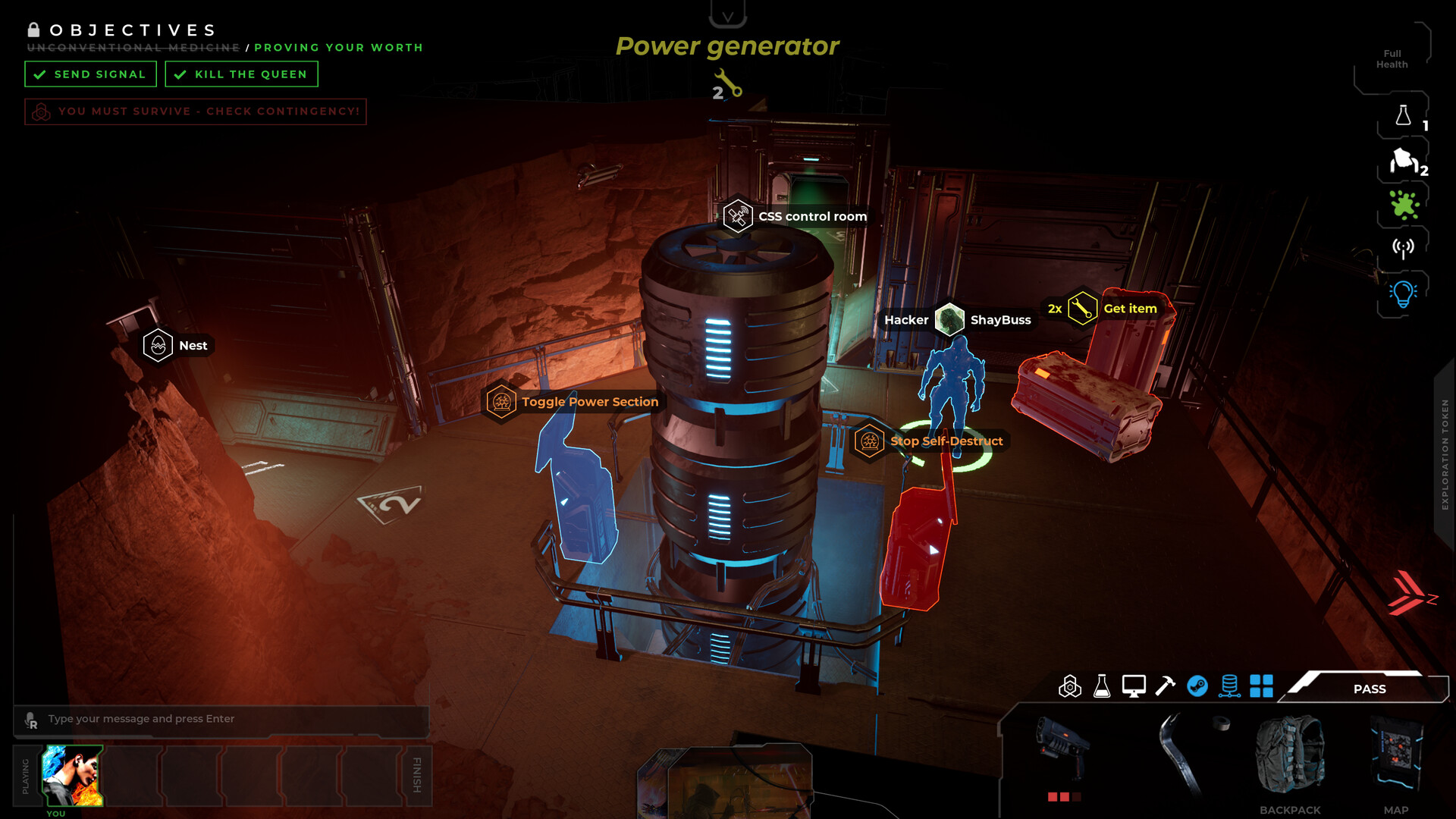
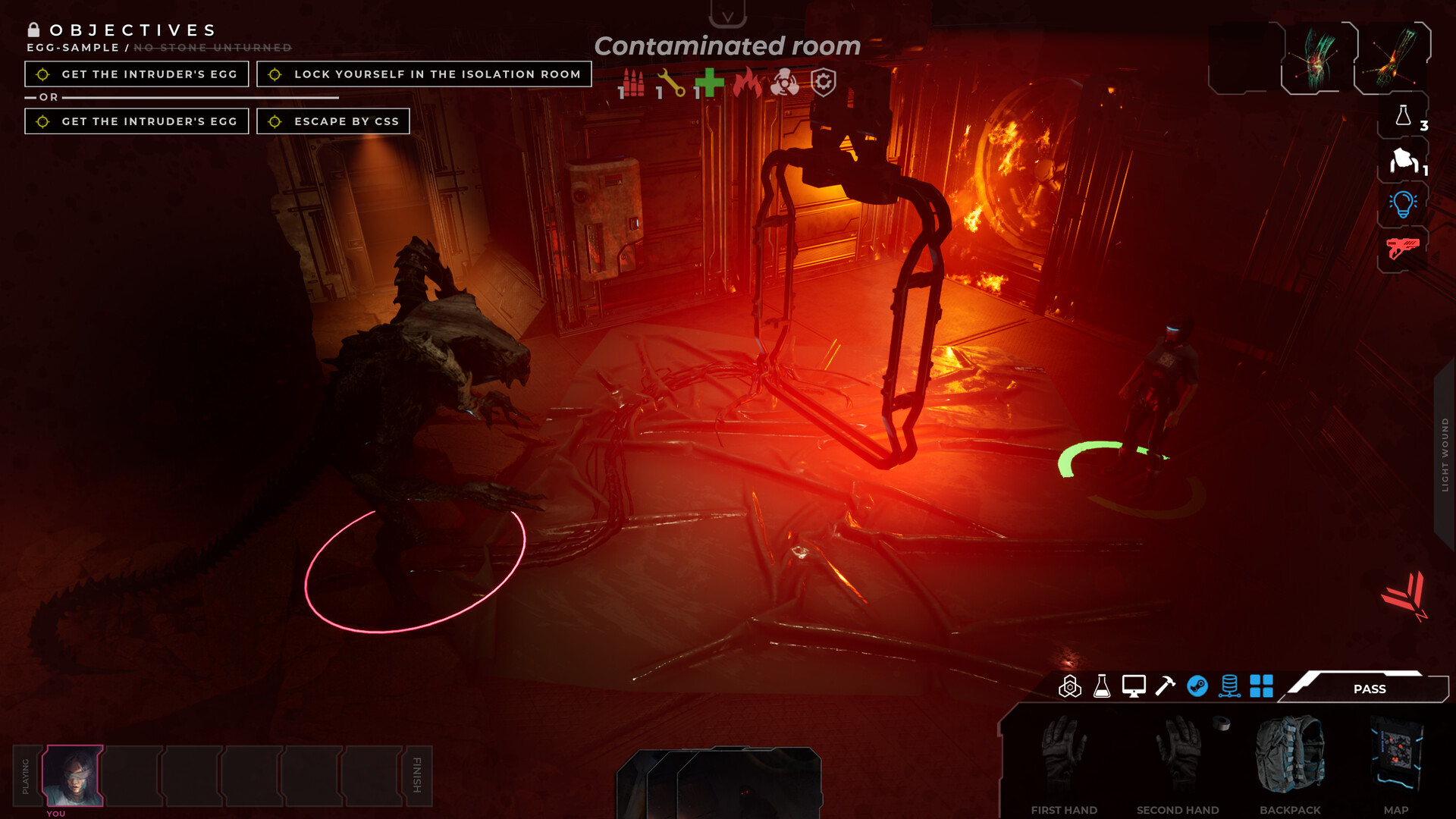
Nemesis: Lockdown is a turn-based sci-fi survival strategy game developed by InterStudio and published by Awaken Realms, serving as a digital adaptation of the acclaimed tabletop board game from the Nemesis series. Built around tension, resource scarcity, and hidden objectives, the game places players inside a research facility on Mars that has fallen into chaos after an outbreak of dangerous alien organisms. Rather than focusing on action or traditional combat-driven gameplay, the experience emphasizes survival, cautious decision-making, and psychological uncertainty. The result is a game that feels less like a straightforward strategy title and more like a suspenseful science fiction horror scenario where every decision carries risk and trust among players is never guaranteed. The story unfolds within a secret Martian base that has entered an emergency lockdown after hostile extraterrestrial creatures begin spreading through its corridors. Each player assumes control of a survivor trapped inside the facility, and every character brings a unique set of skills, equipment, and abilities that influence how they approach the crisis. However, unlike most cooperative survival games, the characters also possess hidden personal objectives that must be completed before the end of the game. While the group may appear to be working together to escape the station or eliminate the alien threat, individual goals can sometimes conflict with the objectives of others. This dynamic creates a constant sense of uncertainty, as players must decide whether to cooperate with their teammates or pursue their own interests in secret. Gameplay is built around a turn-based system driven by action cards. Each player begins their turn with a limited hand of cards representing possible actions such as movement, searching rooms, using equipment, or attacking enemies. Because these cards are a finite resource, players must carefully consider how they spend them. Exploring the base, interacting with systems, or defending against alien attacks all require these cards, and once they are used up, the player becomes vulnerable. This system encourages thoughtful planning and forces players to weigh the risks of every decision. Charging recklessly into unexplored areas can lead to disastrous encounters, while excessive caution may prevent players from completing their objectives in time. The Martian research facility itself acts as a sprawling and dangerous environment filled with interconnected rooms, laboratories, storage areas, and technical corridors. Much of the map begins hidden, requiring players to explore gradually while uncovering useful resources such as weapons, medical supplies, and tools. The facility’s layout and many of its events are randomized, which ensures that no two playthroughs unfold in exactly the same way. One session might involve a desperate scramble to repair failing systems while avoiding alien patrols, while another might revolve around sabotage and betrayal between players. This unpredictability is one of the game’s strongest qualities, as it keeps players constantly alert and unsure of what dangers may appear next. Encounters with the alien creatures—known as Intruders—are among the most intense moments in the game. These creatures are fast, dangerous, and often difficult to kill, making direct confrontation a risky choice. Instead of encouraging aggressive combat, the game often rewards stealth, careful movement, and strategic use of the environment. Players might attempt to lure creatures away from important areas, seal doors to slow their movement, or avoid detection altogether. This design reinforces the survival horror tone, reminding players that they are not powerful soldiers but vulnerable survivors trapped with an unpredictable threat. One of the most distinctive elements of Nemesis: Lockdown is its semi-cooperative structure. While teamwork is often necessary to survive the early stages of the game, hidden objectives can gradually drive players toward conflicting goals. Some characters may need to escape the base with specific research data, while others may be secretly tasked with ensuring the facility’s destruction. Because these objectives remain hidden from other players, the social dynamics of the game become an important part of the experience. Suspicion and paranoia can build over time, especially when someone begins behaving strangely or sabotaging critical systems. Moments of betrayal can dramatically alter the outcome of a match, turning former allies into obstacles. The atmosphere of the game plays a significant role in reinforcing its tension. The Martian facility is depicted as a dark and isolated environment filled with malfunctioning systems, flickering lights, and eerie mechanical noises. The alien designs are unsettling, and their sudden appearances often create moments of panic. The sound design further enhances this atmosphere with ominous ambient audio and tense musical cues that emphasize the feeling of being trapped in a hostile environment. Even when no enemies are visible, the game maintains a constant sense of unease that mirrors the tone of classic science fiction horror films. Visually, the game remains faithful to its board game origins while incorporating modern digital elements. The top-down perspective resembles the layout of a tabletop board, but animated character models, environmental lighting effects, and detailed creature designs bring the setting to life. The interface is designed to manage complex systems such as card mechanics, inventory management, and event triggers while remaining relatively accessible once players become familiar with the controls. However, the game’s complexity can present a challenge for new players. The combination of card mechanics, hidden objectives, environmental hazards, and alien behavior systems creates a learning curve that may initially feel overwhelming. Understanding how all these systems interact requires patience, and players unfamiliar with the tabletop version may need time to fully grasp the strategic depth of the game. Additionally, the heavy emphasis on multiplayer interaction means the experience is often best enjoyed with friends or an organized group rather than relying solely on random matchmaking. Despite these challenges, Nemesis: Lockdown succeeds in delivering a unique blend of strategy, horror, and social deduction. Each match feels like a tense narrative where survival is never guaranteed and alliances can shift at any moment. The unpredictable events, hidden agendas, and constant alien threat combine to create dramatic moments that feel more like scenes from a suspenseful sci-fi film than a traditional strategy game. Ultimately, Nemesis: Lockdown stands as a compelling digital adaptation of a beloved board game that captures the tension and unpredictability of its tabletop counterpart. Its mixture of survival strategy, cooperative gameplay, and hidden betrayal mechanics offers a distinctive experience that few other games attempt. While its complexity and niche design may limit its accessibility, players who appreciate deep strategic gameplay and atmospheric sci-fi horror will find a memorable and rewarding challenge waiting within the locked-down corridors of Mars. Rating: 8/10
Similar games
View all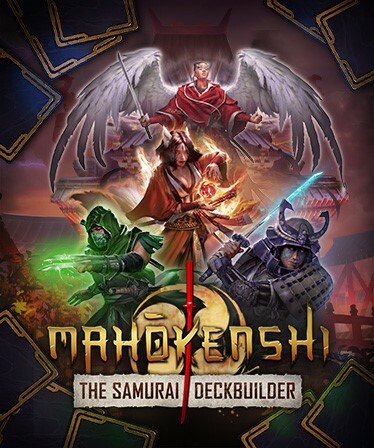

Hasbro's BATTLESHIP
Hasbro's Battleship is the original strategic naval war game. Choose your Captain, position your ships, aim your missiles and sink the enemy's fleet! Face them in Classic mode, or step-up the stakes in the all new Commanders Mode. Ready, aim, FIRE!

Strategic Mind: The Pacific
Strategic Mind: The Pacific is a turn-based strategy set in the WW2 period depicting the war between the USA and the Empire of Japan waged in the Pacific Ocean with mindblowing historical accuracy and attention to detail. Two Sides. Two Commanders. Two Destinies.

Simply Chess
The classic board game comes to Steam with asynchronous online play and 100 levels of AI. If you are a chess enthusiast or someone who just likes to play a game now and again, this is what you've been looking for. This is Simply Chess.
Frequently Asked Questions
Nemesis: Lockdown is currently priced at 24.50€ on Steam.
No, Nemesis: Lockdown is currently not on sale. You can purchase it for 24.50€ on Steam.
Yes, Nemesis: Lockdown received 492 positive votes out of a total of 735 achieving a rating of 6.46.
😐
Nemesis: Lockdown was developed by InterStudio and published by Awaken Realms.
Yes, Nemesis: Lockdown is playable and fully supported on Windows.
No, Nemesis: Lockdown is not playable on MacOS.
No, Nemesis: Lockdown is not playable on Linux.
No, Nemesis: Lockdown is not playable on Steam Deck.
No, Nemesis: Lockdown is not playable on Steam Machine.
No, Nemesis: Lockdown does not support VR.
Nemesis: Lockdown offers both single-player and multi-player modes.
Nemesis: Lockdown offers both Co-op and PvP modes.
No, Nemesis: Lockdown does not currently offer any DLC.
No, Nemesis: Lockdown does not support mods via Steam Workshop.
No, Nemesis: Lockdown does not support Steam Remote Play.
Yes, Nemesis: Lockdown is enabled for Steam Family Sharing. This means you can share the game with authorized users from your Steam Library, allowing them to play it on their own accounts. For more details on how the feature works, you can read the original Steam Family Sharing announcement or visit the Steam Family Sharing user guide and FAQ page.
You can find solutions or submit a support ticket by visiting the Steam Support page for Nemesis: Lockdown.
Data sources
The information presented on this page is sourced from reliable APIs to ensure accuracy and relevance. We utilize the Steam API to gather data on game details, including titles, descriptions, prices, and user reviews. This allows us to provide you with the most up-to-date information directly from the Steam platform.
Additionally, we incorporate data from the SteamSpy API, which offers insights into game sales and player statistics. This helps us present a comprehensive view of each game's popularity and performance within the gaming community.
Last Updates| Steam data | 13 October 2026 07:08 UTC |
|---|---|
| SteamSpy data | 14 November 2026 10:14 UTC |
| Steam price | 21 November 2026 14:41 UTC |
| Steam reviews | 20 November 2026 11:05 UTC |
If you'd like to dive deeper into the details about Nemesis: Lockdown, we invite you to check out a few dedicated websites that offer extensive information and insights. These platforms provide valuable data, analysis, and user-generated reports to enhance your understanding of the game and its performance.
- SteamDB - A comprehensive database of everything on Steam about Nemesis: Lockdown
- SteamCharts - Analysis of Nemesis: Lockdown concurrent players on Steam
- ProtonDB - Crowdsourced reports on Linux and Steam Deck Nemesis: Lockdown compatibility

Game modes
Multiplayer
Features
Median playtime
30h
Online players
7
Developer
InterStudio
Publisher
Awaken Realms
Release
31 May 2022
Platforms
Clicking and buying through these links helps us earn a commission to maintain our services.