
Mirror's Edge
In a city where information is heavily monitored, couriers called Runners transport sensitive data. In this seemingly utopian paradise, a crime has been committed, & you are being hunted. You are a Runner called Faith and this innovative first-person action-adventure is your story.
Sync your Steam wishlist to track the lowest game prices instantly. No login required, just paste your Steam profile URL!
⚡ Try Wishlist Radar!
Sync your Steam wishlist to track the lowest game prices instantly. No login required!
⚡ Try Wishlist Radar!
Close

Mirror's Edge™ Catalyst on Steam - User reviews, Price & Information
Quick menu
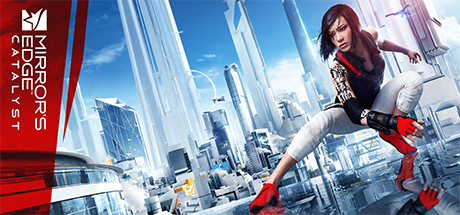
Mirror's Edge™ Catalyst raises the action-adventure bar through fluid, first person action and immerses players in Faith's story as she fights for freedom.
Mirror's Edge™ Catalyst is a parkour, female protagonist and open world game
developed by DICE
and published by Electronic Arts.
Released on June 04th 2020 is available only on Windows
in 10 languages: English, French, Italian, German, Spanish - Spain, Japanese, Portuguese - Brazil, Russian, Polish and Traditional Chinese.
It has received 15,297 reviews of which 12,334 were positive and 2,963 were negative resulting in a rating of 7.9 out of 10. 😊
The game is currently priced at 19.99€ on Steam.
The Steam community has classified Mirror's Edge™ Catalyst into these genres:
Media & Screenshots
Get an in-depth look at Mirror's Edge™ Catalyst through various videos and screenshots.
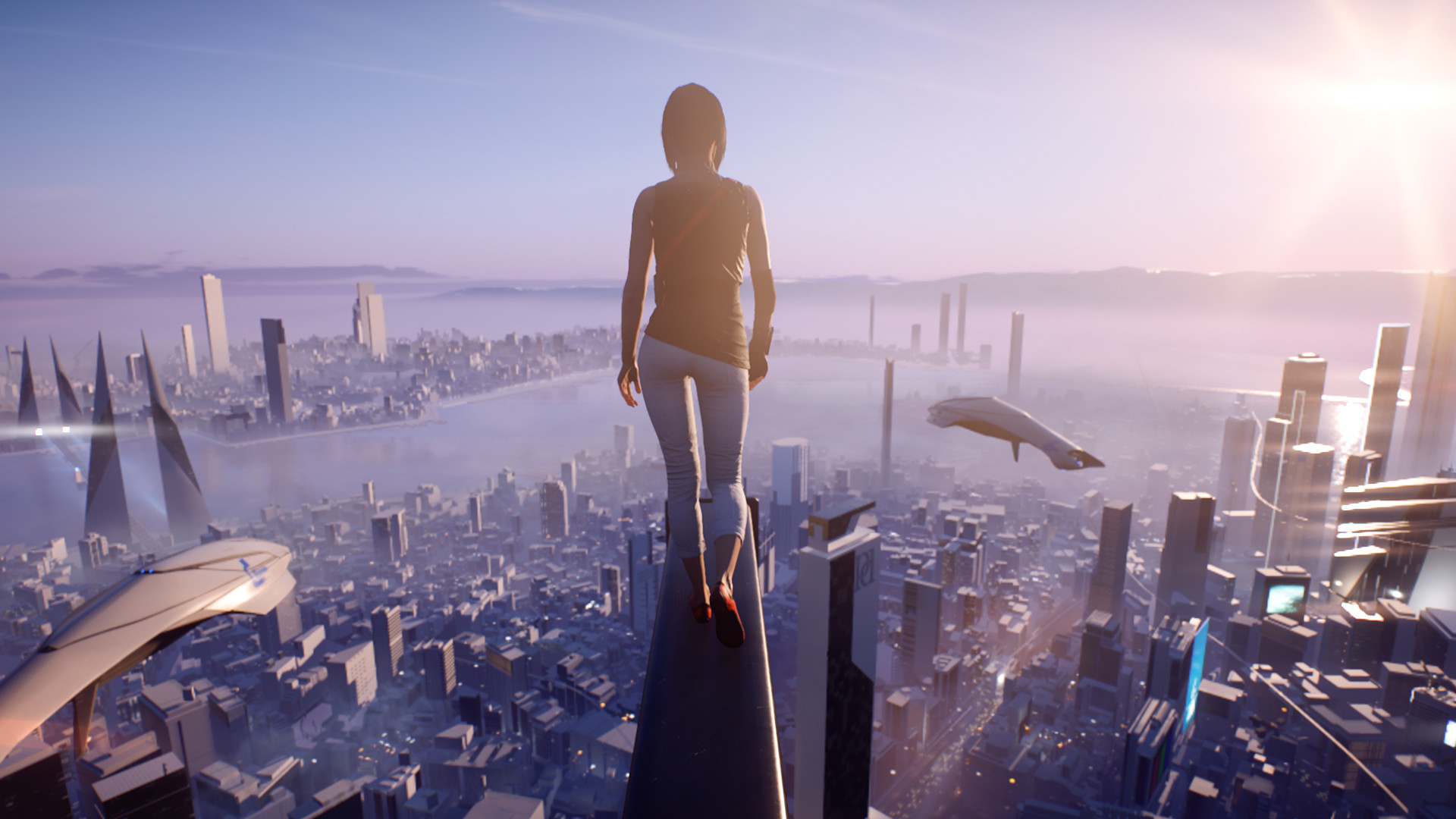
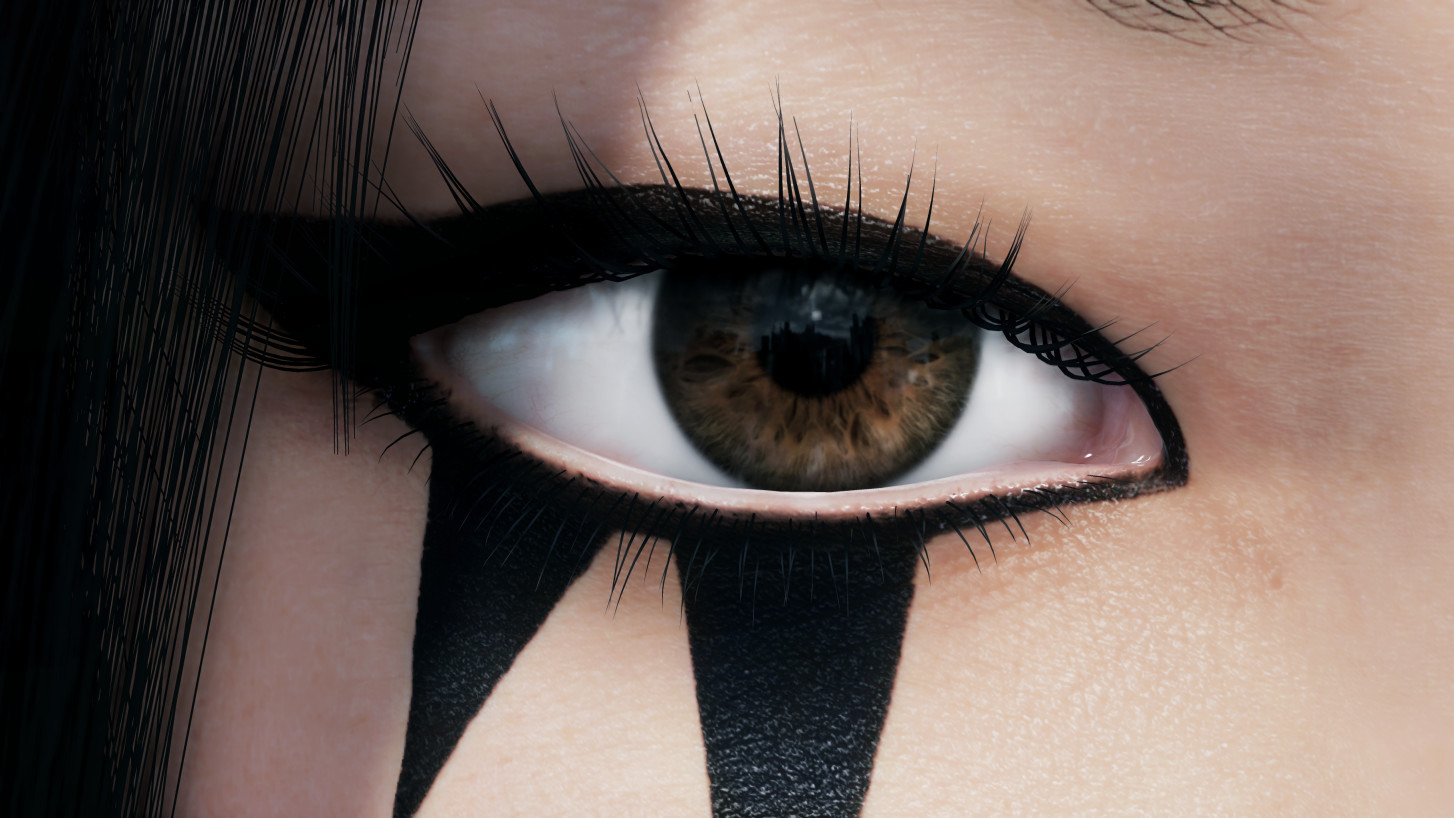
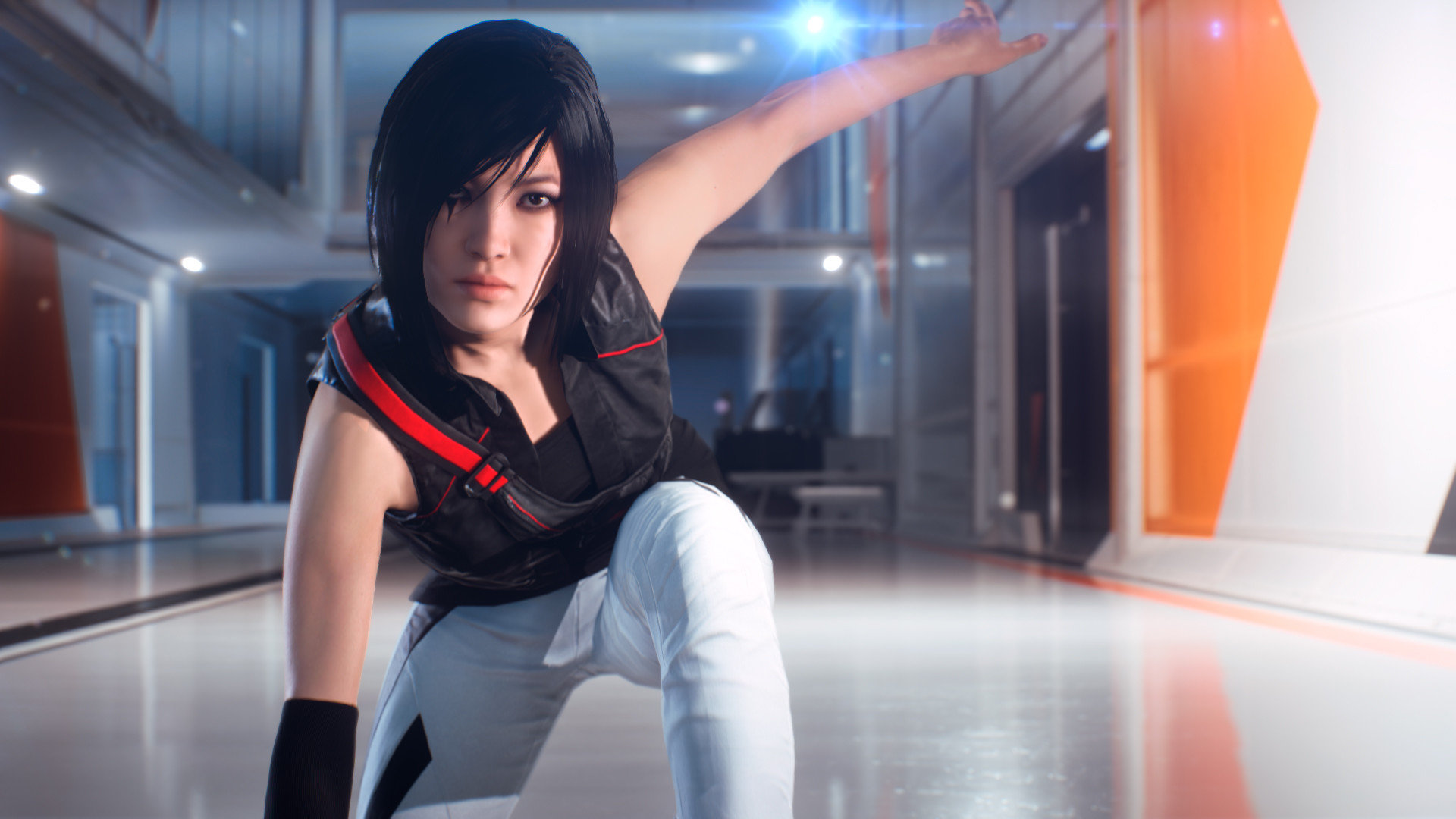
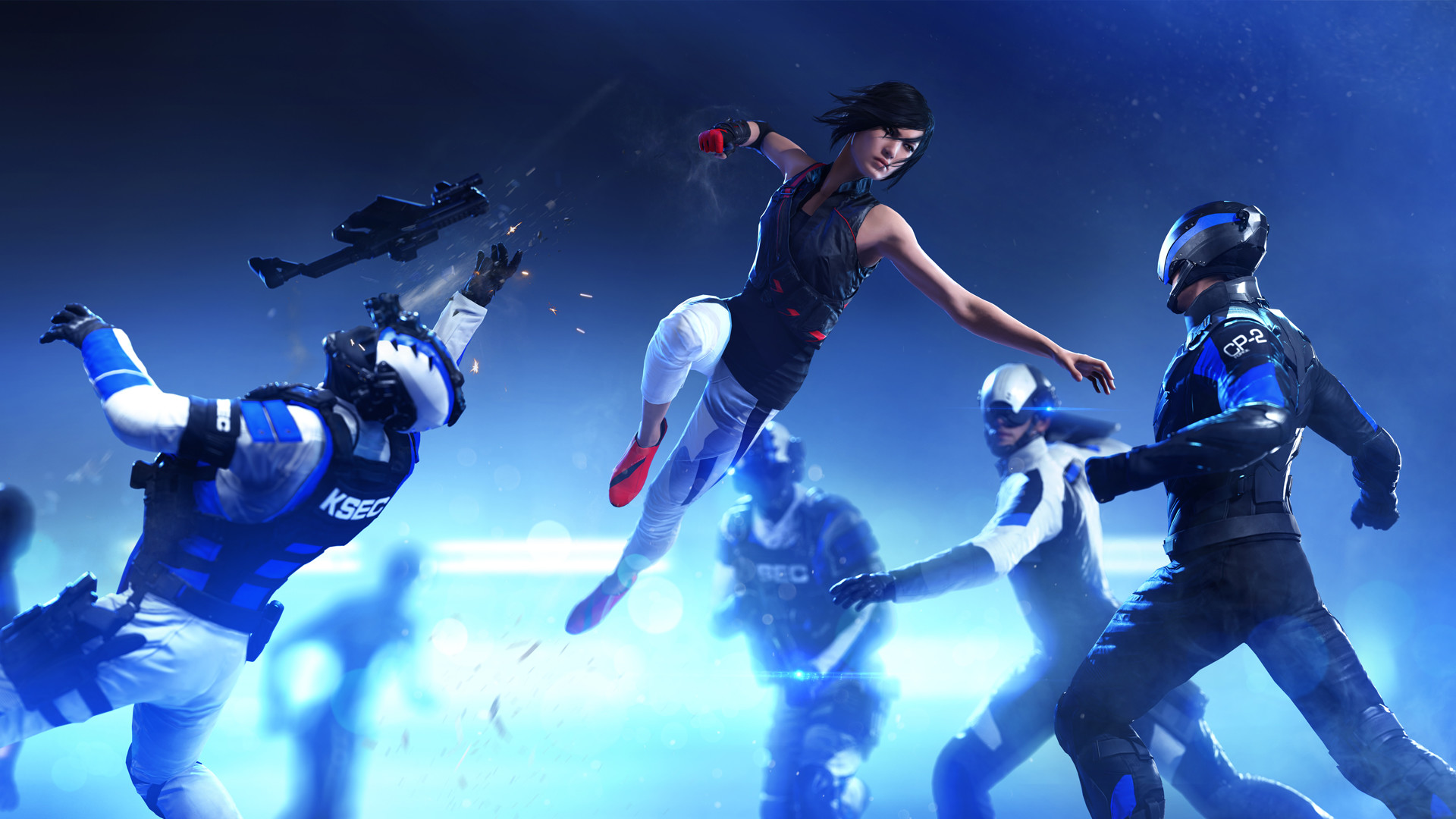
Load More
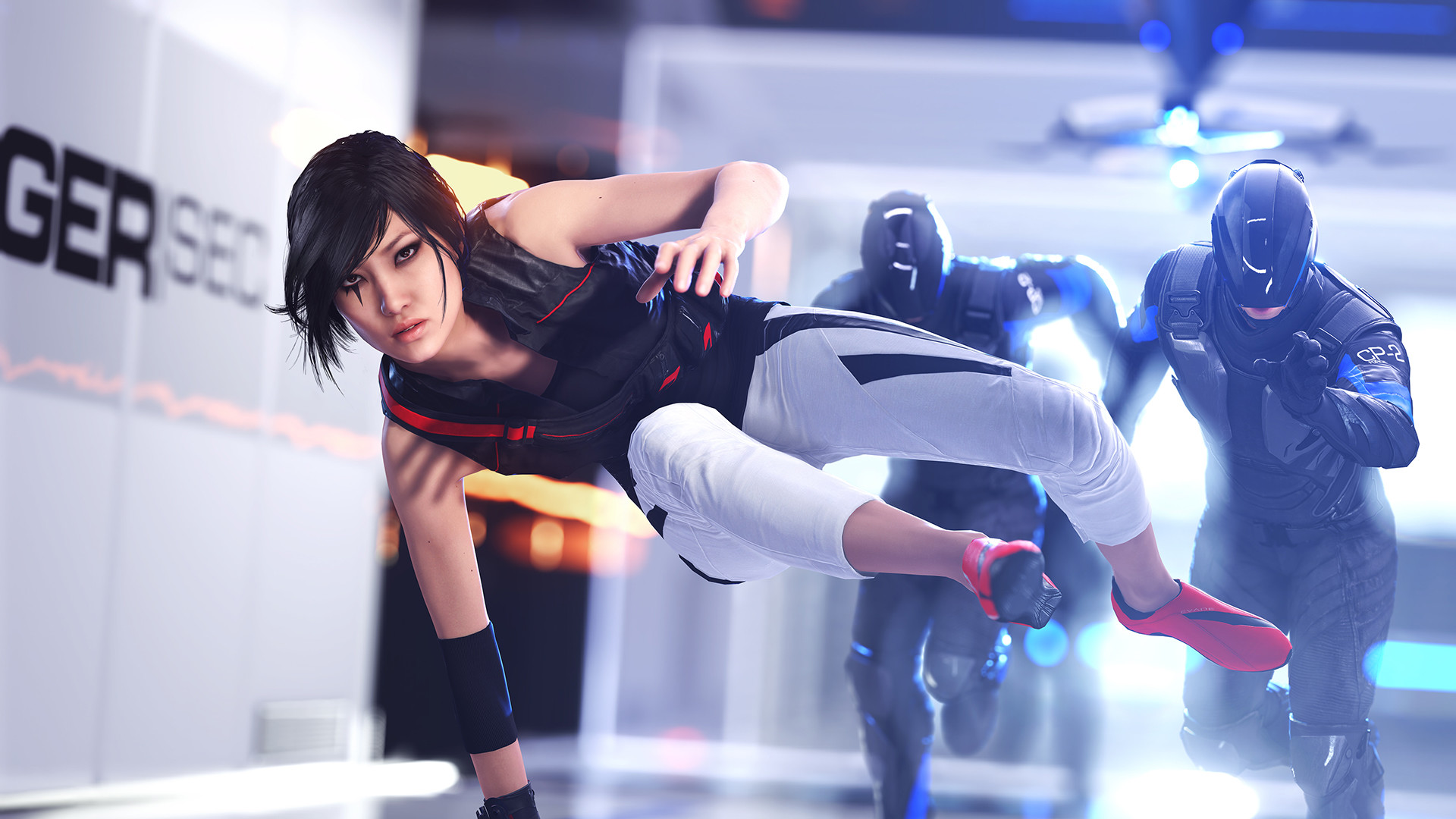
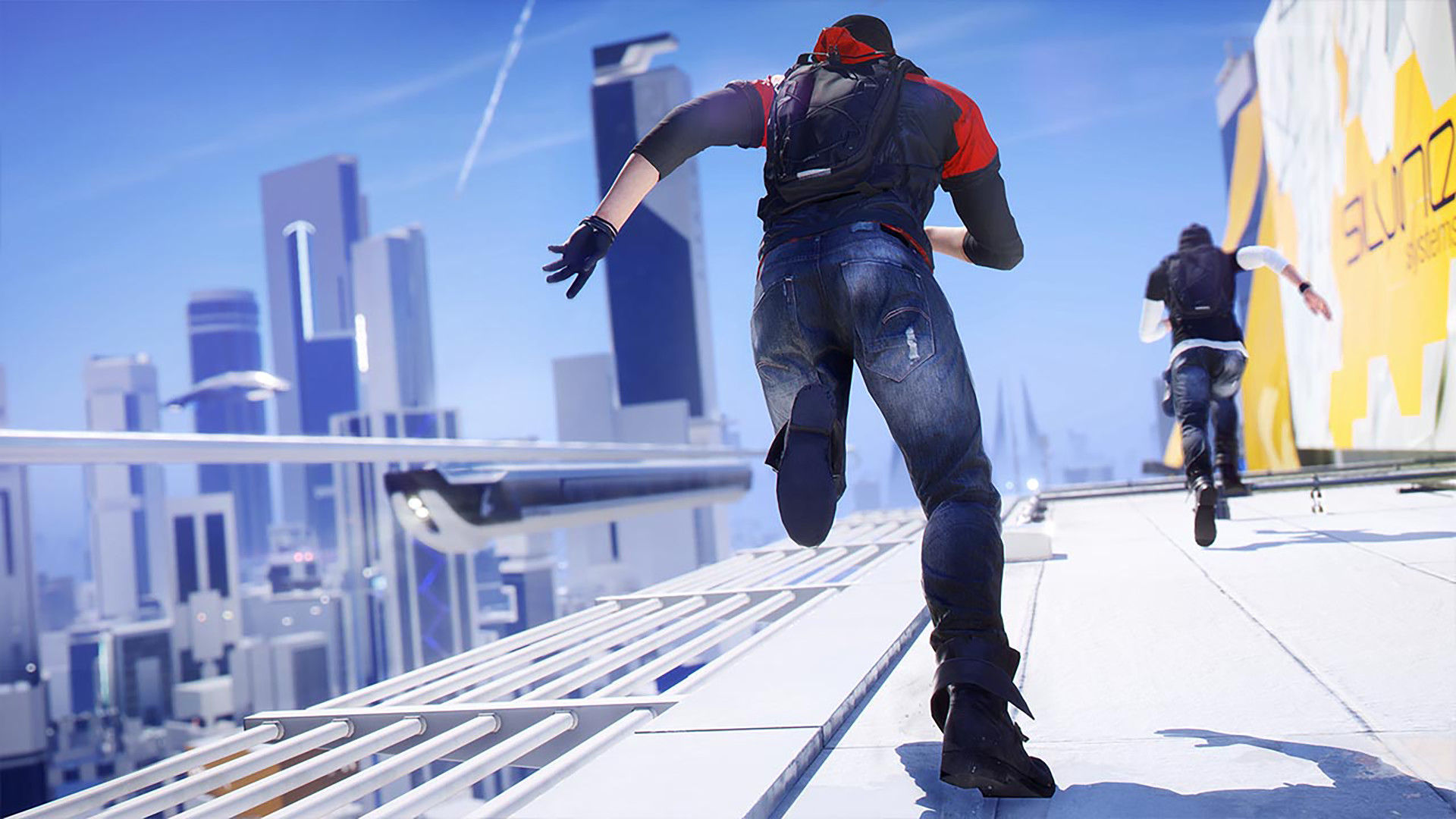
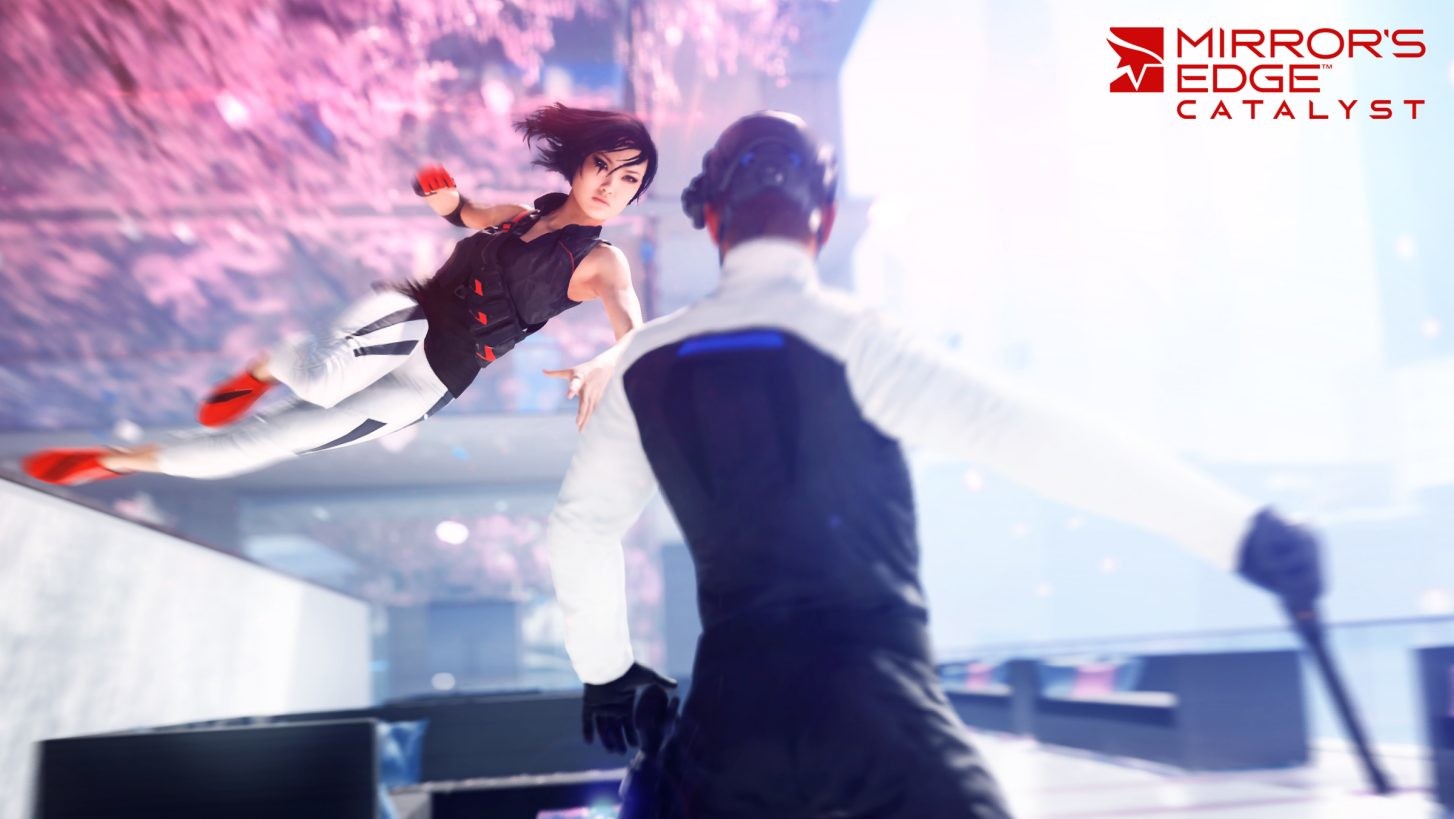
System requirements
These are the minimum specifications needed to play the game. For the best experience, we recommend that you verify them.
Windows
- Requires a 64-bit processor and operating system
- OS *: Windows 7 64-Bit (use the latest Service Pack)
- Processor: Intel i3-3250 / AMD FX-6350. (Note: Mirror's Edge Catalyst requires at least 4 logical cores to run)
- Memory: 6 GB RAM
- Graphics: NVIDIA GeForce® GTX 650 Ti 2GB or better / AMD Radeon™ R9 270x or better
- Storage: 25 GB available space
Steam Price & Best Deals
User reviews & Ratings
Explore reviews from Steam users sharing their experiences and what they love about the game.
As much as people will hate on this game, I personally think it's amazing. Yeah the story sucks hard and doesn't have any connection to the first game, but honestly the story to me doesn't matter at all. The gameplay and graphics sell it for me, The controls feel so smooth and responsive that it actually makes controlling Faith so much fun. The graphics in this game are so beautiful it's insane, For a game that came out 10 years ago and having it still look amazing is pretty impressive. However there are two major downsides to this game. First off you have to install the EA App to play it which is pretty annoying since every time you want to play the game it has to open the EA App first before it can launch the game. Screw EA for the forced DRM and screw them for killing off the Mirror's Edge IP. Second downside is that EA shut down the servers for this game so you can no longer unlock any new achievements, plus unlock the online only achievements. Thankfully a group of people were able to reverse engineer the EA servers so now it is actually possible to play the game the way it was intended. Huge shoutout to the beat revival project for working on this. And because of them, I was finally able to unlock the last two achievements I needed to get 100%. The project is currently in open beta so expect to encounter bugs and glitches while using it. link to the project: https://beatrevival.me Anyways I think this game is a 10/10 and its definitely worth playing despite its flaws.
First and foremost Ea closed its servers long time ago with this one so make sure to start game first then after first cinematic, close the game open the Ea app and turn on the offline mode. Then you wont get the infinte loading screen, then after sometime Ea app will want you to go online so they can just confirm that you own the game so you can just use the app at online mode from now on it wont effect the game. Story was good. Faith is an amazing main character Runing feels smooth Combat is not clunky but bit boring. Side story quests also not bad enjoyable Now collectibles are worthless other than recordings Side quest are just one type of quests copy pasted 10000 times over and over again makes no sense. Grid tower hacking quests are the best to be fair. This games problem is dice tried to reboot it but hide everything that could make this game way way more understanble about the story line behind the collectible recordings which you need re do story missions again to find all of em. Terrible idea. Just listen them from youtube after you finished the game. Good story. Performs well. Repetitve side quests Confusing world building. 7/10
I love the original Mirror's Edge. I bought it for full price at release, gifted it to others, and I've even repurchased it for other platforms during my console pleb phase of the 2010s. Over the past fifteen years I've replayed it at semi-regular intervals and I've pretty much endlessly sung its praises despite being fully aware of and acknowledging its many flaws. But Mirror's Edge is one of those games that just inspires something in me—its world, characters, and audiovisual presentation are unlike anything else I've ever played. When Catalyst was finally announced I was filled with excitement, a sequel to one of my favourite games was finally happening. Then, it was revealed that the game was going to be an origin story reboot, to a game series that only had one game. Then Catalyst released to what can mostly only be described as a dull thud. Where the first game was considered a cult classic masterpiece with a devoted following, Catalyst felt like some kind of rejected HBO series masquerading in Mirror's Edge cosplay. In terms of its narrative tone and characters it felt nothing like the original game. Who was it even for? After hearing of the general disappointment and lack of enthusiasm towards Catalyst I ended up ignoring it for many years as there were simply too many other games at the time that interested me. Why play a mediocre sequel to one of my favourite games? Years later I'd finally pick up Catalyst here on Steam at a steep discount, though I'd only briefly touch it before being put off by the narrative dissonance with the first game. Where were the characters from the original? Why did Faith act and sound like a completely different character? Fast forward a few more years to 2025 and I finally came back to Catalyst nearly a full decade after its original release. This time I stuck it out and I'm glad that I did, because if you're anything like me—a huge fan of the original game—then Catalyst is worth playing despite its narrative shortcomings. The first game's story and characters are not particularly robust, but we've come to like those aspects of it anyway as there's a certain level of charm in the cast's simplicity and those Esurance FMVs (which are thankfully gone in Catalyst). But it's all really just window dressing for the real character of Mirror's Edge: The City of Glass . Yes, the world of Mirror's Edge itself is the real star; and, while I prefer the way it was presented in the original over Catalyst, it's still the star of the show here as well. If the thing that you loved about the original game was the gameplay above all else, then the mediocre story and characters of Catalyst are worth sifting through to get to the core of the experience. That's not to say that Catalyst isn't without other flaws as there are many. The open world is full of pointless and meaningless tasks to complete that feel appropriate for a game released in 2016 following every trend of the era. Those pointless tasks are even more meaningless now a decade later due to the online servers being shut down in typical EA fashion. None of the social features work and numerous achievements—even the ones strictly related to single-player—are completely and utterly broken. When you launch the game the first thing you're greeted to is a message about failing to connect to the game's servers, which doesn't exactly make for a great first impression. Catalyst is ultimately a failed reboot to a series that the IP holder views in contempt for its inability to generate mass market appeal. EA ultimately isn't interested in creating unique and compelling games for the sake of art; the company is only interested in extrapolating whatever financial value it can from every IP it owns and will cast said IPs into the abyss should they no longer be deemed to carry any meaningful financial return on investment according to the company's own vague standards. EA itself might be the most notorious game company in existence for acquiring and destroying a variety of compelling intellectual properties due to its own incompetence and inability to understand what makes them interesting. But, I digress; this is supposed to be a review of Mirror's Edge Catalyst, not EA's uncanny ability to destroy and bury game franchises. Catalyst is a wholly uncompelling and uninteresting game from a narrative perspective compared to its predecessor. It feels like it was made by people who didn't see the original as a success and wanted to force it to have broader narrative appeal. They accomplished this by metaphorically killing every character from the original besides the protagonist and one other who has been more or less reimagined into a different character. Everyone else has been replaced with less interesting and even more underutilized people. It would have been interesting to see the original's cast come back in extended roles, fleshing out their backstories and the depths of their character, but we instead got a bunch of living and breathing cliches to replace them, like their personalities and dialogue were designed by an AI algorithm instead of real people. Most of them are forgettable and annoying; they all stand around doing nothing and you can't interact with anyone outside of cutscenes, and their character arcs never amount to anything interesting beyond serving as a footnote in the game's mediocre plot by the end, which takes a skydive from the highest mountain possible with no parachute in the game's final act that is appropriately bewildering to see unfold. I found myself laughing at its absurdity and legitimately felt like I was watching a parody of cheesy 90s action films like Speed , except Catalyst presented these moments of sheer absurdity in a manner which genuinely felt like they were meant to be taken seriously. You could reskin everyone involved in the game's finale with Sonic characters and it would feel much more appropriate. But, all of this aside, Mirror's Edge Catalyst preserves the gameplay aspects from the original that I adore. Running through this world is satisfying in a way that no other game I've yet to find has been able to emulate. The gameplay finale is incredibly disappointing but there are several set pieces scattered throughout the adventure that are worth experiencing. Mirror's Edge Catalyst may be terribly flawed and full of all of the worst EAisms imaginable such as their mandatory EA App bloatware and broken game functionality; yet, somehow—months after playing—Catalyst still lives on in my memory. I'm not sure whether or not I'll ever feel compelled to replay it again—and if I did I can't imagine I'd ever replay it to the same extent as the original—but I'm glad to have experienced it at least once. Its gameplay captures the right things from the original that left an unforgettable impression on me and it even manages to streamline some of the things about the original that were kind of annoying. The combat is significantly improved and is actually quite challenging and satisfying when you master it; some of the enemies really put up a mean fight. The soundtrack might not leave as much of an impression as the first's does but Solar Fields still shows up to deliver a respectful sophomore effort that feels in tune with the spirit of the original. My only other real complaint is that a game as beautiful as this deserves a minimalist hud, but it feels like there's always some kind of marker getting in your way reminding you of something you need to do or interact with that can't be disabled, which is really and truly unfortunate. Despite its myriad flaws, if you're a fan of the first Mirror's Edge then you should still play through Catalyst anyway. It lacks the same lighting in a bottle magic as the original but when you're free-flowing through the game world you'll occasionally see the same glimpses of that original game's magic, and those fleeting moments of zen-like bliss are worth chasing—even if only once.
Mirror's Edge Catalyst is a game where you spend 80% of your time feeling like a futuristic parkour god, and the other 20% furiously yelling at your screen because Faith decided to aggressively backflip off a skyscraper instead of grabbing the brightly colored pipe right in front of her. When the game actually works, it’s undeniably fun. Running seamlessly across the rooftops of the City of Glass, chaining together wall-runs, slides, and vaults puts you in an incredibly satisfying flow state. The city is gorgeous, and the raw sensation of speed is top-notch. But then, the game constantly trips over its own shoelaces: [*] The Inconsistent Parkour: For an experience entirely built around precise movement, the targeting has a mind of its own. There are way too many moments where your character randomly jumps to a point you weren't even looking at. You’ll be mid-run, aiming for a ledge, and suddenly Faith decides the air three feet to your left looks like a better place to be. It completely kills the momentum. [*] The Combat System: It is, to put it mildly, awful. You are frequently forced into weird, closed-off arena fights where you have to awkwardly kick armored guards into each other like a clumsy game of human bowling. It’s clunky, repetitive, and ruins the pacing of a game that is supposed to be about running away. [*] The Bugged Achievements: The absolute final insult. EA pulled the plug on the servers in late 2023, which didn't just remove the online leaderboards—it completely broke the achievement system. Even standard, offline single-player achievements are now a glitchy mess that refuse to unlock properly, making 100% completion essentially impossible without a headache. A genuinely fun freerunning simulator trapped inside a terrible combat system and ruined by classic EA server management.
I hate EA. I like this game, though. I don't know why I am so fascinated by the Glass City it's happening in, but I just am and I can't get enough of it. Still, I hate EA. Their disgusting launcher app is now defiling my computer, as they forced me to install it if I wanted to play Mirror's Edge Catalyst. The only reason I folded and did it is because I realised I have registered an account with EA back in 2008, for some reason. So, they already have my info. Still sucks.
Similar games
View all
Ninja Pizza Girl
Ninja Pizza Girl is a serious game about bullying, emotional resilience – and pizza delivering ninjas! It’s a fast, flow-based game about Gemma, a sixteen-year-old girl trying to keep her dreams alive in face of the most merciless enemies known to any teenage girl – other teenagers.

Forspoken
Forspoken follows the journey of Frey, a young New Yorker transported to the beautiful and cruel land of Athia. In search of a way home, Frey must use her newfound magical abilities to traverse sprawling landscapes and battle monstrous creatures.

CICADAMATA"
+ follow the white rabbit + hop, skip, and jump to become one with joyeuse, until you are no longer you +
TRON RUN/r
Return to the world of TRON with TRON RUN/r, a new lightning fast, action-adventure runner with a twist! Hone your DISC and CYCLE skills, then challenge the grueling STREAM program that throws endless combinations of modes and levels at you until you crash – how long can you survive?

Bloodthief
Bloodthief is an ultra-fast melee dungeon-runner where you use momentum to parkour through hazardous dungeons and brutally slash through enemies. Speed-run through haunted crypts and castles and learn what dark secrets lie beneath.

Downward: Enhanced Edition
Downward is a first-person open-world parkour based platform adventure set in the medieval ruins of a post-apocalyptic planet Earth. Make your way through breath-taking landscapes, face ancient guardians and unravel the deep mystery that lies behind the disappearance of humanity.
Frequently Asked Questions
Mirror's Edge™ Catalyst is currently priced at 19.99€ on Steam.
No, Mirror's Edge™ Catalyst is currently not on sale. You can purchase it for 19.99€ on Steam.
Yes, Mirror's Edge™ Catalyst received 12,334 positive votes out of a total of 15,297 achieving a rating of 7.89.
😊
Mirror's Edge™ Catalyst was developed by DICE and published by Electronic Arts.
Yes, Mirror's Edge™ Catalyst is playable and fully supported on Windows.
No, Mirror's Edge™ Catalyst is not playable on MacOS.
No, Mirror's Edge™ Catalyst is not playable on Linux.
Mirror's Edge™ Catalyst is a single-player game.
No, Mirror's Edge™ Catalyst does not currently offer any DLC.
No, Mirror's Edge™ Catalyst does not support mods via Steam Workshop.
No, Mirror's Edge™ Catalyst does not support Steam Remote Play.
No, Mirror's Edge™ Catalyst does not currently support Steam Family Sharing.
You can find solutions or submit a support ticket by visiting the Steam Support page for Mirror's Edge™ Catalyst.
Data sources
The information presented on this page is sourced from reliable APIs to ensure accuracy and relevance. We utilize the Steam API to gather data on game details, including titles, descriptions, prices, and user reviews. This allows us to provide you with the most up-to-date information directly from the Steam platform.
Additionally, we incorporate data from the SteamSpy API, which offers insights into game sales and player statistics. This helps us present a comprehensive view of each game's popularity and performance within the gaming community.
Last Updates| Steam data | 03 September 2026 09:26 UTC |
|---|---|
| SteamSpy data | 31 August 2026 19:43 UTC |
| Steam price | 03 September 2026 10:25 UTC |
| Steam reviews | 03 September 2026 03:47 UTC |
If you'd like to dive deeper into the details about Mirror's Edge™ Catalyst, we invite you to check out a few dedicated websites that offer extensive information and insights. These platforms provide valuable data, analysis, and user-generated reports to enhance your understanding of the game and its performance.
- SteamDB - A comprehensive database of everything on Steam about Mirror's Edge™ Catalyst
- SteamCharts - Analysis of Mirror's Edge™ Catalyst concurrent players on Steam
- ProtonDB - Crowdsourced reports on Linux and Steam Deck Mirror's Edge™ Catalyst compatibility

Game modes
Online players
36
Developer
DICE
Publisher
Electronic Arts
Release
04 Jun 2020
Platforms