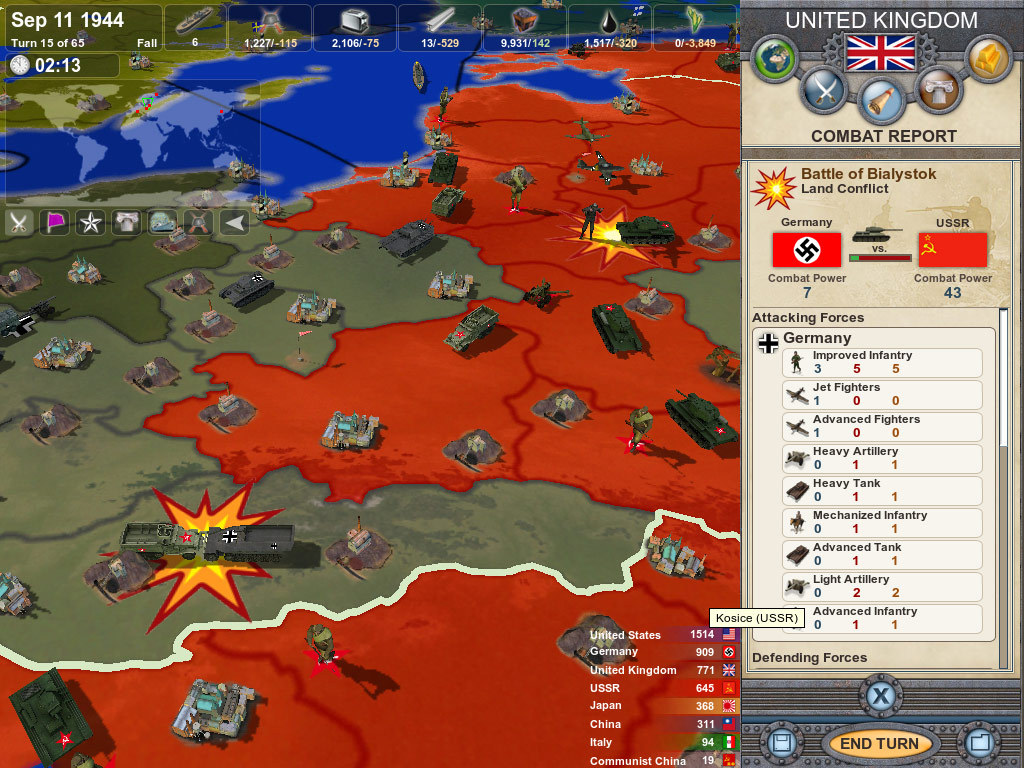
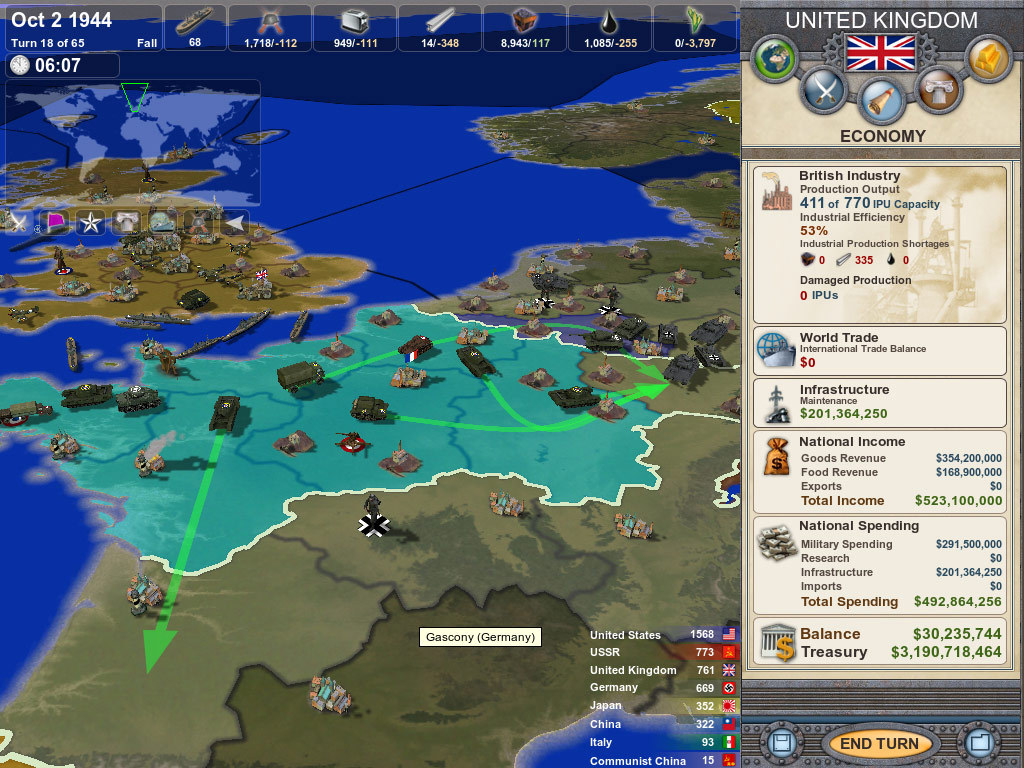
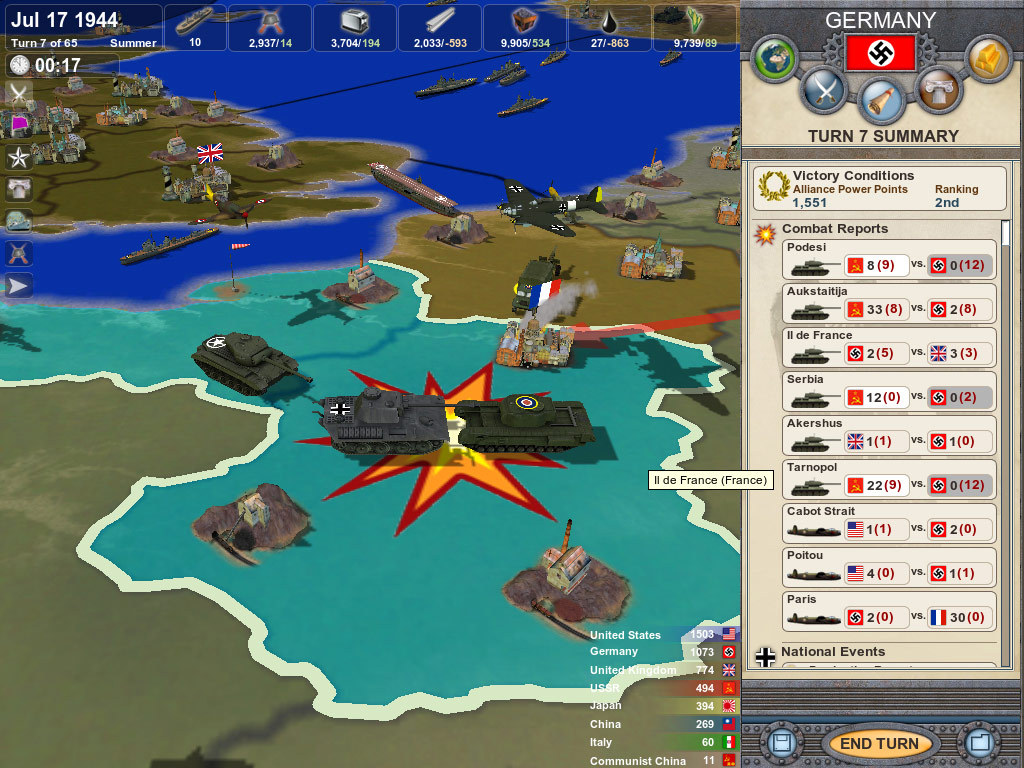
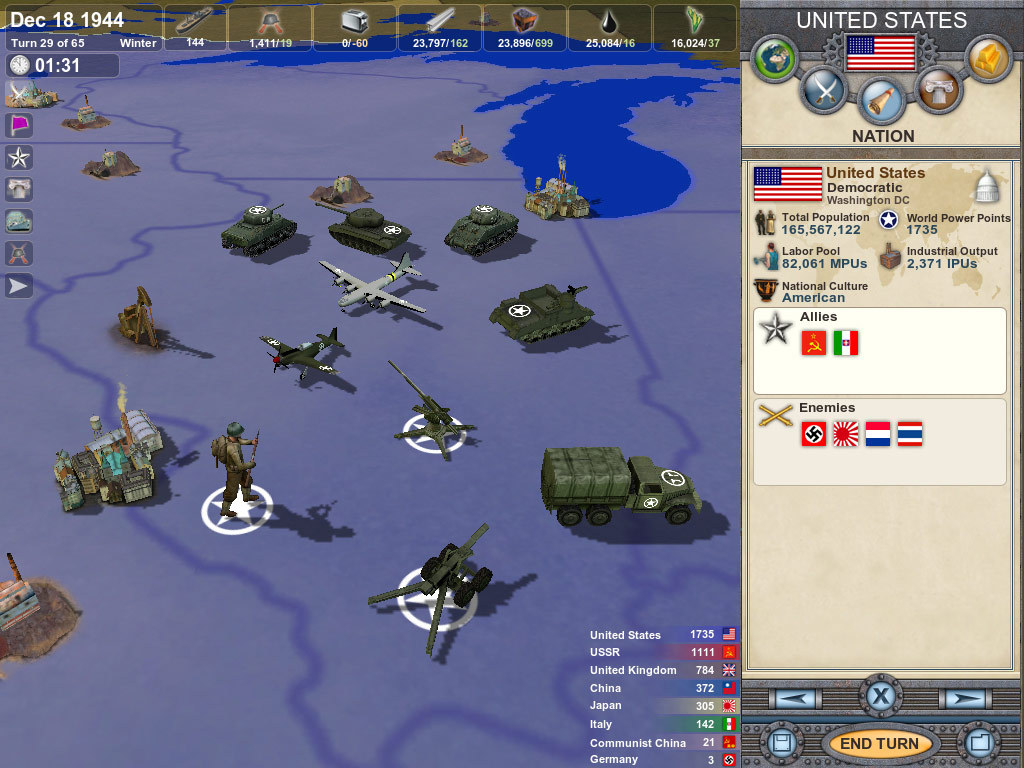
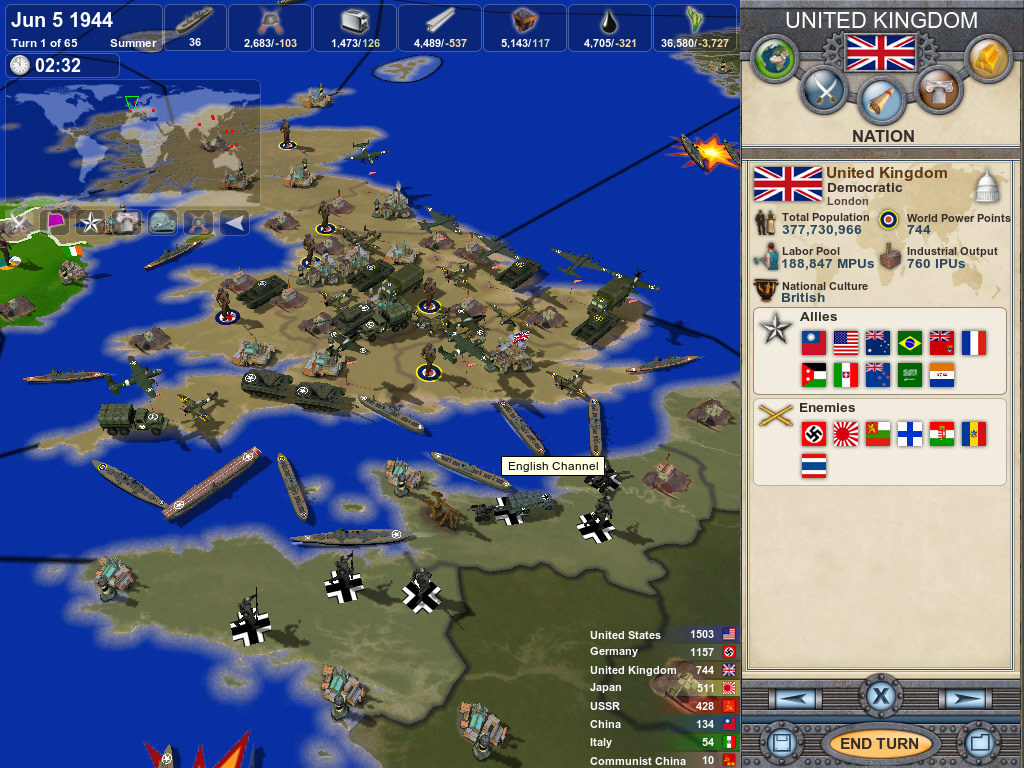
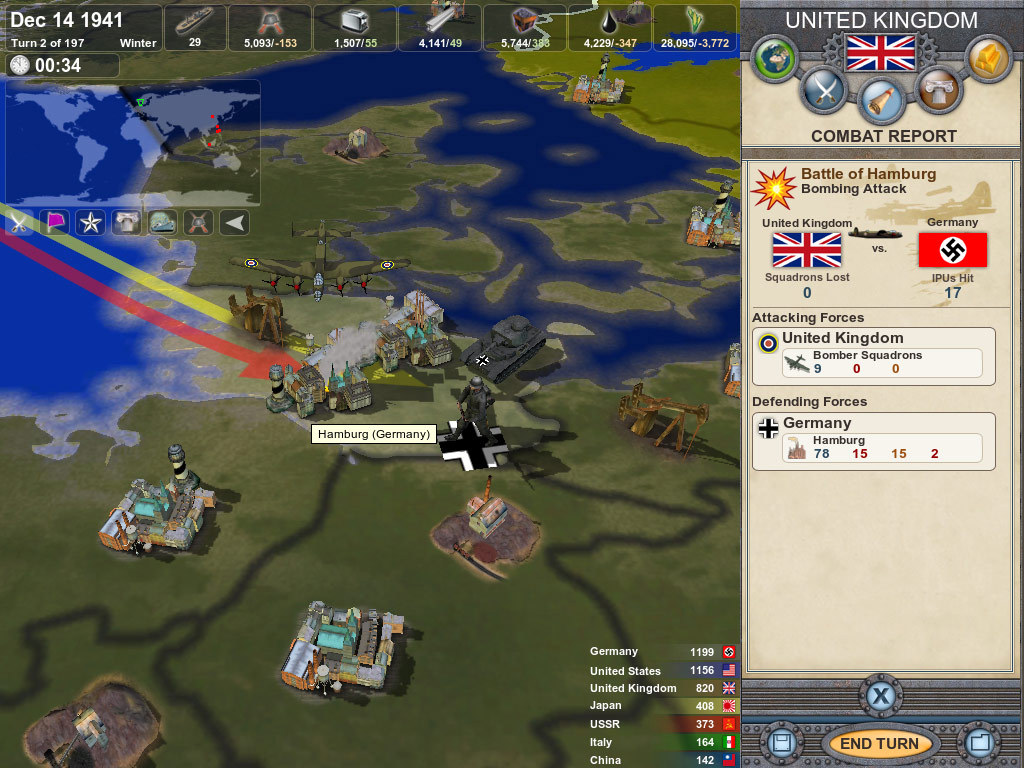
Making History: The Calm & The Storm, developed by Muzzy Lane and published by Strategy First, is a grand strategy title that explores one of history’s most turbulent periods through large-scale political, military, and economic simulation. Focused on the years surrounding the Second World War, the game places players into positions of national leadership where success depends not only on battlefield victories but on careful management of diplomacy, industry, resources, and international influence. Rather than treating war as a series of isolated military conflicts, the game attempts to capture the broader systems that shape global events, creating a strategic experience built around planning and long-term thinking. The scale immediately stands out as one of the game’s defining strengths. Players are not limited to controlling only the major powers commonly associated with World War II. While nations such as Germany, the Soviet Union, the United Kingdom, the United States, and Japan naturally occupy central roles within historical scenarios, the game allows players to guide many countries through one of history’s most unstable eras. This flexibility creates tremendous replay value because strategic priorities change dramatically depending on the nation selected. Playing a global superpower creates challenges centered around managing enormous military responsibilities and maintaining international influence. Smaller nations often present entirely different obstacles involving survival, economic growth, or political maneuvering. This variety keeps campaigns feeling fresh because each nation introduces unique circumstances and opportunities. The game adopts a turn-based structure that emphasizes thoughtful decision-making over speed or reflexes. Military operations remain important, but success depends heavily on balancing competing priorities. Expanding armed forces too aggressively can damage economic stability. Ignoring industrial development weakens long-term military strength. Diplomatic relationships influence trade opportunities and political leverage. Every system interacts with others in ways that encourage careful planning rather than impulsive action. Economic management becomes one of the experience’s deepest mechanics. Nations require stable production systems to sustain military growth and civilian needs simultaneously. Resource shortages can disrupt plans quickly, forcing players to adapt strategies based on available materials and industrial output. Oil supplies, food production, manufacturing capacity, and trade relationships all contribute toward national strength. Building a successful nation requires understanding how interconnected these systems become over time. Diplomacy introduces another major strategic layer. Alliances can shift, political relationships evolve, and negotiations influence future opportunities. Military expansion alone rarely guarantees victory. Strong diplomatic positioning often creates advantages that military power cannot achieve independently. Players can shape international relationships according to preferred strategies, creating alternate historical outcomes that move beyond real-world events. Combat remains an important component throughout campaigns, but battlefield engagements operate within a larger strategic framework. Armies require logistical support, stable economies, and long-term preparation to remain effective. The game consistently reinforces the idea that military success depends on infrastructure and planning rather than battlefield decisions alone. One of the strongest aspects of Making History: The Calm & The Storm is its willingness to embrace alternate history possibilities. Historical scenarios establish the foundation, but players are free to alter outcomes significantly through their decisions. Nations that struggled historically may thrive under different leadership approaches. Alliances can form unexpectedly. Political developments may unfold in entirely different directions depending on player priorities. The freedom to reshape global history adds considerable replay value. Each campaign can evolve differently because player decisions influence international relationships and geopolitical stability. The experience becomes less about repeating historical events and more about exploring possibilities within historical conditions. Scenario editing tools further expand long-term value by allowing players to modify conditions and create unique geopolitical situations. The ability to experiment beyond historical boundaries helps maintain longevity while encouraging creativity and strategic experimentation. Visually, the presentation reflects the era in which the game originally released. Interface design prioritizes information delivery over modern visual spectacle. Maps, menus, and data systems remain central to gameplay, reinforcing the simulation-focused nature of the experience. While newer players may initially notice older presentation standards, strategy enthusiasts will likely appreciate the emphasis on functionality and clarity. The learning curve remains one of the largest barriers to entry. New players unfamiliar with grand strategy design may initially feel overwhelmed by the number of systems demanding attention simultaneously. Military planning, diplomacy, economics, industrial management, and political decisions all require consideration. Patience becomes essential because much of the game's depth reveals itself gradually. Pacing also reflects its strategic focus. Players seeking nonstop action or constant battlefield engagement may struggle with the slower structure. Making History values preparation and long-term planning above immediate excitement. Campaigns unfold through careful choices rather than rapid escalation. What makes Making History: The Calm & The Storm memorable is how effectively it captures the complexity behind global conflict. The game consistently reminds players that wars are shaped not only by soldiers and battles but by economies, diplomacy, resources, and leadership decisions unfolding behind the front lines. Players who enjoy historical simulation, alternate history scenarios, and strategy experiences built around large-scale decision making will find considerable depth here. Despite showing its age in some areas, the underlying systems remain engaging and rewarding for those willing to invest time mastering them. A detailed and ambitious grand strategy experience that successfully combines historical authenticity, political complexity, and meaningful decision-making into a rewarding simulation of one of history’s most important eras. Rating: 7/10
Expand the review