
Rem Survival
Scavenge abandoned ruins, craft gear from scrap and salvaged materials, and fight the environment itself as hunger, exposure, and exhaustion push you to your limits. There are no second chances—only adaptation or death.
Sync your Steam wishlist to find the lowest game prices instantly. No login required, just paste your Steam profile URL!
⚡ Try Wishlist Radar!
Sync your Steam wishlist to find the lowest game prices instantly. No login required!
⚡ Try Wishlist Radar!
Close

KeepUp Survival on Steam
Quick menu
KeepUp Survival is an open-world base-building and exploration game set in a natural, abandoned world. Build, gather, survive, and shape your own story on a mysterious island.
KeepUp Survival is a open world survival craft, base-building and survival game
developed and published by Witte Studio.
Released on March 05th 2024 is available on Windows, Steam Deck and Steam Machine.
It has received 671 reviews of which 434 were positive and 237 were negative resulting in a rating of 6.3 out of 10. 😐
The game is currently priced at 5.91€ on Steam with a 60% discount.
The Steam community has classified KeepUp Survival into these genres:
Media & Screenshots
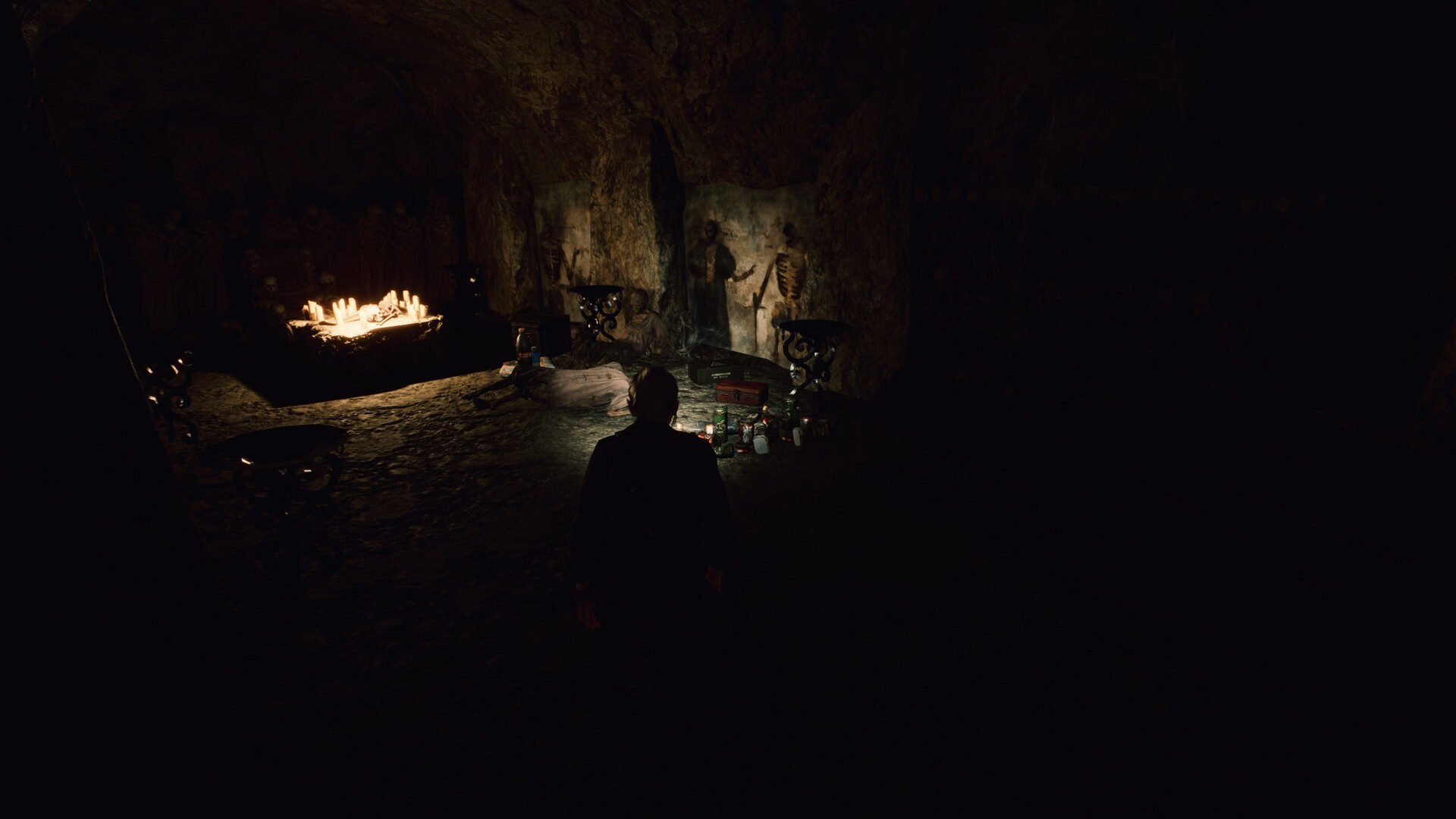
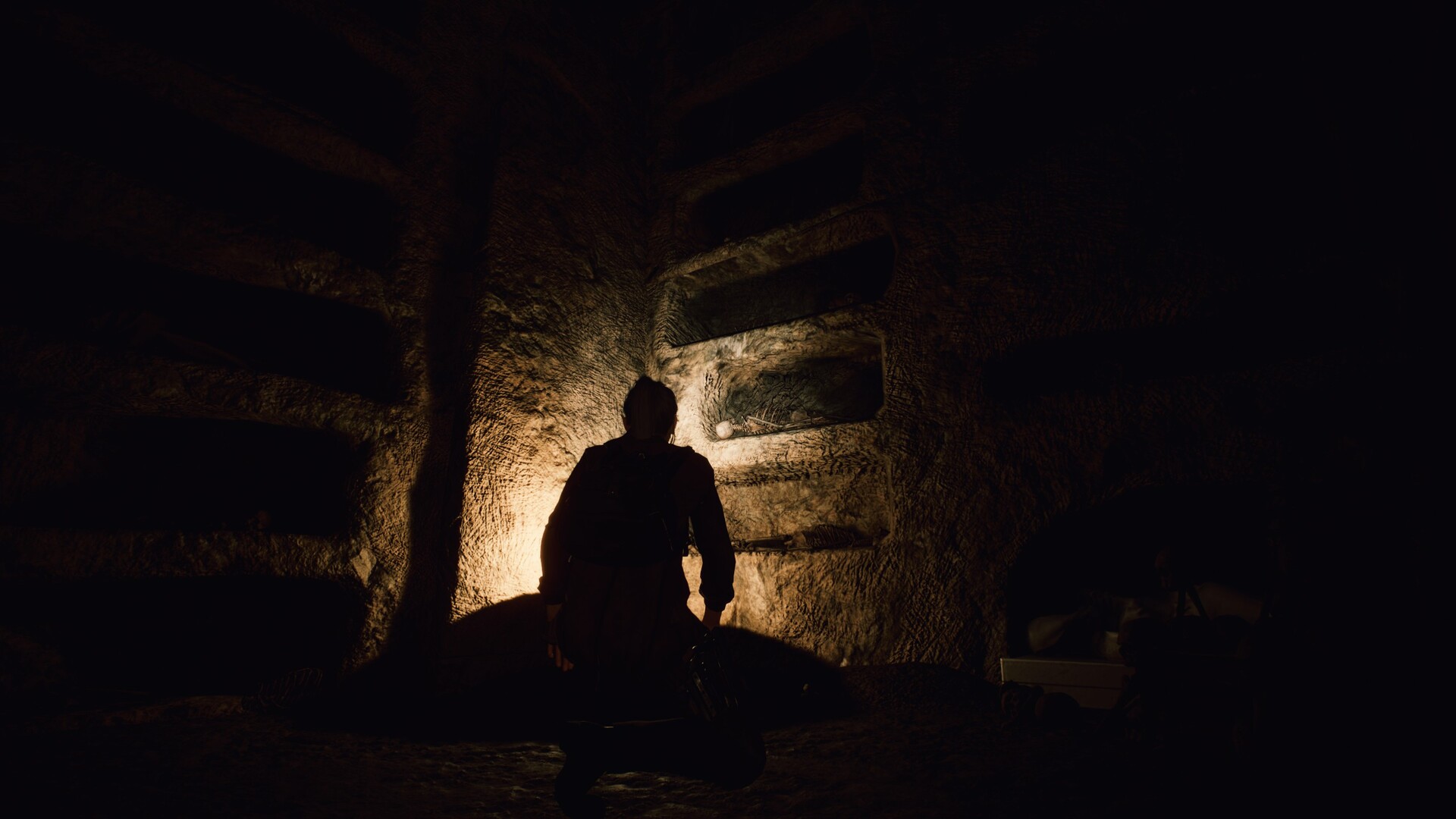
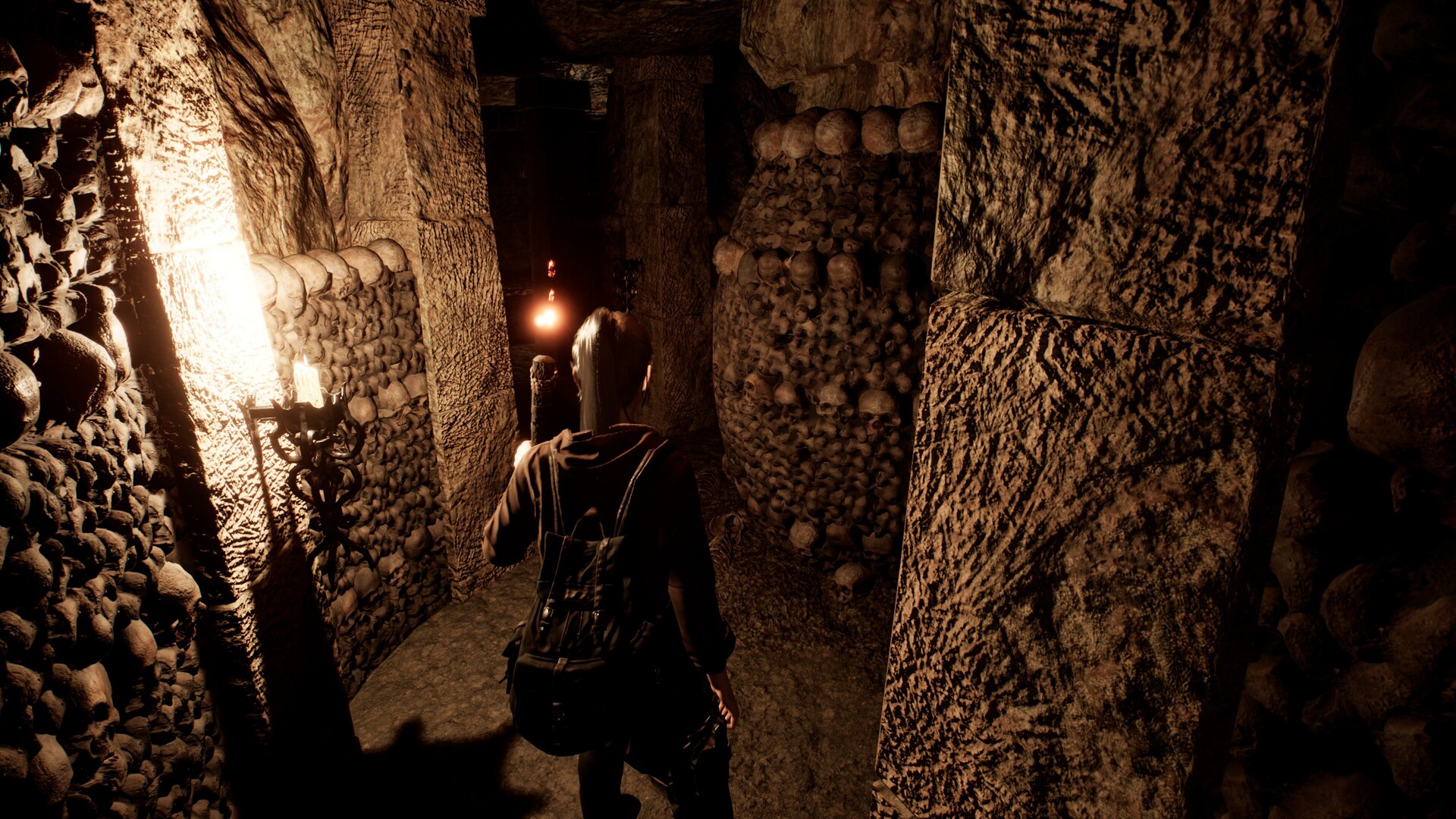
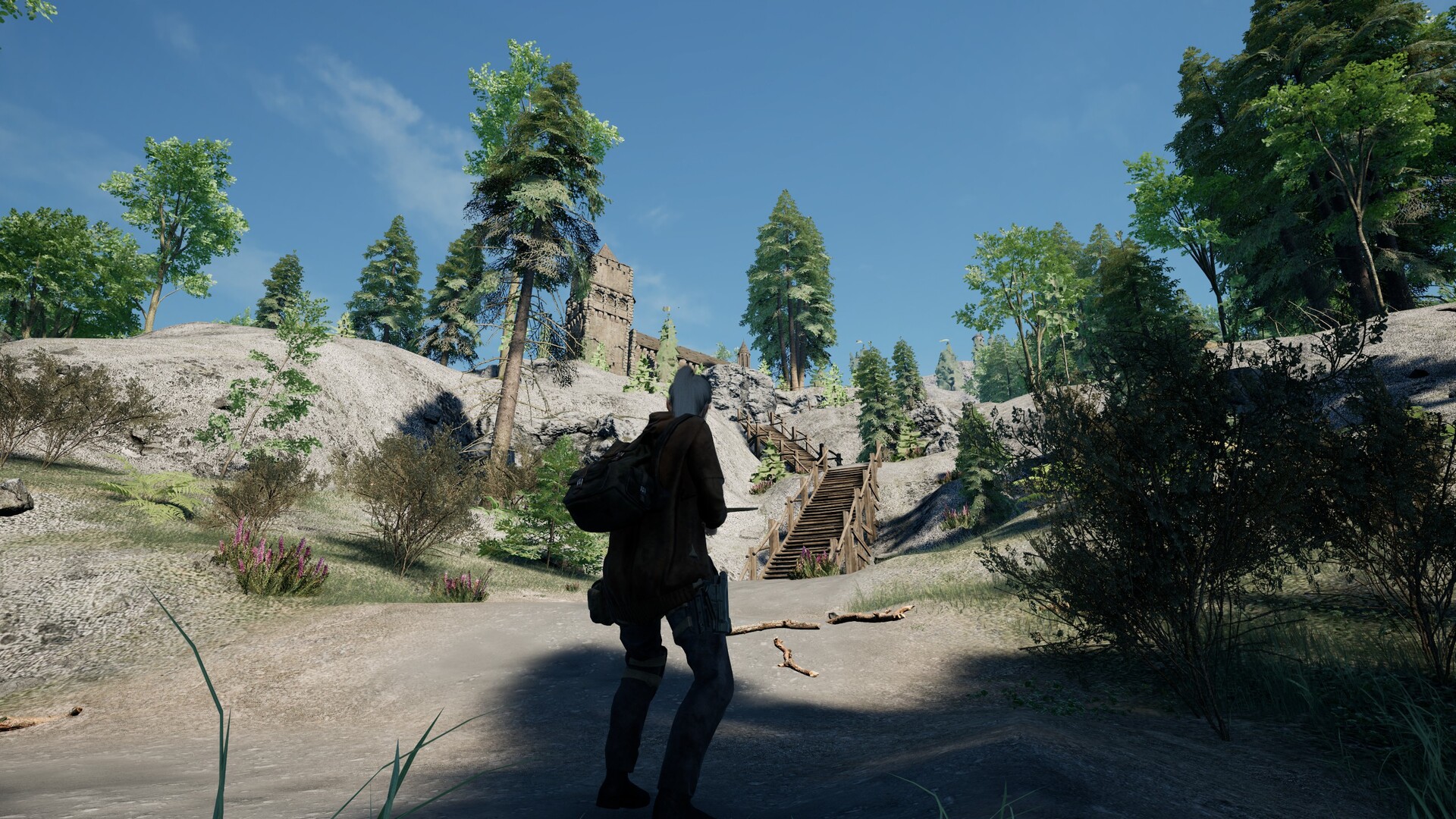
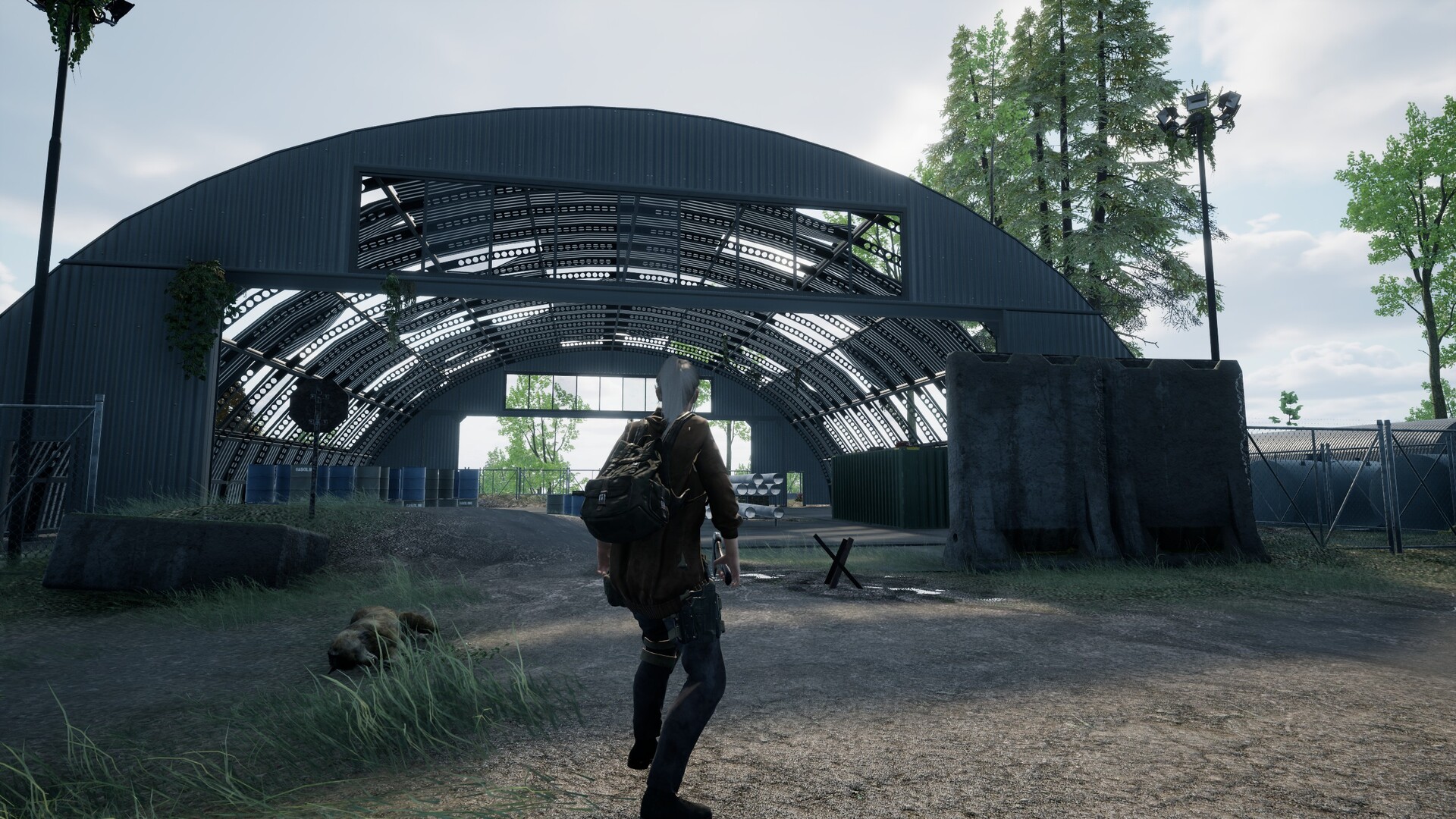
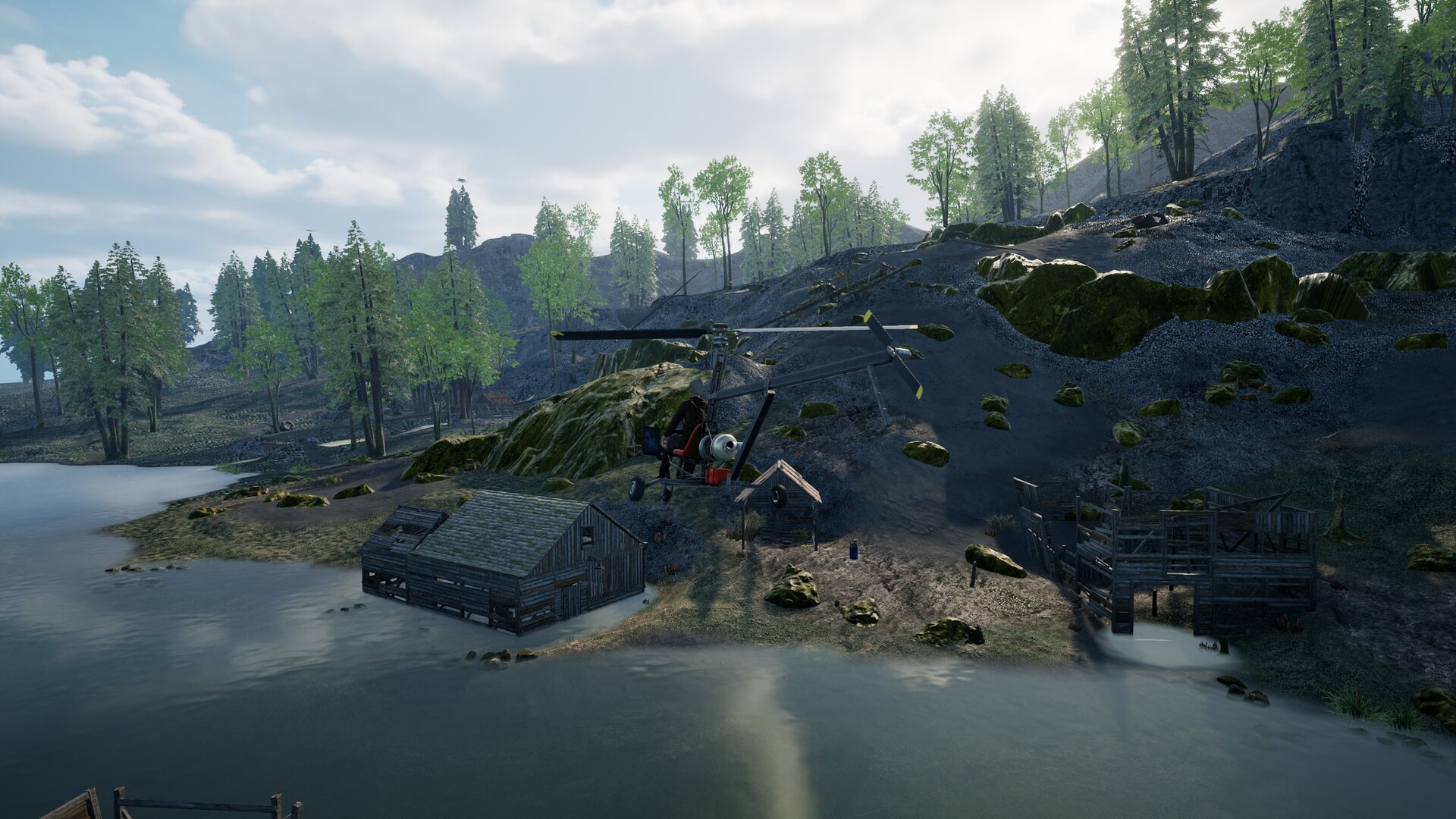
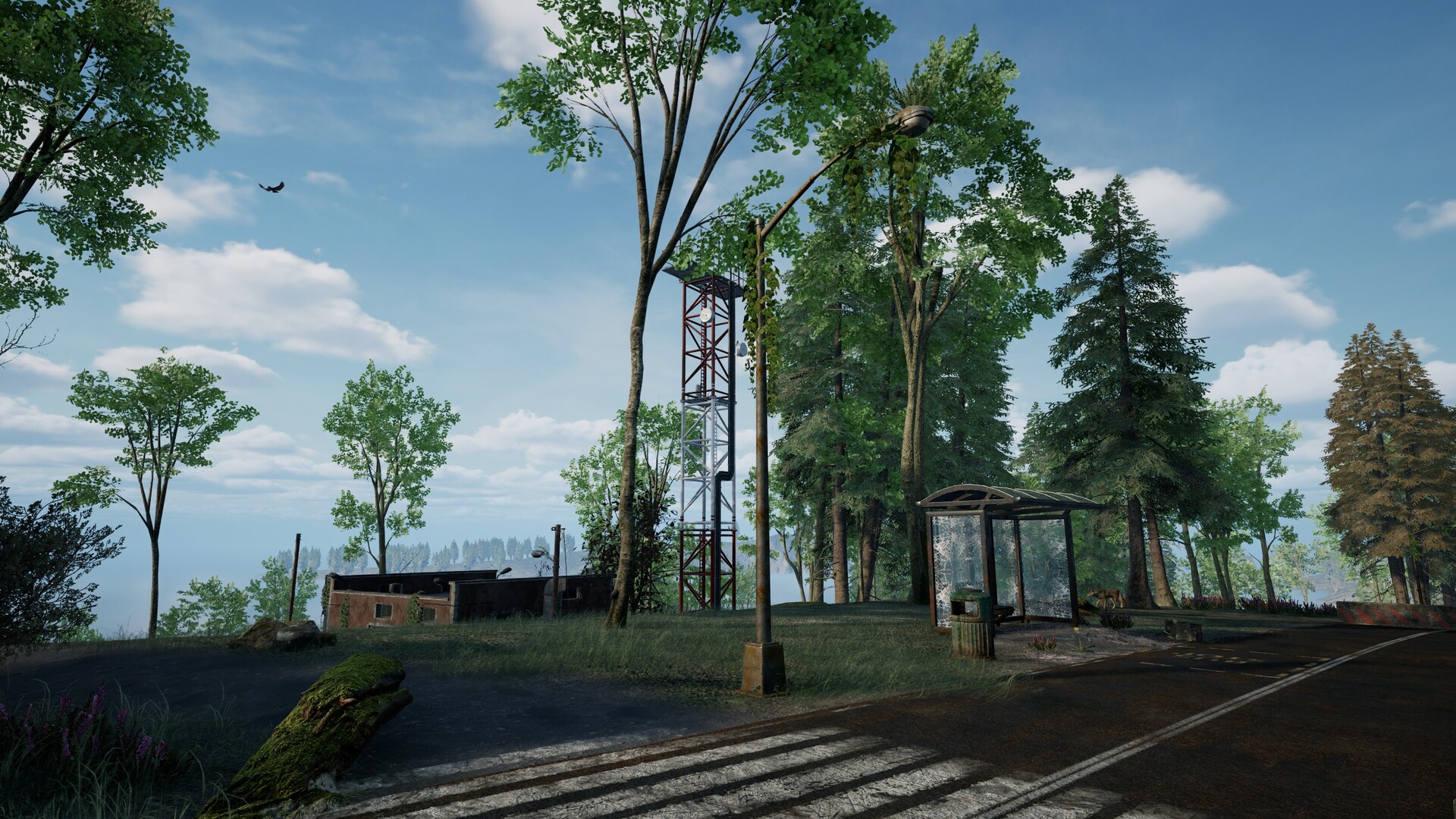
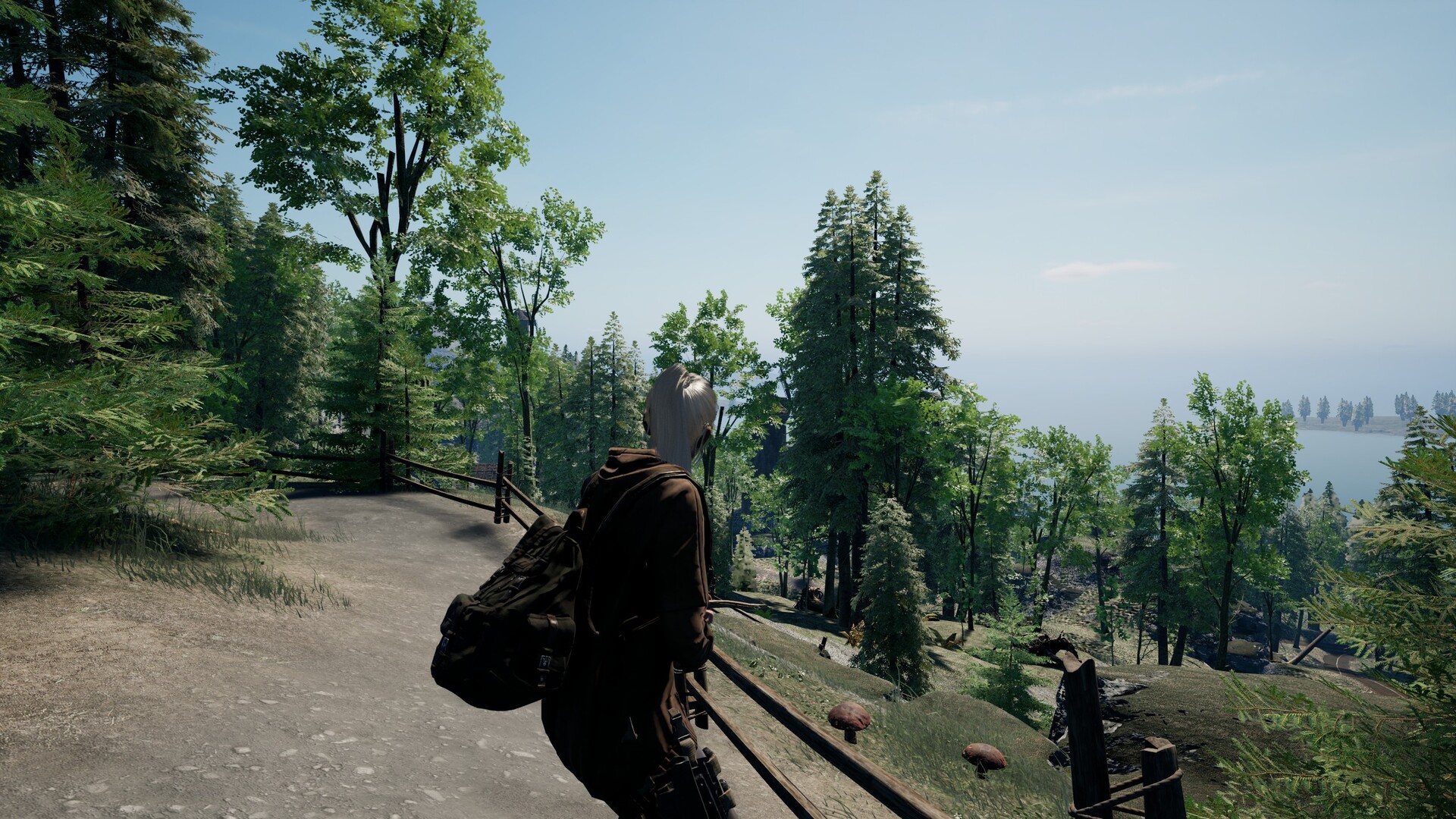
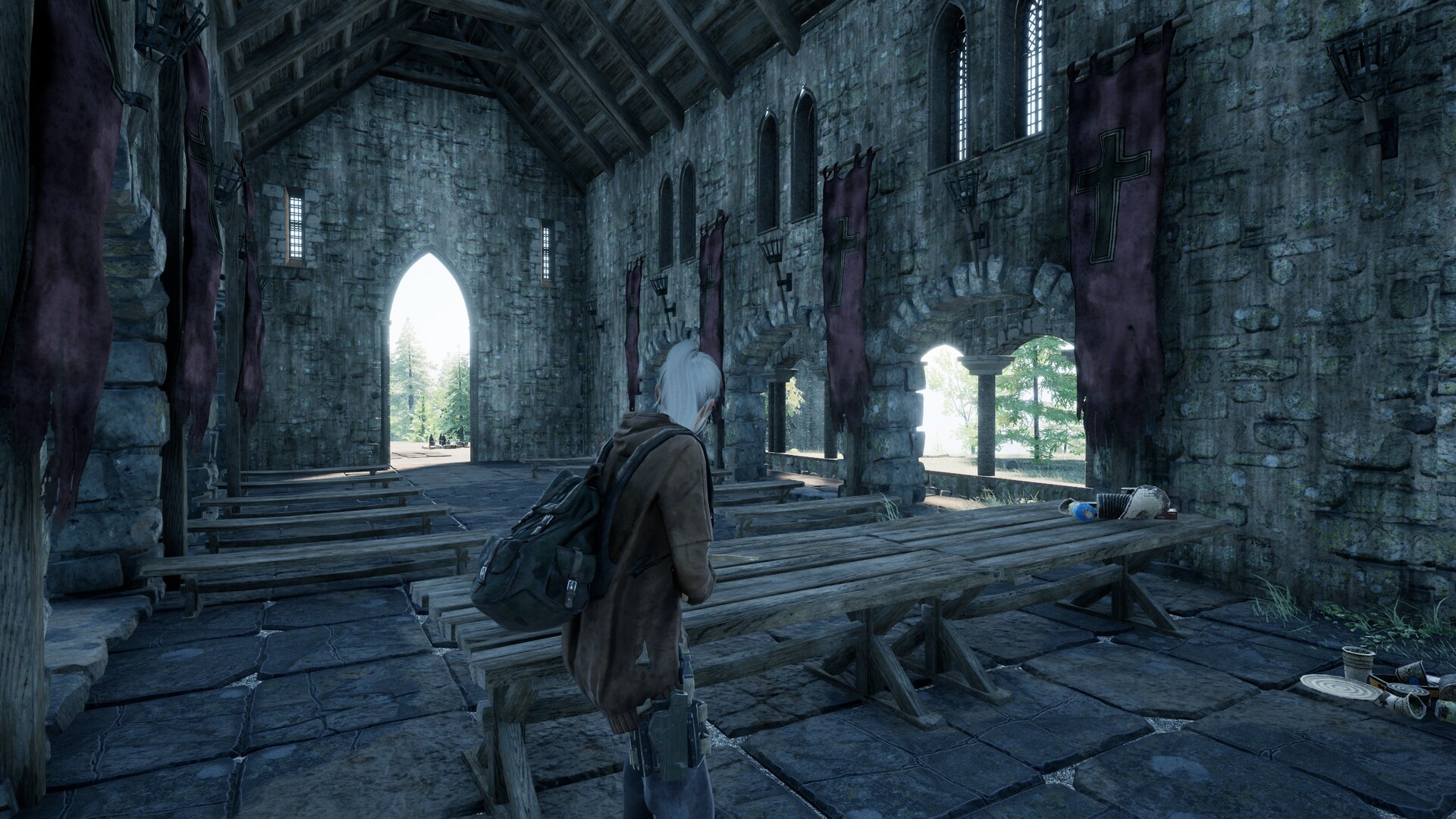
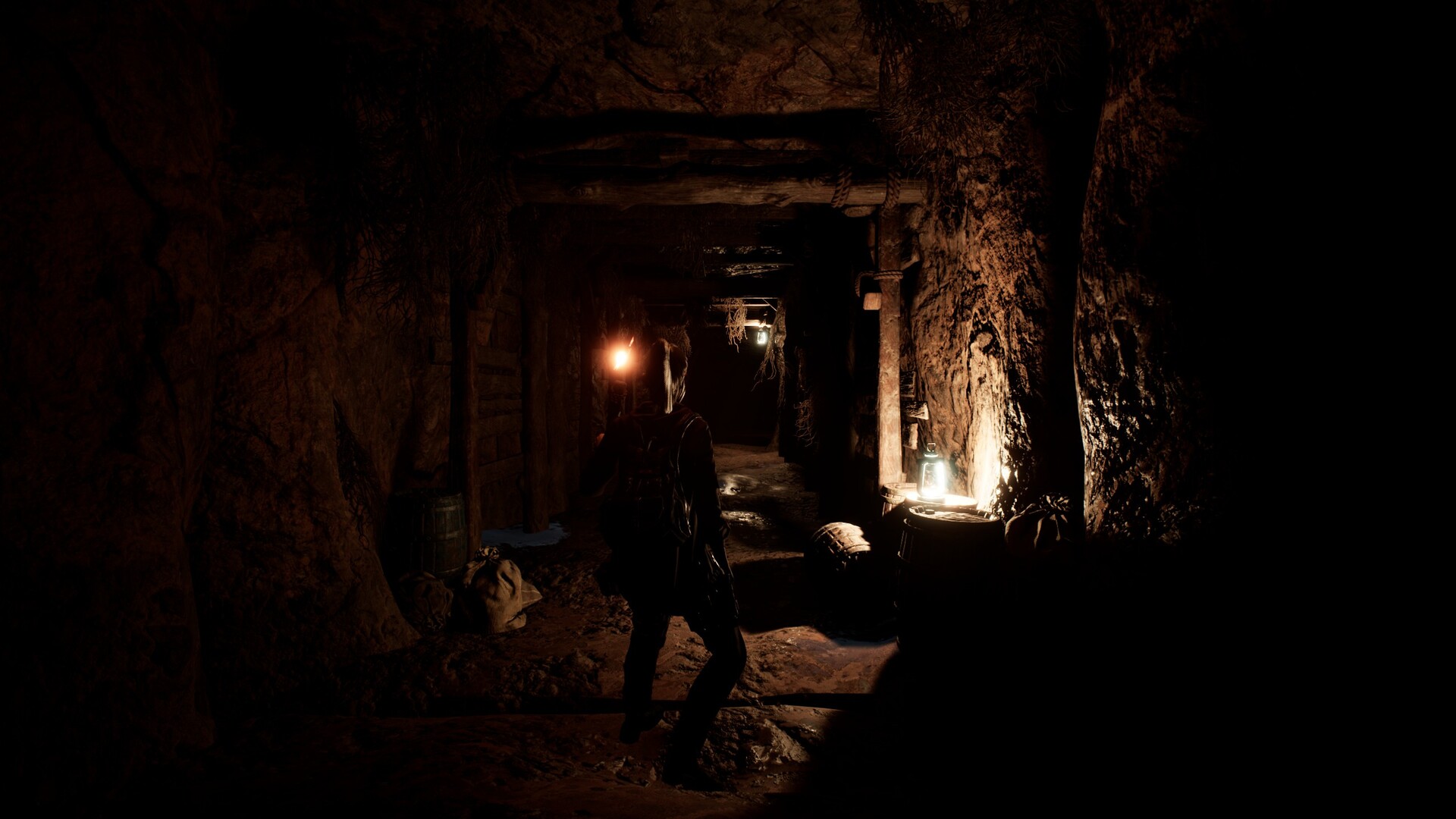
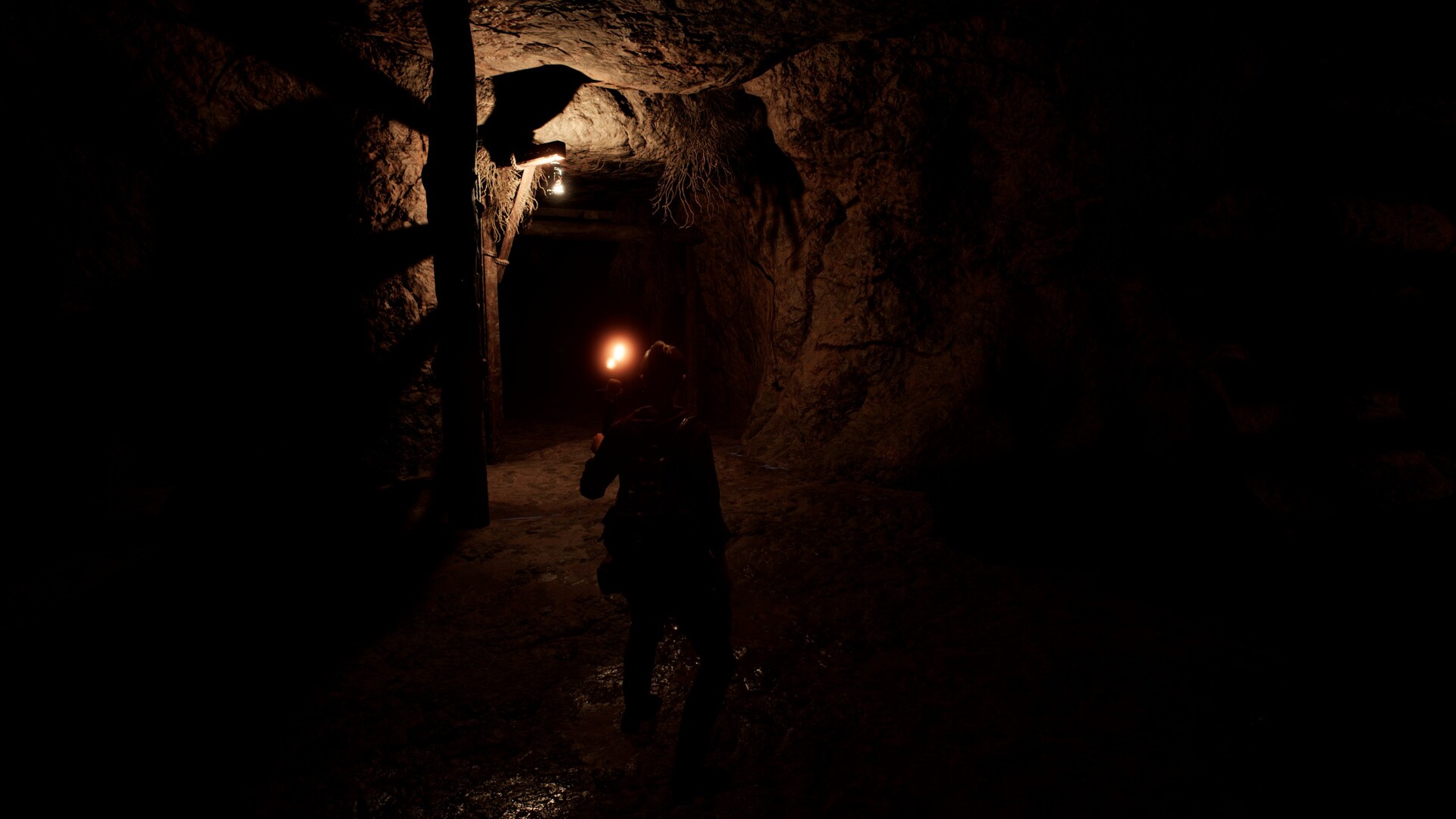
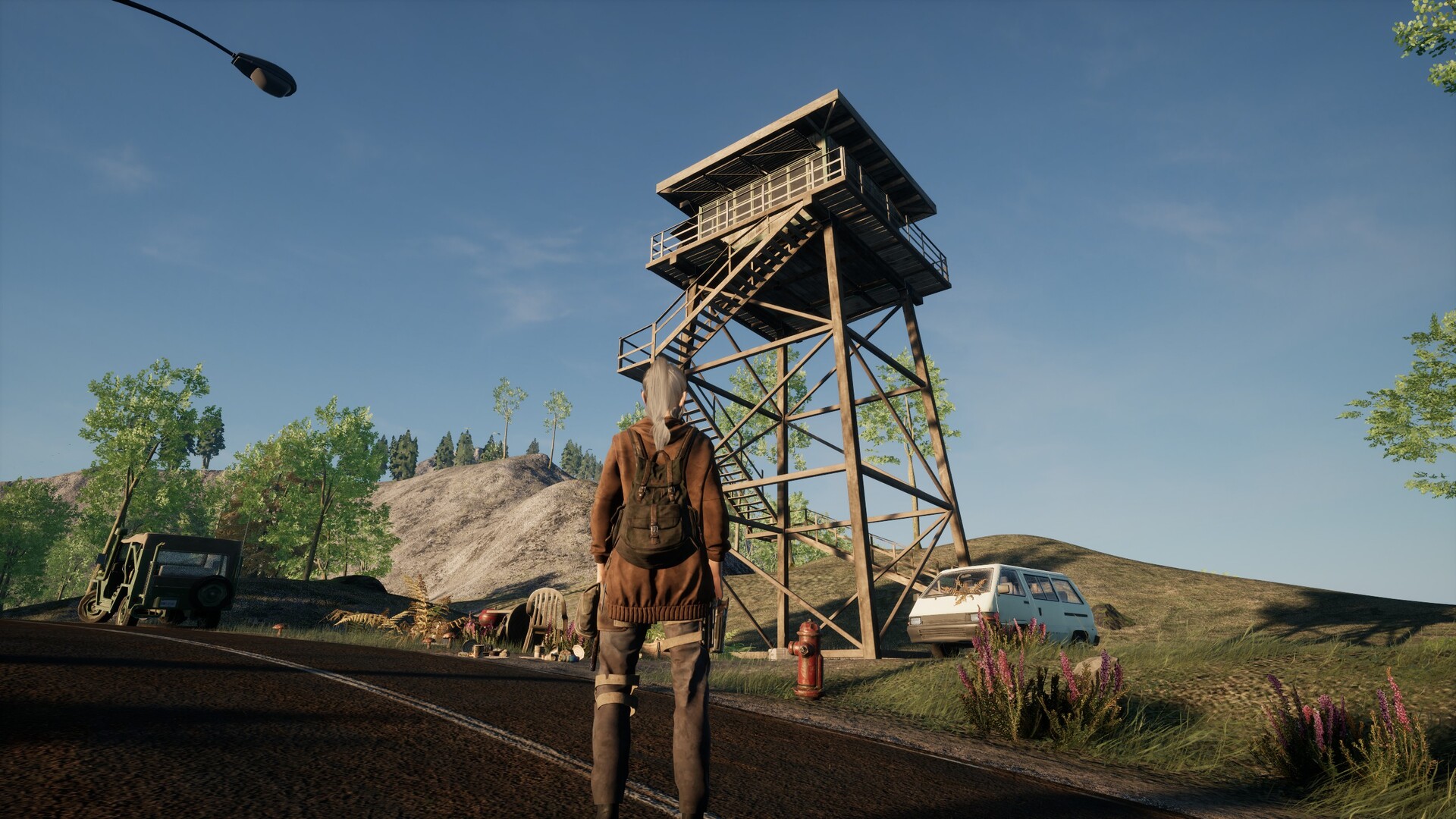
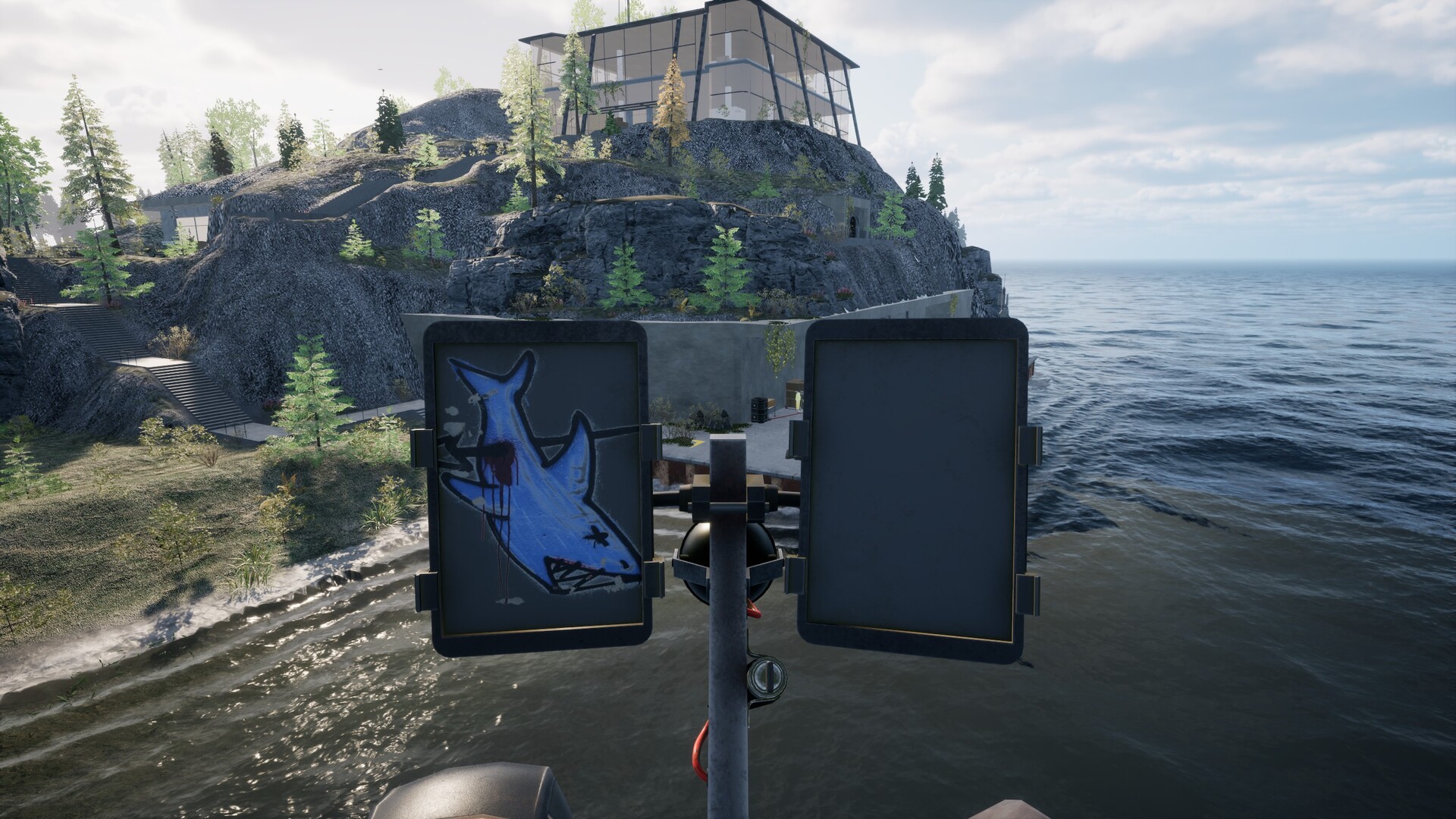
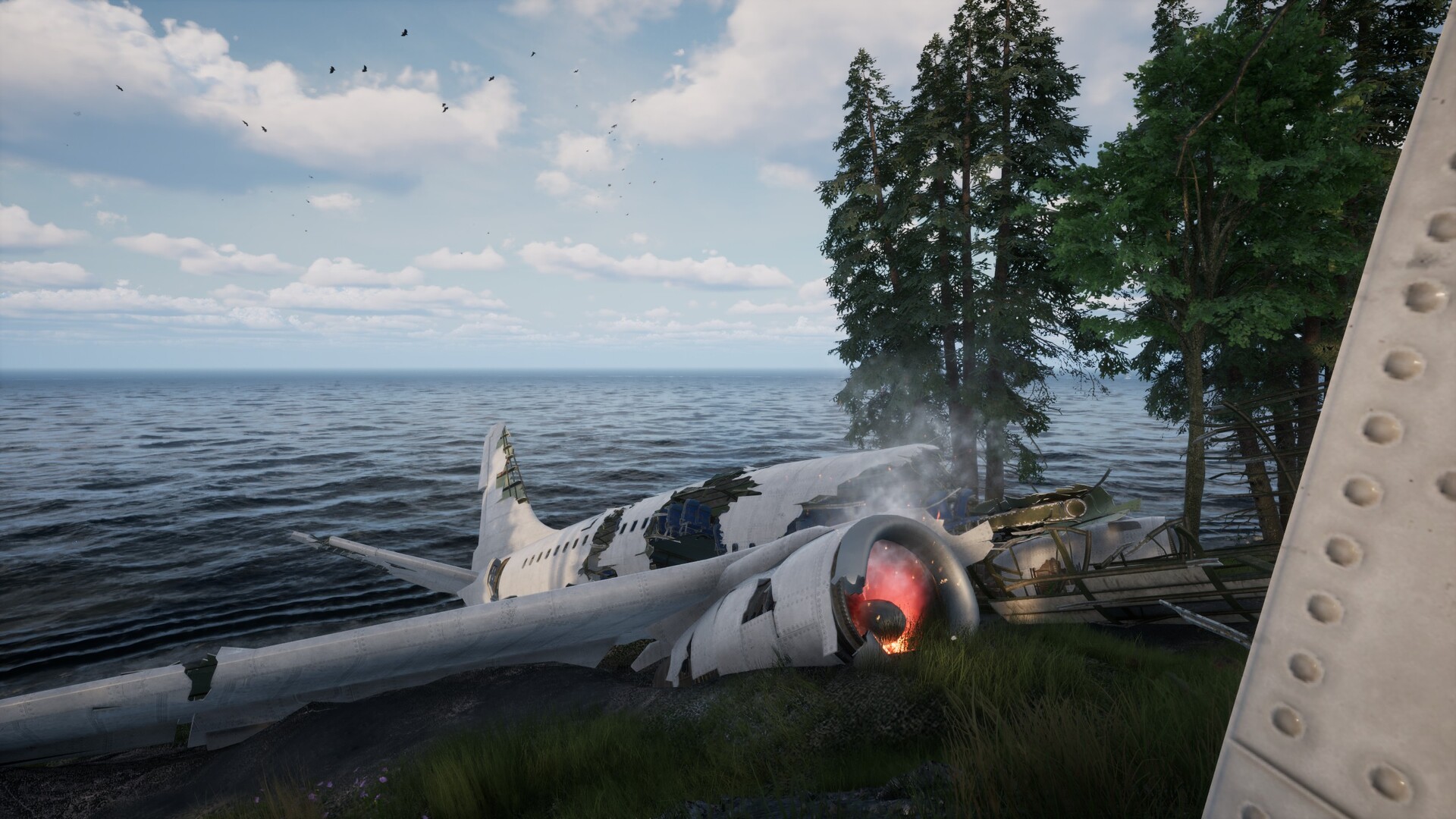
Get an in-depth look at KeepUp Survival through various videos and screenshots.
Load More




System requirements
These are the minimum specifications needed to play the game. For the best experience, we recommend that you verify them.
Windows
- Requires a 64-bit processor and operating system
- OS: Windows 10 / 11 - 64Bit
- Processor: 6 Cores or better (Example Ryzen 5 o. Intel Core i5)
- Memory: 8 GB RAM
- Graphics: 6GB Vram or better (Example AMD RX 580 o. Nvidia GTX 1070)
- DirectX: Version 11
- Network: Broadband Internet connection
- Storage: 18 GB available space
- Additional Notes: SSD Recommended
Steam Price & Best Deals
User reviews & Ratings
Explore reviews from Steam users sharing their experiences and what they love about the game.
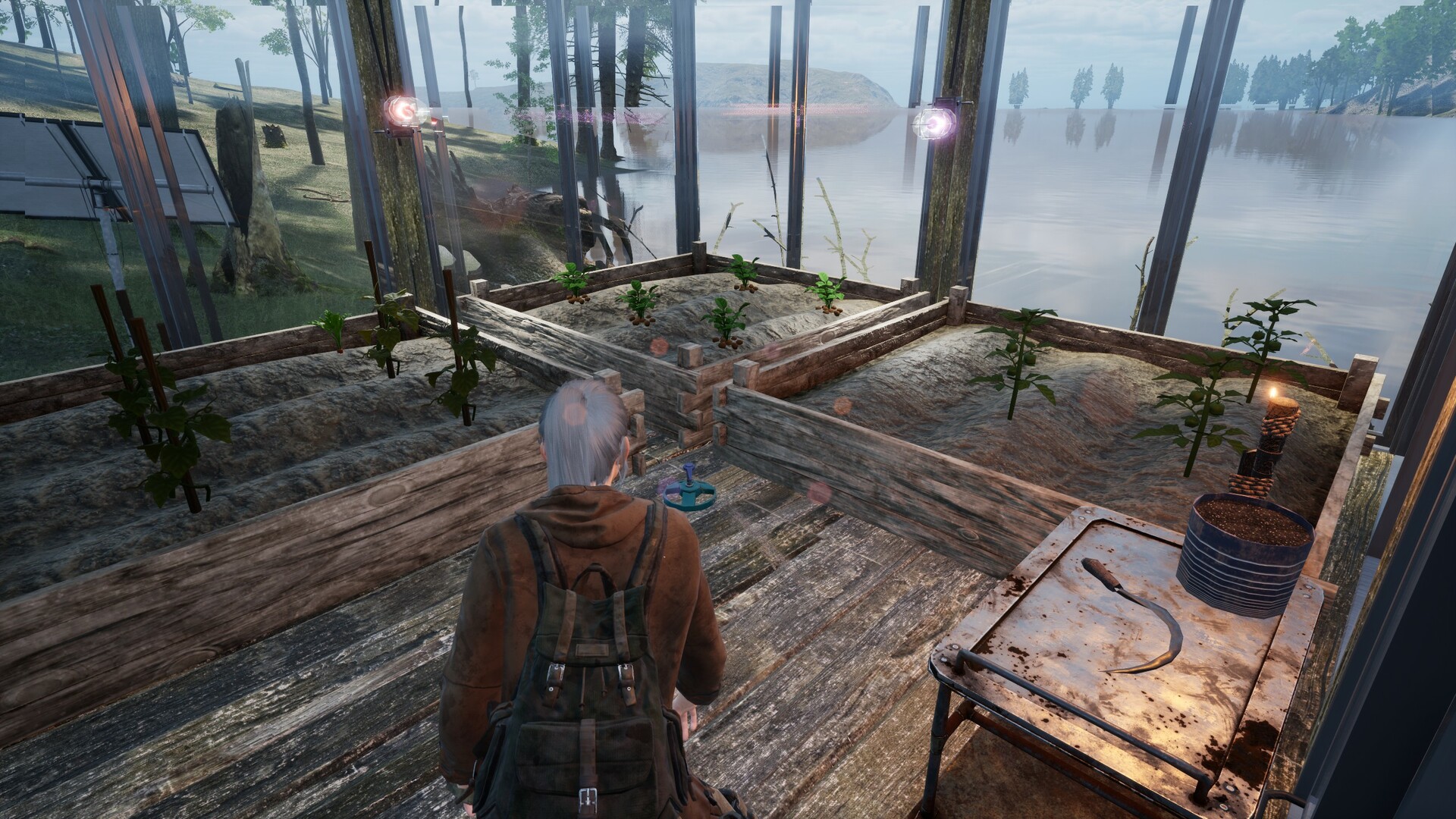
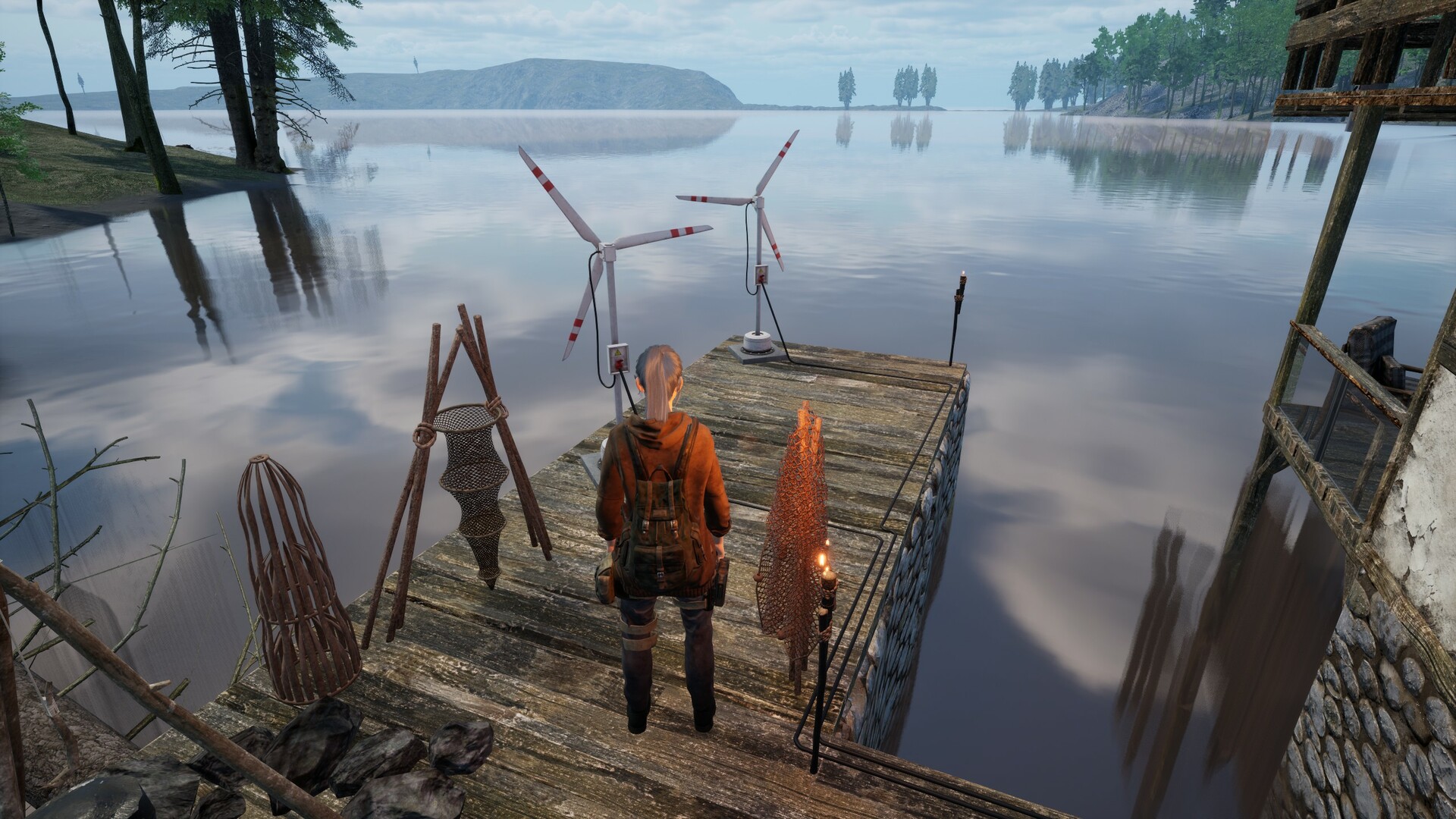
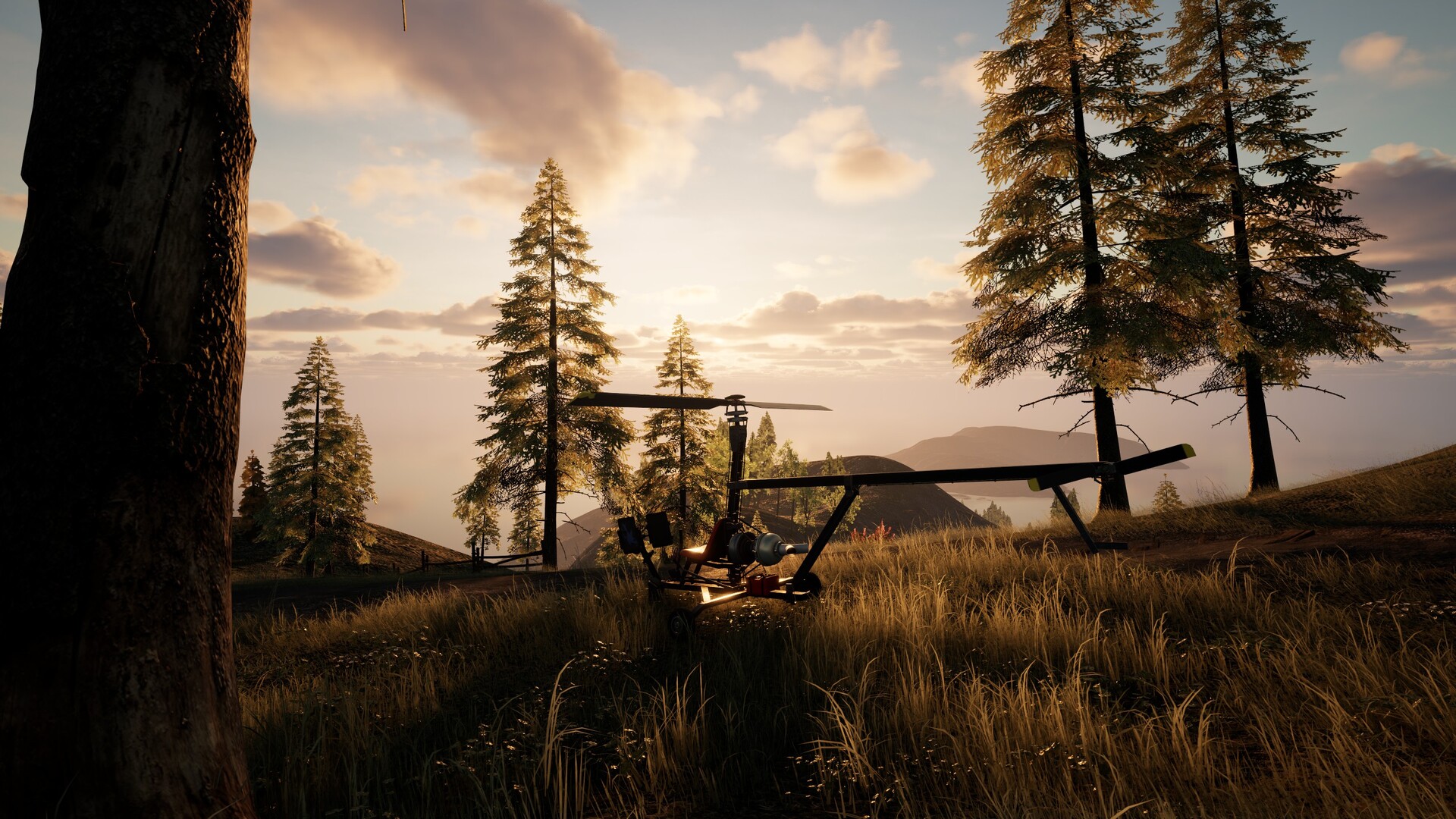
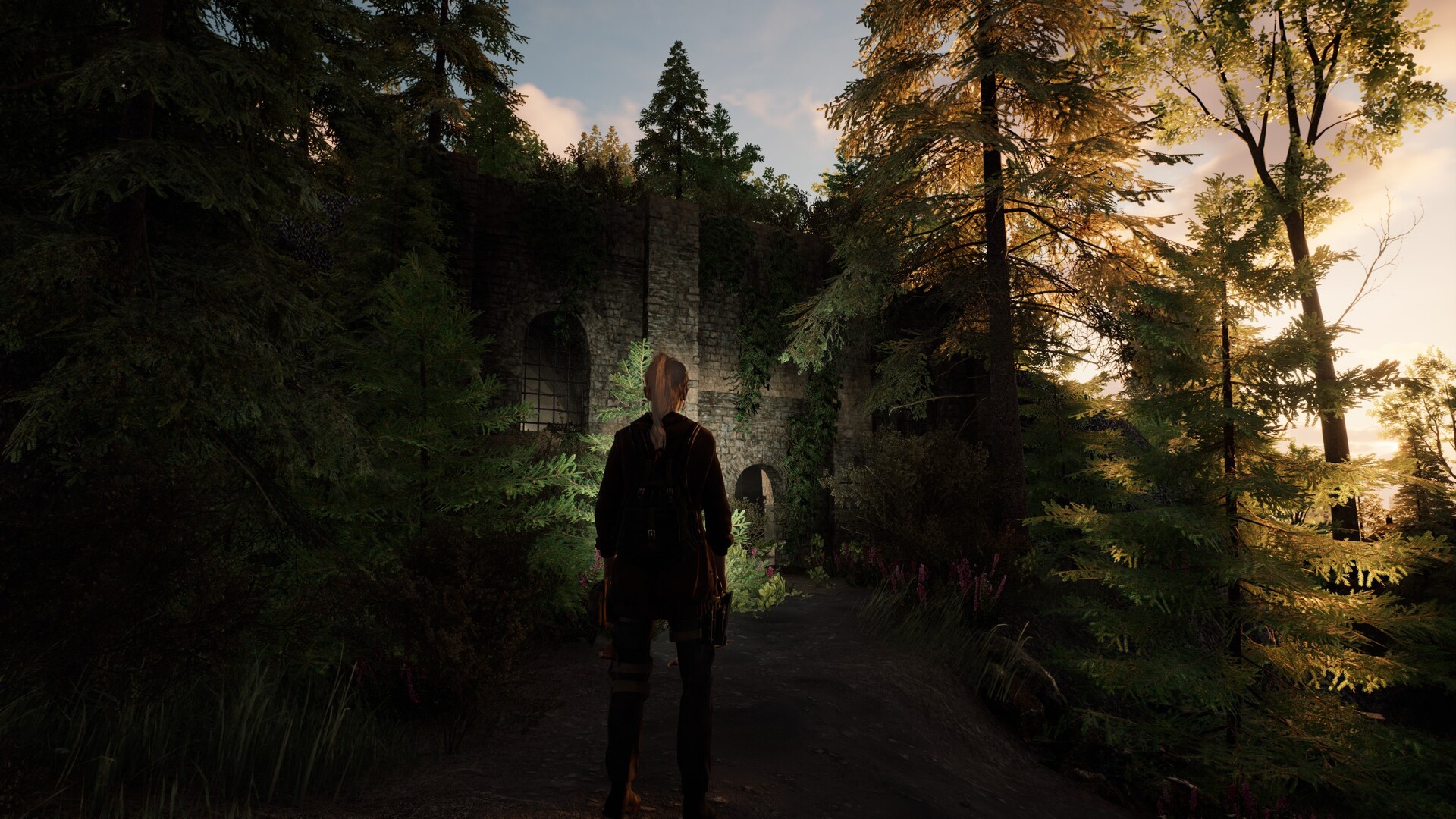
KeepUp Survival is an open-world crafting and survival game that focuses heavily on exploration, construction, and personal freedom inside a large abandoned island environment. Developed and published by Witte Studio, the game takes a slower and more relaxed approach to survival compared to many modern entries in the genre. Instead of overwhelming players with nonstop combat or highly punishing mechanics, KeepUp Survival encourages gradual progression through gathering resources, building shelters, exploring wilderness areas, and shaping the world at an individual pace. The result is a sandbox survival experience that often feels more peaceful and immersive than intensely competitive or action-focused. The game takes place on a mysterious island filled with forests, mountains, abandoned structures, hidden caves, and scattered traces of previous civilization. Players begin with very little and must slowly learn how to survive by collecting resources, crafting tools, and building shelter while exploring the dangerous environment around them. The world itself becomes one of the game’s strongest elements because it constantly rewards curiosity. Hidden locations, ruined buildings, and isolated areas encourage players to leave the safety of their camp and venture deeper into the wilderness in search of valuable materials and new opportunities. One of the defining aspects of KeepUp Survival is its relaxed pacing. Many survival games rely heavily on constant danger and aggressive survival pressure, but this game adopts a calmer structure that allows players to experiment and build freely without feeling rushed every moment. Hunger, crafting, and resource management are still important, but the overall experience feels designed more around immersion and creativity than relentless punishment. This approach gives the game a comfortable sandbox atmosphere where players can focus on exploration and construction without constantly fighting for survival every few minutes. Base building is at the center of the gameplay loop and provides much of the long-term satisfaction. Players gather wood, stone, metal, and other resources to create shelters, farms, crafting stations, storage systems, and larger defensive structures. The building mechanics are straightforward enough to remain accessible while still offering enough flexibility for players to create personalized settlements. Expanding a small shelter into a larger survival base becomes rewarding because players can visibly see their progress transforming the harsh wilderness into a functioning home. Crafting systems support this progression effectively. New tools, weapons, farming equipment, and utility items gradually become available as players gather better resources and improve their infrastructure. The crafting loop itself is familiar to fans of survival games, but the slower pacing helps prevent it from becoming excessively grind-heavy. Players are encouraged to take their time gathering supplies and experimenting with different building layouts instead of rushing toward endgame progression systems. Exploration remains consistently enjoyable because the island feels naturally designed rather than artificially structured around obvious objectives. Forests, rivers, caves, and abandoned facilities create an environment that constantly encourages wandering and discovery. Environmental storytelling also plays a subtle role throughout the game. Ruined buildings and scattered remnants of civilization hint at a forgotten history without forcing heavy narrative exposition onto the player. This mystery helps the world feel more immersive even though the game itself avoids strong story-driven progression. The atmosphere is one of the game’s most successful elements. During daylight hours, the island often feels peaceful and relaxing, especially while gathering resources or building near forests and coastlines. However, nighttime exploration changes the tone dramatically. Darkness limits visibility, environmental sounds become more noticeable, and the wilderness suddenly feels far more threatening. The combination of ambient audio, weather systems, and isolated environments creates tension naturally without relying on scripted horror sequences or excessive enemy encounters. Visually, KeepUp Survival emphasizes environmental immersion over graphical spectacle. The forests, beaches, cliffs, and abandoned structures are detailed enough to create a believable wilderness setting even if the graphics themselves are not technically groundbreaking. Weather effects and lighting systems contribute heavily to the atmosphere, especially during storms, sunsets, and nighttime exploration. The natural landscapes feel carefully designed to support immersion and long periods of relaxed exploration. The sound design complements the environment extremely well. Wind moving through trees, rainfall, distant wildlife, rustling vegetation, and ambient environmental sounds constantly reinforce the feeling of isolation. The game often relies on natural audio rather than dramatic music, helping the island feel alive even during quieter moments. Combined with the slower pacing, the soundscape creates a relaxing but occasionally unsettling atmosphere depending on the time of day and location being explored. The optional multiplayer component adds another layer of enjoyment for players interested in cooperative survival. Working together with others to build larger settlements, gather supplies, and explore dangerous areas improves the social aspect of the experience significantly. Cooperative play naturally creates more dynamic situations and makes large construction projects far more enjoyable. However, the multiplayer systems still show signs of instability and technical roughness, particularly during longer sessions or larger building projects. Despite its strengths, KeepUp Survival also has several noticeable weaknesses. One of the largest issues is the lack of deeper gameplay complexity. While the crafting and building systems are enjoyable, they rarely evolve into particularly advanced mechanics. Players familiar with larger survival sandbox games may eventually feel that progression becomes repetitive once the core systems have been explored thoroughly. Combat is also relatively underdeveloped. Weapons function adequately, but enemy encounters often lack impact and strategic depth. The game clearly prioritizes exploration and construction over action-oriented gameplay, which may disappoint players looking for intense survival combat or highly dangerous enemy encounters. Technical roughness is another consistent issue. Animation quality, interface design, optimization, and occasional bugs reveal the limitations of the game’s indie development scale. Some systems feel unfinished or lacking polish, especially when managing larger bases or experimenting with multiplayer content. These technical imperfections do not ruin the experience, but they can interrupt immersion at times. The absence of strong narrative direction may also divide players. Some will appreciate the freedom to create personal goals through building and exploration, while others may eventually feel aimless without more structured objectives or meaningful story progression to guide long-term play. KeepUp Survival ultimately works best as a calm and immersive crafting survival game designed for players who enjoy building, gathering resources, and exploring natural environments without excessive pressure. While it lacks the polish and complexity of larger survival titles, its peaceful pacing, atmospheric world design, and accessible progression systems make it an enjoyable sandbox experience for fans of slower and more creative survival gameplay. Rating: 7/10
I’m having a great time with this game. The world is beautiful and calm, with plenty to explore, build, and experiment with at your own pace. It feels more relaxing than stressful, which makes it easy to unwind while playing. You can really feel the developer’s passion, and the game keeps getting better with updates. Definitely worth checking out if you enjoy chill survival and creativity.
Similar games
View all
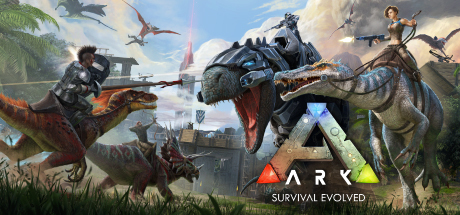
ARK: Survival Evolved
Stranded on the shores of a mysterious island, you must learn to survive. Use your cunning to kill or tame the primeval creatures roaming the land, and encounter other players to survive, dominate... and escape!

Xsyon - Prelude
Xsyon is a player driven apocalyptic fantasy sandbox MMORPG, set in a living and evolving environment. Players create the world they want to live in as they form tribes, construct towns, shape landscapes, create quests, hunt, farm, gather, build societies and develop a New World.

Force of Nature
Force of Nature is a Sandbox game that combines Action, Adventure, RPG, Strategy and Management genres

Crashlands
Fight and tame alien beasts, craft resources into menacing weaponry, befriend the outlandish locals, and go toe-to-chin with a world-domineering maniac.

Salt
Salt is an open world exploration game where you sail from island to island looking for loot and new discoveries! Relax and explore at your own pace, picking a direction and setting sail across a vast ocean filled with quests, merchants, ruins, pirates, and other mysterious places.
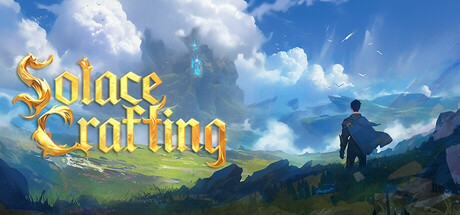
Solace Crafting
Embark on an adventure set in a fantasy survival RPG. Visit a borderless, open world where you manage resources to construct your base and new types of equipment to support your conquest.

Planet Explorers
Planet Explorers is an open world sandbox adventure RPG game set on a distant planet. The game uses a new OpenCL calculated voxel system to allow players to change the terrain in any way, create new objects such as weapons, vehicles, objects, and do it anywhere.

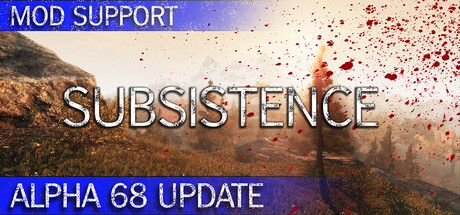
Subsistence
Subsistence is a sandbox, first person, solo or co-op, PvE open-world survival game. Struggle through changing seasons to build a base, develop technology and gear-up in the hostile environment. Defend yourself from wildlife, the elements and AI hunters (who also build bases in the world).

The Forest
As the lone survivor of a passenger jet crash, you find yourself in a mysterious forest battling to stay alive against a society of cannibalistic mutants. Build, explore, survive in this terrifying first person survival horror simulator.

Subnautica
Descend into the depths of an alien underwater world filled with wonder and peril. Craft equipment, pilot submarines and out-smart wildlife to explore lush coral reefs, volcanoes, cave systems, and more - all while trying to survive.
Frequently Asked Questions
KeepUp Survival is currently priced at 5.91€ on Steam.
Yes, KeepUp Survival is currently available at a 60% discount. You can purchase it for 5.91€ on Steam.
Yes, KeepUp Survival received 434 positive votes out of a total of 671 achieving a rating of 6.26.
😐
KeepUp Survival was developed and published by Witte Studio.
Yes, KeepUp Survival is playable and fully supported on Windows.
No, KeepUp Survival is not playable on MacOS.
No, KeepUp Survival is not playable on Linux.
Yes, KeepUp Survival is playable on Steam Deck, though it might require a few minor tweaks. Make sure to check the Steam store page and community feedback on ProtonDB for exact compatibility details.
Yes, KeepUp Survival is playable on Steam Machine, though it might require a few minor tweaks. Make sure to check the Steam store page and community feedback on ProtonDB for exact compatibility details.
No, KeepUp Survival does not support VR.
KeepUp Survival offers both single-player and multi-player modes.
KeepUp Survival includes Co-op mode where you can team up with friends.
Yes, there are 5 DLCs available for KeepUp Survival. Explore additional content available for KeepUp Survival on Steam.
No, KeepUp Survival does not support mods via Steam Workshop.
No, KeepUp Survival does not support Steam Remote Play.
Yes, KeepUp Survival is enabled for Steam Family Sharing. This means you can share the game with authorized users from your Steam Library, allowing them to play it on their own accounts. For more details on how the feature works, you can read the original Steam Family Sharing announcement or visit the Steam Family Sharing user guide and FAQ page.
You can find solutions or submit a support ticket by visiting the Steam Support page for KeepUp Survival.
Data sources
The information presented on this page is sourced from reliable APIs to ensure accuracy and relevance. We utilize the Steam API to gather data on game details, including titles, descriptions, prices, and user reviews. This allows us to provide you with the most up-to-date information directly from the Steam platform.
Additionally, we incorporate data from the SteamSpy API, which offers insights into game sales and player statistics. This helps us present a comprehensive view of each game's popularity and performance within the gaming community.
Last Updates| Steam data | 28 October 2026 11:58 UTC |
|---|---|
| SteamSpy data | 17 October 2026 05:13 UTC |
| Steam price | 31 October 2026 03:46 UTC |
| Steam reviews | 20 October 2026 09:48 UTC |
If you'd like to dive deeper into the details about KeepUp Survival, we invite you to check out a few dedicated websites that offer extensive information and insights. These platforms provide valuable data, analysis, and user-generated reports to enhance your understanding of the game and its performance.
- SteamDB - A comprehensive database of everything on Steam about KeepUp Survival
- SteamCharts - Analysis of KeepUp Survival concurrent players on Steam
- ProtonDB - Crowdsourced reports on Linux and Steam Deck KeepUp Survival compatibility

Game modes
Multiplayer
Features
Online players
5
Developer
Witte Studio
Publisher
Witte Studio
Release
05 Mar 2024
Platforms