Avorion
A procedural co-op space sandbox where players can build their own space ships out of dynamically scalable blocks. Fight epic space battles, explore, mine, trade, wage wars and build your own empire to save your galaxy from being torn apart by an unknown enemy.
Sync your Steam wishlist to find the lowest game prices instantly. No login required, just paste your Steam profile URL!
⚡ Try Wishlist Radar!
Sync your Steam wishlist to find the lowest game prices instantly. No login required!
⚡ Try Wishlist Radar!
Close

Interstellar Rift on Steam
Quick menu
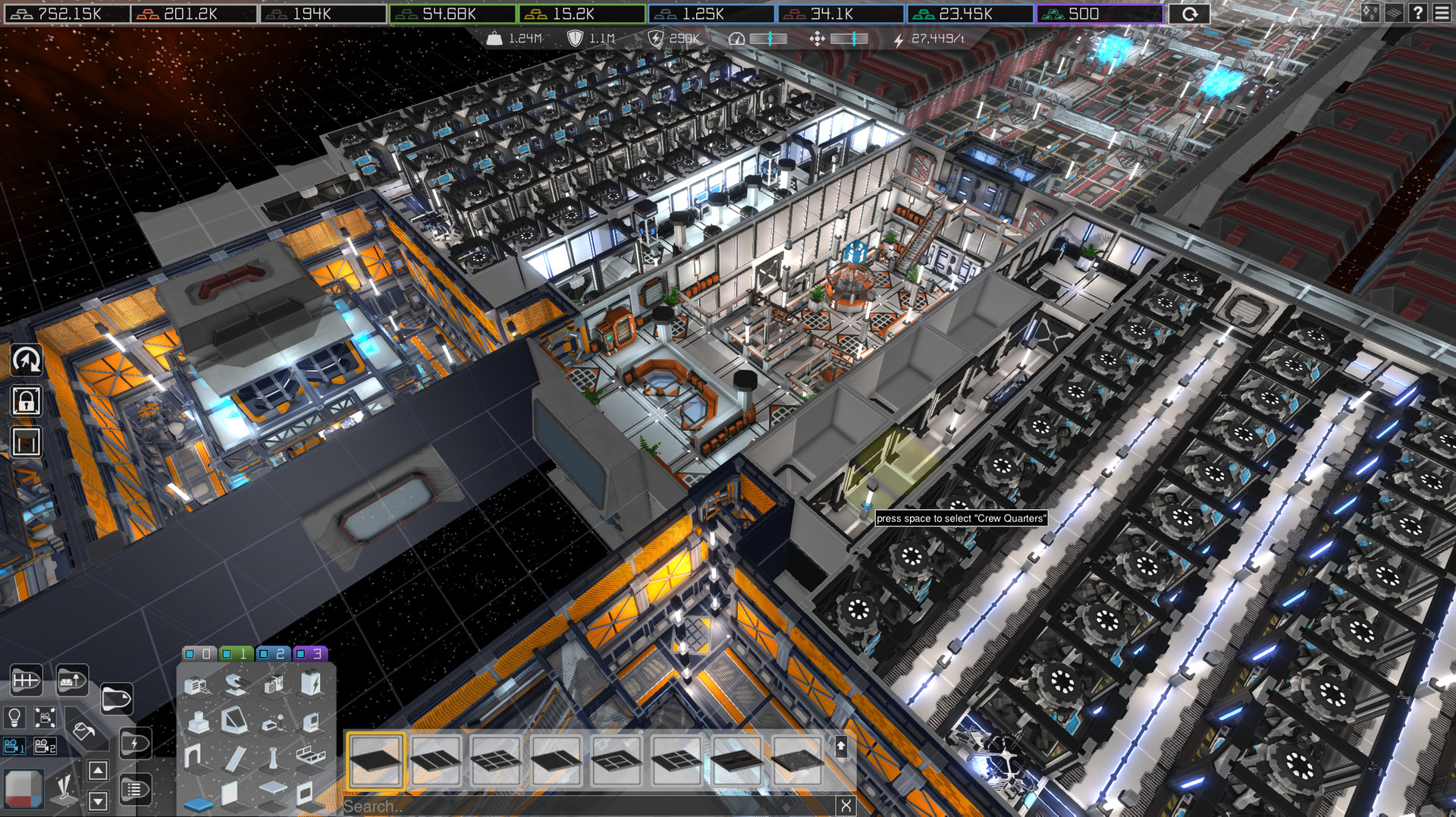
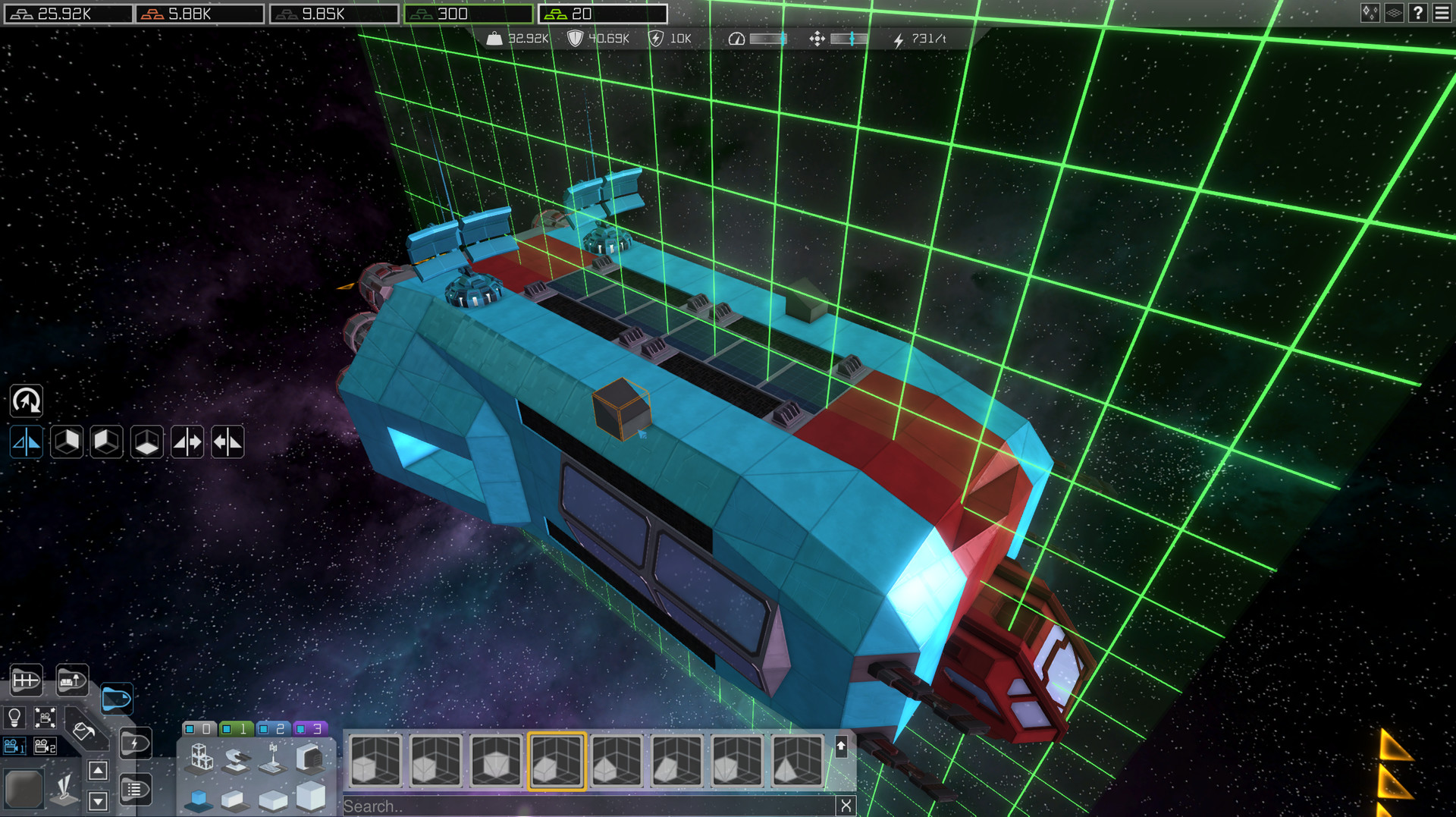
Interstellar Rift is an open world starship simulator with an emphasis on ship construction and multi-player interaction. Survive in a hostile galaxy with your own custom designed and constructed starship. Invite other players to join your crew or fight them across the galaxy!
Interstellar Rift is a space sim, building and open world game
developed by Split Polygon
and published by Iceberg Interactive.
Released on September 24th 2020 is available only on Windows.
It has received 1,627 reviews of which 1,125 were positive and 502 were negative resulting in a rating of 6.7 out of 10. 😐
The game is currently priced at 19.50€ on Steam, but you can find it for 3.54€ on Eneba.
The Steam community has classified Interstellar Rift into these genres:
Media & Screenshots
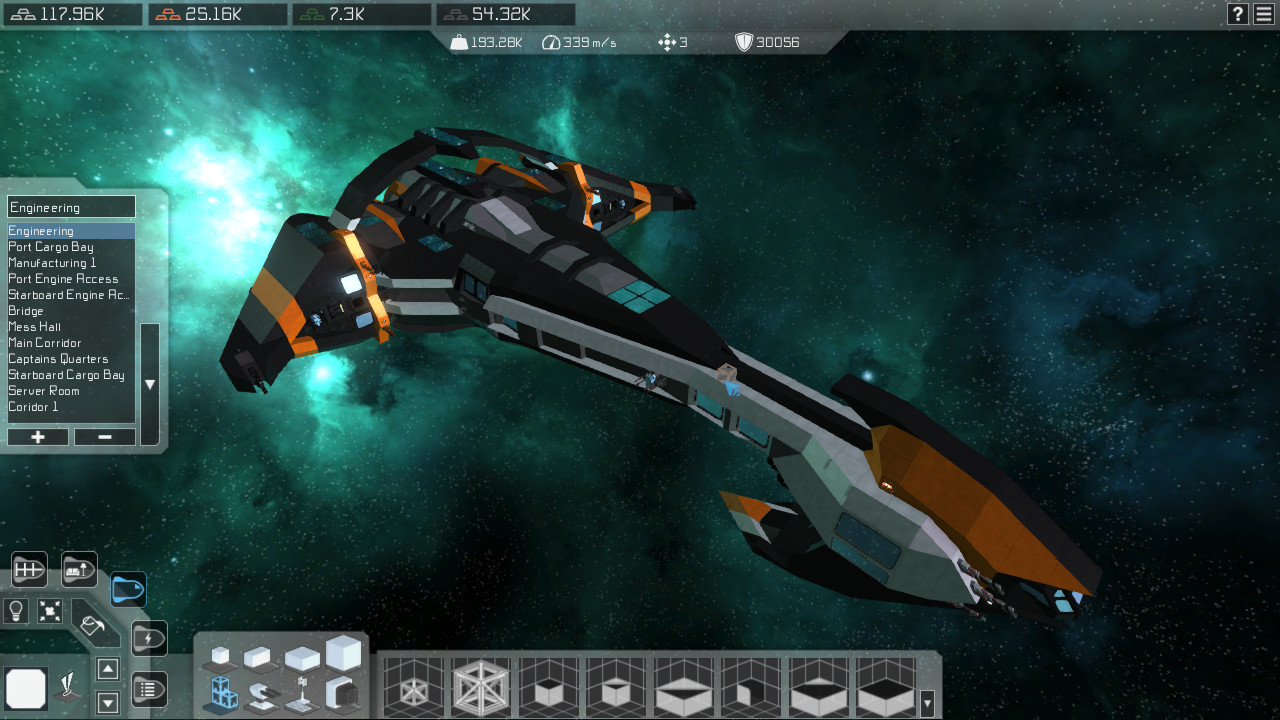
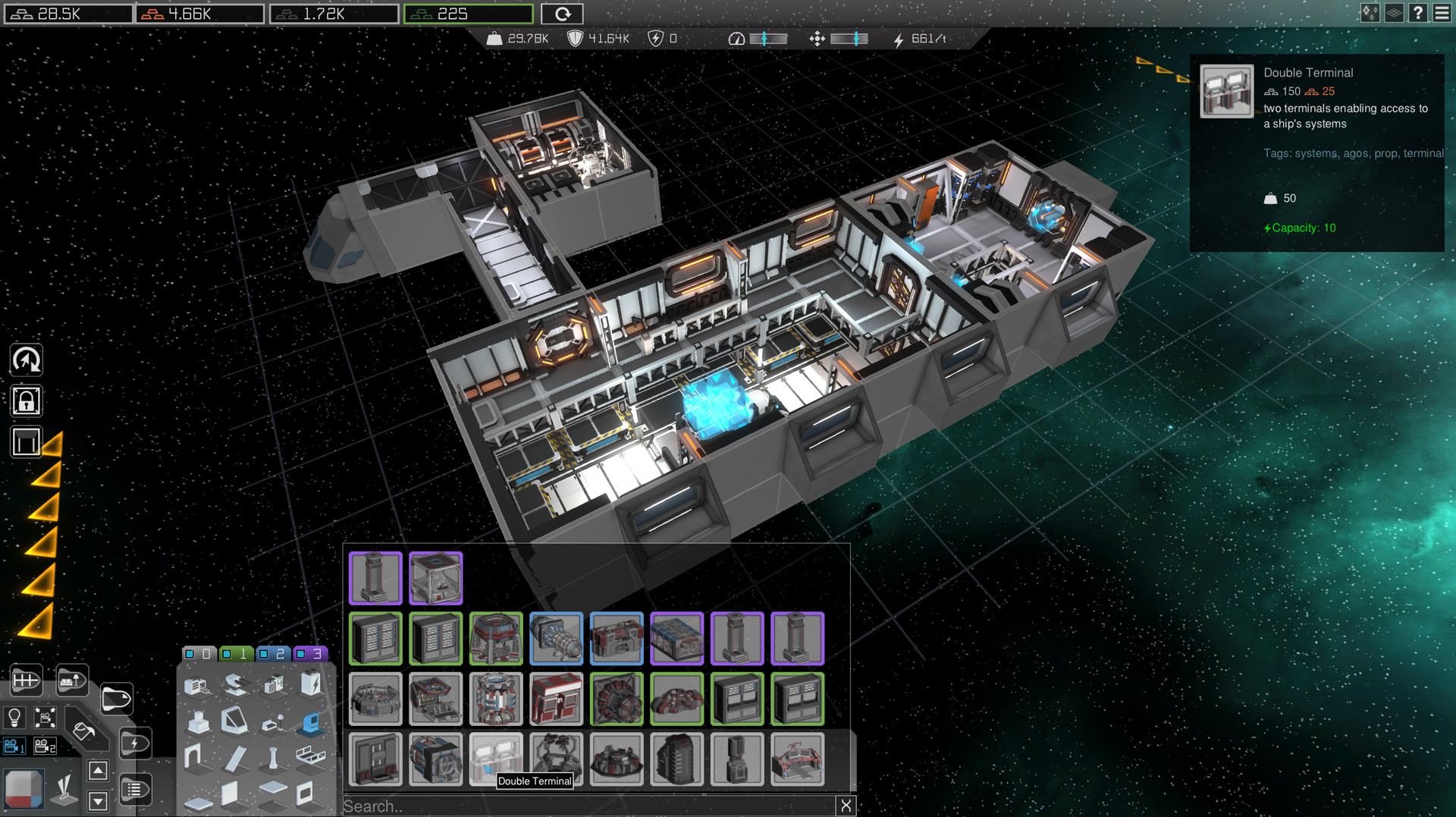
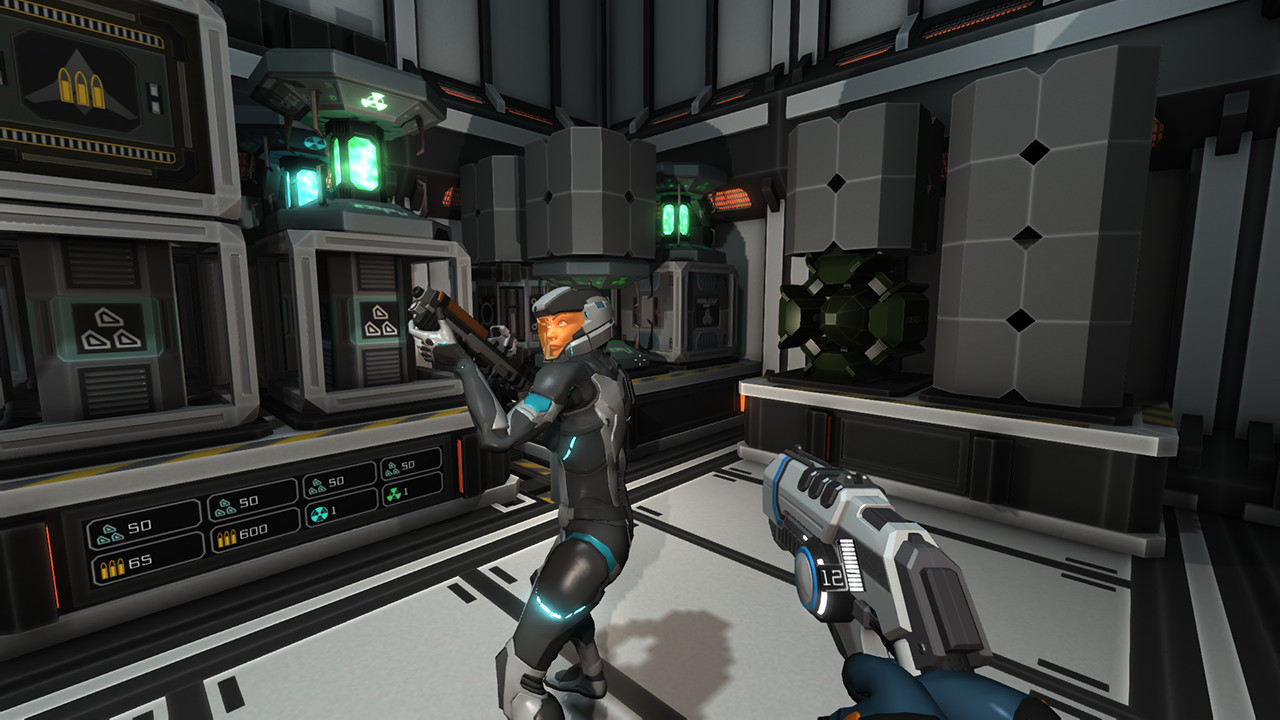
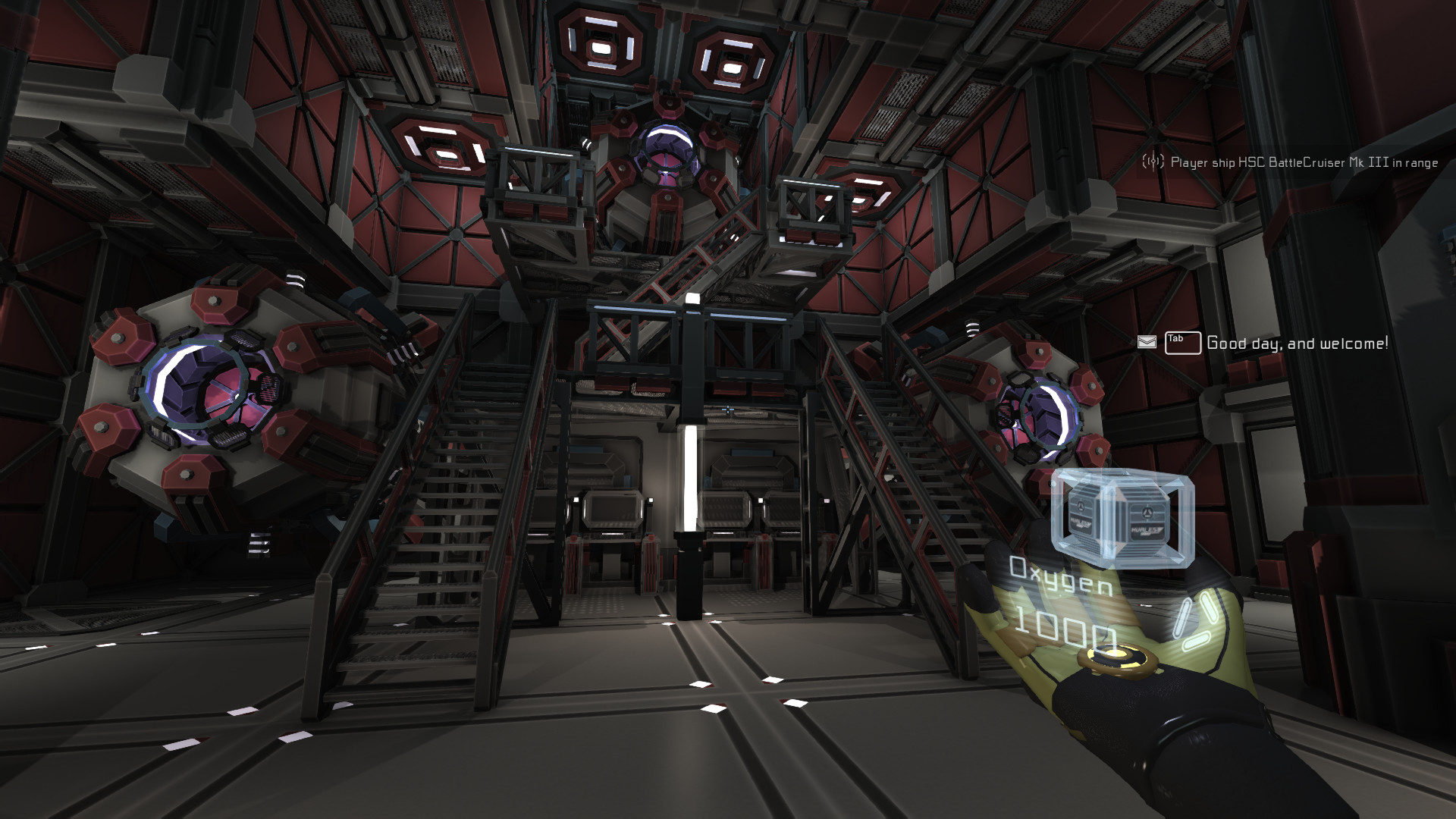
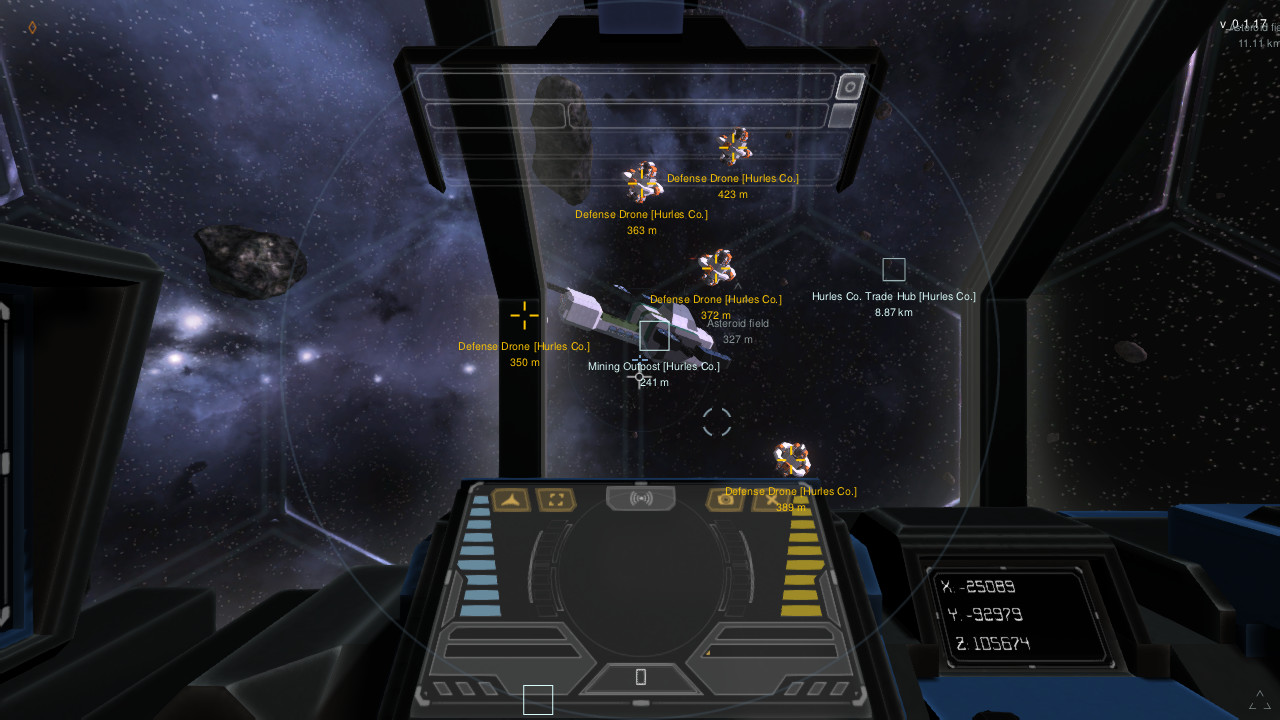
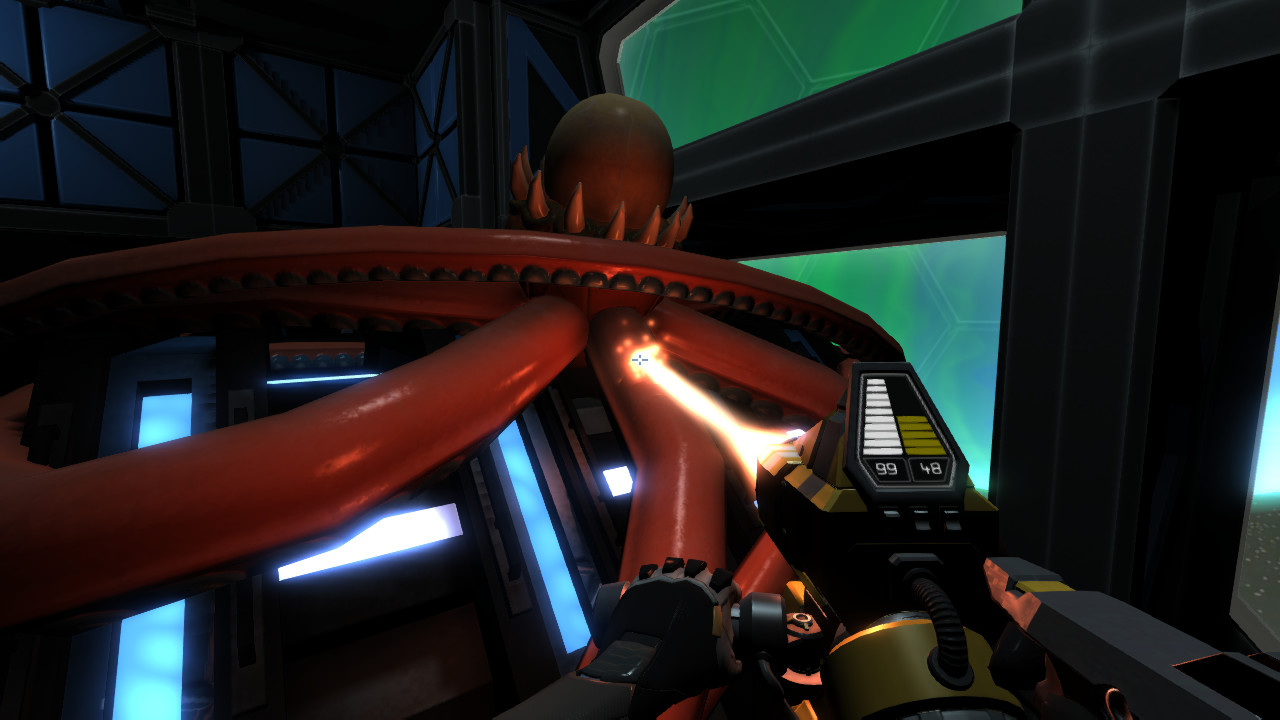
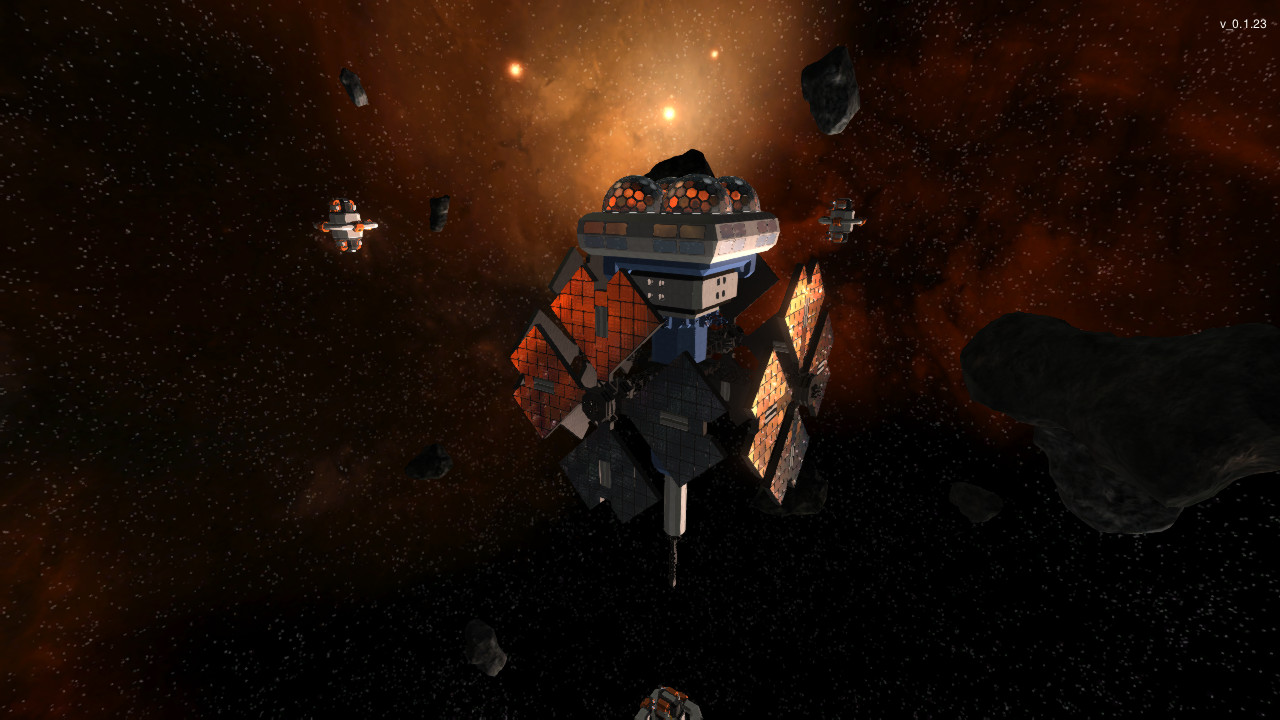
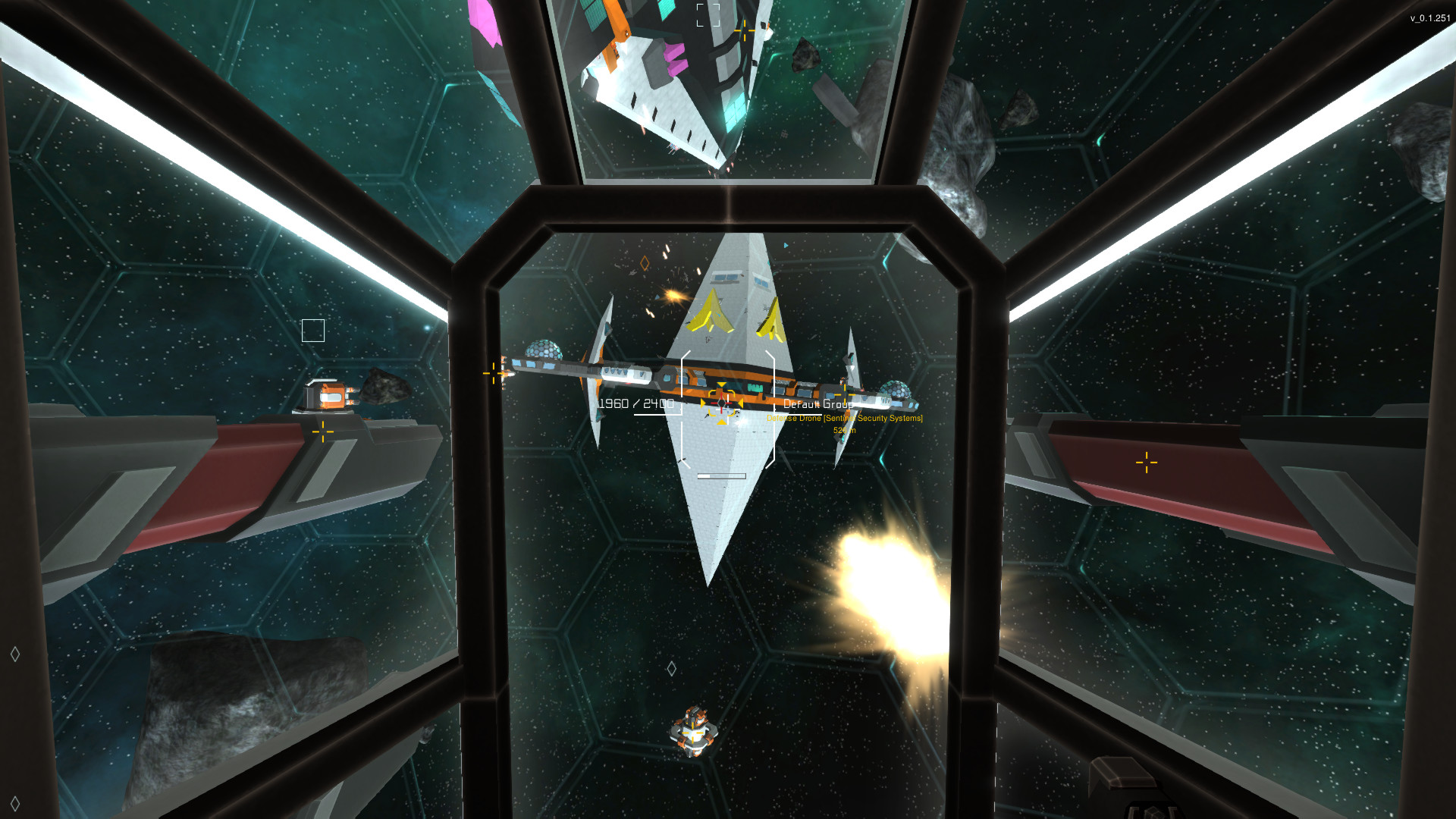
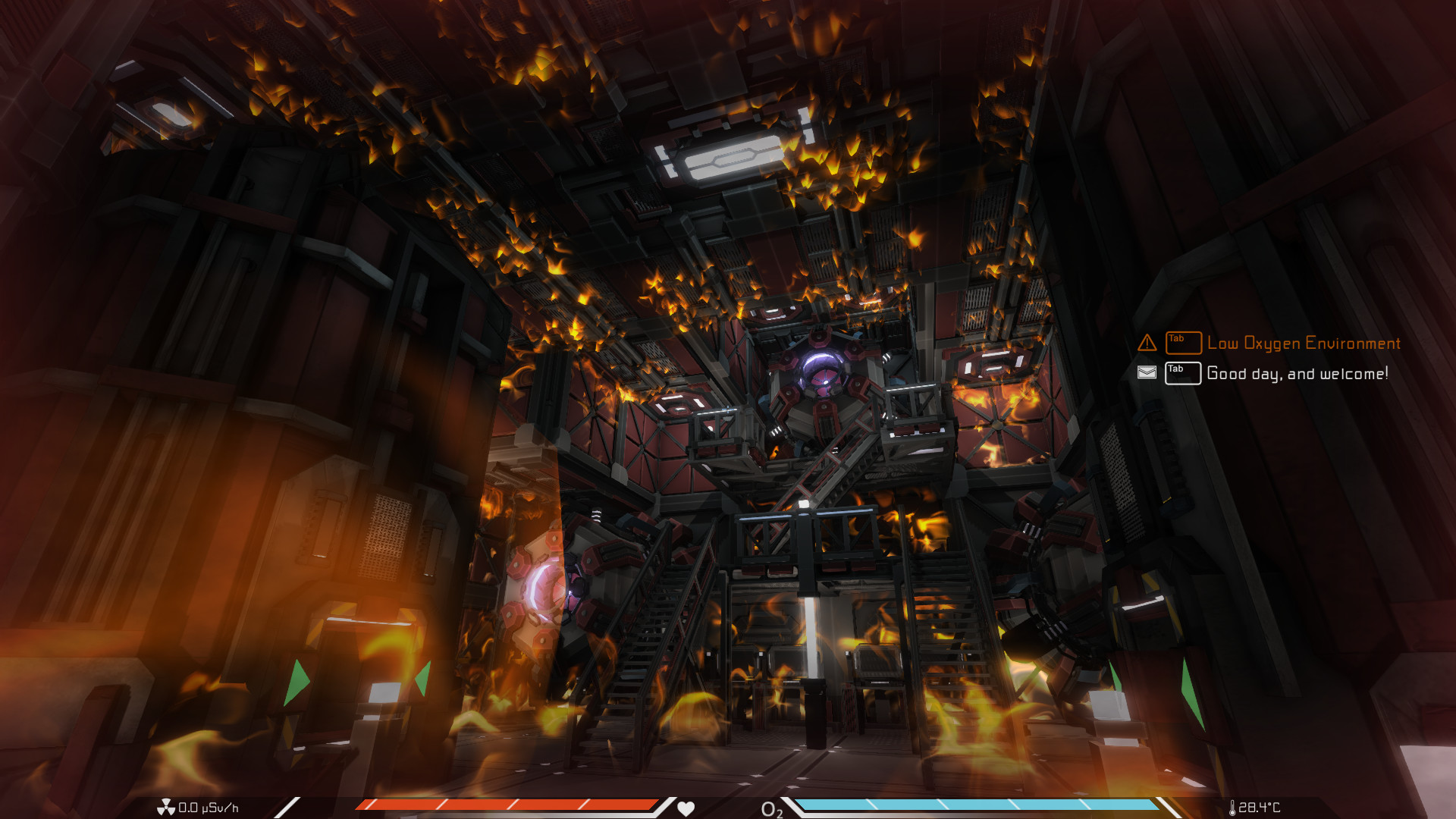
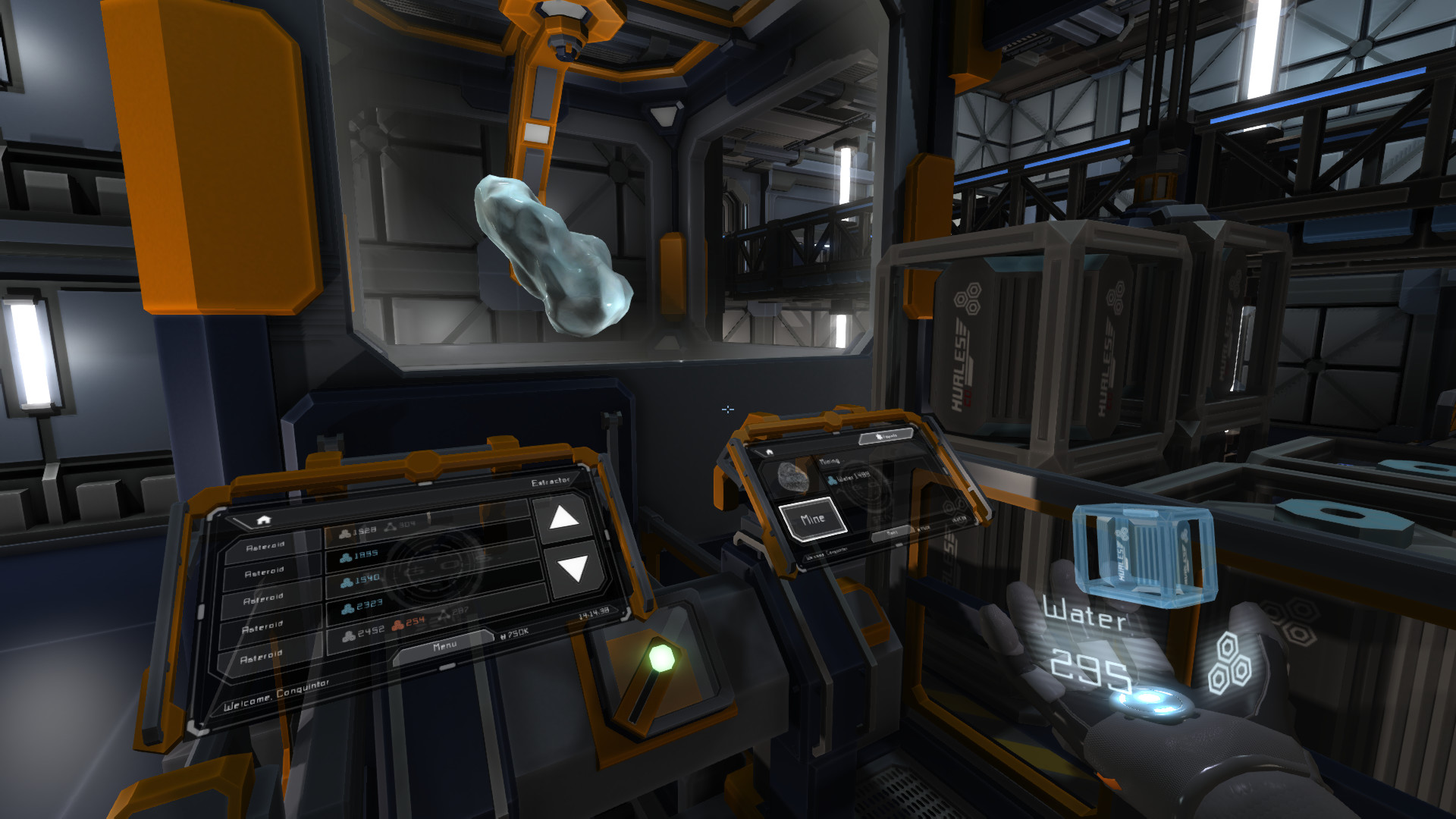
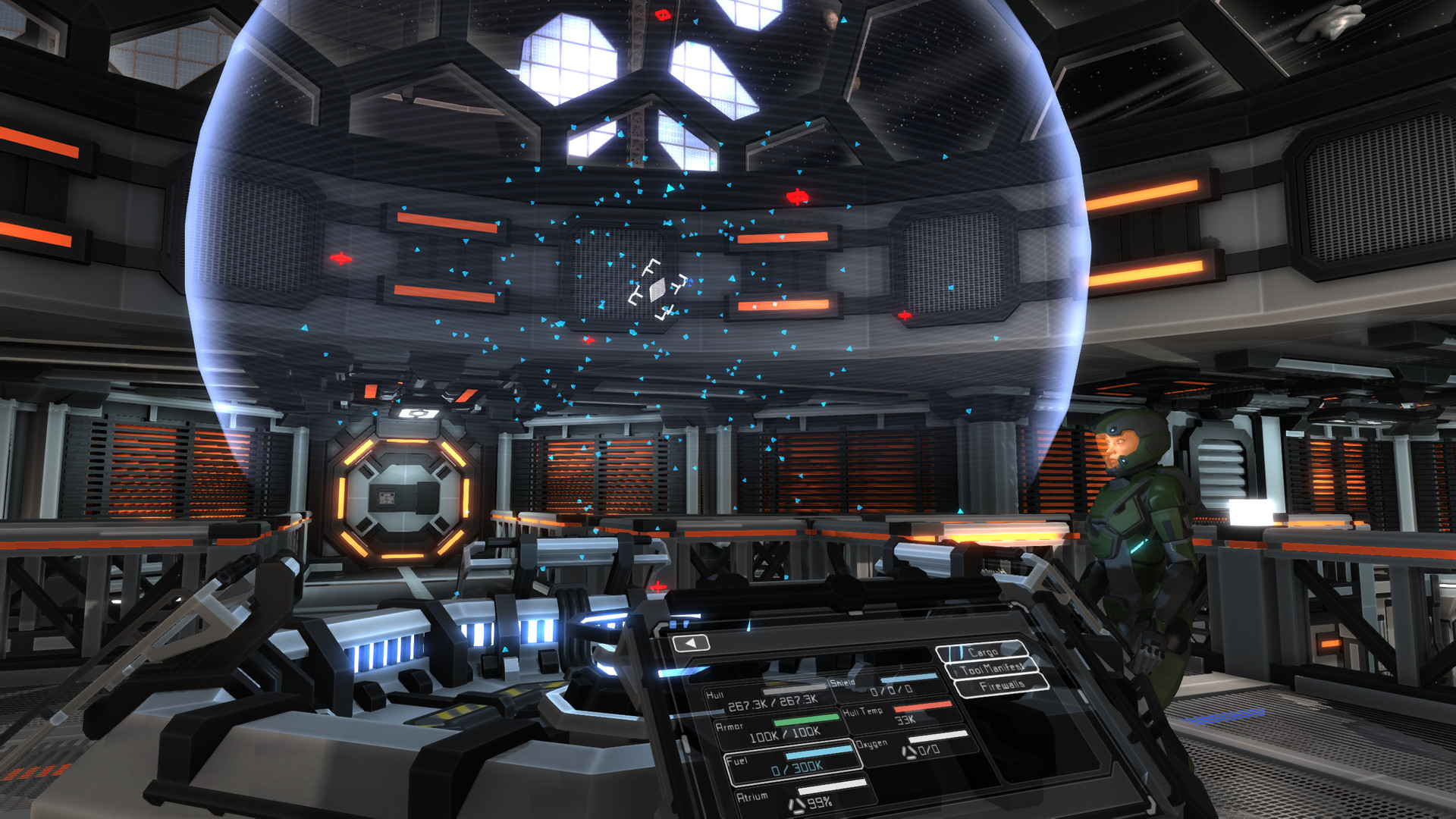
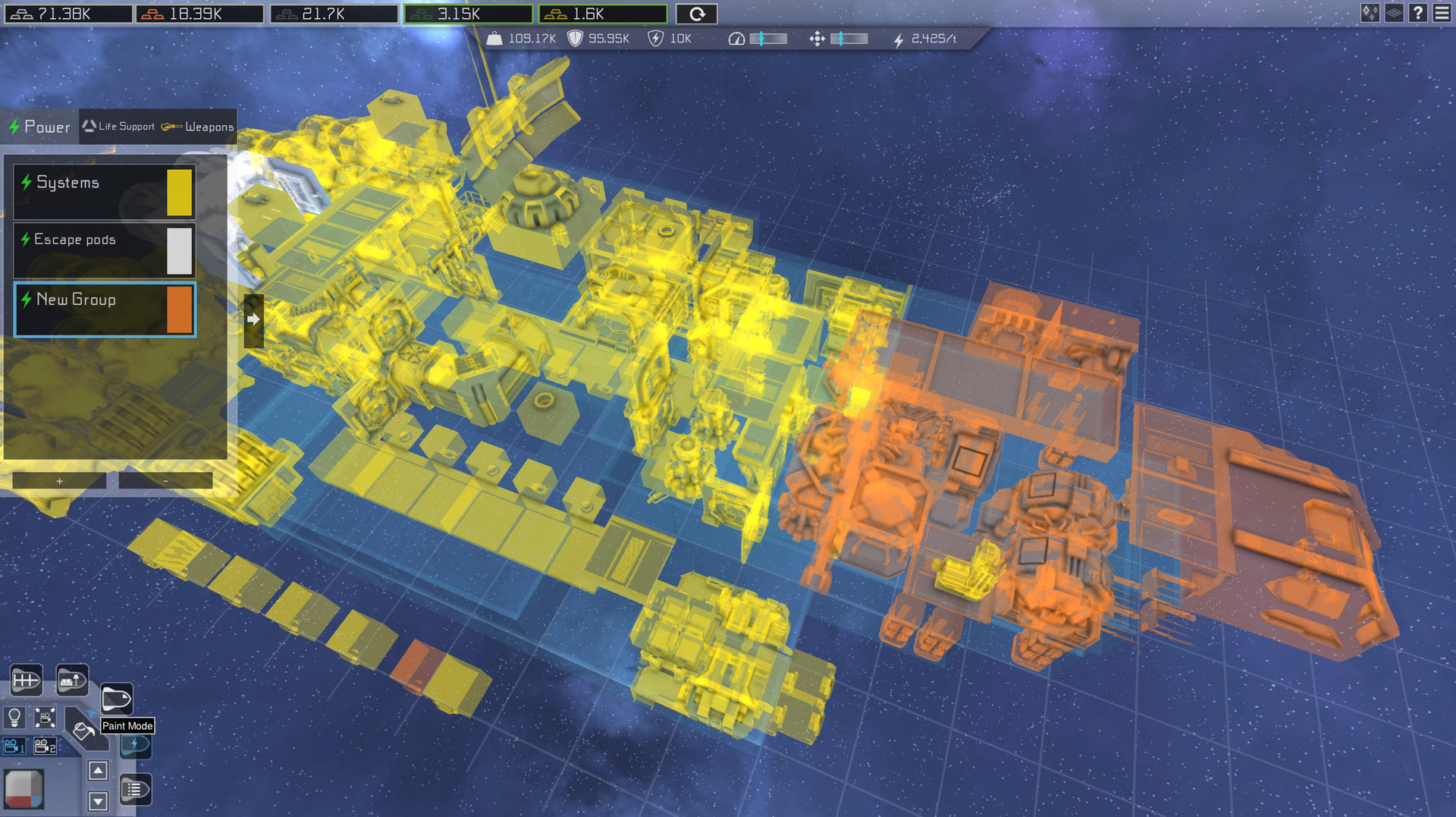
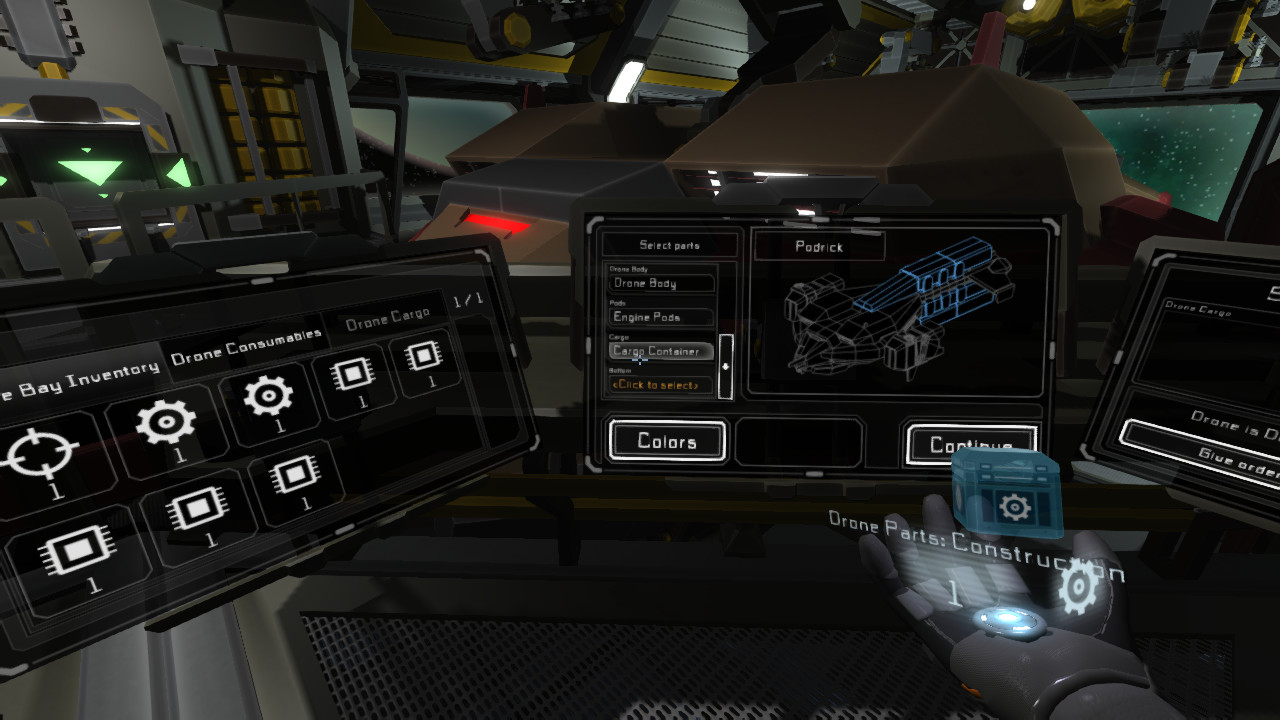
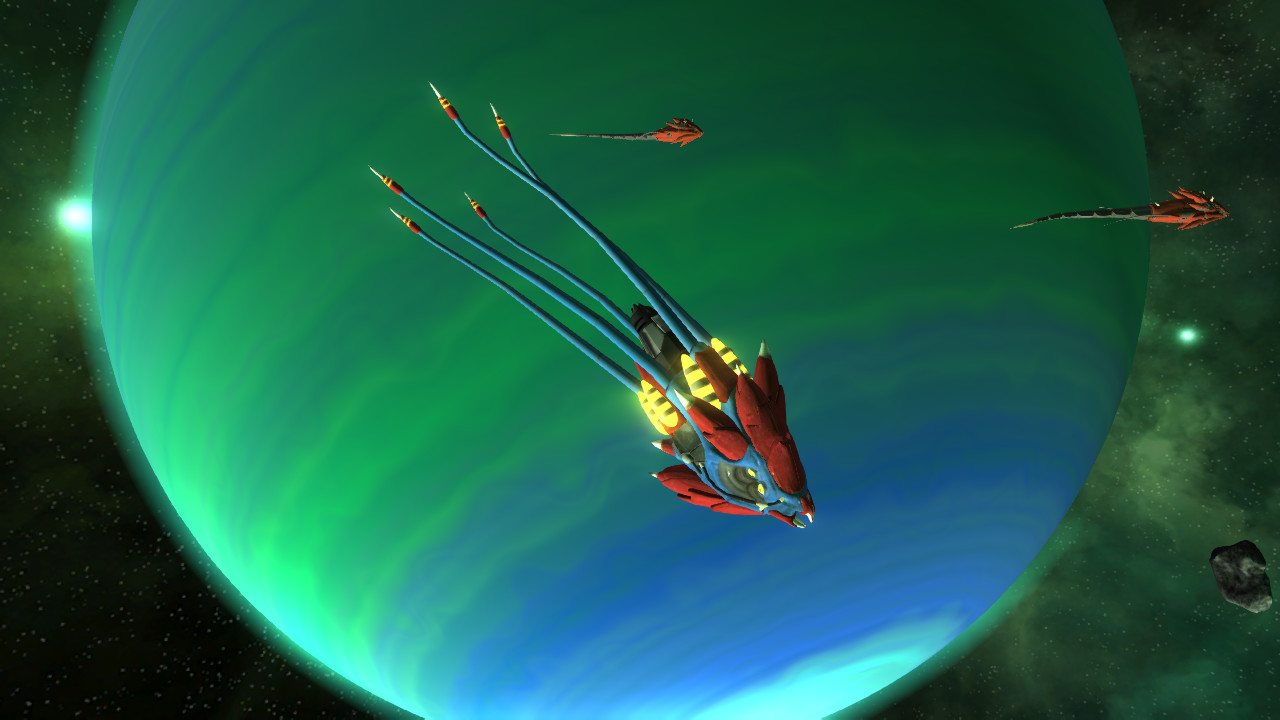
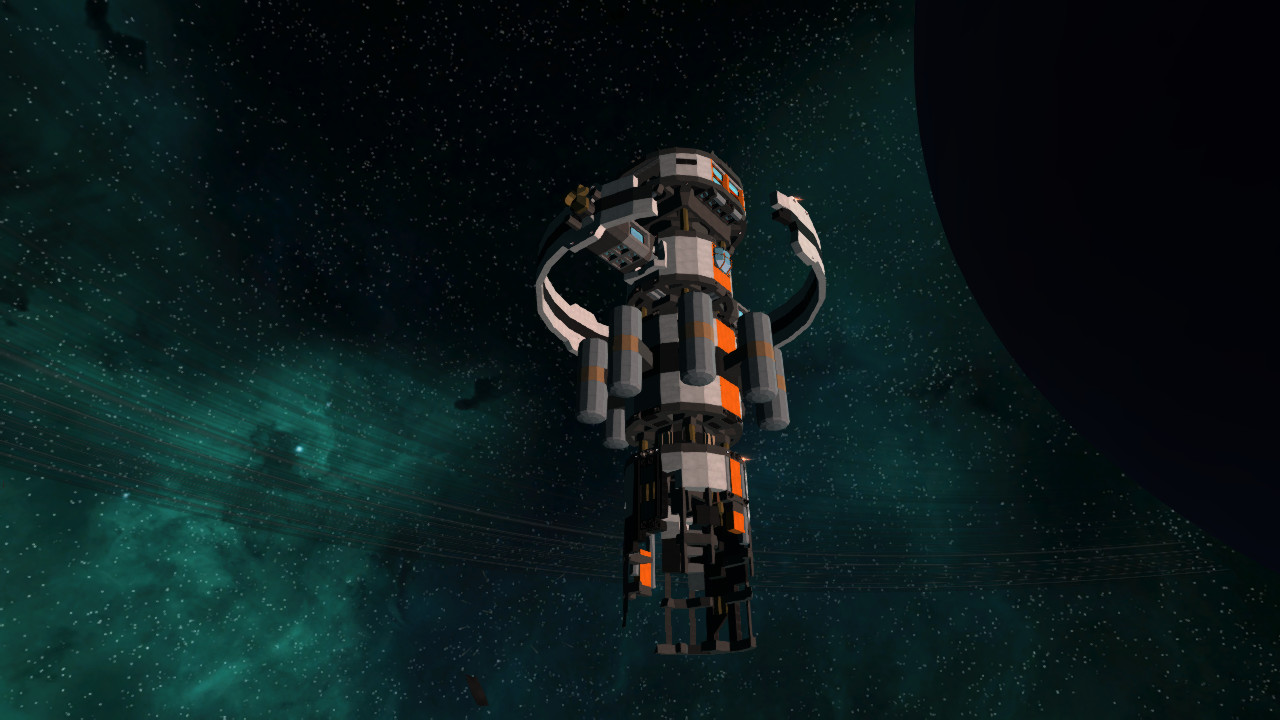
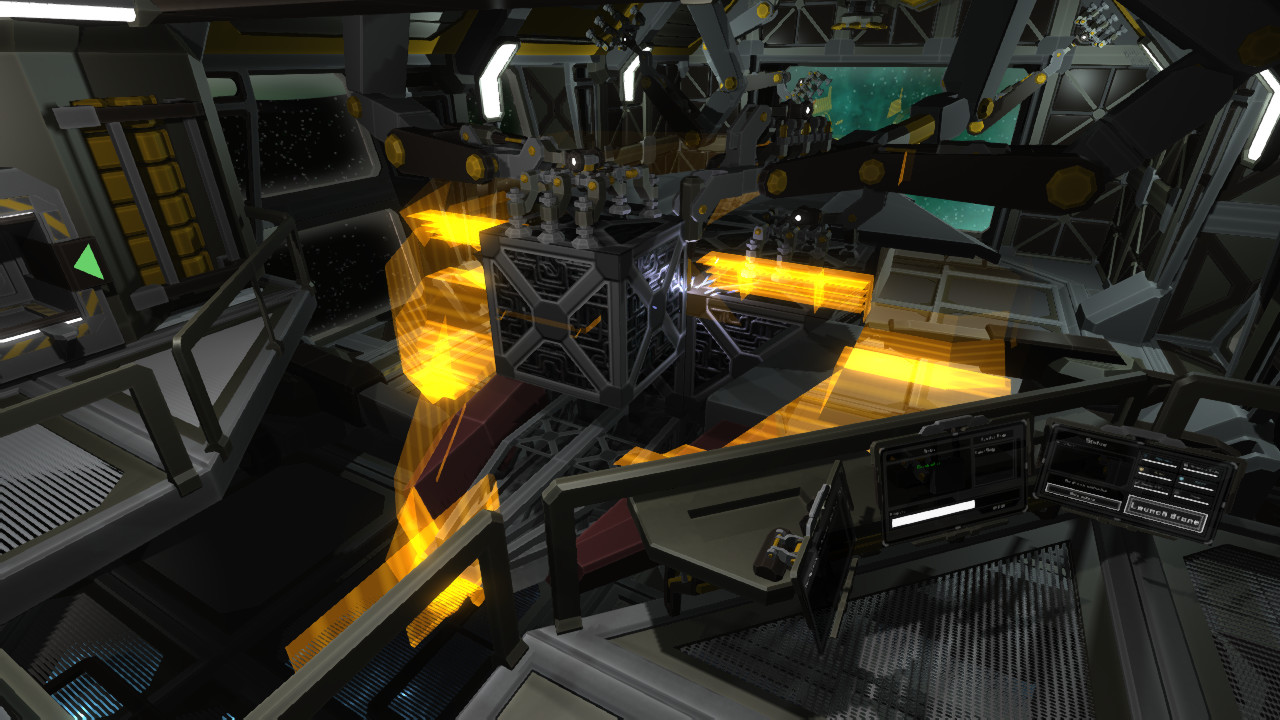
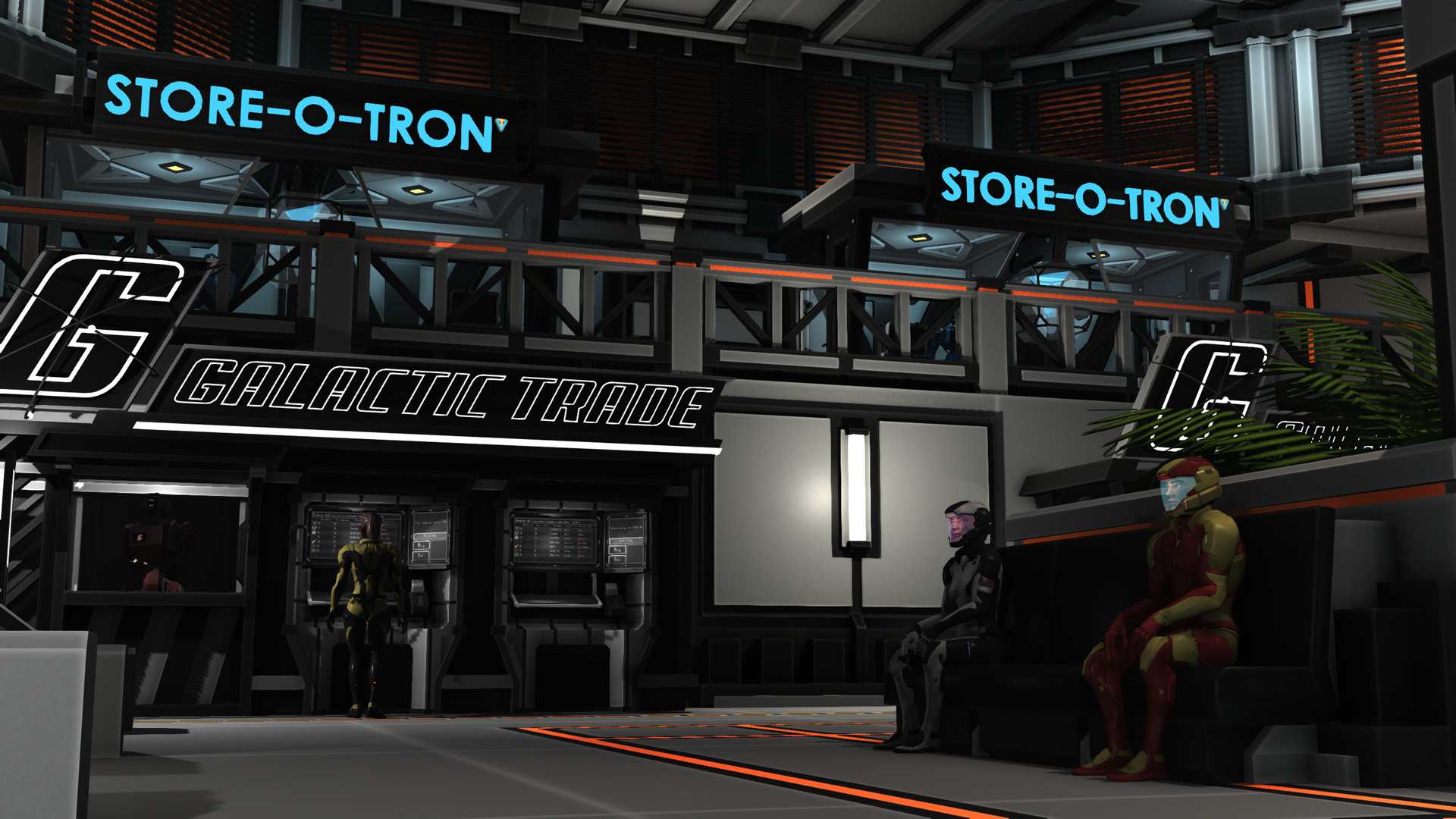
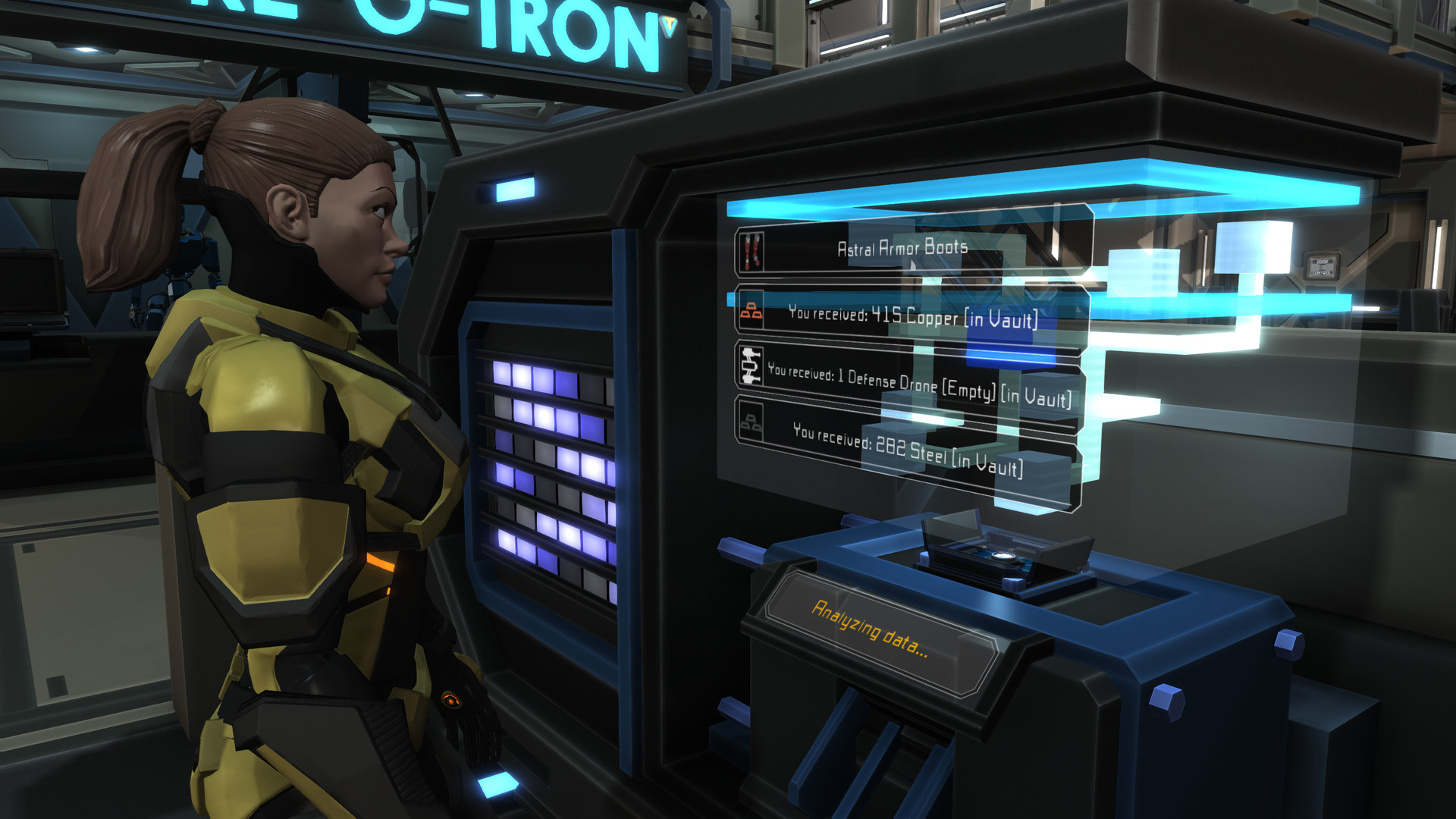
Get an in-depth look at Interstellar Rift through various videos and screenshots.
Load More
System requirements
These are the minimum specifications needed to play the game. For the best experience, we recommend that you verify them.
Windows
- Requires a 64-bit processor and operating system
- OS *: Windows 7 or higher
- Processor: Intel Dual Core 2GHz
- Memory: 4096 MB RAM
- Graphics: NVIDIA GeForce GTX 560 or higher
- Network: Broadband Internet connection
- Storage: 10 GB available space
- Additional Notes: OpenGL 4.6 or higher required
Steam Price & Best Deals
User reviews & Ratings
Explore reviews from Steam users sharing their experiences and what they love about the game.
I loved this game, sadly since the communities view thinks they abandoned the game, they ended up abandoning the servers. There's only a handful of servers left online in the EU and they aren't even populated anymore. I do hope to see a revival of this game, either from the devs, or the community
Don't let the bad reviews turn you away from this game. While the game is not in active development anymore, I didn't feel there where any instances where features where missing or incomplete. Nor where there any major bugs. The developers still run official servers for players and its a blast to hang out with your friends on one ship, working to upgrade it. This game is however unlikely to be enjoyable in singleplayer.
Similar games
View all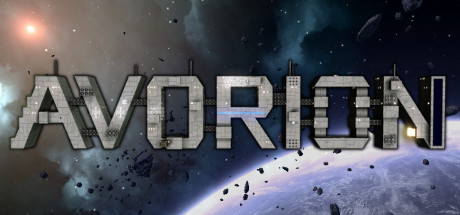
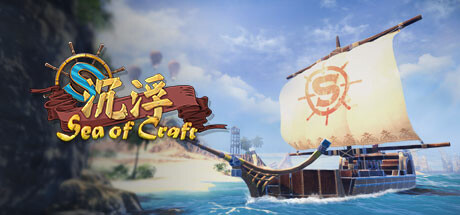
Sea of Craft
Hello! Captain! “Sea Of Craft” is a sandbox ocean-building game with realistic physics simulation. In “Sea of Craft”, you can build your exclusive ship with hundreds of materials, and explore intriguing stages on planet Beella as well as adventures of wonders in the great ocean!
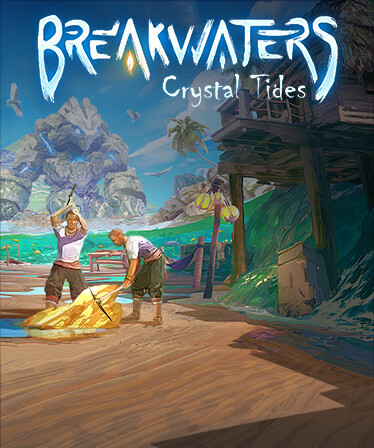
Breakwaters: Crystal Tides
Survive in a world ravaged by massive Titans and an ever changing ocean sim. Displace water to find resources for building and crafting unique items. Swim, sail, and fly to explore new islands and fight Titans.

Evochron Legacy SE
Advanced Space Flight, Combat, Trading, and Exploration Simulation. Set in a vast explorable universe, Evochron Legacy offers freeform gameplay with many diverse objectives and paths to choose from.

Core Keeper
Explore a vast cavern of creatures, relics and resources in a mining sandbox adventure for 1-8 players. Mine, build, fight, craft and farm to unravel the mystery of the ancient Core.
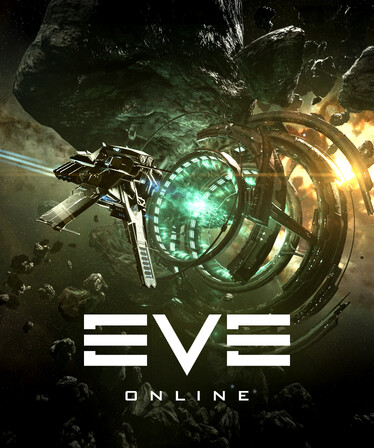
EVE Online
Over 20 years of legendary space battles! Explore a massive living universe of danger and opportunity in a challenging and highly rewarding space adventure. Fight, trade, build, and connect with a universe driven and shaped directly by players.
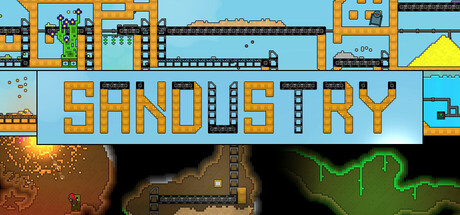
Sandustry
Explore and mine fully destructible worlds. Automate increasingly complex production chains. Delve deep to uncover an ancient civilization’s powerful secrets and learn to love the sand in this factory game where every pixel is a valuable resource.

Force of Nature 2: Ghost Keeper
Force of Nature 2: Ghost Keeper offers incredible adventures full of mystery, danger, exploration and magic. This game combines the genres of Survival, Sandbox, Action, Adventure, RPG, Strategy and Resource Management
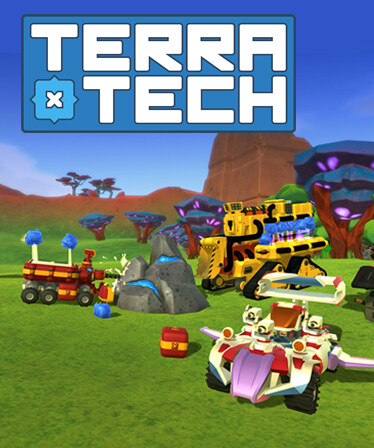
TerraTech
TerraTech is an open-world, sandbox adventure game, where you design and build your own creations through a mix of crafting, combat and discovery. Design vehicles from a huge library of blocks. Scavenge, craft and buy new parts to survive and become the ultimate planetary prospector.

Longvinter
Fish, farm, craft, gather, cook, loot or steal from other players and build a campsite or a village with your friends in an open-world multiplayer sandbox game without rules!

Force of Nature
Force of Nature is a Sandbox game that combines Action, Adventure, RPG, Strategy and Management genres

Garden Paws
You have inherited your grandparents farm as they set off to travel the world. Work with Frank at the local construction shop to finish off the final touches on your new home. Aid Frank and Mayor Wilson in building up the town so it may reach it's full potential.
Frequently Asked Questions
Interstellar Rift is currently priced at 19.50€ on Steam.
No, Interstellar Rift is currently not on sale. You can purchase it for 19.50€ on Steam.
Yes, Interstellar Rift received 1,125 positive votes out of a total of 1,627 achieving a rating of 6.71.
😐
Interstellar Rift was developed by Split Polygon and published by Iceberg Interactive.
Yes, Interstellar Rift is playable and fully supported on Windows.
No, Interstellar Rift is not playable on MacOS.
No, Interstellar Rift is not playable on Linux.
This information about Interstellar Rift is not available yet.
This information about Interstellar Rift is not available yet.
No, Interstellar Rift does not support VR.
Interstellar Rift offers both single-player and multi-player modes.
Interstellar Rift offers both Co-op and PvP modes.
Yes, there are 2 DLCs available for Interstellar Rift. Explore additional content available for Interstellar Rift on Steam.
Yes, Interstellar Rift is fully integrated with Steam Workshop. Visit Steam Workshop.
No, Interstellar Rift does not support Steam Remote Play.
Yes, Interstellar Rift is enabled for Steam Family Sharing. This means you can share the game with authorized users from your Steam Library, allowing them to play it on their own accounts. For more details on how the feature works, you can read the original Steam Family Sharing announcement or visit the Steam Family Sharing user guide and FAQ page.
You can find solutions or submit a support ticket by visiting the Steam Support page for Interstellar Rift.
Data sources
The information presented on this page is sourced from reliable APIs to ensure accuracy and relevance. We utilize the Steam API to gather data on game details, including titles, descriptions, prices, and user reviews. This allows us to provide you with the most up-to-date information directly from the Steam platform.
Additionally, we incorporate data from the SteamSpy API, which offers insights into game sales and player statistics. This helps us present a comprehensive view of each game's popularity and performance within the gaming community.
Last Updates| Steam data | 29 September 2026 22:08 UTC |
|---|---|
| SteamSpy data | 15 October 2026 02:02 UTC |
| Steam price | 18 October 2026 19:06 UTC |
| Steam reviews | 17 October 2026 15:54 UTC |
If you'd like to dive deeper into the details about Interstellar Rift, we invite you to check out a few dedicated websites that offer extensive information and insights. These platforms provide valuable data, analysis, and user-generated reports to enhance your understanding of the game and its performance.
- SteamDB - A comprehensive database of everything on Steam about Interstellar Rift
- SteamCharts - Analysis of Interstellar Rift concurrent players on Steam
- ProtonDB - Crowdsourced reports on Linux and Steam Deck Interstellar Rift compatibility

 19.50€
Visit Store
19.50€
Visit Store
 🔥 Deal
-82%
19.50€
3.54€
Buy Now
🔥 Deal
-82%
19.50€
3.54€
Buy Now
 -79%
19.50€
4.17€
Visit Store
-79%
19.50€
4.17€
Visit Store
 -78%
19.50€
4.29€
Visit Store
-78%
19.50€
4.29€
Visit Store
 -77%
19.50€
4.49€
Visit Store
-77%
19.50€
4.49€
Visit Store
Game modes
Multiplayer
Features
Online players
3
Developer
Split Polygon
Publisher
Iceberg Interactive
Release
24 Sep 2020
Platforms
Clicking and buying through these links helps us earn a commission to maintain our services.