
Conrad Stevenson's Paranormal P.I.
I made this first-person single player ghost hunting simulation game, trying to take an authentic approach at investigating ghosts. Use essential paranormal tools to help your community alleviate their concerns and put their minds at ease.
Sync your Steam wishlist to find the lowest game prices instantly. No login required, just paste your Steam profile URL!
⚡ Try Wishlist Radar!
Sync your Steam wishlist to find the lowest game prices instantly. No login required!
⚡ Try Wishlist Radar!
Close

HellSign on Steam
Quick menu
HellSign is an investigative action RPG that pits you against the horrors of the afterlife, let loose on a small town. As a hunter, you’ll plan, hunt, and kill to pay the bills and piece together the fragments to your past. Just remember - a smart hunter is always prepared.
HellSign is a supernatural, horror and investigation game
developed and published by Ballistic Interactive.
Released on February 24th 2021 is available only on Windows.
It has received 2,201 reviews of which 1,507 were positive and 694 were negative resulting in a rating of 6.7 out of 10. 😐
The game is currently priced at 19.99€ on Steam.
The Steam community has classified HellSign into these genres:
Media & Screenshots
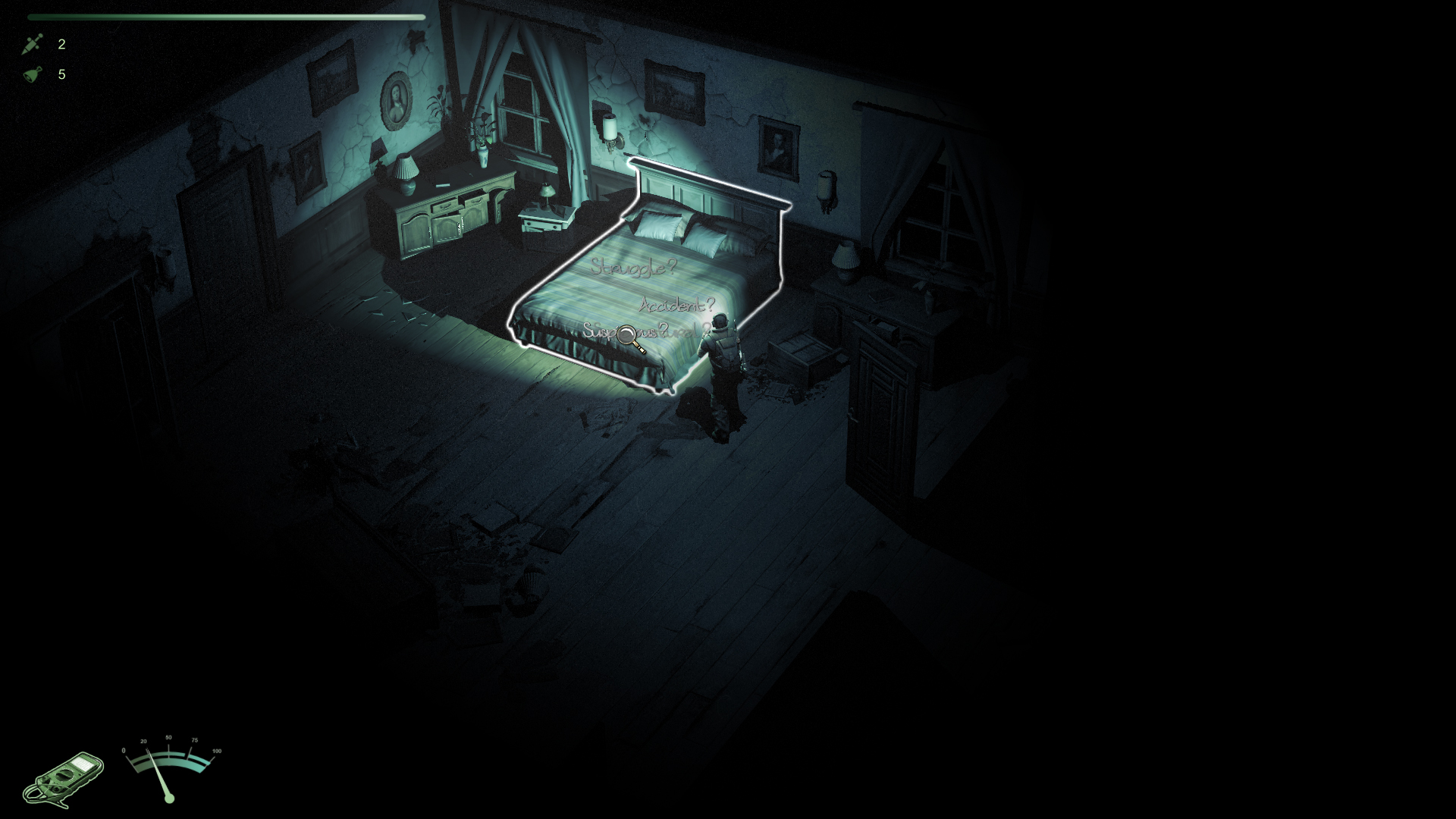
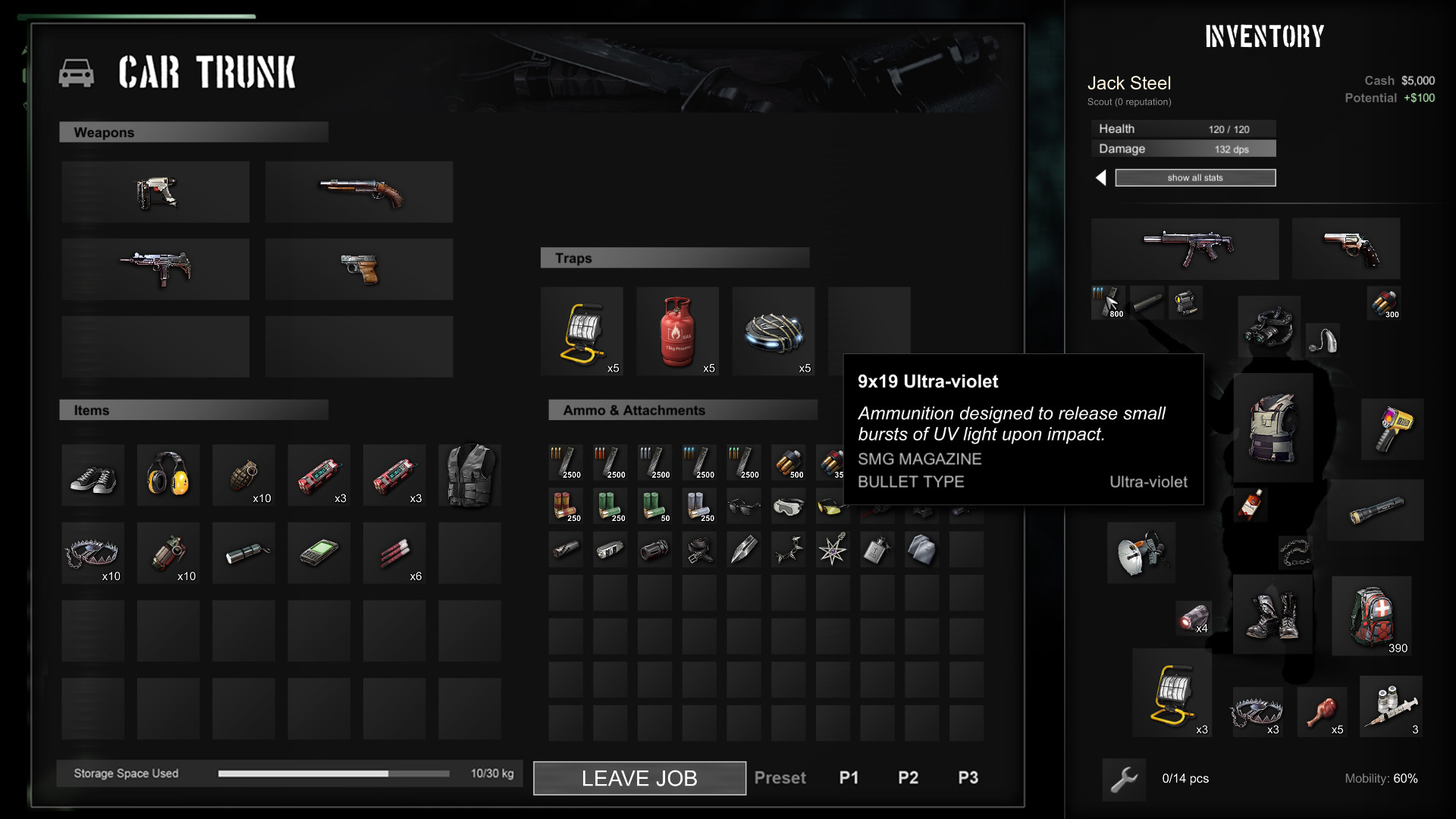
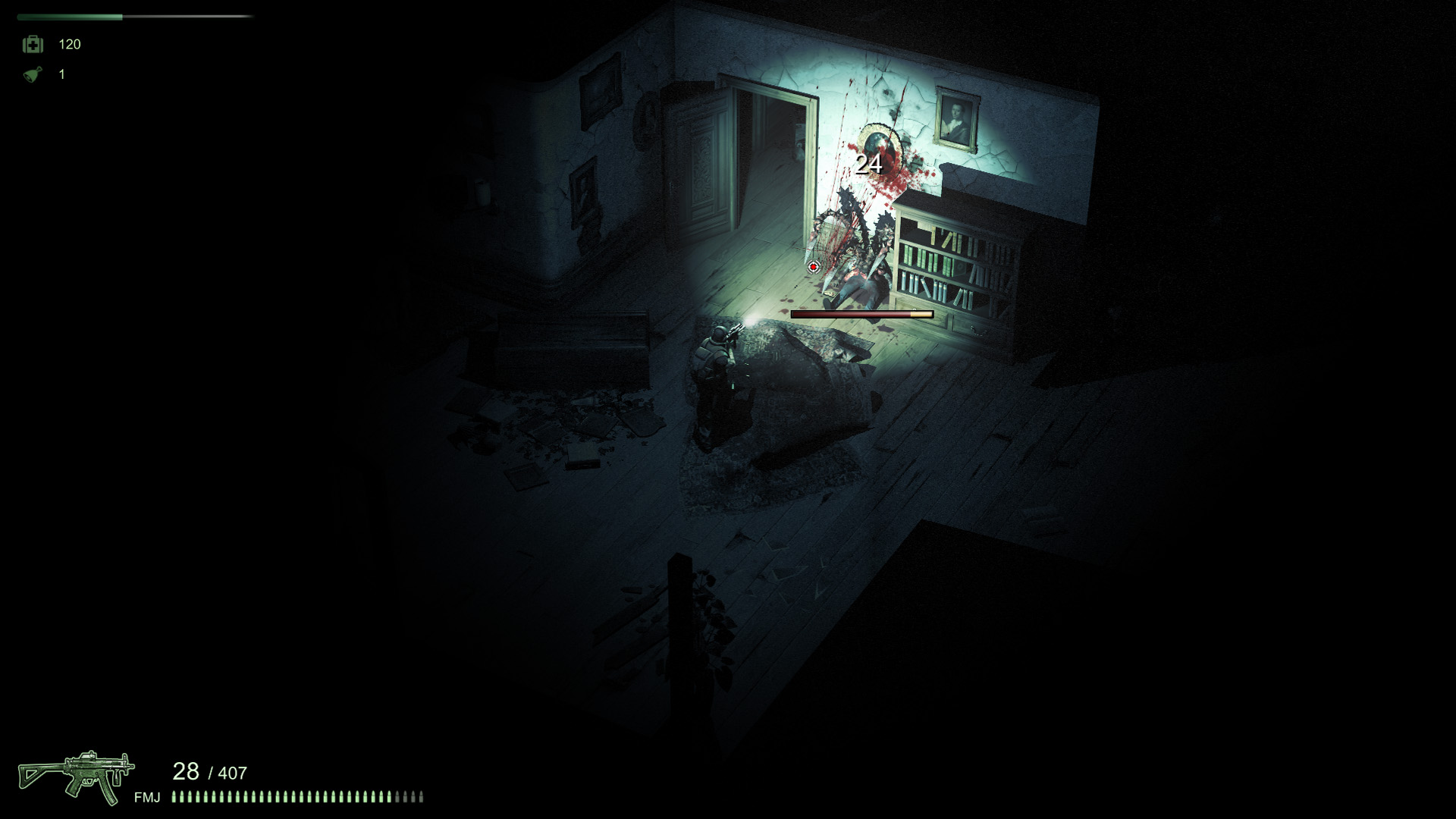
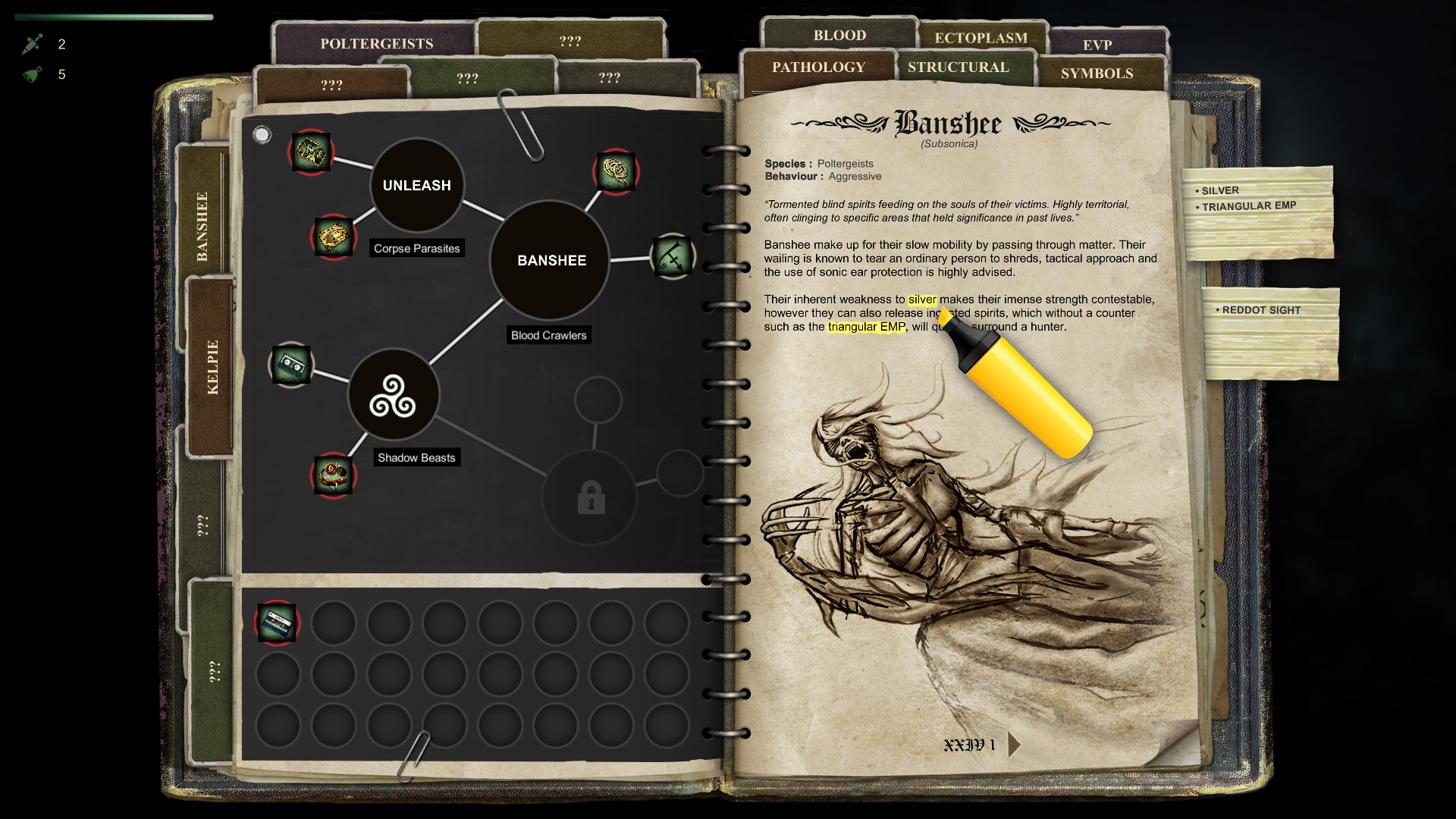
Get an in-depth look at HellSign through various videos and screenshots.

Load More


System requirements
These are the minimum specifications needed to play the game. For the best experience, we recommend that you verify them.
Windows
- OS *: Windows Vista SP2 or higher
- Processor: Intel Core i5 2.4ghz (or equivelant AMD)
- Memory: 8 GB RAM
- Graphics: Mid Range Graphics Card
- DirectX: Version 9.0
- Storage: 2 GB available space
- Additional Notes: Aspect Ratio 16:9 and wider
Steam Price & Best Deals
User reviews & Ratings
Explore reviews from Steam users sharing their experiences and what they love about the game.
This game is unique, that is why i got it. There are not alot of supernatural horror investigation games out there, and the ones you get are mostly about ghost hunting. I got this game because i wanted a game similar to buffy the vampire slayer, angel and supernatural and still to this day its hard to find a descent game on this genre. If you are looking for something like the ttrpgs hunter: the vigil or hunter: the reckoning. This is probably what you are looking for. A game based on hunter the reckoning is on its way but i dont have my hopes up just yet, we havnt seen alot of good WoD games lately.
General Impression Buried in this mess of a game is a winning formula—one that balances combat, sleuthing, deduction, and preparation all into a congruent experience. Each activity feeds into another and ultimately leads you to the climactic showdown with the boss. HellSign leaves a strong impression and comes very close to pulling it all off, but, unfortunately, doesn't quite make it. The general flow of the game is to arrive at a location, use specialized equipment to hunt down invisible "clues," defend yourself against hostile cryptids while clearing the location, use the clues to identify the boss, and then return to your van to prepare for the final fight. Every foe—including bosses—has one or more distinctive weakness and strength that you can adapt to if you have foreknowledge of the situation, which you sometimes do. Progression comes from earning money from jobs and spending that money on weapons, armor, equipment, medicine, specialized ammunition, traps, and information on opponents you'll encounter. The character can accrue skill points to allocate in what I would generously describe as a skill tree (more like a skill shrub). Points can be reclaimed and freely redistributed later. All that said, I had a blast and an overall good experience. I don't think there's enough here to warrant the full price tag, but the game goes on sale for a steal with fair regularity. I recommend it. Details Everything beyond this point will be a more detailed analysis of what's good and bad about the game. The tutorial and early game are strong and leave a good impression—having a few curve balls to throw at the player—but they give way to the grindy slog that is the mid-game. If one can bear with it until the final stage of the game, the experience picks back up again for the tail end. The developers seemed to reserve the most interesting tricks for the beginning and end of the game, leaving little to freshen up the experience of every stage in between. The developers put in a lot of effort to give each boss—and their respective fight—a distinct identity. Unfortunately, not all of the ideas came together. I'd estimate about half of the boss fights in the game are frustrating and confusing while the other half are good or decent experiences. What's good is really good and what's bad is obnoxious. I suppose this is the natural consequence of being brave enough to experiment, but not having the development resources needed to refine the results. Some fights demand that the player don specific protective equipment, and those protective equipments replace whatever you were wearing in that slot (usually mask/helmet or boots), while also requiring the player invest a skill point into a prerequisite skill to be able to wear the equipment in the first place. I won't complain about wearing specific gear for specific fights—as that makes things interesting and potentially forces the player to shake up their tactics—but it is a bummer to have to grind up a few extra thousand dollars to afford the gear and needing to dump a precious skill point into a skill you didn't care for. There are three "biomes" in the game: one indoor location and two outdoor locations. The game is way more interesting and fun at the indoor location. The outdoor locations are chores to navigate, hunt for clues in, and fight in. The indoor location mitigates these issues by segmenting areas into rooms and hallways whose boundaries are clearly communicated. The story is trash and the dialogue feels like it was written by an edgy teen who struggles deeply with punctuation and homonyms. However, the story being underwhelming is not particularly a problem, as one doesn't necessarily need an excuse to romp through haunted houses while bearing an EMF reader and a shotgun loaded with silver, Mercifully, the plot points are all thinly veiled excuses to get you to do that anyways. Go figure. The lore is interesting, but there's little to chew on and what's here is not showcased very well. I would have loved to explore this universe a little more (and perhaps hang out with some rough-and-tumble Australians from the safety of my home). A special mention must be made of the fact that traps and specialized ammunition all vie for the same two equipment slots. This is subtly a large shortcoming of the game because the bonus for using the correct ammunition type against an enemy or boss is huge —I mean double damage huge—while the huge penalty for using the wrong ammo type means you basically shouldn't be fighting. Meaning you have to tote around all ammo types at all times and forgo using traps or else use strictly the normal FMJ and deal with half damage output in a straight-up fight. Consequently, I never once used a trap in any serious capacity except for a few times against bosses—where you know beforehand which ammo type to use—because bringing traps meant I was at risk of losing a normal enemy encounter. Many of the equipments used to hunt for clues have a lot of charm and personality to them, especially later on—my favorite being the AM/FM radio that's attuned to the dead, requiring you to stand over a corpse to hear signals and use the sound to approximate the direction and distance of clues. Finding invisible clues means you can slot them into certain spaces in your notebook to discover what the boss is, which variation of the boss it is, and what equipment to wear for that specific boss and variation. However, there's no actual deduction to be performed by the player, as your character does the thinking for you and you're just slotting in stuff into the correct holes. I love how clue-hunting leads to preparation and preparation leads to combat, but I think it's a great weakness of the game that the player never does any of the real thinking. Comments are enabled on this review.
I like this game a lot. Scarry, tactical, spiritual with interesting characters and story. It seems there has been plans for the future of the game but I guess it didn´t succed as much as the team hoped and now it kinda lies dead in the water. Shame, but maybe there will be a next game, I would like that.
Similar games
View all

MetaPhysical
Supernatural phenomena are on the rise. In MetaPhysical you and up to 5 other friends can go on the hunt for eerie creatures to put an end to their sinister activities! Whether it's an ordinary ghost or a demon, your task is to identify the rumbling creature and then finish it off.
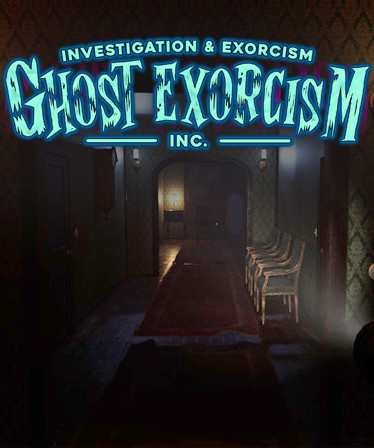
Ghost Exorcism INC.
Ghost Exorcism INC is a 1 to 6 player co-op horror game. Track down entities with your detectors, identify them… then carry out the exorcism protocol to send them back to the afterlife before it's too late!

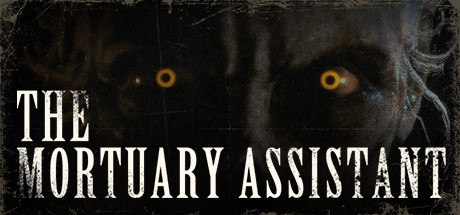
The Mortuary Assistant
Alone with the dead... Embalm corpses, banish demons, save your soul.
Frequently Asked Questions
HellSign is currently priced at 19.99€ on Steam.
No, HellSign is currently not on sale. You can purchase it for 19.99€ on Steam.
Yes, HellSign received 1,507 positive votes out of a total of 2,201 achieving a rating of 6.66.
😐
HellSign was developed and published by Ballistic Interactive.
Yes, HellSign is playable and fully supported on Windows.
No, HellSign is not playable on MacOS.
No, HellSign is not playable on Linux.
This information about HellSign is not available yet.
This information about HellSign is not available yet.
No, HellSign does not support VR.
HellSign is a single-player game.
No, HellSign does not currently offer any DLC.
No, HellSign does not support mods via Steam Workshop.
No, HellSign does not support Steam Remote Play.
Yes, HellSign is enabled for Steam Family Sharing. This means you can share the game with authorized users from your Steam Library, allowing them to play it on their own accounts. For more details on how the feature works, you can read the original Steam Family Sharing announcement or visit the Steam Family Sharing user guide and FAQ page.
You can find solutions or submit a support ticket by visiting the Steam Support page for HellSign.
Data sources
The information presented on this page is sourced from reliable APIs to ensure accuracy and relevance. We utilize the Steam API to gather data on game details, including titles, descriptions, prices, and user reviews. This allows us to provide you with the most up-to-date information directly from the Steam platform.
Additionally, we incorporate data from the SteamSpy API, which offers insights into game sales and player statistics. This helps us present a comprehensive view of each game's popularity and performance within the gaming community.
Last Updates| Steam data | 17 September 2026 22:04 UTC |
|---|---|
| SteamSpy data | 10 October 2026 03:31 UTC |
| Steam price | 16 October 2026 18:59 UTC |
| Steam reviews | 15 October 2026 22:02 UTC |
If you'd like to dive deeper into the details about HellSign, we invite you to check out a few dedicated websites that offer extensive information and insights. These platforms provide valuable data, analysis, and user-generated reports to enhance your understanding of the game and its performance.
- SteamDB - A comprehensive database of everything on Steam about HellSign
- SteamCharts - Analysis of HellSign concurrent players on Steam
- ProtonDB - Crowdsourced reports on Linux and Steam Deck HellSign compatibility

Game modes
Features
Online players
2
Developer
Ballistic Interactive
Publisher
Ballistic Interactive
Release
24 Feb 2021
Platforms