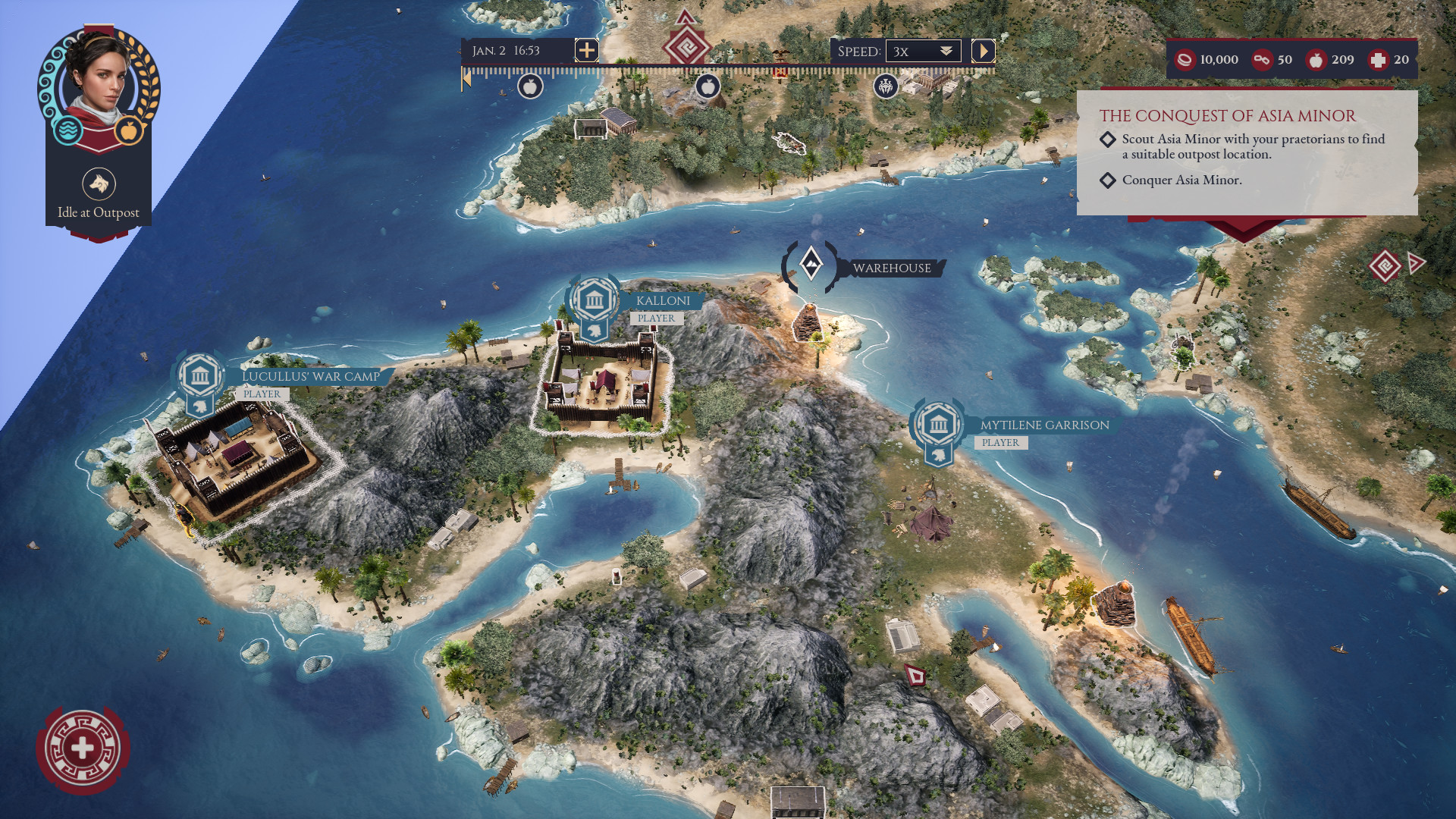
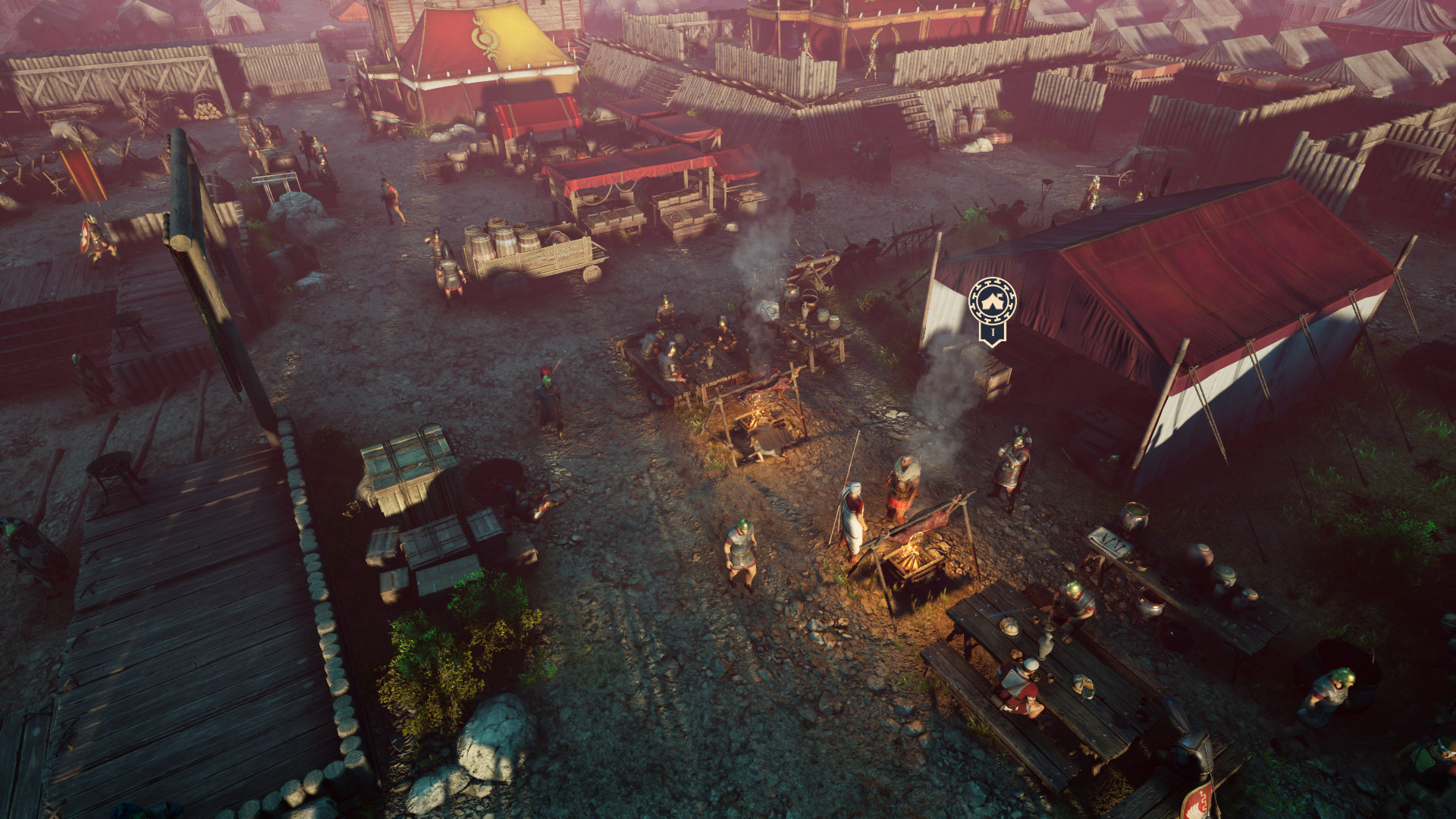
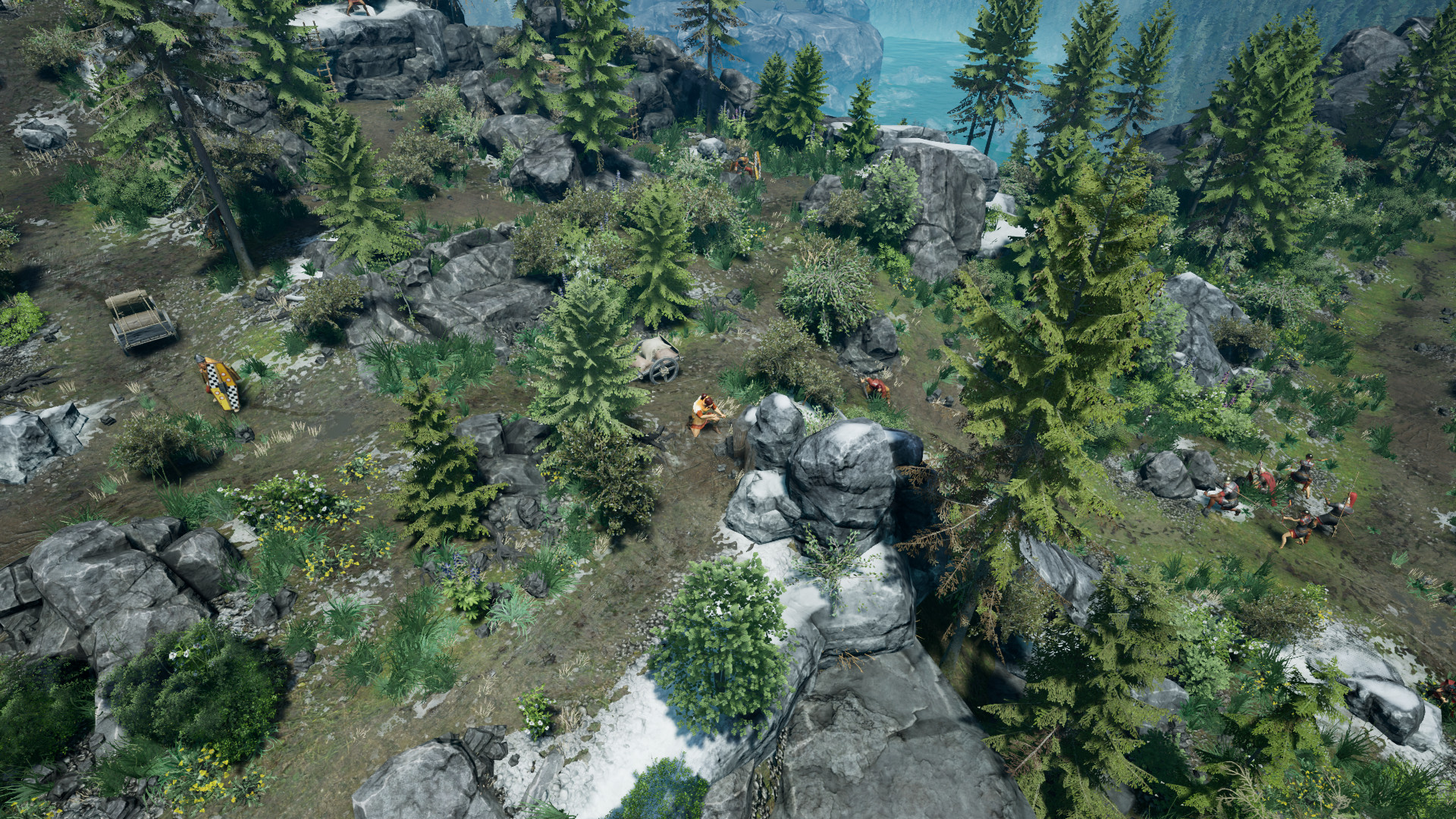
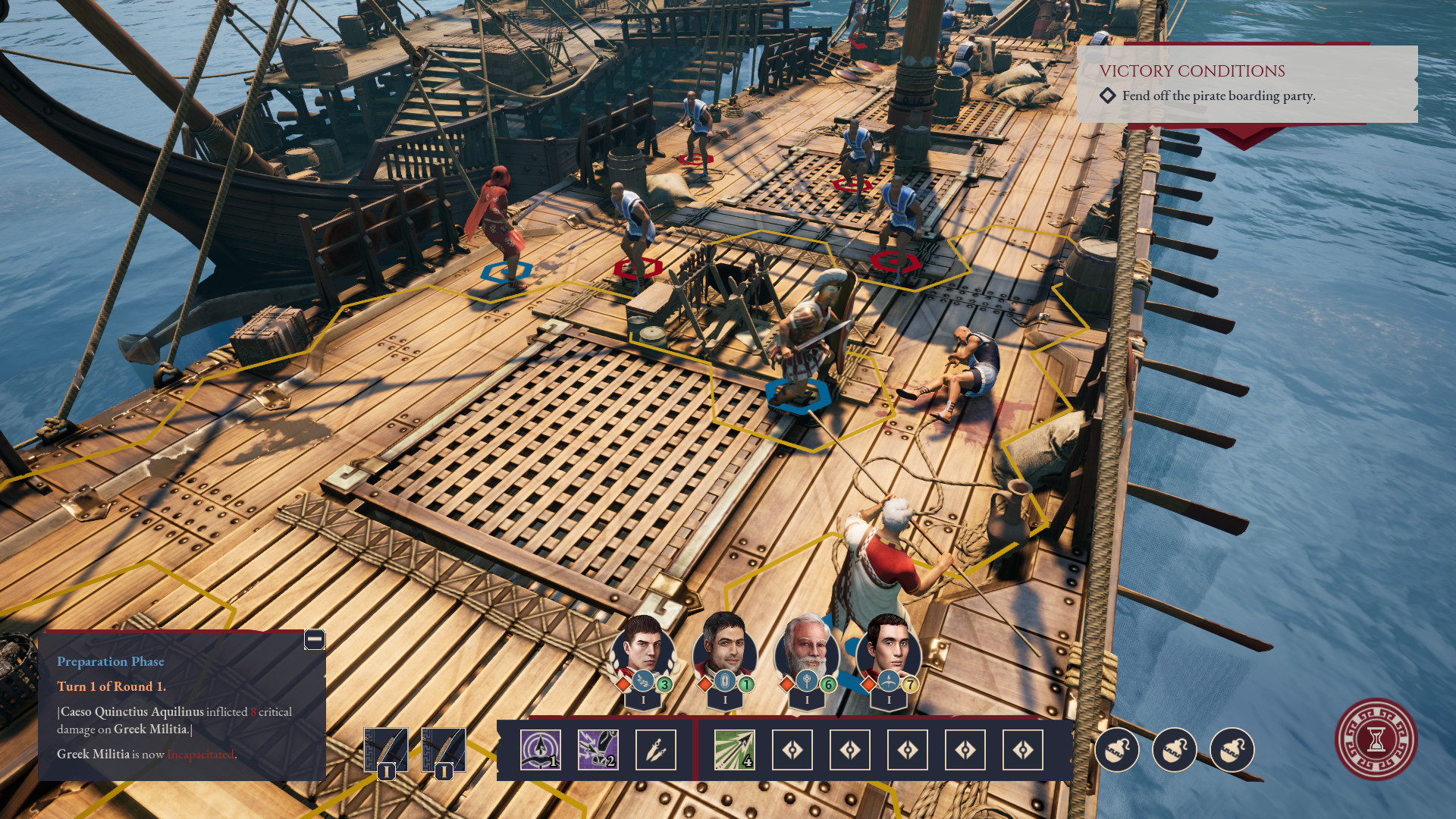
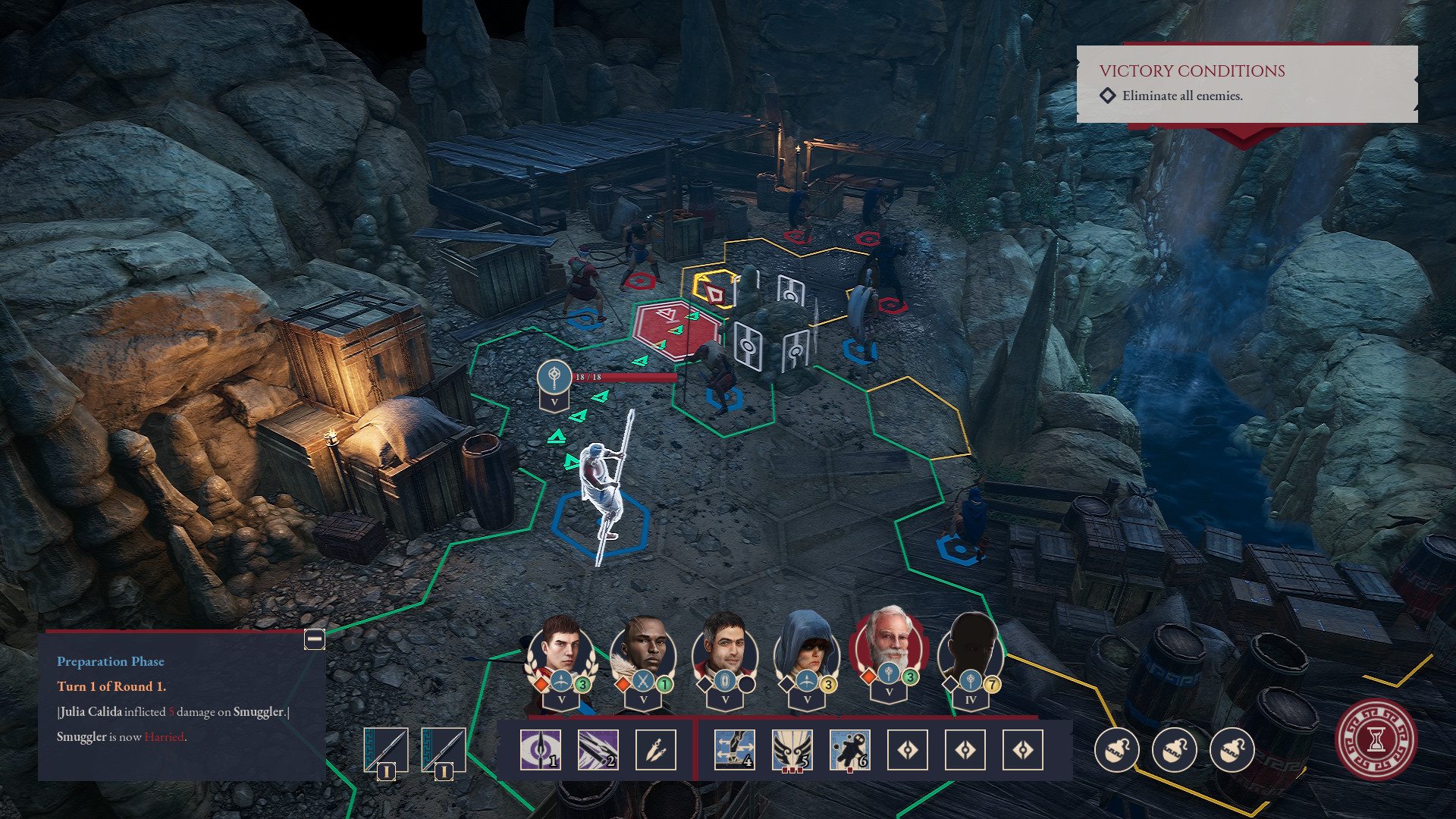
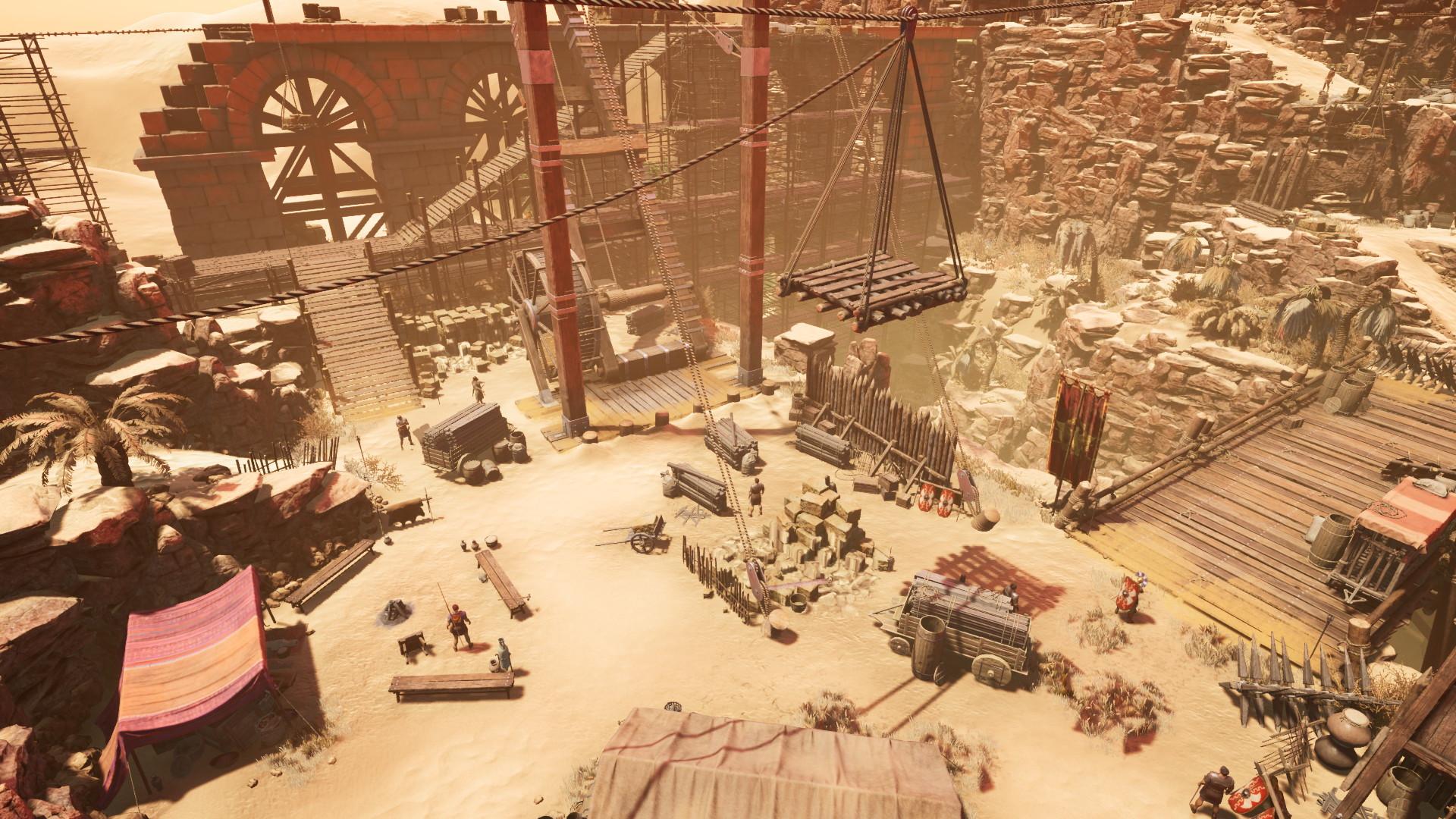
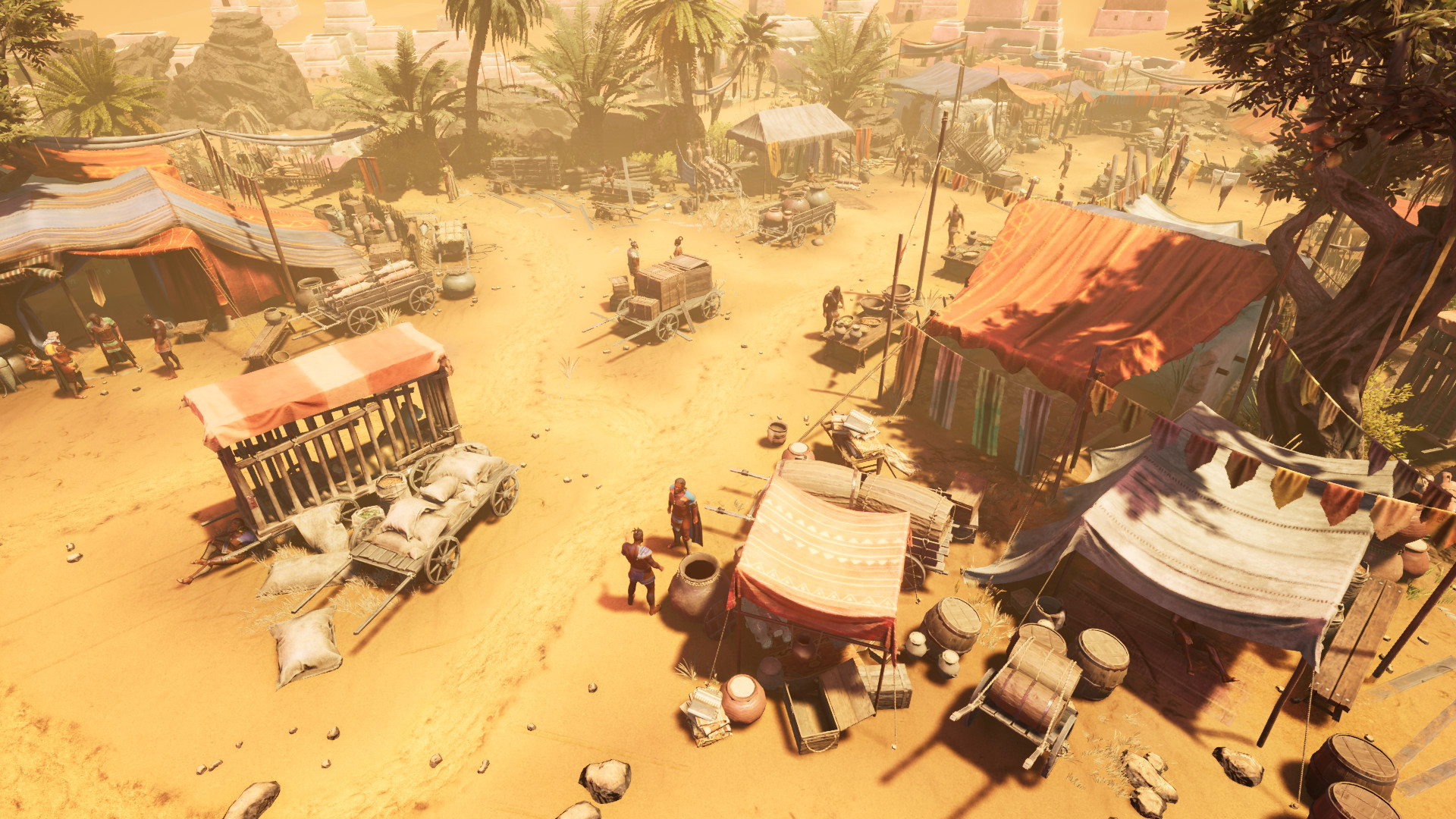
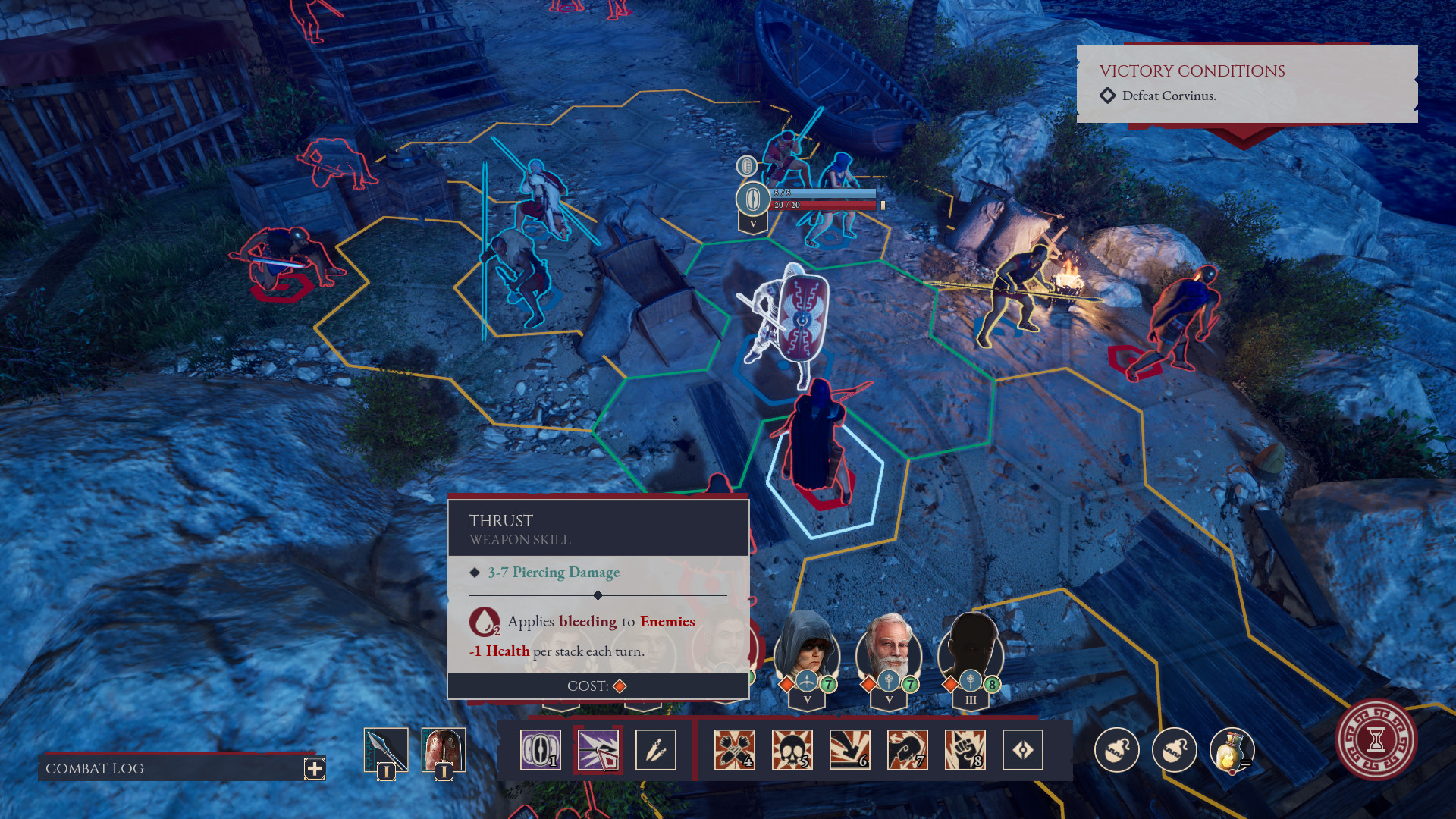
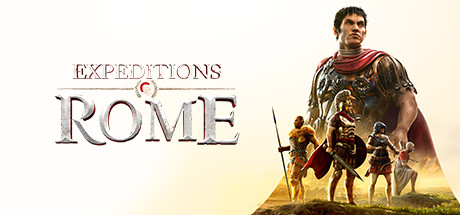
Expeditions: Rome is a really enjoyable game, though it needed a few tweaks to be really polished. The story premise is simple: you're the child of a prominent patrician family during the late Roman Republic. Your dad gets whacked for sticking his nose in a whirlwind of corruption, so your mom packs you off to the army for your protection (as the military is a notoriously safe profession). Though you're expected to hold a sinecure position, your patron throws you into the deep end of warfare immediately. Along the way, you inevitably encounter the many larger-than-life figures of the late Republic: Marcus Aurelius Cotta, Lucius Licinius Lucullus, Marcus Porcius Cato, Marcus Tullius Cicero, Ambiorix, Dumnorix, Vercingetorix, Gnaeus Pompeius Maximus, Ptolemy XIII, Cleopatra VII, Mithridates VI, and a young up-and-comer by the name of Gaius Julius Caesar. Gameplay is delightfully varied between 4 principal modes. First, there is the tactical role-playing game mode whose most apt comparison is Fire Emblem. The game squares off your party against an enemy party on a grid-based board. Each side moves all its characters at once in alternating phases. Unlike Fire Emblem, you do not just order your units to swing/shoot at the enemy. Instead, you command them to use specific skills in each bout of combat. These skills are tied not only to your units' classes but also the weapons they are carrying, meaning no two units are likely to have the same stats and traits. Certain enemy types, when defeated, refresh your units' actions for the phase; mastering this mechanic is vital to blitzing through larger armies. You can also use tactical items like smoke bombs, Greek fire (anachronistically placed), caltrops, torches, and more to give yourself an edge in the fight. The second game mode is a grand strategy campaign, somewhat reminiscent of Total War games. You command Legio Victrix, directing your legion to subjugate various parts of the world over the course of three acts. When you come across enemy strongholds, you order your legion into battle. However, you do not simply know what the lay of the land already looks like; you have to scout the topography personally before sending your legion forth. During your scouting, random events occur that force you to make decisions. These decisions affect your closest allies' opinions of you. Displease a companion with too many disfavored choices, and they might leave your retinue. Your legion also can gather resources once a province is pacified (always go for quarries first; they allow you to build roads to move faster, and Romans love their roads). The third game mode is strategic command. This is more of a hands-off mini-game more than anything. When your legion actually does engage in battle, rather than take direct control like Total War, you hand down commands through your centurions. Each battle shifts through four stages, and the army with the most soldiers standing after the fourth stage wins. Your commands are predicated on a deck system (because every game has a card deck system), where you draw a hand of random cards, and each card represents a different stratagem to employ. The game helpfully tells you what the consequences of each stratagem will be. Maintaining a balance between your cavalry, infantry, artillery, and logistics is important, as is keeping up your legion's morale and troop numbers. Lose too often (or even win too many Pyrrhic victories) and watch morale and soldier count plummet, making your legion hopeless. The last game mode is a kind of general free roam mode. You take direct control of your own character and a handful of companions to wander around different areas, whether that be a fancy villa in Rome or the forested hinterlands of Gaul. You also can wander around your legion camp and talk to your praetorians. Often, people you pass by will have interesting (and occasionally bewildering) things to say. On the subject of things to say, the game is fully voice acted, and very well at that. Chances are you've never heard any of these actors before (with the possible exception of Calida's VA, who played Bex the tiefling in Baldur's Gate 3), but they do a very good job. It would be a very different experience without the voice acting; the actors really bring life to the game. Of course, because there is role-playing involved and you do have a lot of chatty companions, there is a small rogue's gallery of misfits you assemble at your side: the spy whose cover gets blown immediately, the wise tutor, the violent gladiator, the two-fisted and hard-drinking veteran, and the Scythian muscle mommy who is possibly a nod to Srayanka from Christian Cameron's Tyrant book series. And what would an RPG be these days without the option to romance one of them? Since you can play either as a man or a woman, the choice is yours as to whom to smooch. Indeed, the choice is yours is the biggest part of the game. Since the game takes place during the late Republic, there are many choices where history can diverge based on the choices you make. Unlike many games that tout a choice system but really only have one or two choices of any significance, almost every decision in Expeditions: Rome has some lasting impact on future events in the game. Actions have consequences! Though the game is solid, it could have done with a bit of fine tuning. The maps are big, whether in tactical combat or free roaming, and a mini-map would not have gone amiss. After tactical battles, you can loot enemy soldiers, but that requires an unnecessary amount of clicking around; a simple "take all" command would have sufficed. The pace of the game also can be overwhelming. As the scope of your battles expands, you're required to make decisions about the tactical deployment of your companions. Each act ends with a grand battle fought in several stages, but these end-of-act battles easily can exceed an hour of gameplay time. You can save at any time, but some of these fights become a real slog, especially after hours spent on the campaign map. Given that, a way to fast forward through all the enemy and allied movement phases would have also been welcome. None of that stops Expeditions: Rome from being a great deal of fun. It has a "just one more turn" quality about it that keeps you engaged. Heartily recommended, X out of X, would unintentionally conquer the Mediterranean world again.
Expand the review