


Souls of Blades
Famous sword, spiritual realm after the death of the awakening. Where is the owner? How did Gorgeous architecture and The Mysterious Island become a ruin? What happened before the destruction?
Sync your Steam wishlist to track the lowest game prices instantly. No login required, just paste your Steam profile URL!
⚡ Try Wishlist Radar!
Sync your Steam wishlist to track the lowest game prices instantly. No login required!
⚡ Try Wishlist Radar!
Close

Don't open the doors! on Steam
Quick menu
Claymation action adventure in an odd world of talking pumpkins, blue trees and stuff like that.
Don't open the doors! is a indie, adventure and action game
developed by Anton Riot and Co
and published by Anton Riot.
Released on November 11th 2016 is available on Windows and MacOS.
It has received 328 reviews of which 279 were positive and 49 were negative resulting in a rating of 7.9 out of 10. 😊
The game is currently priced at 10.99€ on Steam.
The Steam community has classified Don't open the doors! into these genres:
Media & Screenshots
Get an in-depth look at Don't open the doors! through various videos and screenshots.
Load More
System requirements
These are the minimum specifications needed to play the game. For the best experience, we recommend that you verify them.
Windows
- OS *: Windows XP or later
- Processor: 1.7 GHz Dual Core or Greater
- Memory: 1 GB RAM
- Graphics: GeForce GT 520MX or higher discrete graphics
- Storage: 1 GB available space
MacOS
- OS: Leopard 10.5.8 or later.
- Processor: 1.7 GHz Dual Core or Greater
- Memory: 1 GB RAM
- Graphics: 256 MB OpenGL 2.0 compatible graphics card
- Storage: 1 GB available space
Steam Price & Best Deals
User reviews & Ratings
Explore reviews from Steam users sharing their experiences and what they love about the game.
⣿⣿⡻⠿⣳⠸⢿⡇⢇⣿⡧⢹⠿⣿⣿⣿⣿⣾⣿⡇⣿⣿⣿⣿⡿⡐⣯⠁ ⠄⠄ ⠟⣛⣽⡳⠼⠄⠈⣷⡾⣥⣱⠃⠣⣿⣿⣿⣯⣭⠽⡇⣿⣿⣿⣿⣟⢢⠏⠄ ⠄ ⢠⡿⠶⣮⣝⣿⠄⠄⠈⡥⢭⣥⠅⢌⣽⣿⣻⢶⣭⡿⠿⠜⢿⣿⣿⡿⠁⠄⠄ ⠄⣼⣧⠤⢌⣭⡇⠄⠄⠄⠭⠭⠭⠯⠴⣚⣉⣛⡢⠭⠵⢶⣾⣦⡍⠁⠄⠄⠄⠄ ⠄⣿⣷⣯⣭⡷⠄⠄⢀⣀⠩⠍⢉⣛⣛⠫⢏⣈⣭⣥⣶⣶⣦⣭⣛⠄⠄⠄⠄⠄ ⢀⣿⣿⣿⡿⠃⢀⣴⣿⣿⣿⣎⢩⠌⣡⣶⣿⣿⣿⣿⣿⣿⣿⣿⣿⣿⣆⠄⠄⠄ ⢸⡿⢟⣽⠎⣰⣿⣿⣿⣿⣿⣿⢀⣾⣿⣿⣿⣿⣿⣿⣿⣿⣿⣿⣿⣿⣿⣦⠄⠄ ⣰⠯⣾⢅⣼⣿⣿⣿⣿⣿⣿⡇⣾⣿⣿⣿⣿⣿⣿⣿⣿⣿⣿⣿⣿⣿⣿⣿⡄⠄ ⢰⣄⡉⣼⣿⣿⣿⣿⣿⣿⣿⢸⣿⣿⣿⣿⣿⣿⣿⣿⣿⣿⣿⣿⣿⣿⣿⣿⣧⠄ ⢯⣌⢹⣿⣿⣿⣿⣿⣿⣿⣿⢸⣿⣿⣿⣿⣿⣿⣿⣿⣿⣿⣿⣿⣿⣿⣿⣿⣿⠄ ⢸⣇⣽⣿⣿⣿⣿⣿⣿⣿⣿⠸⣿⣿⣿⣿⣿⣿⣿⣿⣿⣿⣿⣿⣿⣿⣿⣿⣿⠄ ⢸⣟⣧⡻⣿⣿⣿⣿⣿⣿⣿⣧⡻⣿⣿⣿⣿⣿⣿⣿⣿⣿⣿⣿⣿⣿⣿⣿⣿⠄ ⠈⢹⡧⣿⣸⠿⢿⣿⣿⣿⣿⡿⠗⣈⠻⣿⣿⣿⣿⣿⣿⣿⣿⣿⣿⣿⣿⣿⡇⠄ ⠄⠘⢷⡳⣾⣷⣶⣶⣶⣶⣶⣾⣿⣿⢀⣶⣶⣶⣾⣿⣿⣿⣿⣿⣿⣿⣿⣿⠇⠄ ⠄⠄⠈⣵⣿⣿⣿⣿⣿⣿⣿⣿⣿⣿⢸⣿⣿⣿⣿⣿⣿⣿⣿⣿⣿⣿⣿⣿⠄⠄ ⠄⠄⠄⠸⣿⣿⣿⣿⣿⣿⣿⣿⣿⣿⠘⣿⣿⣿⣿⣿⣿⣿⣿⣿⣿⣿⣿⠇⠄⠄
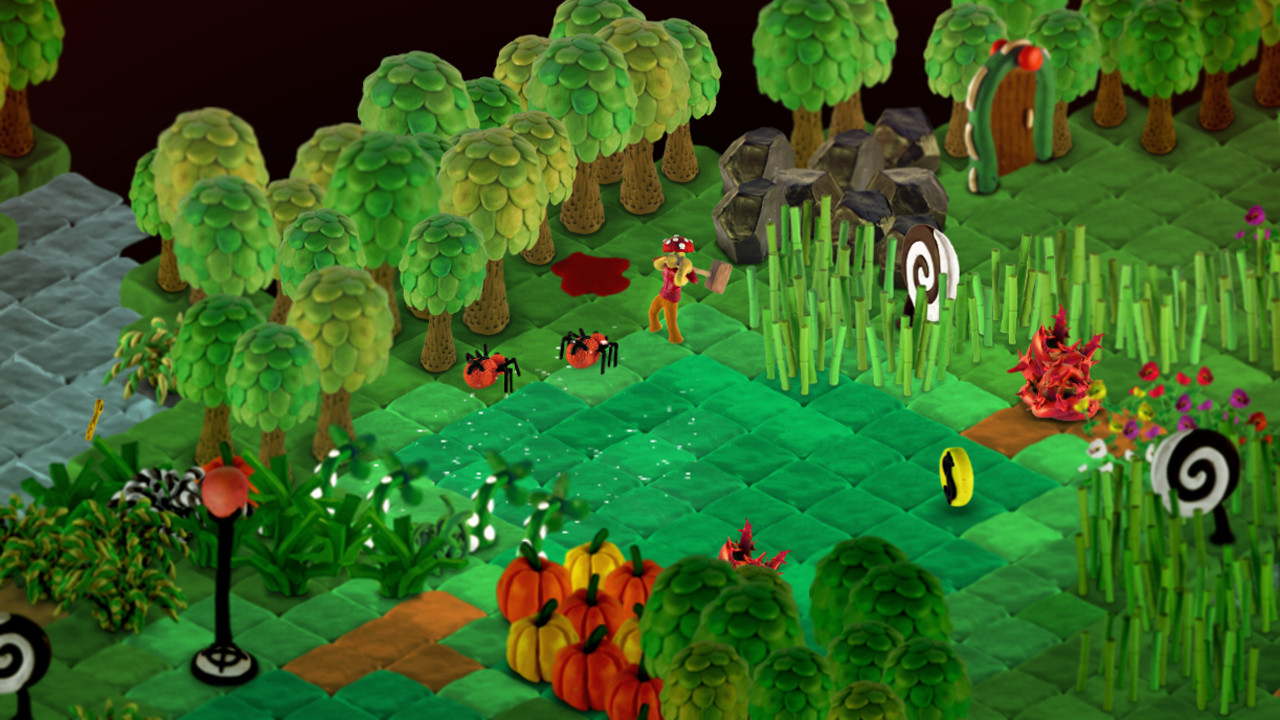
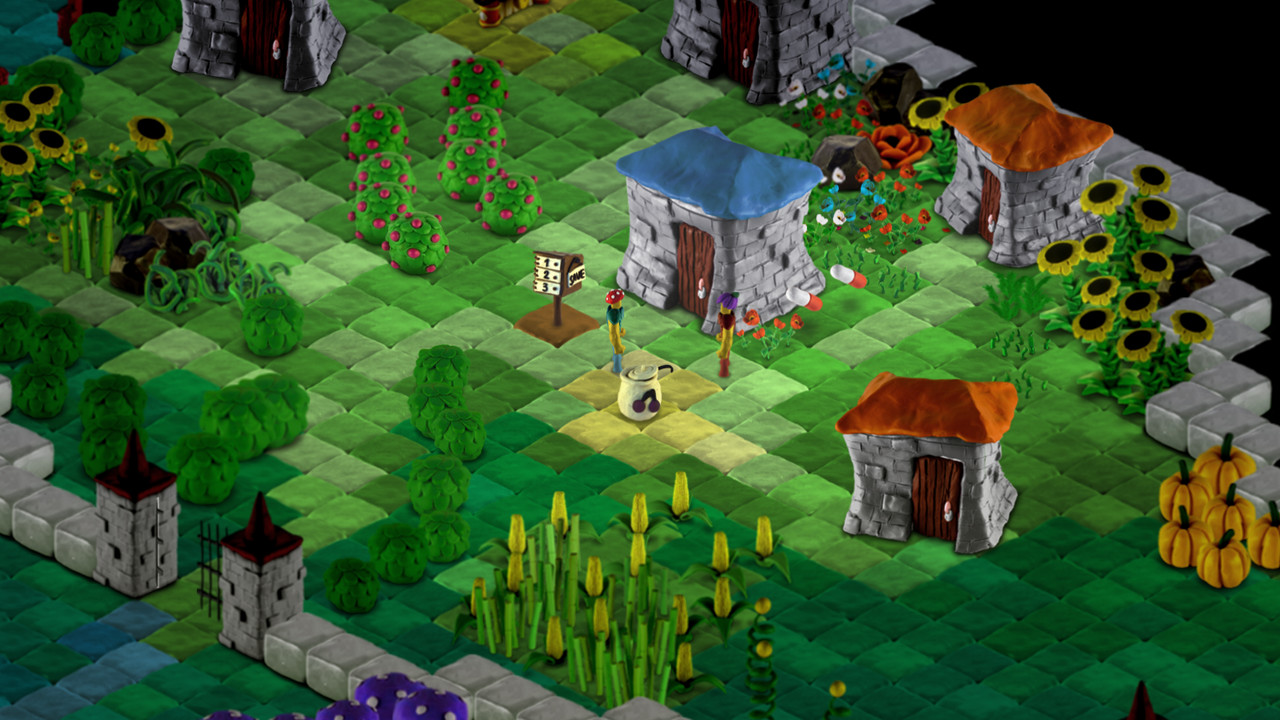
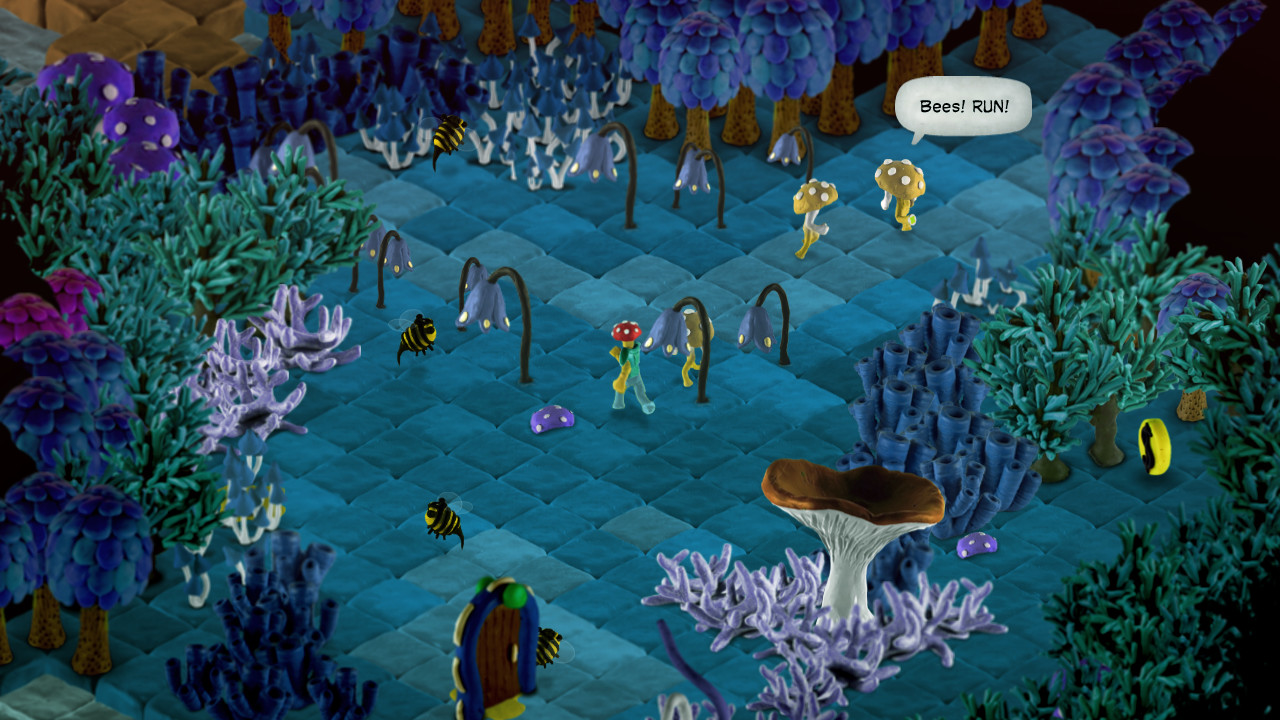
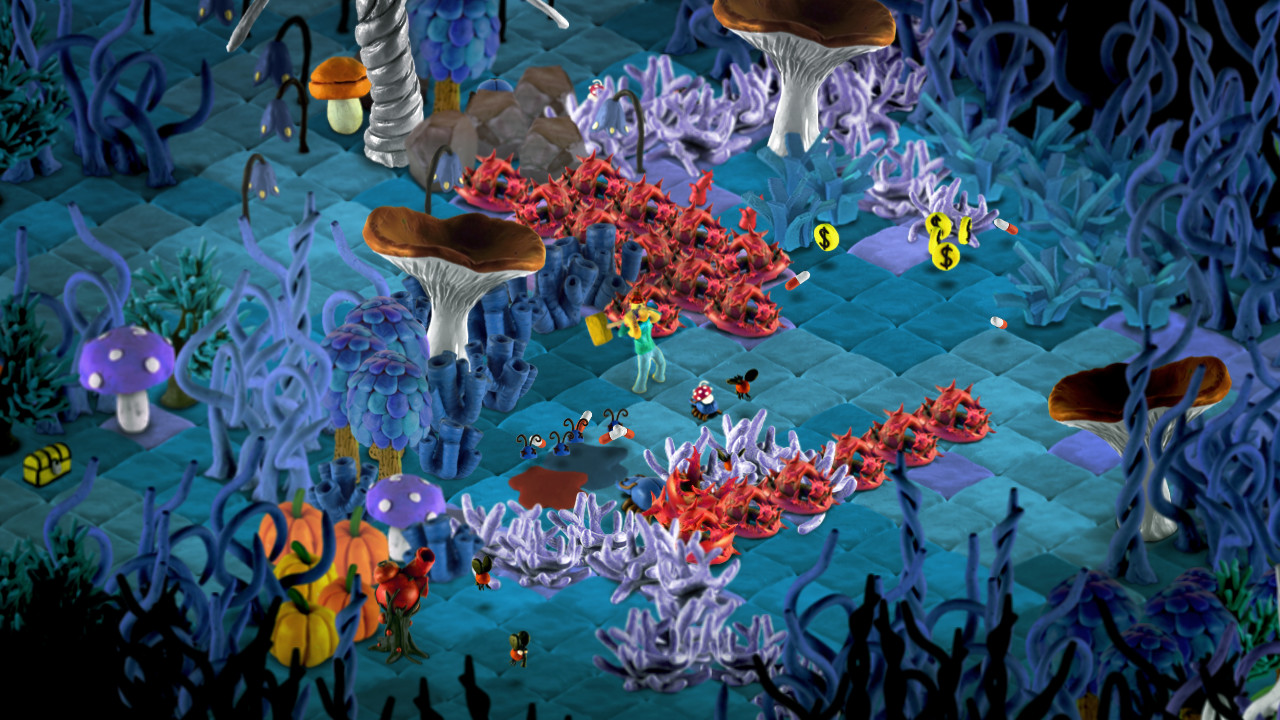
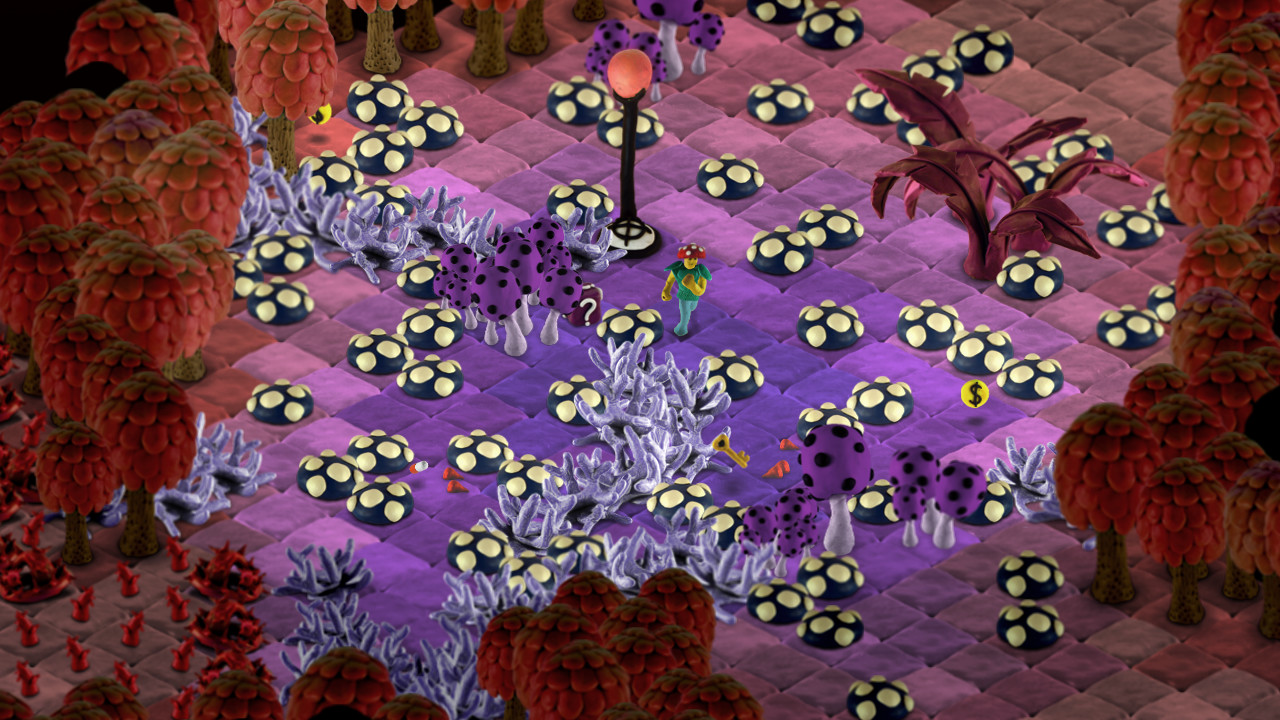
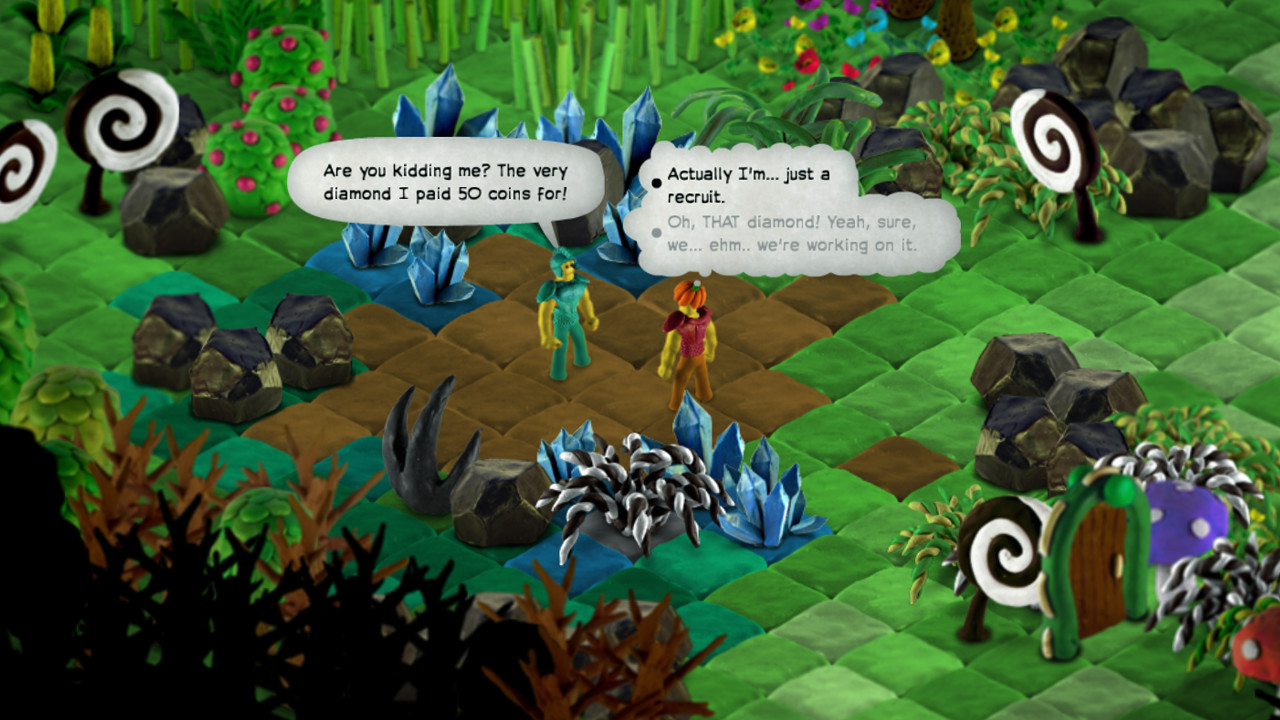
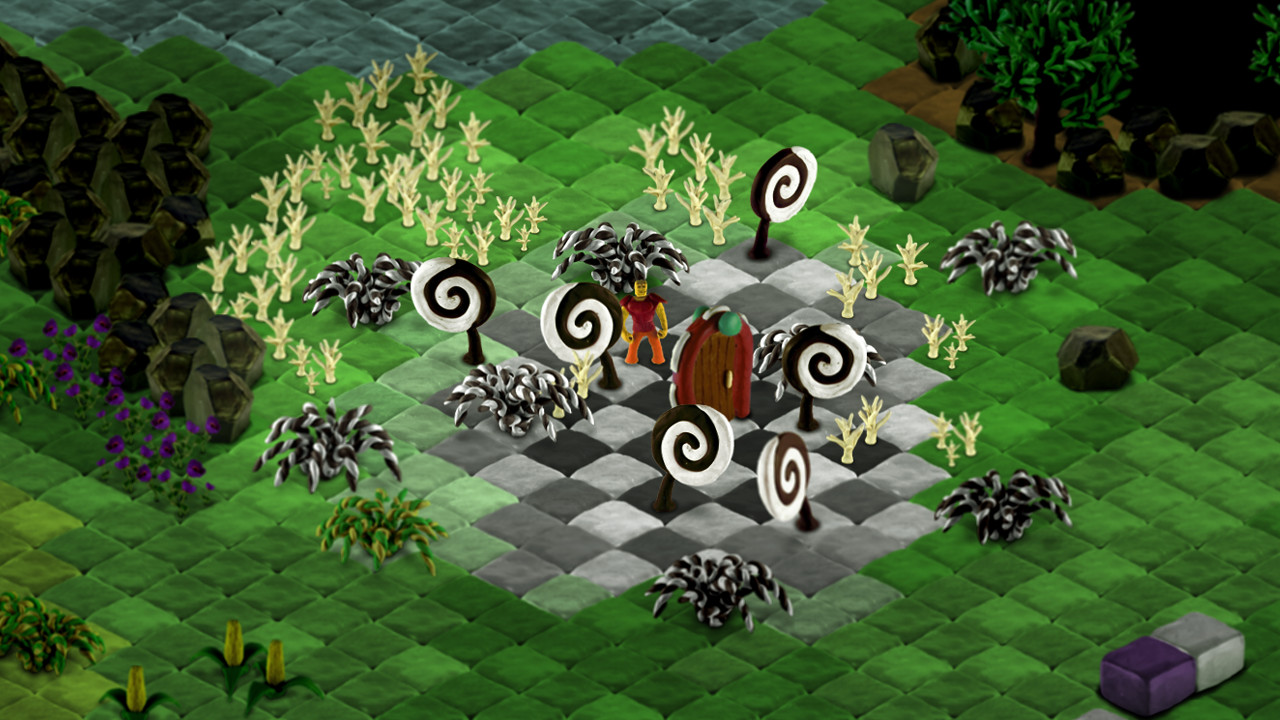
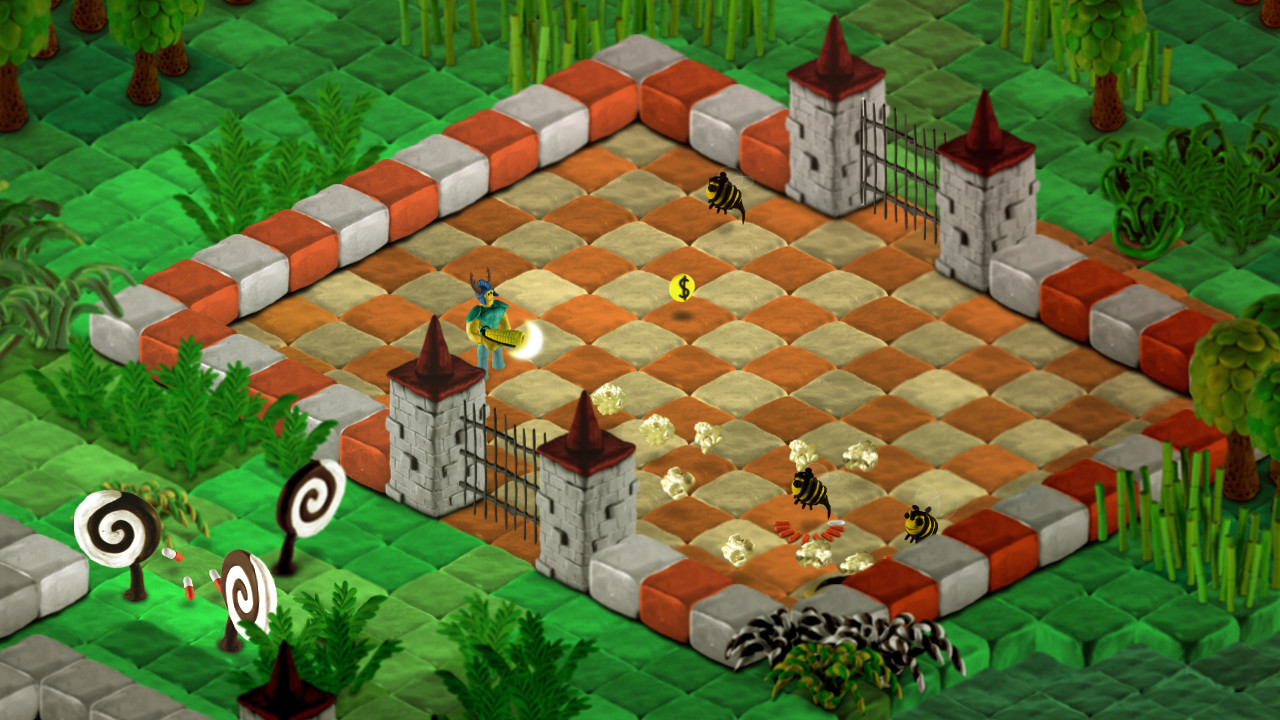
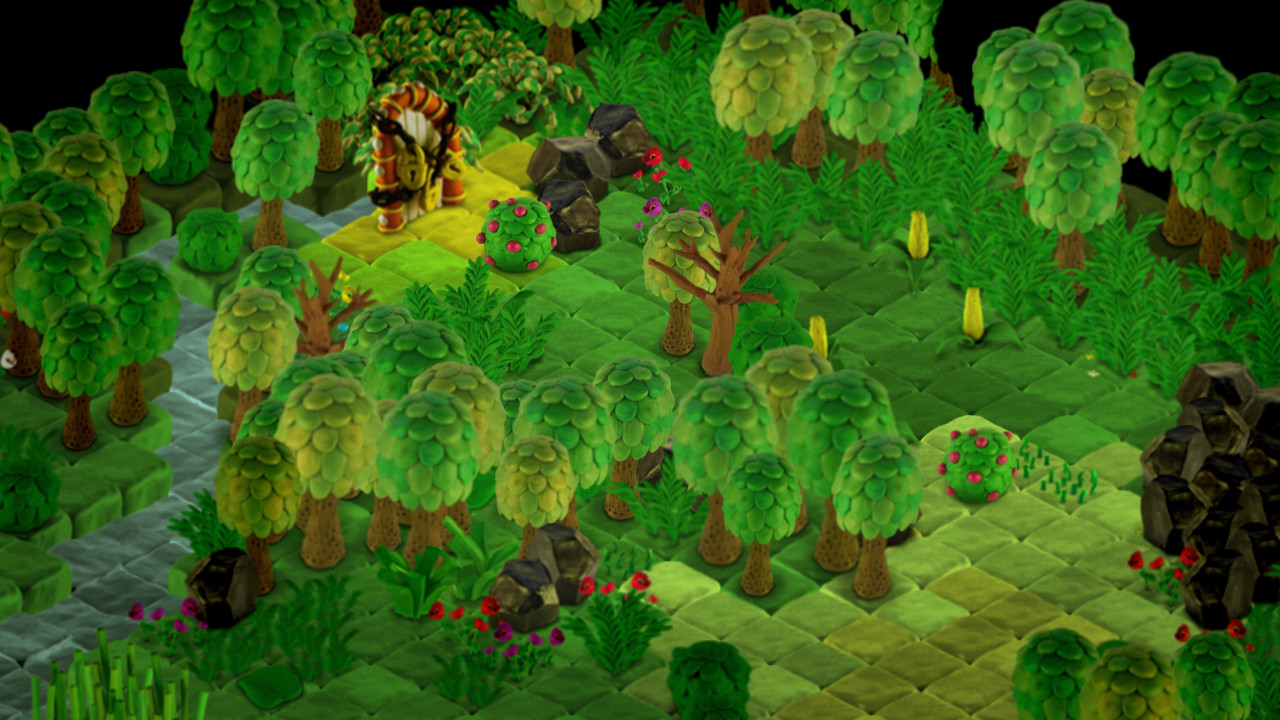
Don't open the doors!, developed and published by Anton Riot, is an action-adventure role-playing game that thrives on unpredictability, creativity, and an unmistakable visual identity. In a genre often filled with familiar fantasy settings and conventional progression systems, this game chooses an entirely different direction by building its world from handcrafted clay models and surreal imagination. The result is an experience that feels strange, humorous, unsettling, and memorable all at once. It is the kind of independent project that immediately stands apart simply because it commits fully to its own unusual vision. The story begins with a bizarre event that sends reality into chaos. Mysterious doors suddenly appear across the world, disrupting everyday life and transforming ordinary places into increasingly surreal environments. Strange creatures begin appearing, familiar surroundings become distorted, and normal logic quickly disappears. Players are tasked with uncovering the source of the disaster by seeking out a massive central doorway connected to the spreading corruption. What follows is not a straightforward fantasy adventure but a surreal journey through a world that constantly surprises players with strange ideas and unexpected encounters. One of the game's greatest strengths lies in its presentation. The handcrafted clay art style creates an atmosphere unlike almost anything else available in the genre. Characters, environments, objects, and monsters carry an intentionally imperfect appearance that gives the world personality and charm. Rather than chasing realism or polished fantasy aesthetics, the game embraces handmade creativity. Every location feels carefully assembled with artistic individuality, creating environments that remain memorable long after leaving them behind. Exploration drives much of the experience forward. Instead of aggressively directing players toward objectives, the game rewards curiosity and experimentation. Hidden locations, optional discoveries, environmental interactions, and unusual side activities encourage players to slow down and engage with the world. The open structure supports a sense of discovery that fits naturally with the game's bizarre setting. Wandering away from the primary objective frequently leads toward strange surprises that reinforce the unpredictable tone. The world itself becomes one of the strongest reasons to continue exploring. Strange creatures inhabit forests and villages, bizarre conversations unfold unexpectedly, and humor appears in ways that constantly keep players uncertain about what might happen next. Talking pumpkins, unusual insects, and eccentric personalities contribute to a setting that feels intentionally absurd without losing its identity. The humor often leans toward surreal comedy rather than traditional jokes, creating an atmosphere where unpredictability becomes part of the appeal. Combat mechanics introduce a more active gameplay layer without becoming overly complicated. Players gain access to tools and weapons used both for dealing with enemies and interacting with the environment itself. Destructible elements create opportunities for experimentation, encouraging players to break obstacles apart and search for hidden rewards. Combat does not attempt to become technically demanding or deeply tactical. Instead, it complements exploration while maintaining the momentum of progression. Environmental interaction plays a major role throughout the experience. The world feels designed to encourage experimentation rather than passive observation. Hidden pathways, destructible barriers, and collectible resources create reasons to remain engaged with surroundings beyond simply moving toward objectives. Exploration consistently feels worthwhile because discovery often leads toward meaningful rewards or unusual encounters. The atmosphere succeeds largely because of how committed the game remains to its unusual identity. Many independent projects introduce strange ideas but gradually move toward familiar patterns. Don't open the doors! refuses to become conventional. Every area reinforces the surreal tone, creating a sense that absolutely anything could appear around the next corner. The soundtrack and sound design contribute positively to immersion as well. Music supports both exploration and stranger narrative moments without becoming overwhelming. Audio choices reinforce the unusual personality of the world while helping maintain consistency across its shifting environments. The game does occasionally reveal limitations associated with smaller independent productions. Some mechanical systems feel simpler than players accustomed to larger role-playing projects might expect. Movement and combat occasionally prioritize accessibility over depth. Certain moments of dialogue may also feel awkward due to translation inconsistencies. However, those imperfections rarely overpower the qualities that make the experience unique. What ultimately makes Don't open the doors! memorable is how confidently it embraces originality. Rather than following established formulas, Anton Riot builds an adventure around unusual ideas and handcrafted creativity. The result feels genuinely distinctive within a crowded market often dominated by familiar design philosophies. Players searching for conventional fantasy storytelling or heavily structured role-playing systems may struggle to connect with its surreal approach. However, those who enjoy exploration-focused adventures, unusual humor, handcrafted visual design, and independent projects willing to take creative risks will likely discover something special here. Don't open the doors! succeeds because it understands that personality can often matter more than polish. Its strange world, memorable atmosphere, and commitment to originality create an adventure that remains difficult to compare directly to anything else. A wonderfully unconventional adventure that combines handcrafted creativity, surreal humor, exploration, and memorable world design into an experience that stands apart through originality and charm. Rating: 8/10
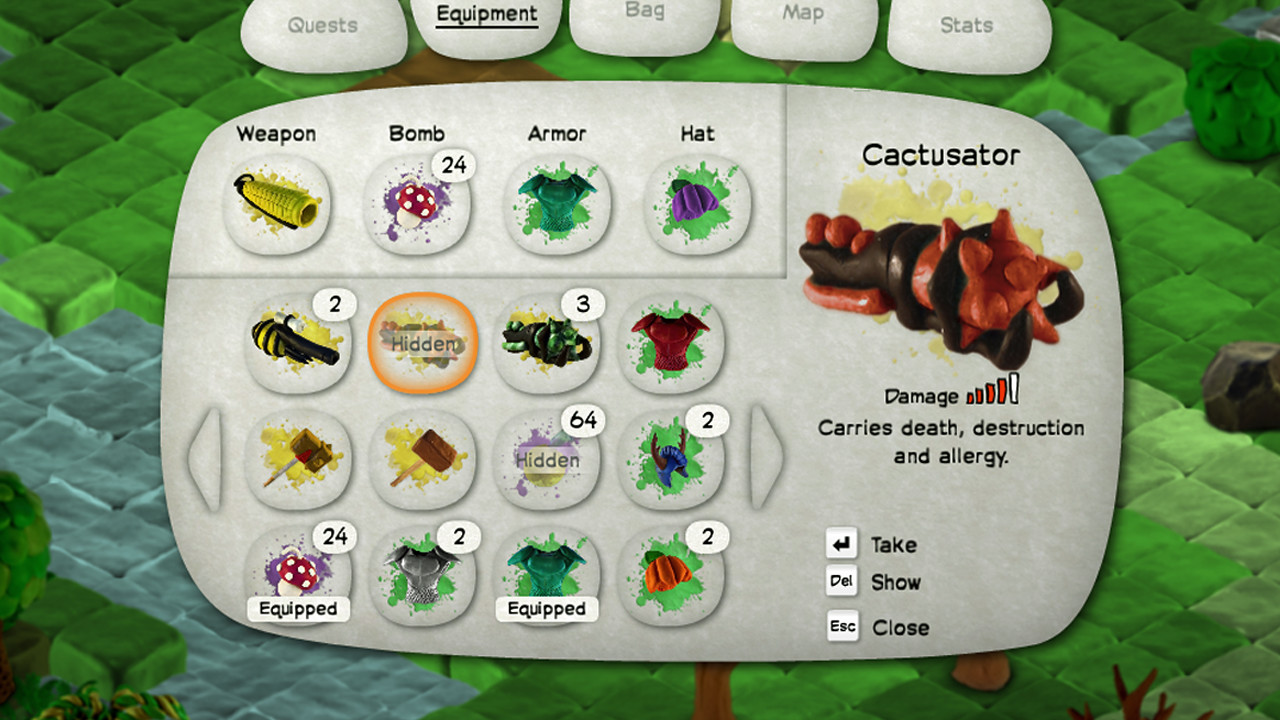
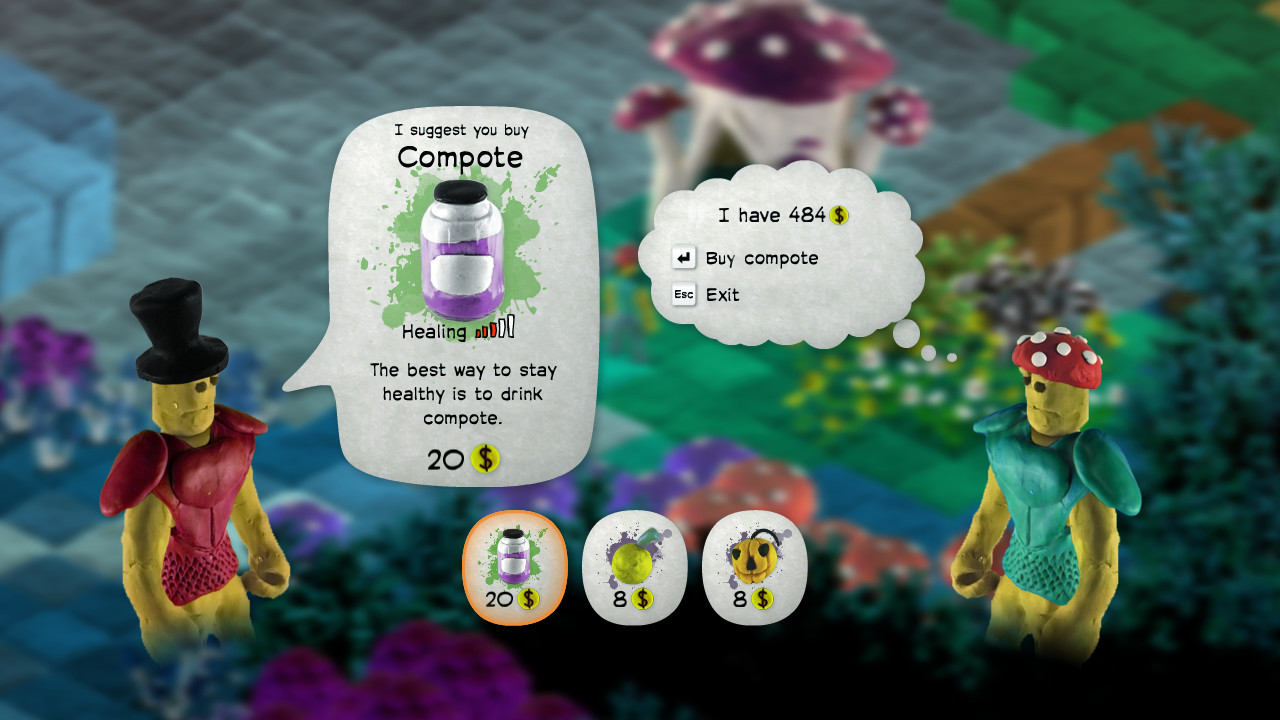
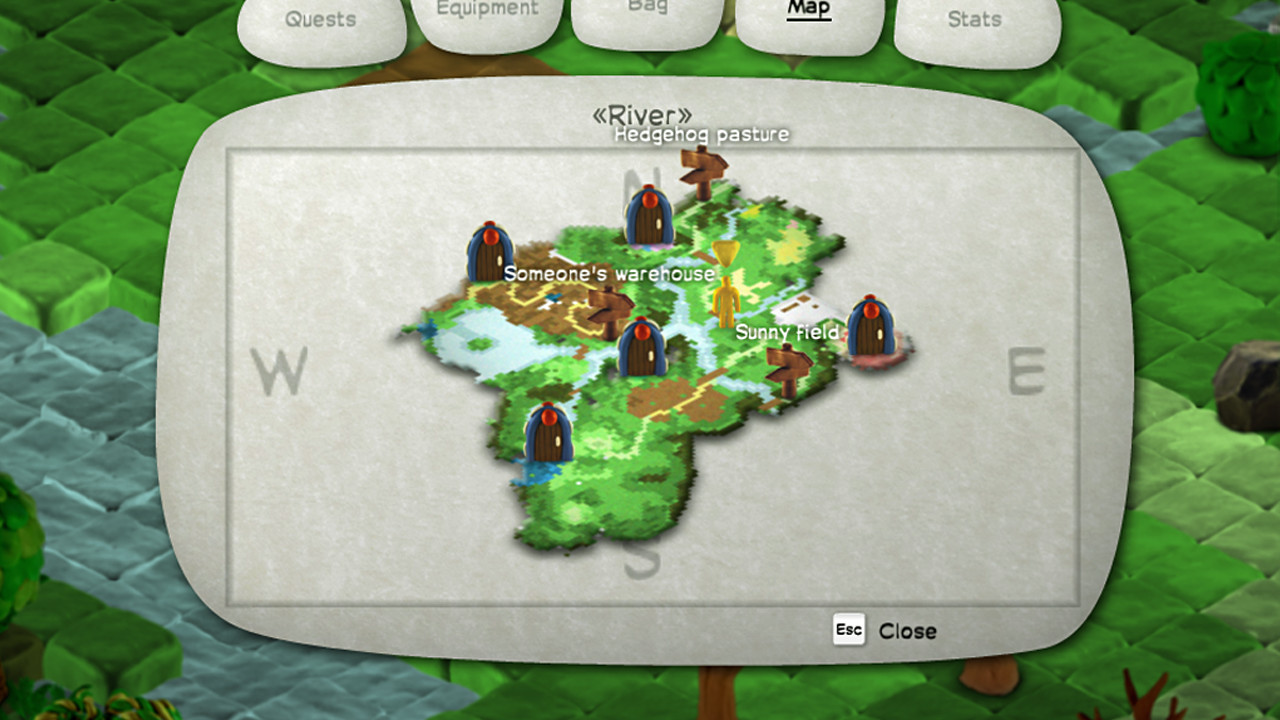
Don't open the doors! . Isometric RPG with interesting clay graphics. Intrigue and humorous story. Funny characters. Nice music and sounds. Good clay SFX. . Controls: WASD to walk Space to attack and select phrase Shift to bomb F to healing Q to change weapon E to change bomb R to mortal bombard Tab to open game menu Z and X to change tab . Mechanics and features: Several menus: Quests, Equipment, Bag, Map, Stats We can't attack without a weapon
Similar games
View all
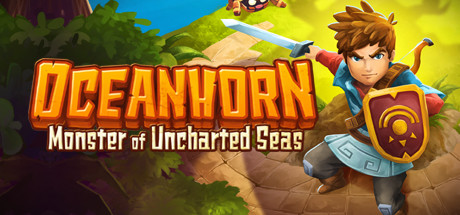
Oceanhorn: Monster of Uncharted Seas
Oceanhorn: Monster of Uncharted Seas combines captivating storytelling, breathtaking 3D visuals and exciting gameplay into one epic action-adventure experience. In the game you explore the islands of Uncharted Seas, a world filled with many dangers, puzzles and secrets.

PAGUI打鬼
Major update coming July 29, 2022"Ten national languages。PAGUI is based on a true story from Taiwan's history. One day, by chance, an orphan raised at a temple learned of his family background. From then, he decided to set out on a journey to uncover the secrets of his family and identity...

Fantasy Versus
Fantasy Versus focuses on quick paced 4 vs.4 multiplayer battles. Find your own play style, team up and fight towards victory in Fantasy Versus!
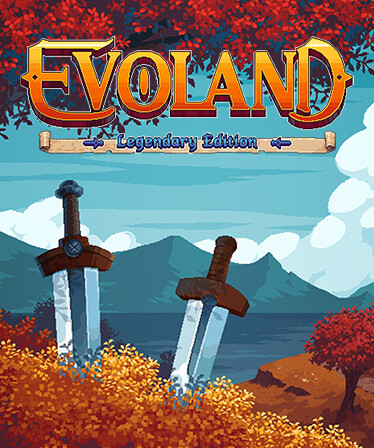
Evoland Legendary Edition
Evoland Legendary Edition brings you two great and unique RPGs, with their graphic style and gameplay changing as you progress through the game!
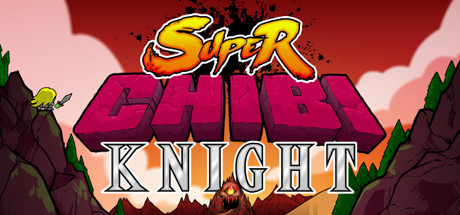
Super Chibi Knight
The Kingdom of Oukoku is threatened by the spicy influence of General Tso. Citizens have placed their hope in a small knight who fits the requirements of ancient legends. Which path will the Chibi Knight choose...

World to the West
World to the West is a standalone followup of Teslagrad, the indie hit that sold more than 1.6 million copies worldwide. A vast world of blue skies and dark caves awaits you in this 3D action adventure, as you try to unveil the mysteries of an ancient prophecy.
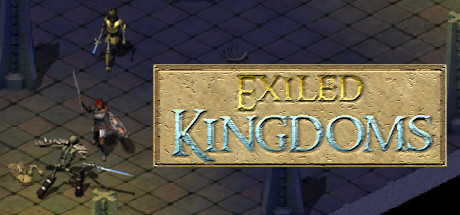
Exiled Kingdoms
Roam freely through a huge open world full with dangers, ancient secrets and adventure. An old-school action-RPG with a challenging environment, tough choices and a unique setting. Explore, fight, make friends and enemies... and above all, Roleplay!

Ittle Dew 2+
Ittle and Tippsie crash onto yet another island filled with loot, puzzles and mysterious inhabitants! With the help of a magical map, they set out to steal eight pieces of a raft from increasingly improbable locations including beaches, prairies, an art exhibit and some dude's basement.
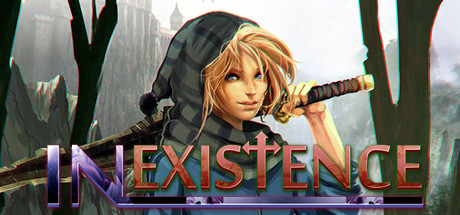
Inexistence
Discover a vast world full of mysteries and action in this Metroidvania-style game inspired by the classics of the 16-bit era.

The Incredible Adventures of Van Helsing III
Van Helsing, monster hunter will face the most difficult trials of his life as he is trying to destroy his nemesis. The civil war is over in Borgovia, but the future still looks grim. The city of weird science is in ruins and a strange cult prophesises the coming of the end times.
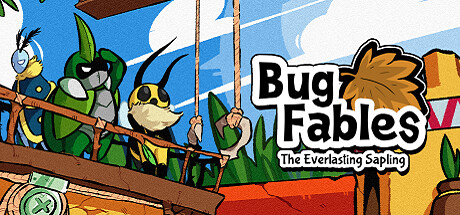
Bug Fables: The Everlasting Sapling
Follow Vi, Kabbu, and Leif as they uncover the secrets of the Land of Bugaria! Explore and combine your team's abilities to solve puzzles, defeat powerful enemies and find ancient treasures!
Frequently Asked Questions
Don't open the doors! is currently priced at 10.99€ on Steam.
No, Don't open the doors! is currently not on sale. You can purchase it for 10.99€ on Steam.
Yes, Don't open the doors! received 279 positive votes out of a total of 328 achieving a rating of 7.89.
😊
Don't open the doors! was developed by Anton Riot and Co and published by Anton Riot.
Yes, Don't open the doors! is playable and fully supported on Windows.
Yes, Don't open the doors! is playable and fully supported on MacOS.
No, Don't open the doors! is not playable on Linux.
This information about Don't open the doors! is not available yet.
This information about Don't open the doors! is not available yet.
No, Don't open the doors! does not support VR.
Don't open the doors! is a single-player game.
Yes, there are 2 DLCs available for Don't open the doors!. Explore additional content available for Don't open the doors! on Steam.
No, Don't open the doors! does not support mods via Steam Workshop.
No, Don't open the doors! does not support Steam Remote Play.
Yes, Don't open the doors! is enabled for Steam Family Sharing. This means you can share the game with authorized users from your Steam Library, allowing them to play it on their own accounts. For more details on how the feature works, you can read the original Steam Family Sharing announcement or visit the Steam Family Sharing user guide and FAQ page.
You can find solutions or submit a support ticket by visiting the Steam Support page for Don't open the doors!.
Data sources
The information presented on this page is sourced from reliable APIs to ensure accuracy and relevance. We utilize the Steam API to gather data on game details, including titles, descriptions, prices, and user reviews. This allows us to provide you with the most up-to-date information directly from the Steam platform.
Additionally, we incorporate data from the SteamSpy API, which offers insights into game sales and player statistics. This helps us present a comprehensive view of each game's popularity and performance within the gaming community.
Last Updates| Steam data | 18 September 2026 10:04 UTC |
|---|---|
| SteamSpy data | 16 September 2026 08:01 UTC |
| Steam price | 28 September 2026 19:01 UTC |
| Steam reviews | 27 September 2026 13:58 UTC |
If you'd like to dive deeper into the details about Don't open the doors!, we invite you to check out a few dedicated websites that offer extensive information and insights. These platforms provide valuable data, analysis, and user-generated reports to enhance your understanding of the game and its performance.
- SteamDB - A comprehensive database of everything on Steam about Don't open the doors!
- SteamCharts - Analysis of Don't open the doors! concurrent players on Steam
- ProtonDB - Crowdsourced reports on Linux and Steam Deck Don't open the doors! compatibility

Game modes
Features
Online players
0
Developer
Anton Riot and Co
Publisher
Anton Riot
Release
11 Nov 2016
Platforms
Clicking and buying through these links helps us earn a commission to maintain our services.