


Dealer's Life 2
Your favorite pawn shop experience is finally getting a sequel! Haggle like your life depends on it in this funny tycoon game. You never know WHAT is gonna stumble through that door!
Sync your Steam wishlist to track the lowest game prices instantly. No login required, just paste your Steam profile URL!
⚡ Try Wishlist Radar!
Sync your Steam wishlist to track the lowest game prices instantly. No login required!
⚡ Try Wishlist Radar!
Close

Dealer's Life on Steam
Quick menu
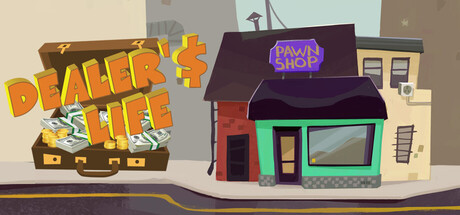
Live the ultimate pawn shop experience in this funny retro style tycoon game!
Dealer's Life is a trading, management and job simulator game
developed and published by Abyte Entertainment.
Released on January 31st 2019 is available on Windows, Steam Deck and Steam Machine.
It has received 1,274 reviews of which 1,188 were positive and 86 were negative resulting in a rating of 8.8 out of 10. 😎
The game is currently priced at 3.99€ on Steam with a 60% discount.
The Steam community has classified Dealer's Life into these genres:
Media & Screenshots
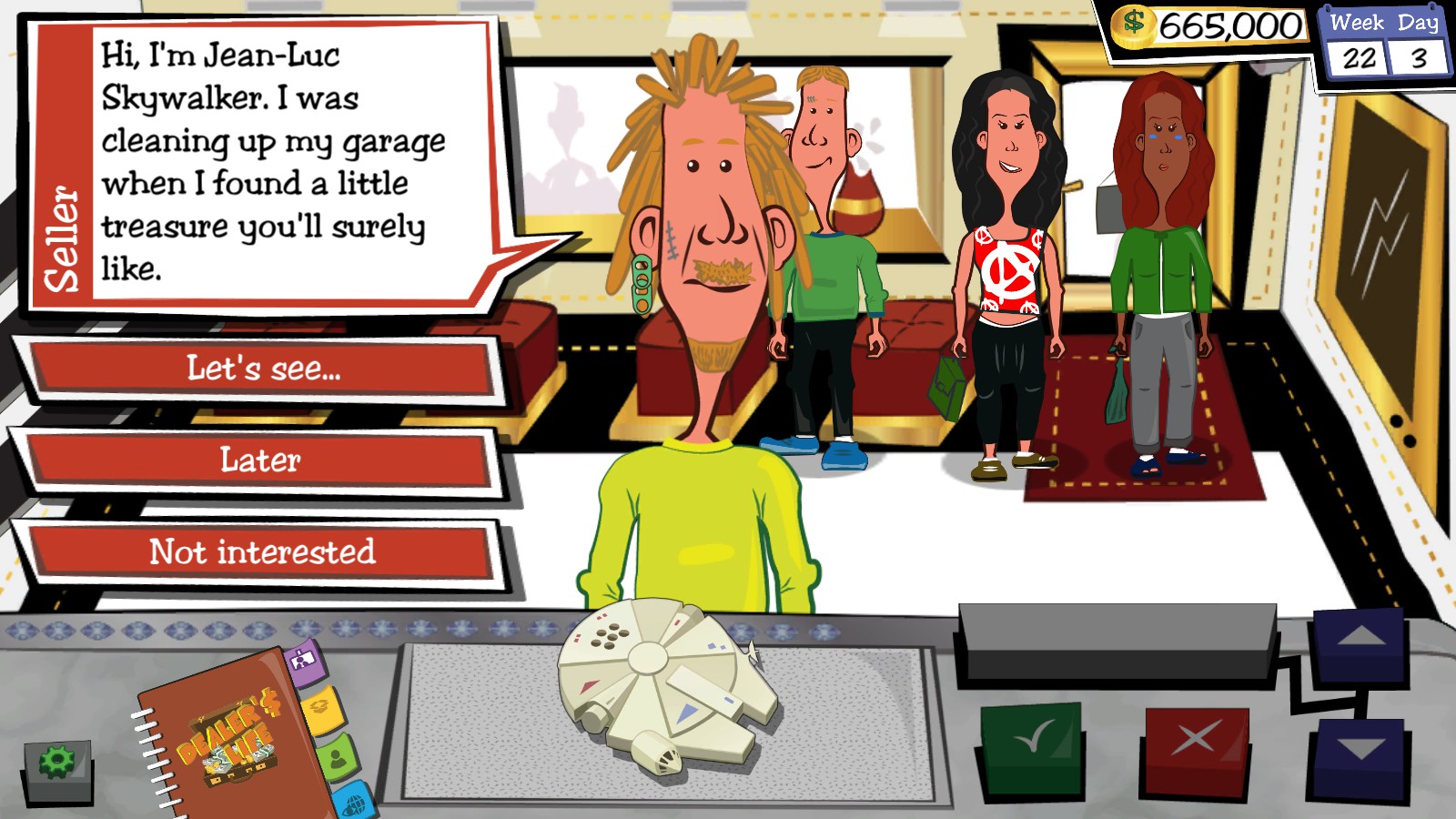
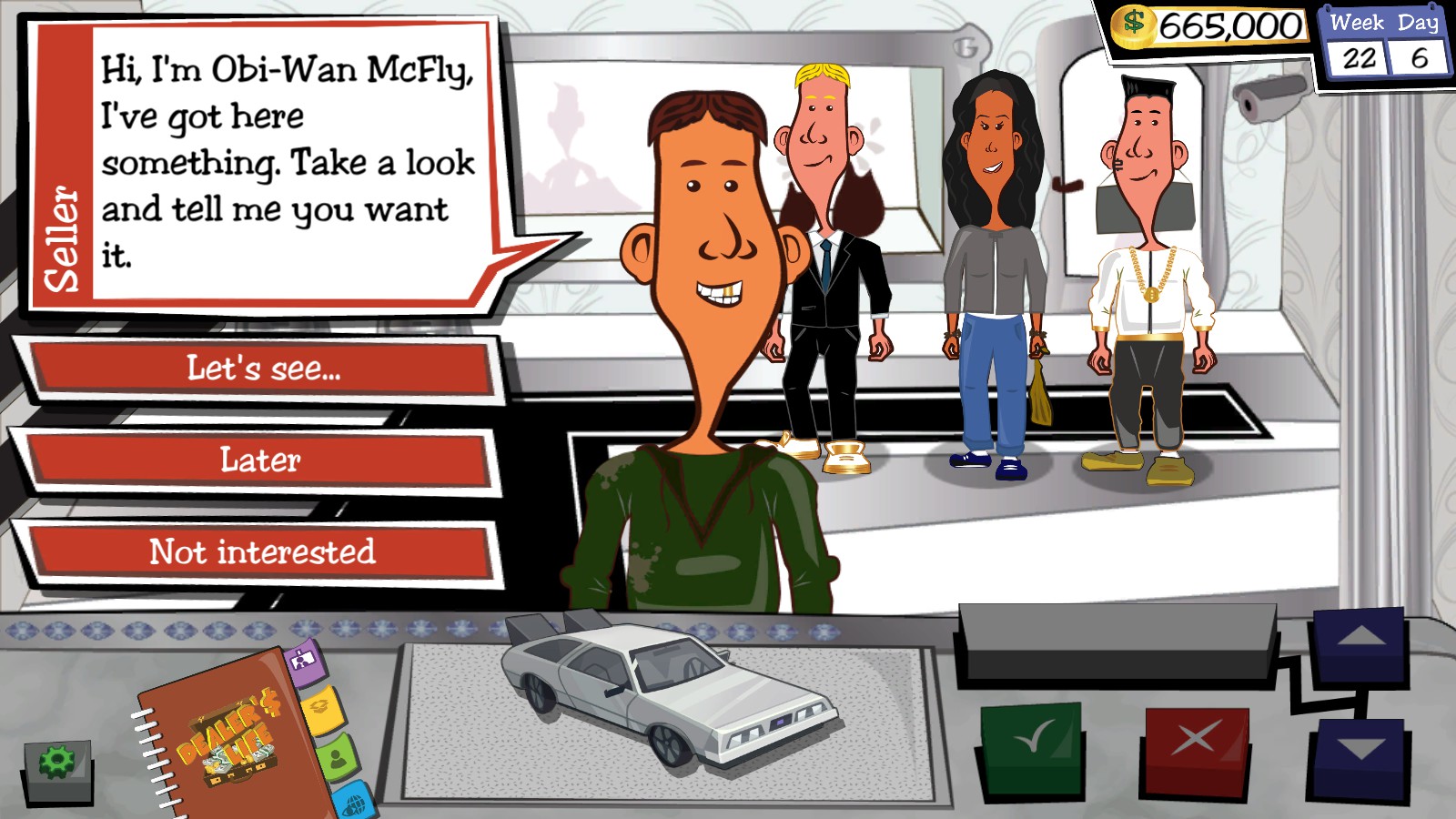
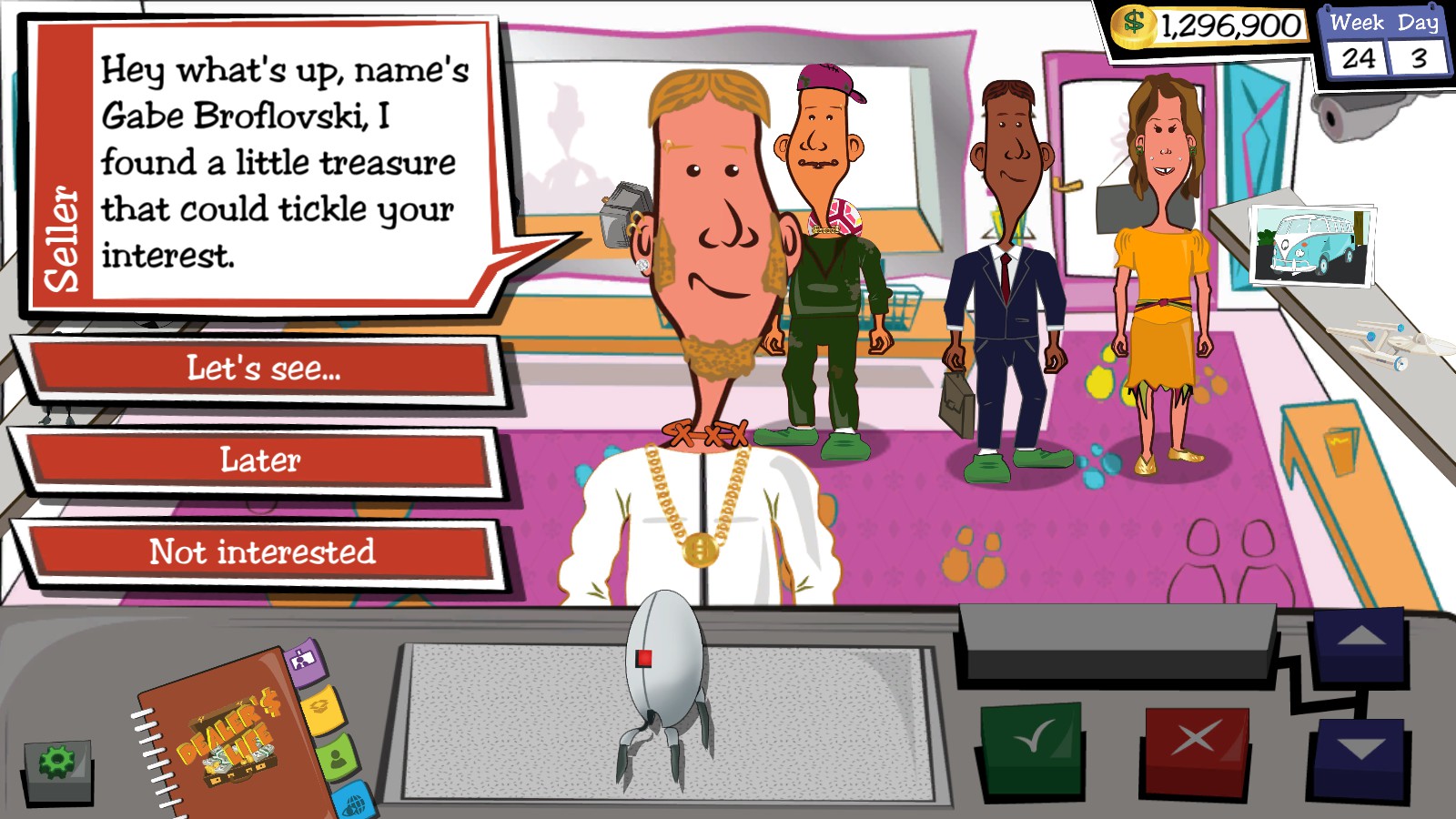
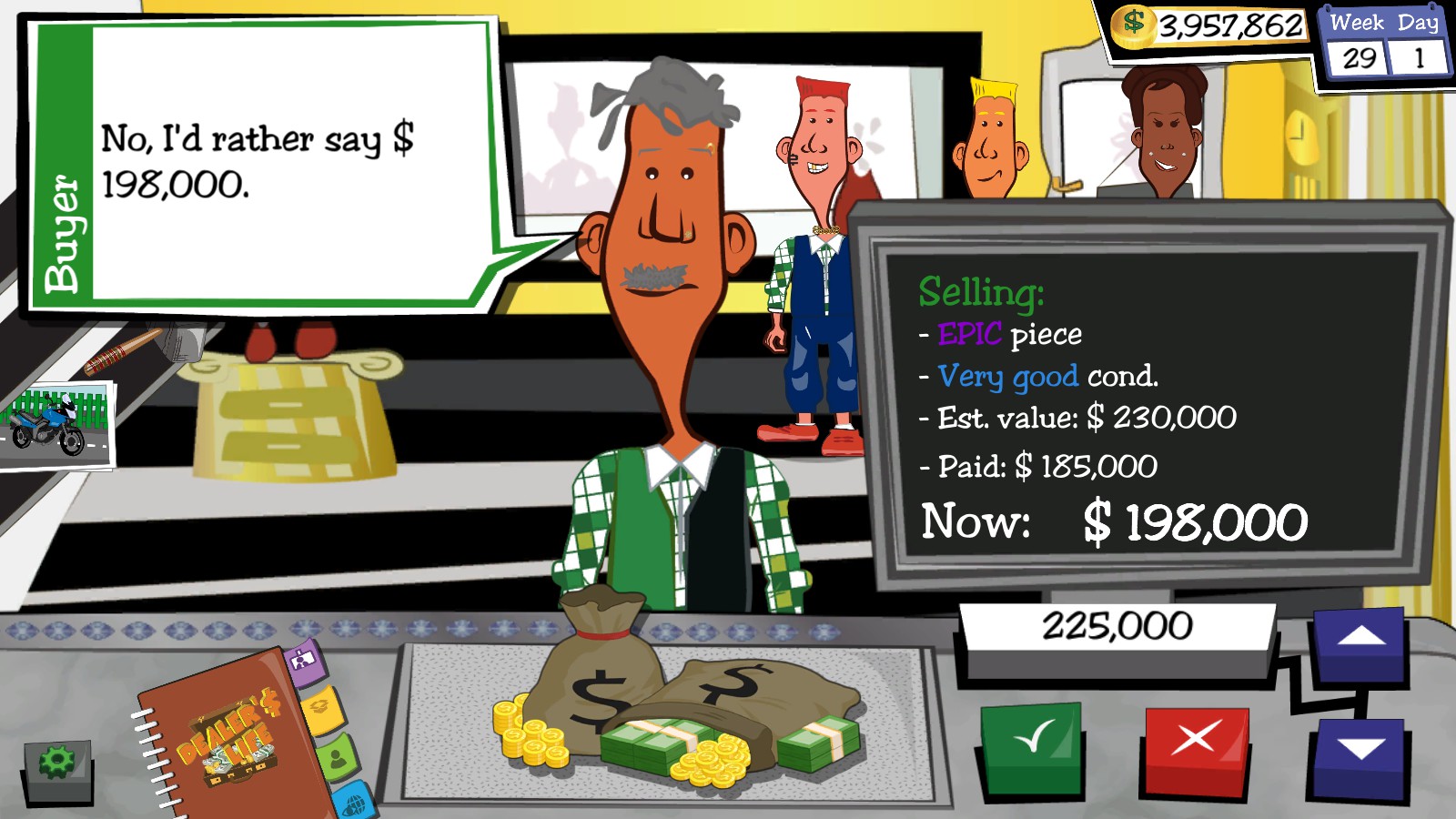
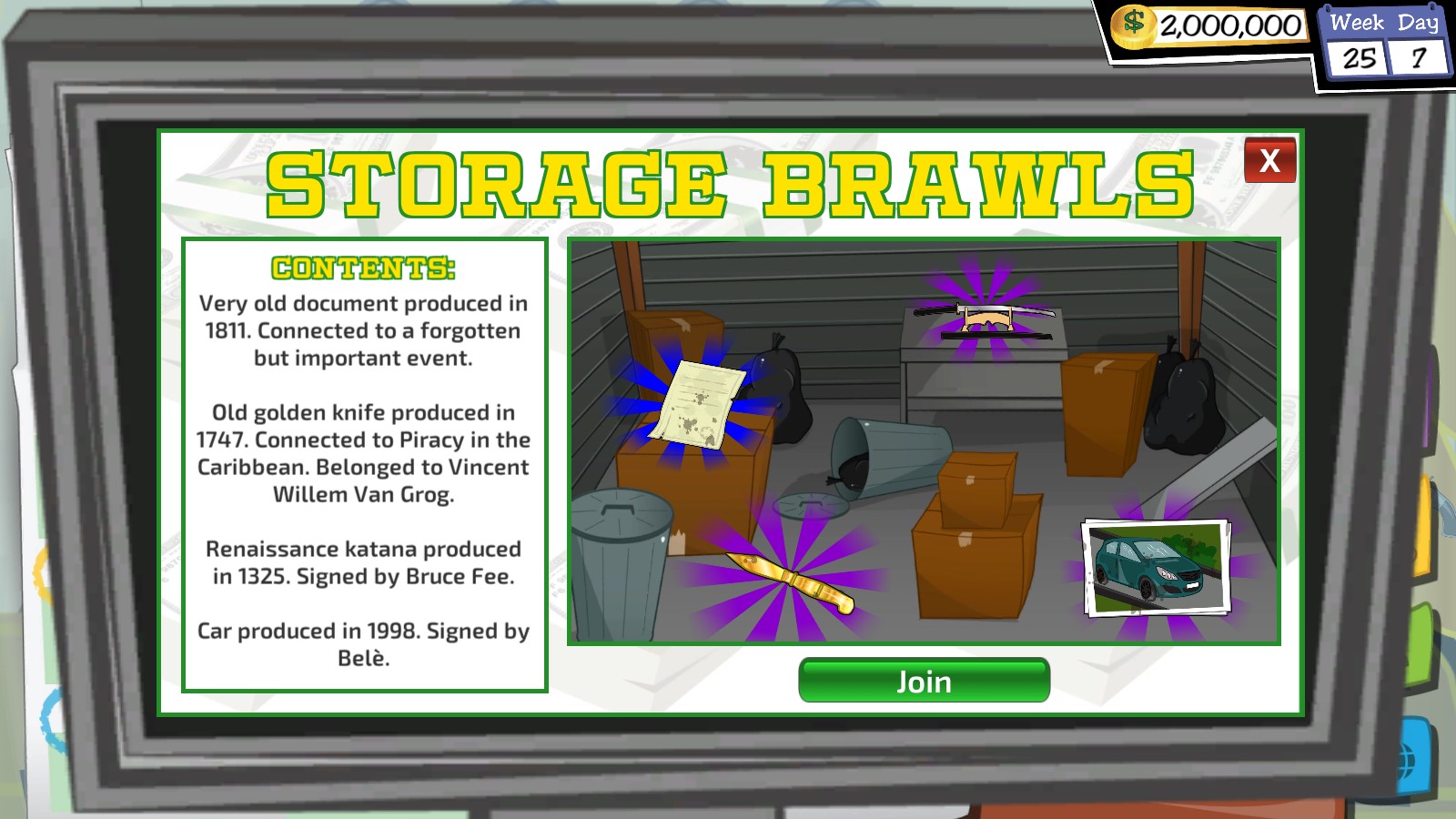
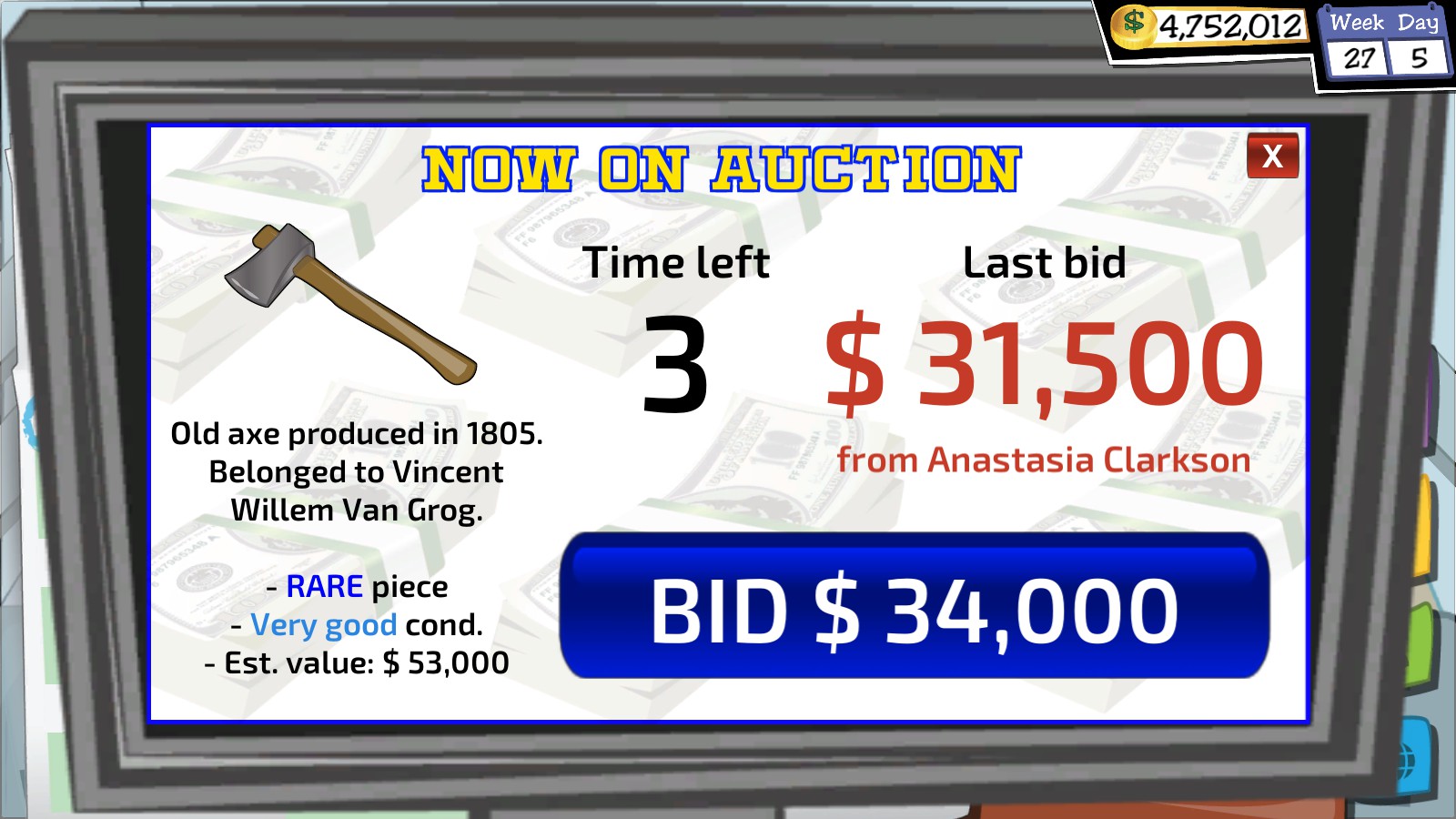
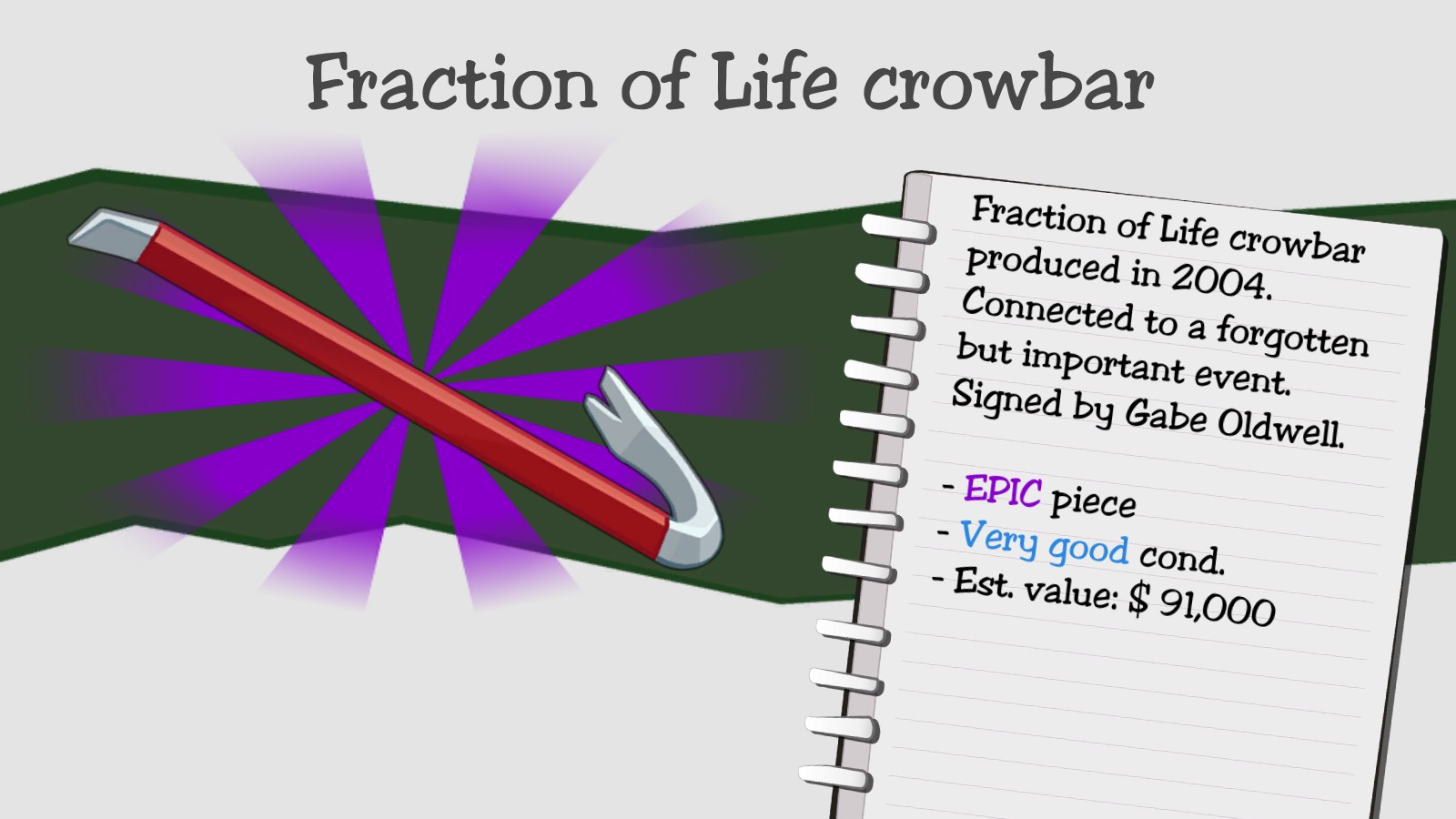
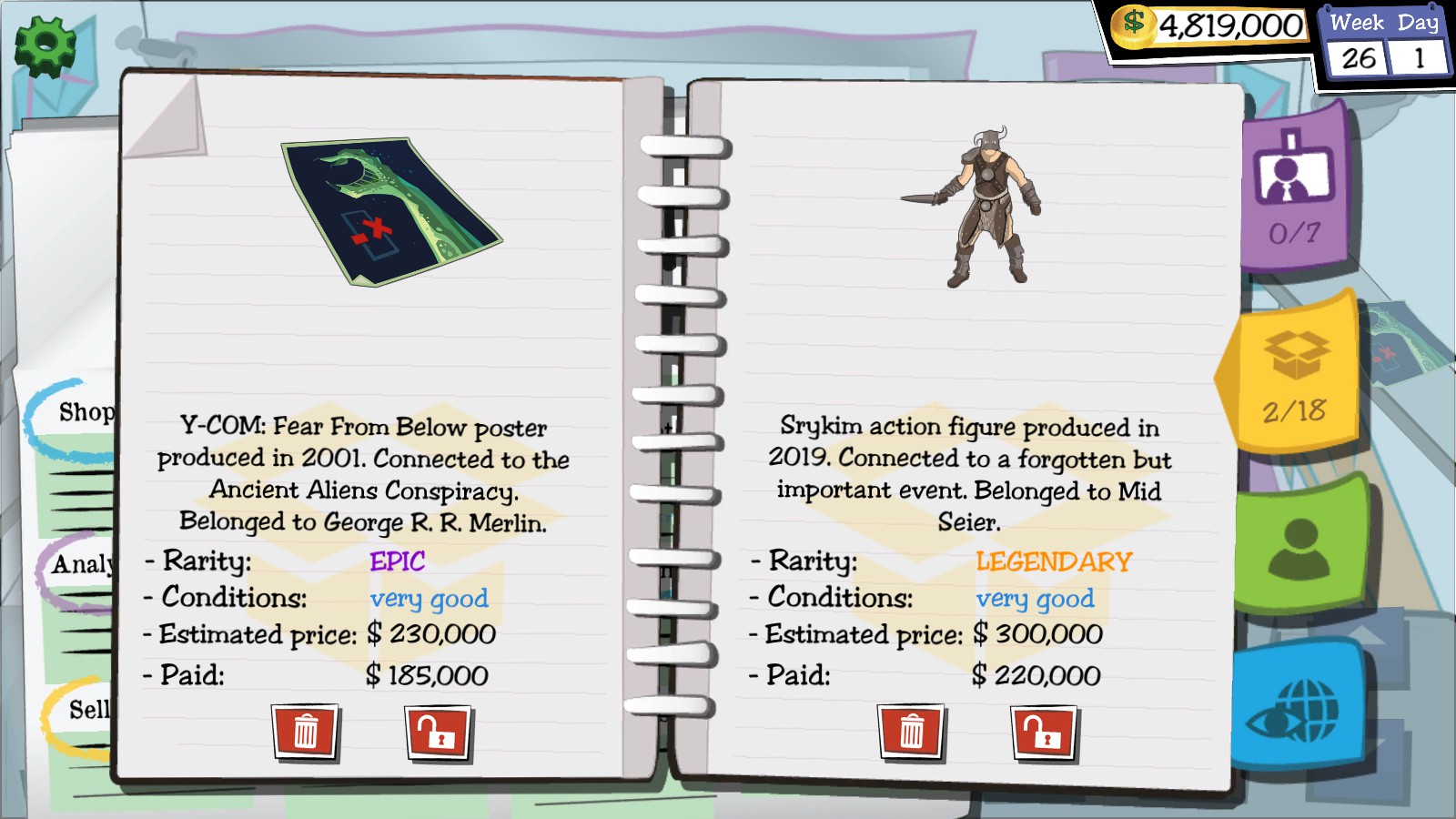
Get an in-depth look at Dealer's Life through various videos and screenshots.
Load More

System requirements
These are the minimum specifications needed to play the game. For the best experience, we recommend that you verify them.
Windows
- Requires a 64-bit processor and operating system
- OS *: Windows XP and up
- Processor: 64bit CPU, 1 Ghz and up
- Memory: 1 GB RAM
- Storage: 150 MB available space
Steam Price & Best Deals
User reviews & Ratings
Explore reviews from Steam users sharing their experiences and what they love about the game.
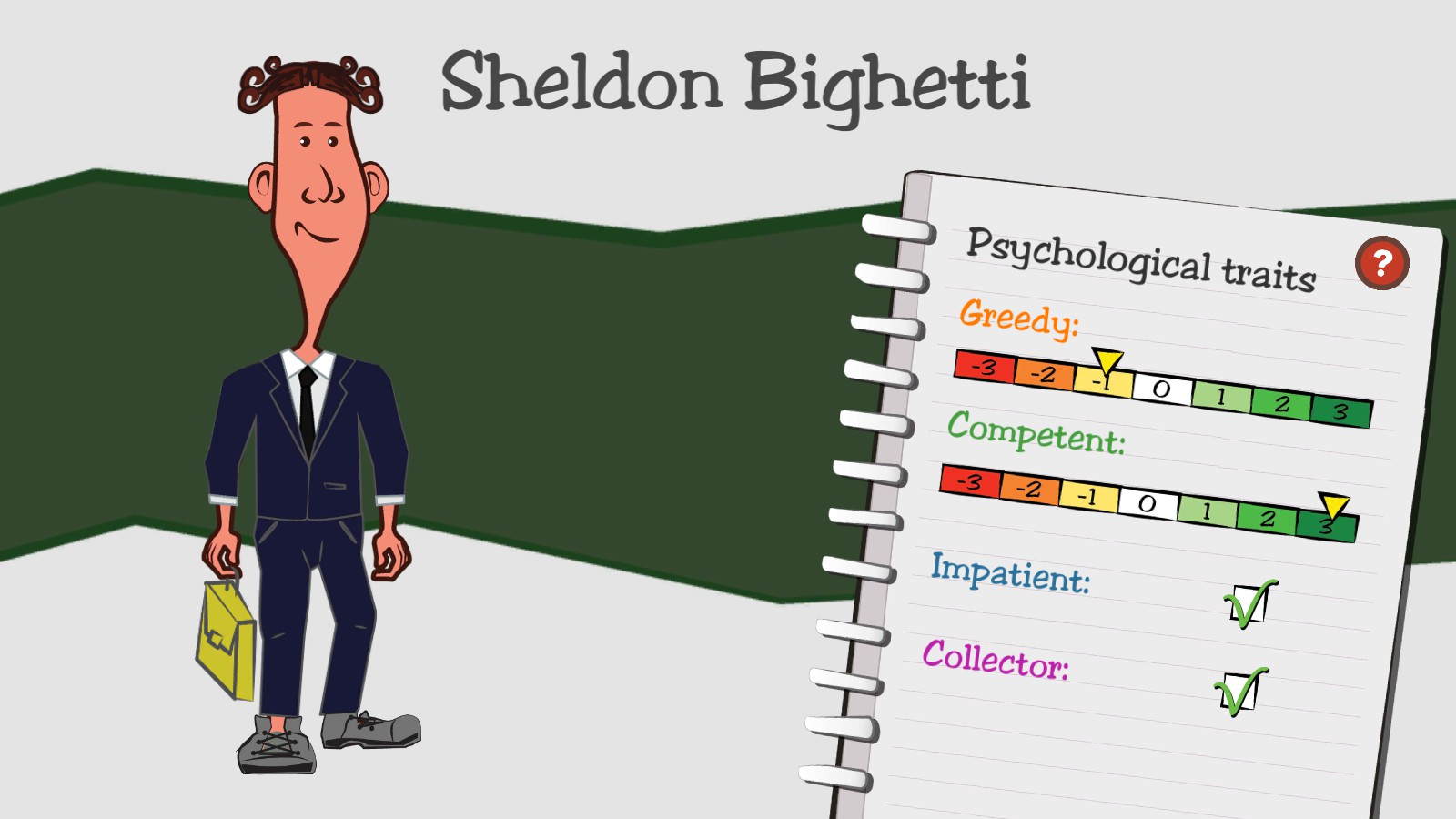
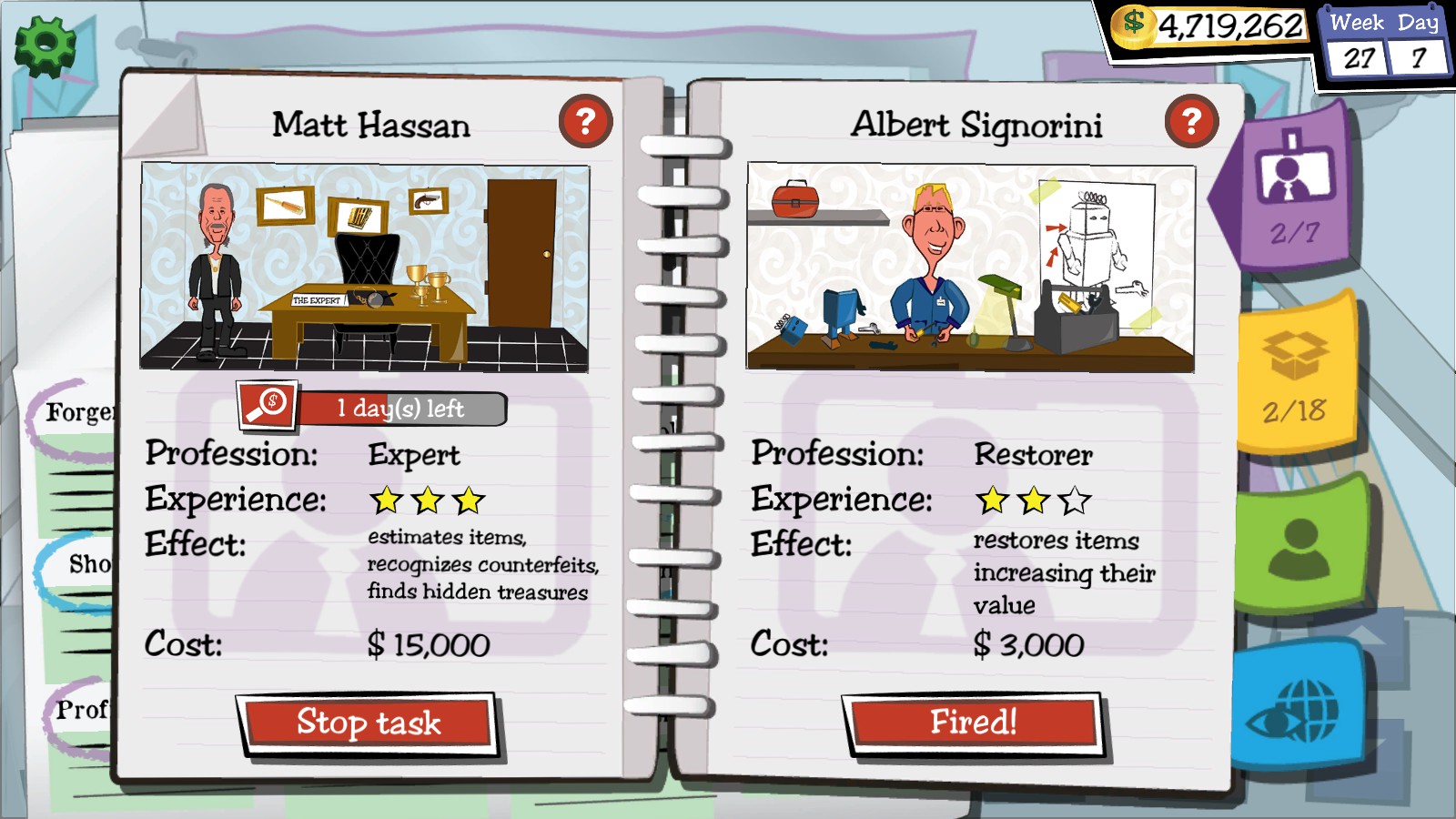
Dealer’s Life is a surprisingly addictive pawn shop management simulator that transforms the simple act of buying and selling secondhand items into a tense psychological game filled with negotiation, risk management, and unpredictable customer interactions. While the premise initially sounds straightforward, the game quickly reveals a remarkable amount of depth beneath its comedic presentation. Every customer interaction becomes a battle of instinct and strategy where reading personalities, estimating value, and knowing when to push negotiations can mean the difference between building a thriving business or collapsing into debt. The gameplay centers around operating a pawn shop where customers arrive carrying all kinds of objects, ranging from worthless junk to valuable collectibles and rare artifacts. Instead of immediately revealing an item’s exact value, the game forces players to make educated guesses based on experience, upgrades, and observation. This simple mechanic creates constant tension because every purchase involves risk. Paying too much for an item can damage profits, while offering too little may cause customers to walk away with potentially valuable merchandise. The uncertainty surrounding every transaction keeps the gameplay loop engaging for surprisingly long periods of time. One of the game’s strongest features is its negotiation system. Customers are not simply generic NPCs repeating the same dialogue. Each visitor has different personalities, emotional reactions, and psychological traits that directly influence how they respond during bargaining. Some are impatient and easily offended, others are gullible or overly emotional, while certain individuals are skilled scammers trying to trick the player with counterfeit goods. The game constantly encourages players to pay attention to behavior patterns and adjust their negotiation tactics accordingly. Successful deals often feel less like mathematical calculations and more like small psychological victories. The procedural generation system also contributes heavily to the game’s replayability. Customers, random events, item quality, and shop encounters are continuously generated, meaning every playthrough unfolds differently. One day may bring profitable collectors carrying expensive antiques, while another floods the store with suspicious individuals attempting to sell fake products. The unpredictability keeps the experience fresh because players never know exactly what opportunities or disasters are about to walk through the front door. Progression systems add another layer of depth to the management gameplay. Players can invest skill points into various abilities that improve appraisal accuracy, negotiation effectiveness, customer analysis, and counterfeit detection. These upgrades gradually allow players to become more efficient and specialized in their approach to running the business. Some players may focus heavily on charisma and manipulation to maximize profits during negotiations, while others prioritize careful analysis and fraud prevention to avoid costly mistakes. Managing the pawn shop itself becomes increasingly important as the business grows. Expanding storage space, hiring employees, upgrading facilities, and investing in specialists all contribute to long-term success. Employees such as restorers, experts, and profilers introduce additional strategy because each role provides unique advantages. Restorers can increase item value significantly, while profilers help reveal customer personality traits during negotiations. These systems create a satisfying sense of progression as the tiny pawn shop gradually transforms into a larger and more profitable operation. The visual presentation uses a colorful retro-inspired art style that perfectly matches the game’s humorous tone. Character portraits are exaggerated and expressive, helping negotiations feel more lively and entertaining. The pixel-art aesthetic may appear simple at first, but it gives the game a distinct personality that fits the chaotic world of bargaining and shady business deals surprisingly well. The exaggerated facial expressions and customer animations often make negotiations more amusing than they would be in a more realistic presentation style. Humor is another major strength throughout the experience. Dealer’s Life constantly throws bizarre situations, strange customers, and unexpected events at the player. Pop culture references, ridiculous item descriptions, and absurd encounters help prevent the management systems from becoming overly repetitive or dry. Even failed negotiations and financial disasters often remain entertaining because the game never takes itself too seriously. The pacing of progression is particularly satisfying because success feels earned rather than automatic. Early-game survival can be difficult, especially when players misjudge item values or fall victim to scams. Money management becomes increasingly important as expenses rise and risks become larger. Every profitable deal creates genuine satisfaction because failure always feels possible. This constant balance between greed and caution becomes one of the most addictive aspects of the game. Despite its many strengths, Dealer’s Life does have some noticeable flaws. Over very long sessions, the gameplay loop can begin feeling repetitive because the core structure changes very little throughout the experience. Negotiations eventually become somewhat predictable once players fully understand customer behaviors and optimal bargaining strategies. The interface can also feel cluttered at times, especially when managing large inventories and multiple employees simultaneously. Randomness occasionally creates frustration as well. Since many systems rely heavily on procedural generation, some failures can feel based more on bad luck than player skill. Certain random events may punish players harshly despite careful preparation, which could irritate players who prefer more predictable business simulators. However, that unpredictability also contributes heavily to the game’s charm because it reflects the unstable and risky nature of running a pawn business. What ultimately makes Dealer’s Life so engaging is how effectively it turns ordinary buying and selling into a tense psychological management experience. Every transaction carries uncertainty, every customer interaction requires careful judgment, and every successful negotiation feels rewarding because profits are never guaranteed. The game constantly creates the feeling that one excellent deal could transform the business while one terrible mistake could ruin everything. Dealer’s Life is an excellent management simulator that combines negotiation strategy, procedural unpredictability, and humorous presentation into an experience far deeper than its simple concept initially suggests. Its addictive gameplay loop, charming personality, and constant stream of unique customer interactions make it easy to lose hours managing the chaotic world of secondhand trading and pawn shop capitalism. Rating: 9/10
Similar games
View all
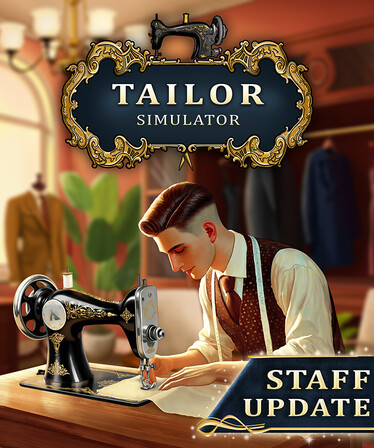
Tailor Simulator
Build your workshop and turn it into a fashion business. Interact with your customers and design unique collections to sell in your store. Upgrade your workshop until you rule the fashion industry.
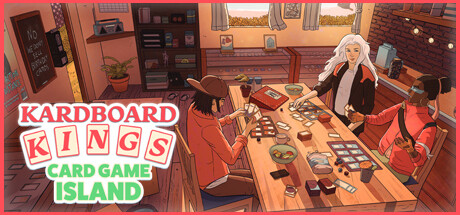
Kardboard Kings: Card Shop Simulator
Open your own Card shop by the seaside! Buy, trade and sell Cards, OR keep them for your own collection! Earn reputation with customers, beat your shop goals, unlock new decorations, and host exciting events to bring everyone to the best Card shop in town!

Hypermarket Simulator
Build any retail store you can imagine — from grocery stores to furniture, electronics, and garden centers. Customize your layout with 258+ fixtures, stock 573 unique products, manage up to 36 employees, and grow your retail empire.

Mall Simulator
Turn your building from a small shopping center into a huge city mall! To avoid going bankrupt, you’ll need to build new stores and restaurants, set smart prices, and keep up with trends. 15+ stores, dozens of machines & services, and hundreds of brands waiting for you!

Storage Hunter Simulator
Play as one of the bidders for abandoned warehouses and uncover hidden treasures! Storage Hunter is a garage auction simulation game. Bid, win, and sell for profit! Become the king of storage auction.

Plant Nursery Simulator
Run your own cozy Plant Nursery in this relaxing sim. Grow crops, stock shelves, and help customers. Expand with greenhouses, hire staff, and decorate your dream shop. Perfect for fans of wholesome farming and sim games.

Estate Agent Simulator
Estate Agent Simulator lets you enter the exciting world of the real estate market. You can buy, decorate, advertise, rent or sell houses. You can buy vacant land and build houses. Environmental factors will affect the rental prices of houses.

Liquor Store Simulator
Open your own Liquor Store! Buy goods, manage your store, hire staff. Who knows, maybe you will be able to make a real alcohol empire out of a small store.

King of Retail
The store is your kingdom! Expand your humble boutique into a thriving business: hire the right staff, decorate your displays, and lure in customers. Even your wildest ideas can turn a profit. Why not start a business that sells only white T-shirts and ketchup? PCs and beans? Your rule, your rules!
Winkeltje: The Little Shop
Winkeltje: The Little Shop is all about building, decorating, and running your own old-world fantasy shop. Buy low, sell high - from nails and apples to swords and alchemic love potions. Impress your customers, craft items, and be the master of your very own shop.
Frequently Asked Questions
Dealer's Life is currently priced at 3.99€ on Steam.
Yes, Dealer's Life is currently available at a 60% discount. You can purchase it for 3.99€ on Steam.
Yes, Dealer's Life received 1,188 positive votes out of a total of 1,274 achieving a rating of 8.82.
😎
Dealer's Life was developed and published by Abyte Entertainment.
Yes, Dealer's Life is playable and fully supported on Windows.
No, Dealer's Life is not playable on MacOS.
No, Dealer's Life is not playable on Linux.
Yes, Dealer's Life is playable on Steam Deck, though it might require a few minor tweaks. Make sure to check the Steam store page and community feedback on ProtonDB for exact compatibility details.
Yes, Dealer's Life is playable on Steam Machine, though it might require a few minor tweaks. Make sure to check the Steam store page and community feedback on ProtonDB for exact compatibility details.
No, Dealer's Life does not support VR.
Dealer's Life is a single-player game.
No, Dealer's Life does not currently offer any DLC.
No, Dealer's Life does not support mods via Steam Workshop.
No, Dealer's Life does not support Steam Remote Play.
Yes, Dealer's Life is enabled for Steam Family Sharing. This means you can share the game with authorized users from your Steam Library, allowing them to play it on their own accounts. For more details on how the feature works, you can read the original Steam Family Sharing announcement or visit the Steam Family Sharing user guide and FAQ page.
You can find solutions or submit a support ticket by visiting the Steam Support page for Dealer's Life.
Data sources
The information presented on this page is sourced from reliable APIs to ensure accuracy and relevance. We utilize the Steam API to gather data on game details, including titles, descriptions, prices, and user reviews. This allows us to provide you with the most up-to-date information directly from the Steam platform.
Additionally, we incorporate data from the SteamSpy API, which offers insights into game sales and player statistics. This helps us present a comprehensive view of each game's popularity and performance within the gaming community.
Last Updates| Steam data | 22 September 2026 21:20 UTC |
|---|---|
| SteamSpy data | 01 October 2026 13:52 UTC |
| Steam price | 02 October 2026 02:37 UTC |
| Steam reviews | 26 September 2026 05:57 UTC |
If you'd like to dive deeper into the details about Dealer's Life, we invite you to check out a few dedicated websites that offer extensive information and insights. These platforms provide valuable data, analysis, and user-generated reports to enhance your understanding of the game and its performance.
- SteamDB - A comprehensive database of everything on Steam about Dealer's Life
- SteamCharts - Analysis of Dealer's Life concurrent players on Steam
- ProtonDB - Crowdsourced reports on Linux and Steam Deck Dealer's Life compatibility
Game modes
Features
Online players
1
Developer
Abyte Entertainment
Publisher
Abyte Entertainment
Release
31 Jan 2019
Platforms
Clicking and buying through these links helps us earn a commission to maintain our services.