LAVALAMP
3D first-person walking simulator with a side of exploration/interaction with the environment. The game tells the story of the Space Lemmings from Space who, after running many experiments with breakfast alphabet and the space-time continuum, got blocked between dimensions (or something).
Sync your Steam wishlist to find the lowest game prices instantly. No login required, just paste your Steam profile URL!
⚡ Try Wishlist Radar!
Sync your Steam wishlist to find the lowest game prices instantly. No login required!
⚡ Try Wishlist Radar!
Close

Californium on Steam
Quick menu
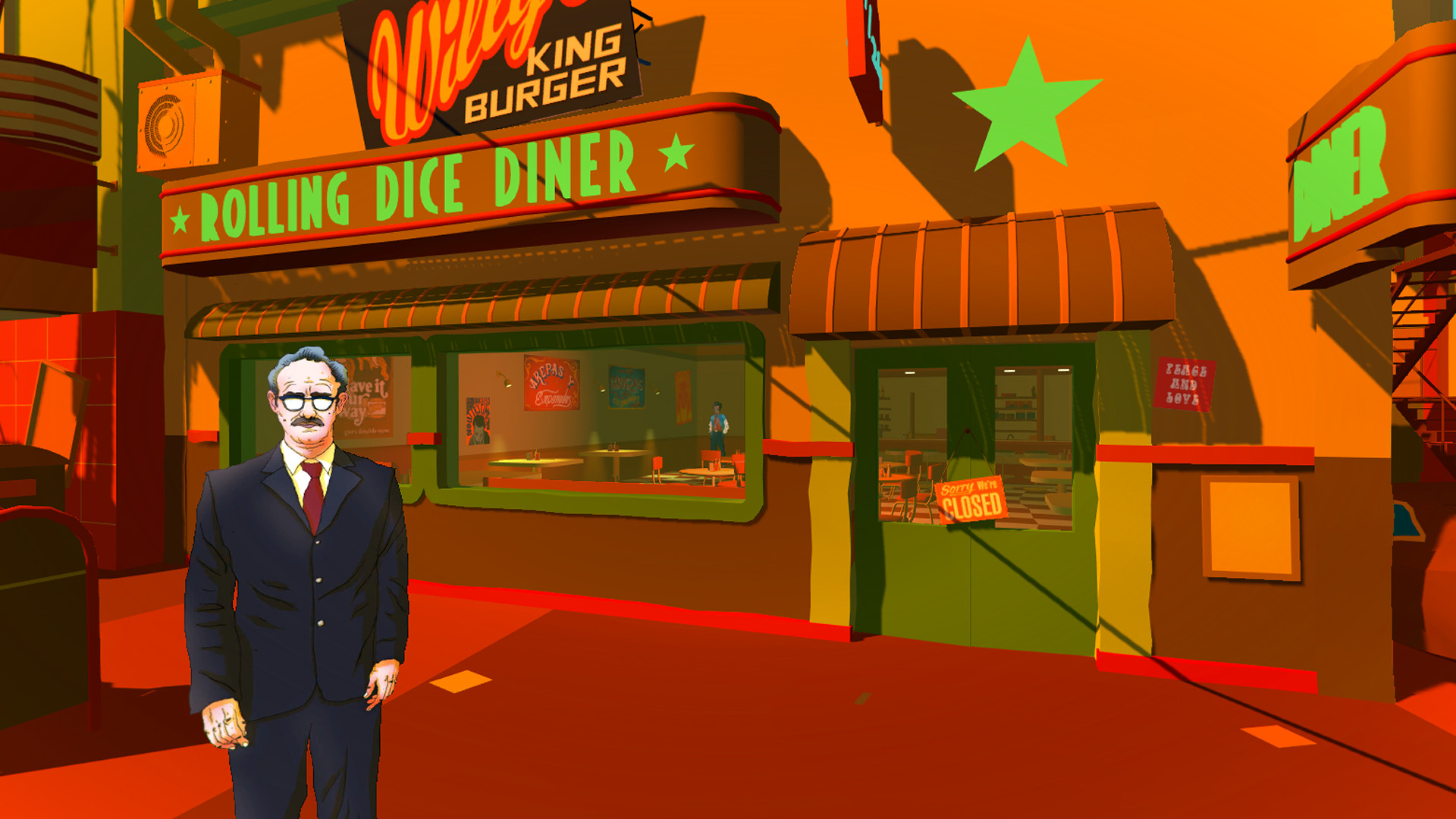
Taking the form of a first-person experience of a bad trip, Californium pays homage to sci-fi legend Philip K. Dick by transporting you into the life of a writer searching for his own identity. Explore, solve the riddles and conduct your investigation. Will you find what’s behind the simulacra ?
Californium is a psychedelic, sci-fi and experimental game
developed by Darjeeling, Nova Production and ARTE France
and published by ARTE France.
Released on February 17th 2016 is available on Windows and MacOS.
It has received 386 reviews of which 271 were positive and 115 were negative resulting in a rating of 6.7 out of 10. 😐
The game is currently priced at 5.99€ on Steam, but you can find it for 0.41€ on K4G.
The Steam community has classified Californium into these genres:
Media & Screenshots
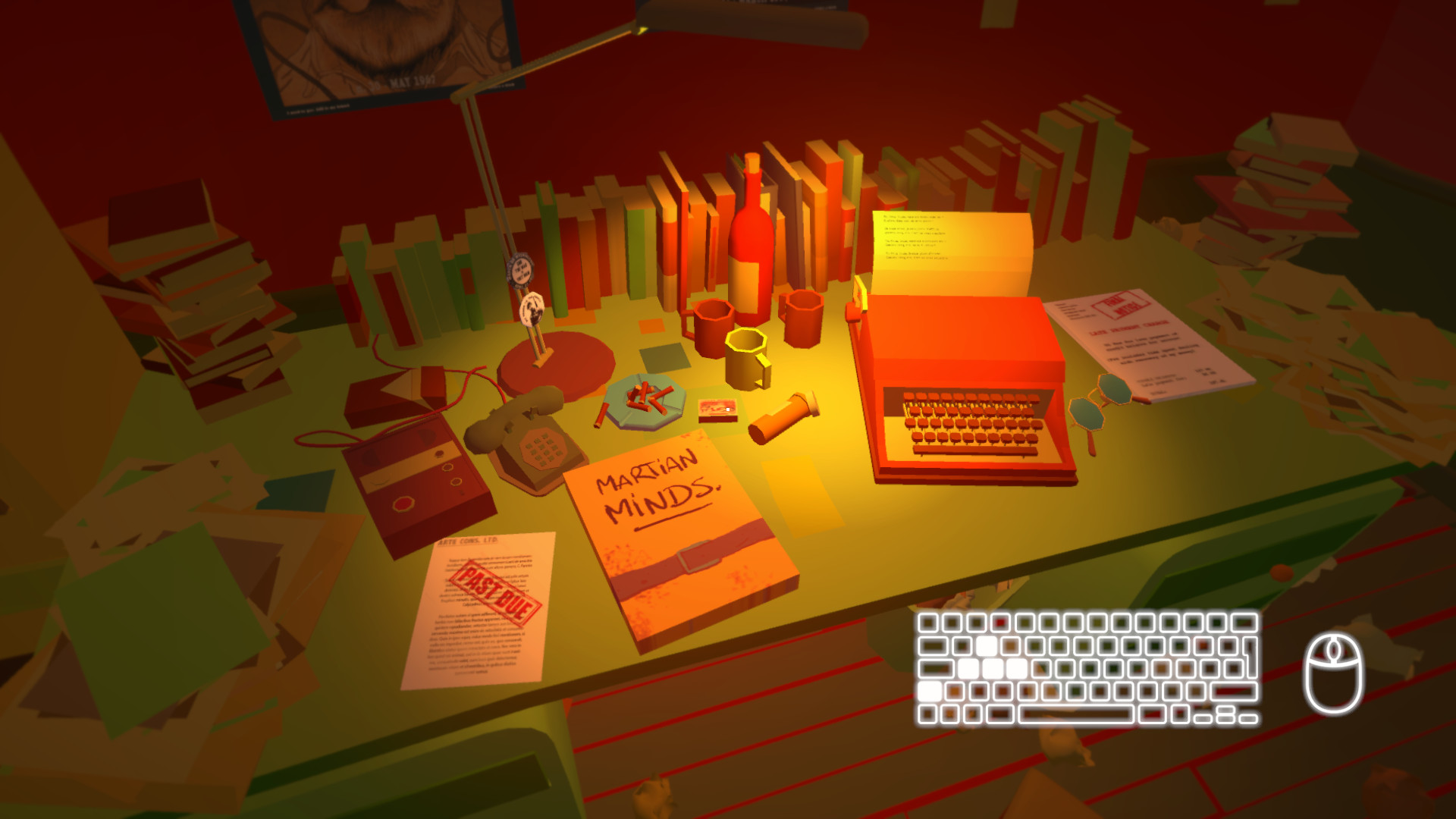
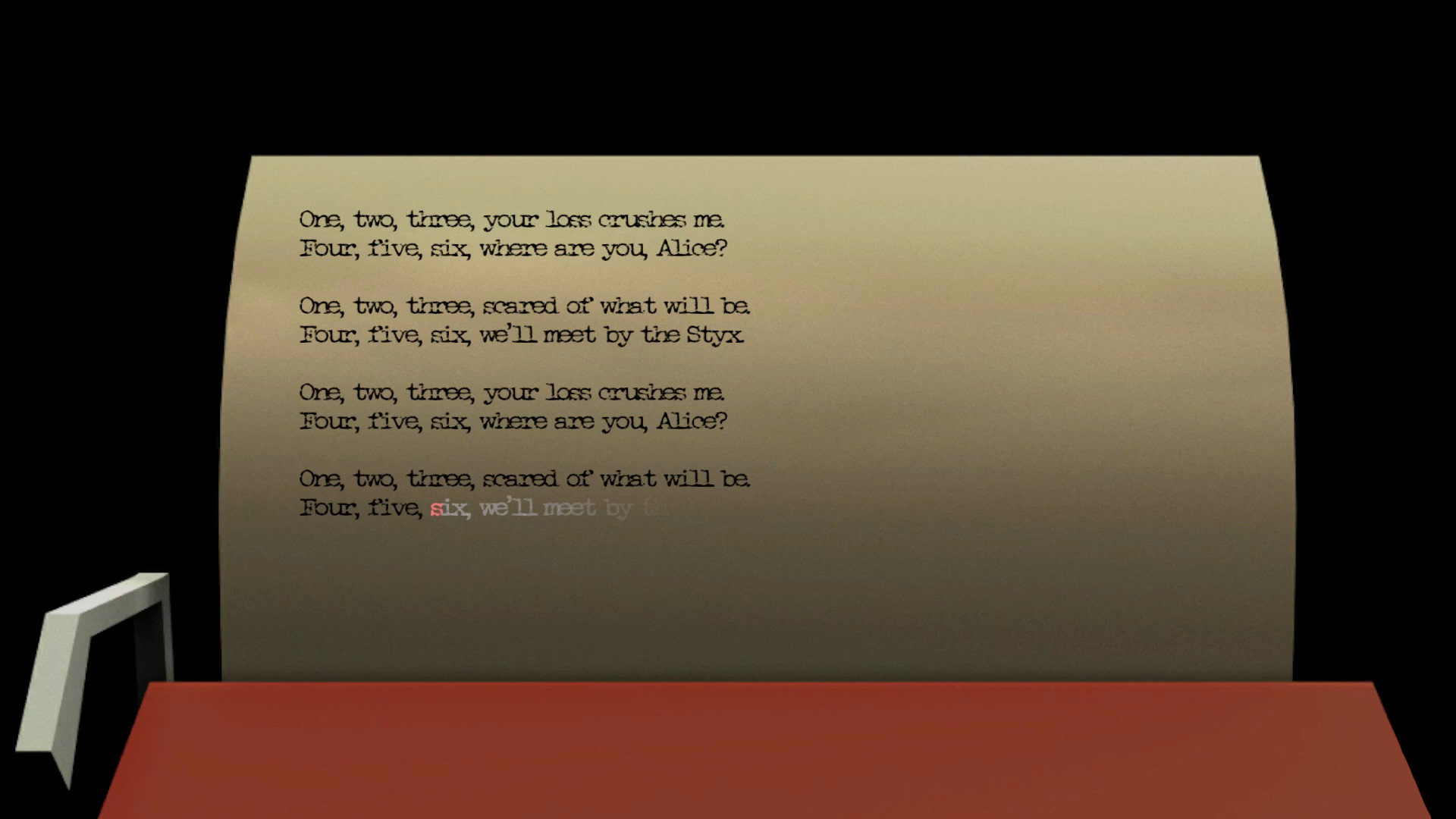
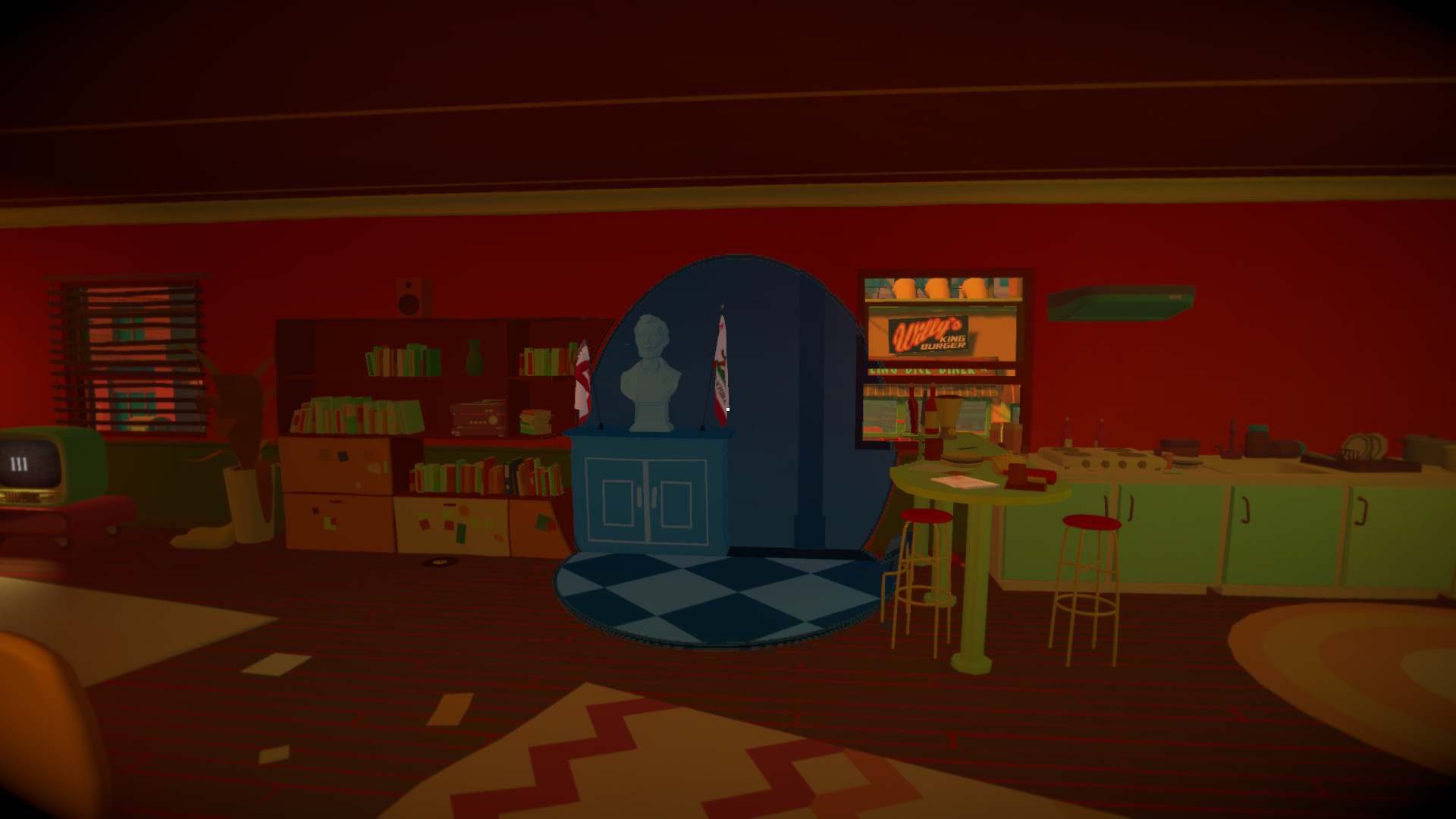
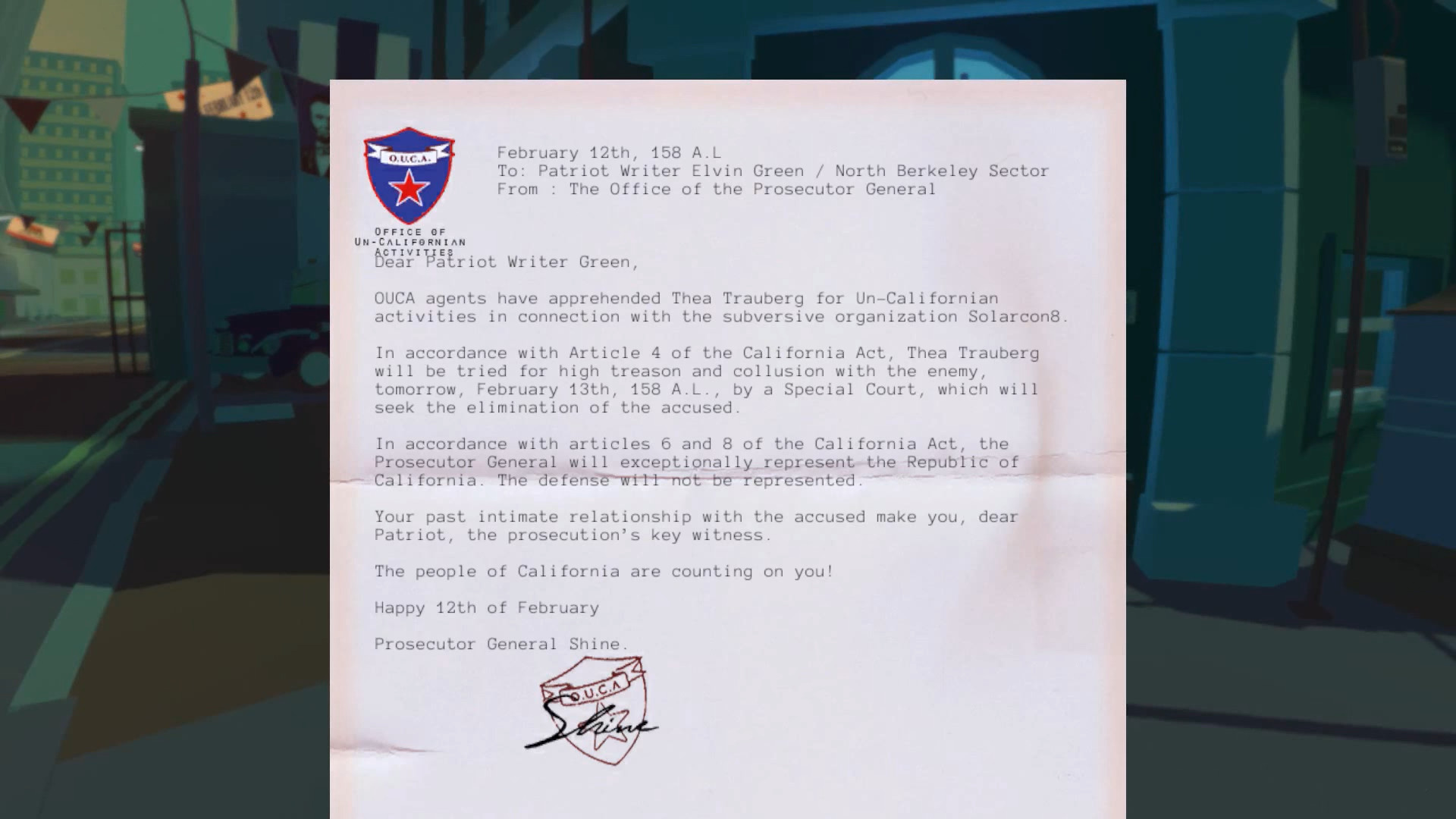
Get an in-depth look at Californium through various videos and screenshots.

Load More






System requirements
These are the minimum specifications needed to play the game. For the best experience, we recommend that you verify them.
Windows
- OS *: Windows 7 or Higher
- Processor: Intel Core i3 2.00 GHz
- Memory: 4 GB RAM
- Graphics: DX9 (shader model 2.0)
- Storage: 2 GB available space
MacOS
- OS: 10.8
- Processor: Intel Core i3
- Memory: 4 GB RAM
- Graphics: ATI Radeon 2400 or higher / NVIDIA 8600M or higher
- Storage: 2 GB available space
Steam Price & Best Deals
User reviews & Ratings
Explore reviews from Steam users sharing their experiences and what they love about the game.
All about the atmosphere. You start in the middle of the character's life and explore to understand what's going on. The unusual style drew me to the game. Maybe I'd perceive it differently if I knew the things it references...either way going in blind was a memorable experience. The puzzles are not that difficult but I did get stuck at one point and used a guide.
A single session walking sim about a sci-fi writer in the late 60s ODing on hard drugs because his life fell apart. This is a very experimental art piece with the game part being object find with variable mechanics. It's 2 to 3 hours long. I'm mixed on it but I'll give it a thumbs up because it was thought provoking (e.g. What the hell was that?)
Californium is a surreal first-person narrative experience that transforms paranoia, fractured identity, and unstable reality into an interactive psychological journey inspired heavily by the ideas and themes associated with Philip K. ♥♥♥♥. Developed by Darjeeling and Nova Productions, the game abandons traditional action-oriented gameplay in favor of atmosphere, symbolism, and reality-bending exploration. Rather than presenting a straightforward science fiction adventure, Californium focuses on immersing players inside a constantly shifting world where perception cannot be trusted and every environment feels trapped somewhere between hallucination and reality. The story follows Elvin Green, a struggling science fiction writer living in a distorted version of 1960s California. His life is collapsing under the weight of addiction, creative exhaustion, relationship problems, and increasing psychological instability. Strange visions and unexplained phenomena begin disrupting his daily existence, eventually pulling him into alternate realities where the boundaries between imagination and truth become impossible to separate. The narrative slowly unfolds through cryptic dialogue, environmental storytelling, surreal imagery, and fragmented scenes that intentionally avoid direct explanations. One of the game’s greatest strengths is its atmosphere. Californium creates an unsettling sense of disorientation almost immediately and maintains it throughout the entire experience. Streets suddenly reshape themselves, buildings dissolve into abstract structures, and ordinary environments transform into dreamlike spaces filled with impossible architecture and strange visual distortions. The game constantly keeps players uncertain about whether they are witnessing reality, hallucinations, or overlapping dimensions bleeding into one another. This unpredictability creates a powerful psychological atmosphere that feels deeply connected to the themes explored in Philip K. ♥♥♥♥’s works. The visual design is especially memorable because of its psychedelic art direction and surreal low-poly aesthetic. Bright neon colors, distorted geometry, floating symbols, and retro-futuristic imagery combine to create environments that feel simultaneously beautiful and deeply unsettling. The game does not rely on technical realism but instead embraces stylized abstraction to communicate emotional instability and fractured perception. Each location feels intentionally designed to resemble a dream or hallucination rather than a believable physical world. Exploration serves as the primary gameplay mechanic. Players move through interconnected environments while searching for hidden symbols capable of shifting reality into alternate forms. Entire sections of the world transform dynamically once these symbols are activated, causing landscapes to morph, walls to disappear, and familiar spaces to become completely different environments. These transitions between realities are handled creatively and often produce some of the game’s most visually impressive moments. The world design constantly reinforces the game’s central themes of identity, paranoia, and existential uncertainty. Television broadcasts, strange characters, fragmented conversations, and surreal visual metaphors gradually reveal pieces of Elvin’s deteriorating mental state while hinting at larger philosophical questions surrounding reality itself. Much like the novels that inspired it, Californium deliberately avoids providing complete answers, encouraging players to interpret events for themselves. The soundtrack and audio design play a major role in maintaining immersion. Ambient electronic music, distorted soundscapes, and unsettling environmental effects create a hypnotic atmosphere that becomes increasingly intense as the game progresses. Rather than relying on traditional horror techniques, the audio creates discomfort through subtle psychological tension and constant sensory unease. Combined with the shifting visuals, the sound design gives the entire experience a dreamlike quality that remains consistently immersive. One of the most impressive aspects of Californium is how successfully it captures the emotional and philosophical tone associated with Philip K. ♥♥♥♥’s writing without directly adapting a specific novel. Themes involving alternate realities, manipulated perception, addiction, artificial existence, and mental instability appear constantly throughout the game. Players familiar with ♥♥♥♥’s work will immediately recognize the influence, while newcomers may still appreciate the game’s unusual atmosphere and psychological storytelling even without understanding every reference. However, Californium is also a very limited game mechanically. Most of the gameplay consists simply of walking through environments and locating hidden symbols necessary to trigger reality shifts. While this minimalist structure supports the game’s artistic focus, it also means the experience can feel mechanically shallow over time. Players expecting puzzles, meaningful interaction systems, or more traditional adventure gameplay may quickly become frustrated by how little mechanical depth actually exists. The hidden-symbol progression system is particularly divisive. Some symbols are intentionally difficult to locate, forcing players to wander environments searching for tiny visual clues before they can continue. This occasionally disrupts the pacing because moments of atmospheric immersion are interrupted by frustrating scavenger hunts. Certain sections become less about engaging with the story and more about aimlessly searching for progression triggers hidden somewhere within distorted environments. The narrative structure is also extremely abstract. Californium rarely explains its events directly, instead embracing ambiguity throughout the entire experience. For some players, this creates fascinating mystery and philosophical intrigue. For others, the lack of concrete answers may make the story feel emotionally distant or unnecessarily confusing. Much of the game’s appeal depends entirely on whether the player enjoys surreal storytelling and symbolic interpretation. Pacing becomes another issue during the later sections of the game. While the opening chapters create strong intrigue and curiosity, the core gameplay loop changes very little throughout the adventure. The visuals remain impressive, but the limited interaction systems can eventually make the experience feel repetitive despite its relatively short runtime. Even with these shortcomings, Californium succeeds because of its artistic ambition and psychological intensity. Few games attempt to translate philosophical science fiction themes into interactive form with this level of visual creativity and atmospheric focus. It may lack traditional gameplay depth, but it compensates through mood, symbolism, and its ability to create a constantly unstable sense of reality. Californium ultimately feels less like a conventional game and more like an interactive psychological art piece inspired by existential science fiction. Its surreal environments, fragmented storytelling, and dreamlike presentation create a memorable experience that lingers because of its atmosphere rather than its mechanics. For players interested in experimental narrative design, philosophical science fiction, and reality-bending psychological journeys, Californium offers a strange but fascinating exploration of fractured perception and human instability. Rating: 7/10
Similar games
View all
Frequently Asked Questions
Californium is currently priced at 5.99€ on Steam.
No, Californium is currently not on sale. You can purchase it for 5.99€ on Steam.
Yes, Californium received 271 positive votes out of a total of 386 achieving a rating of 6.68.
😐
Californium was developed by Darjeeling, Nova Production and ARTE France and published by ARTE France.
Yes, Californium is playable and fully supported on Windows.
Yes, Californium is playable and fully supported on MacOS.
No, Californium is not playable on Linux.
This information about Californium is not available yet.
This information about Californium is not available yet.
No, Californium does not support VR.
Californium is a single-player game.
No, Californium does not currently offer any DLC.
No, Californium does not support mods via Steam Workshop.
No, Californium does not support Steam Remote Play.
Yes, Californium is enabled for Steam Family Sharing. This means you can share the game with authorized users from your Steam Library, allowing them to play it on their own accounts. For more details on how the feature works, you can read the original Steam Family Sharing announcement or visit the Steam Family Sharing user guide and FAQ page.
You can find solutions or submit a support ticket by visiting the Steam Support page for Californium.
Data sources
The information presented on this page is sourced from reliable APIs to ensure accuracy and relevance. We utilize the Steam API to gather data on game details, including titles, descriptions, prices, and user reviews. This allows us to provide you with the most up-to-date information directly from the Steam platform.
Additionally, we incorporate data from the SteamSpy API, which offers insights into game sales and player statistics. This helps us present a comprehensive view of each game's popularity and performance within the gaming community.
Last Updates| Steam data | 17 September 2026 22:32 UTC |
|---|---|
| SteamSpy data | 15 October 2026 09:08 UTC |
| Steam price | 18 October 2026 19:05 UTC |
| Steam reviews | 17 October 2026 09:57 UTC |
If you'd like to dive deeper into the details about Californium, we invite you to check out a few dedicated websites that offer extensive information and insights. These platforms provide valuable data, analysis, and user-generated reports to enhance your understanding of the game and its performance.
- SteamDB - A comprehensive database of everything on Steam about Californium
- SteamCharts - Analysis of Californium concurrent players on Steam
- ProtonDB - Crowdsourced reports on Linux and Steam Deck Californium compatibility

 5.99€
Visit Store
5.99€
Visit Store
 🔥 Deal
-94%
5.99€
0.41€
Buy Now
🔥 Deal
-94%
5.99€
0.41€
Buy Now
 -91%
5.99€
0.57€
Visit Store
-91%
5.99€
0.57€
Visit Store
 -88%
5.99€
0.74€
Visit Store
-88%
5.99€
0.74€
Visit Store
 -84%
5.99€
1.00€
Visit Store
-84%
5.99€
1.00€
Visit Store
Game modes
Features
Online players
0
Developer
Darjeeling,
Nova Production,
ARTE France
Publisher
ARTE France
Release
17 Feb 2016
Platforms
Clicking and buying through these links helps us earn a commission to maintain our services.