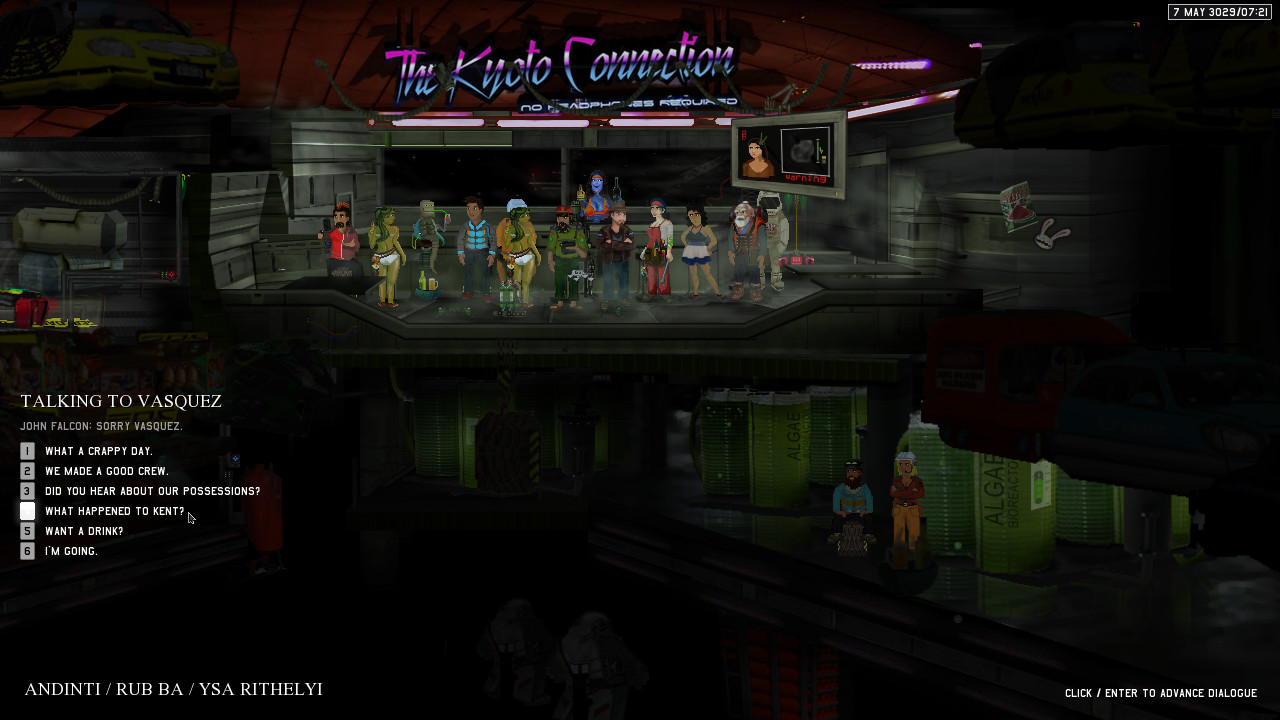
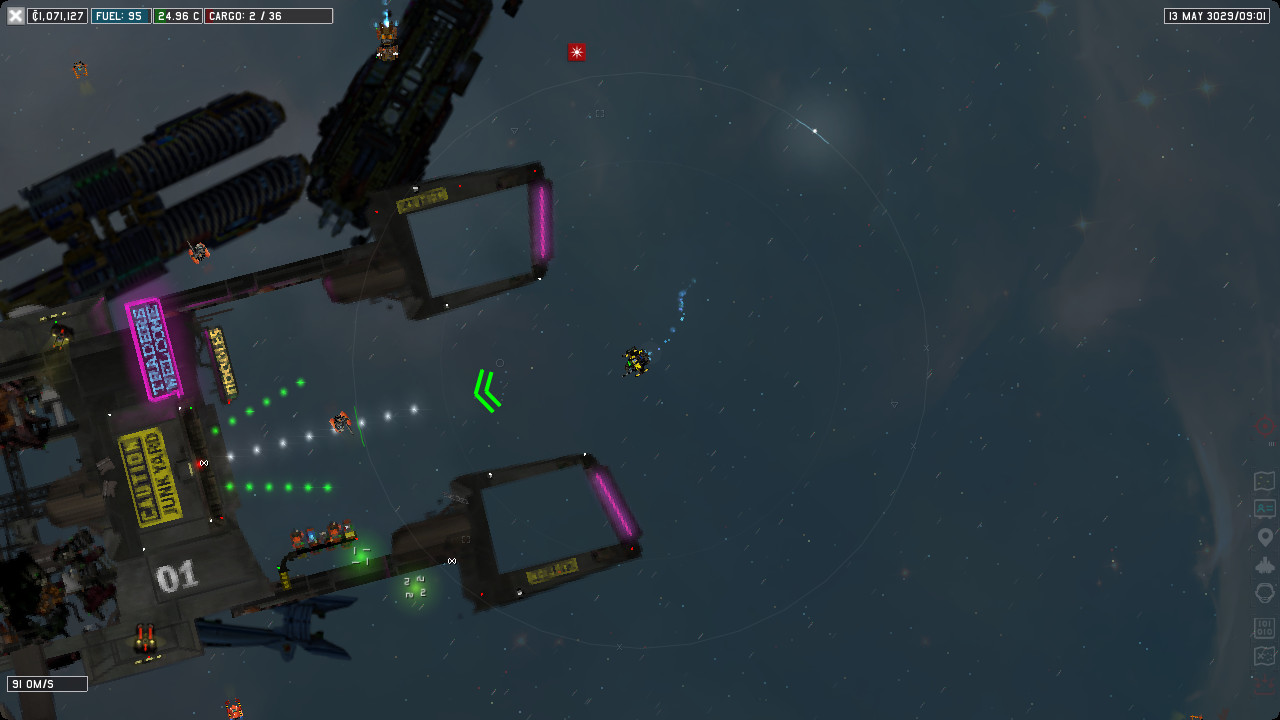
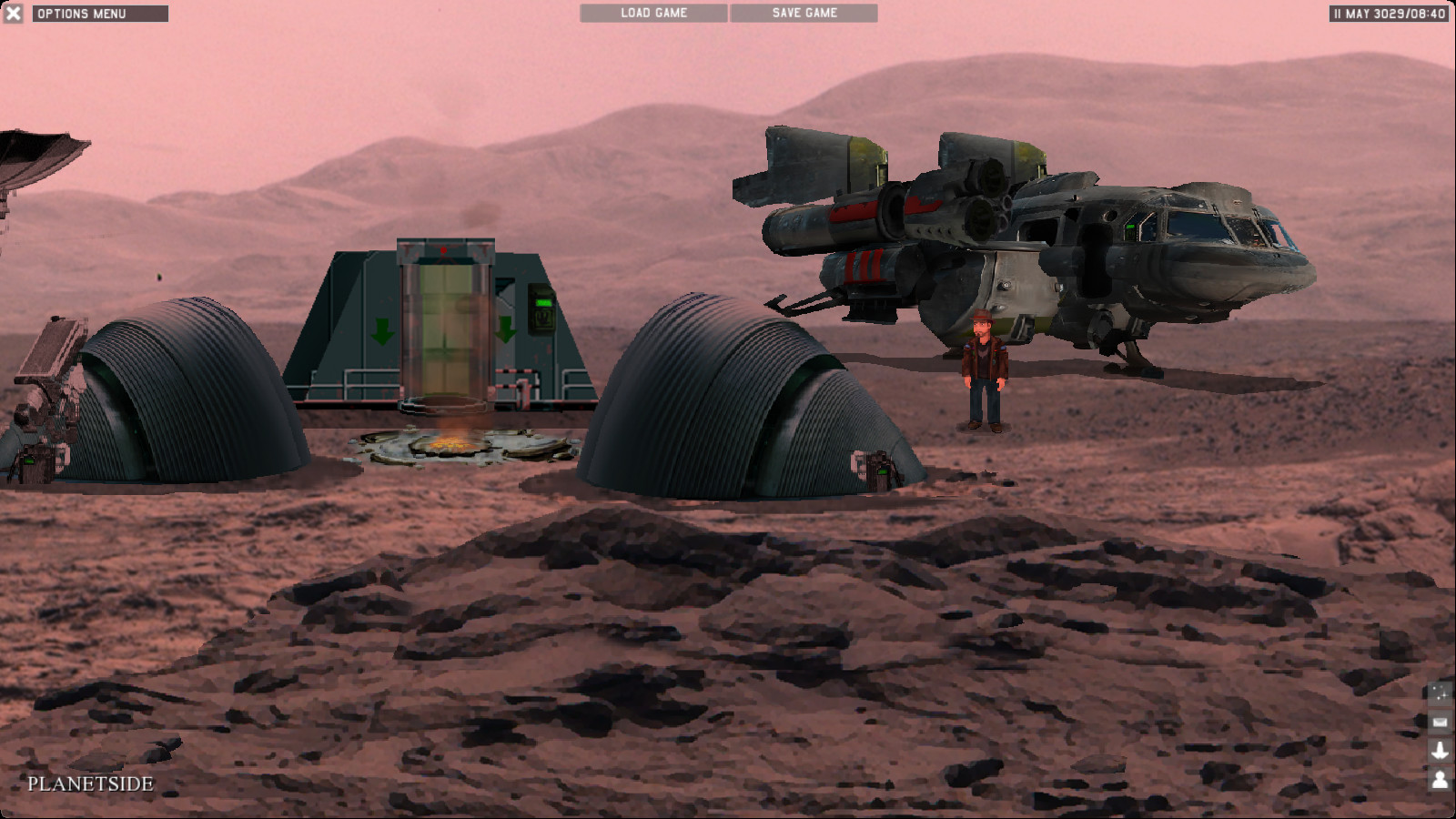
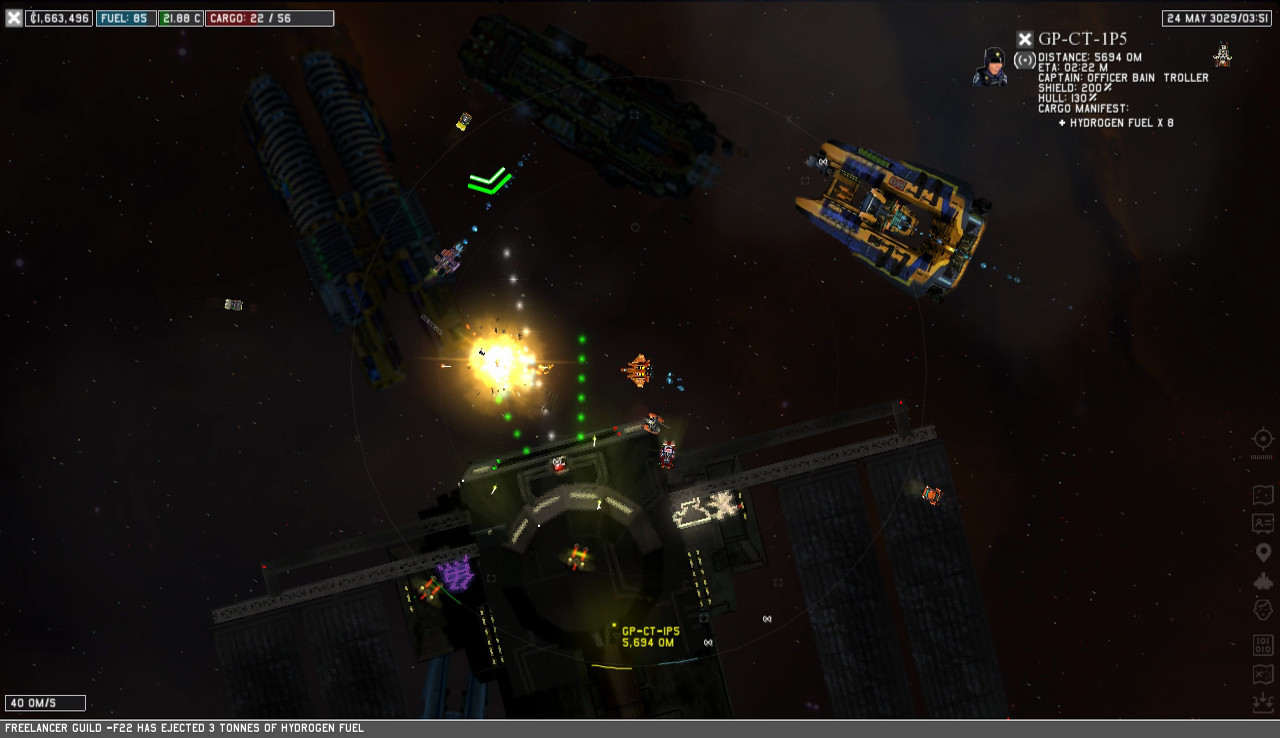
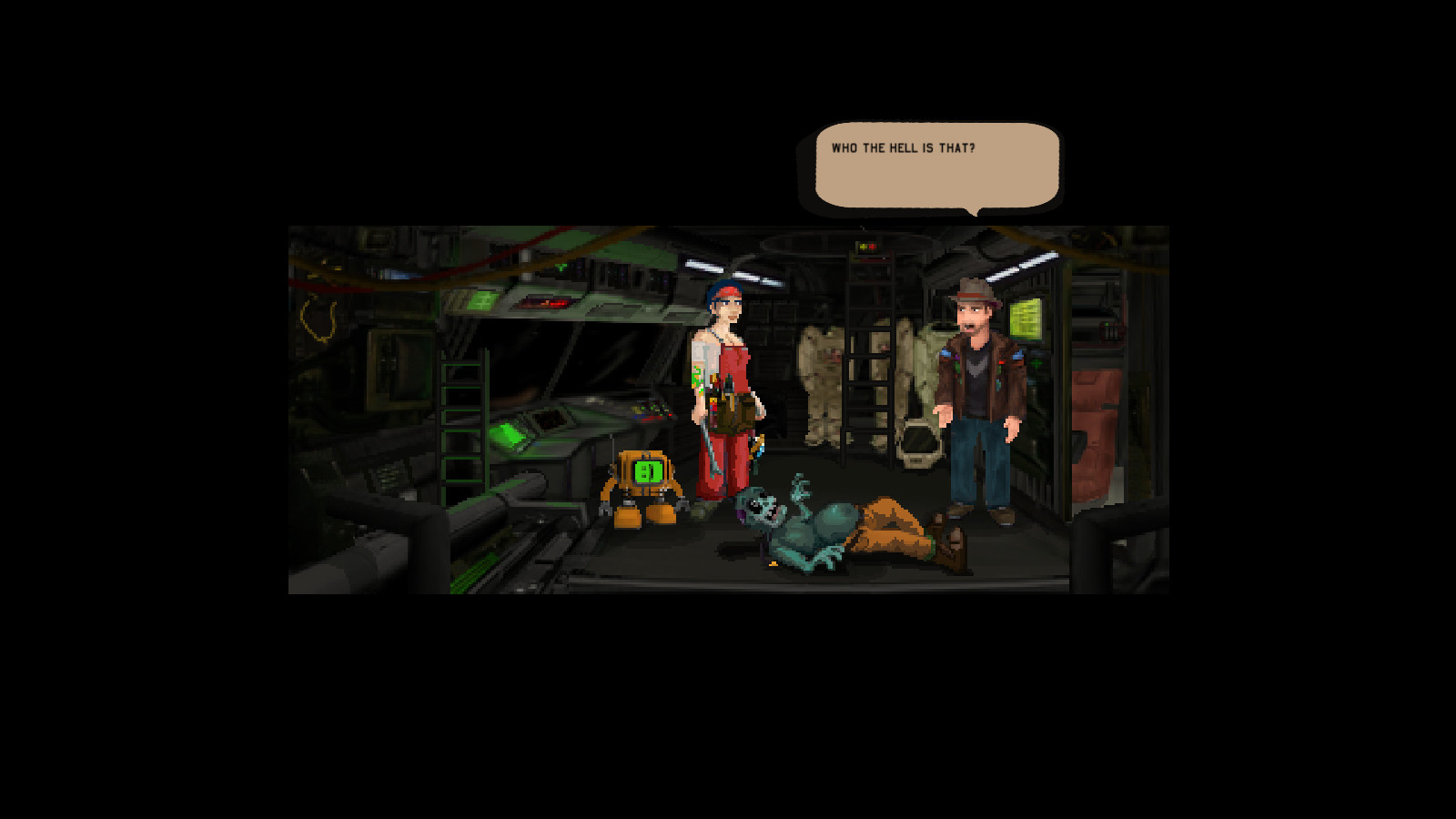
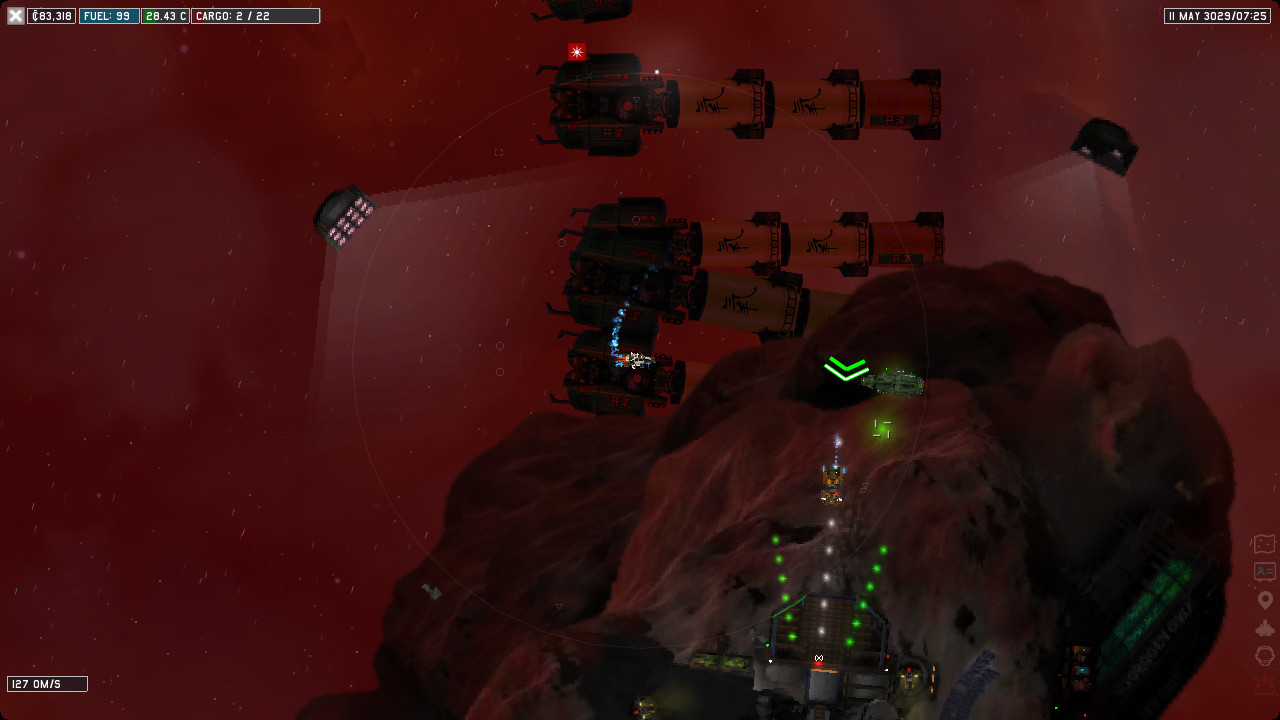
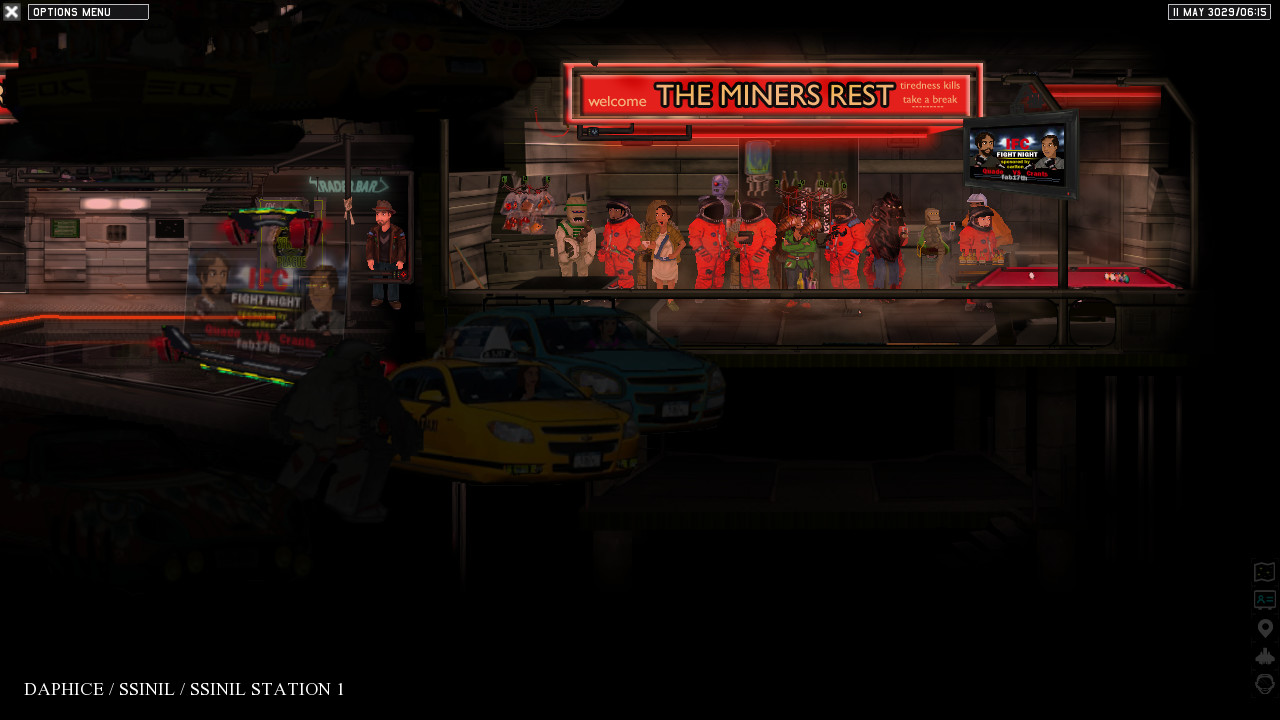
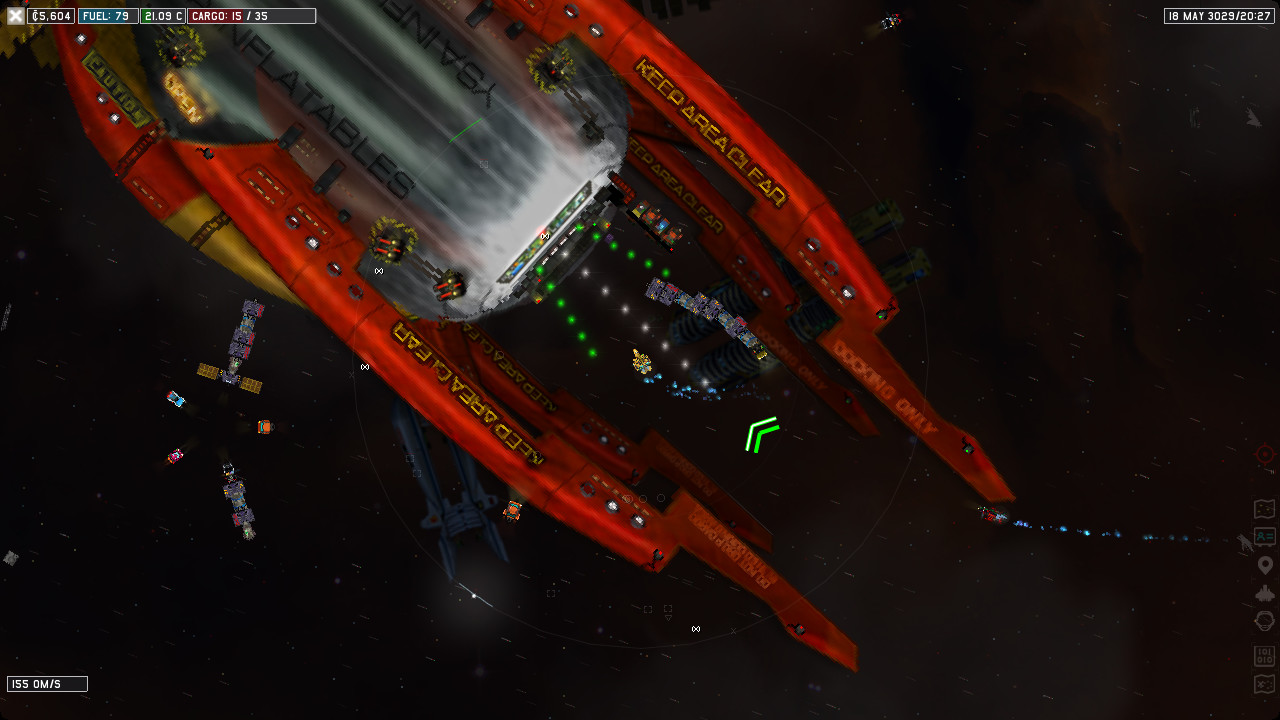
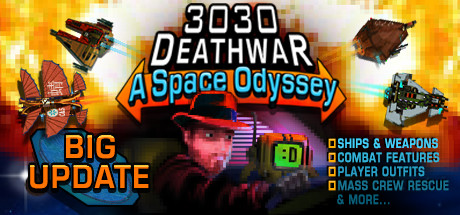
3030 Deathwar Redux – A Space Odyssey is an indie space adventure developed by Bird in Sky and published by Crunchy Leaf Games. The game originally began as a smaller project before being reworked into the expanded Redux edition released on Steam in 2017, bringing improved visuals, additional content, and refined mechanics. At its core, the game blends multiple genres into a single experience: open-world space exploration, trading simulation, arcade-style combat, and narrative-driven adventure elements. While it may not have the technical scale of major space simulators, it manages to carve out its own identity through a mix of humor, retro aesthetics, and surprising gameplay depth. The story unfolds in the year 3030 in a galaxy still recovering from a catastrophic technological disaster. Long ago, mysterious self-replicating machines known as the Cleaners devastated many inhabited worlds, leaving large portions of space dangerous or uninhabitable. Humanity and several alien civilizations survived the catastrophe by retreating into space stations and isolated colonies scattered across the galaxy. Players step into the role of John Falcon, an underpaid and somewhat unlucky space pilot who finds himself pulled into a web of conspiracy and intrigue after a routine delivery job goes wrong. What begins as a simple attempt to make a living gradually evolves into a much larger story involving secret factions, hidden technology, and unanswered questions about the origins of the Cleaners. The game presents its universe through a semi-open sandbox structure that allows players to travel freely between star systems. Each system contains space stations, asteroid belts, derelict ships, and other points of interest. Navigation takes place in a top-down perspective as players guide Falcon’s ship through space while monitoring radar, fuel, and potential threats. The design evokes classic space trading games from earlier decades, where players slowly build their reputation and resources by completing missions, transporting goods, and exploring new sectors of the galaxy. Combat plays a significant role in the experience, particularly when dealing with pirates or hostile factions. Battles occur in real time as players maneuver their ship while firing lasers, missiles, or other weapons. Because many enemies are faster or better equipped, positioning and quick reactions become important for survival. Upgrading weapons and defensive systems becomes essential as the story progresses and enemies grow more dangerous. These encounters add excitement to the otherwise exploratory nature of the game and provide opportunities for players to test their ship configurations. Economic progression is another major component of gameplay. Players can earn credits by accepting delivery jobs, transporting passengers, mining resources, salvaging abandoned ships, or hunting down criminals for bounties. The galaxy operates as a living marketplace where goods can be bought in one location and sold at another for profit. Managing cargo space, fuel costs, and risk levels becomes part of the strategic decision making. Successful traders can accumulate enough wealth to purchase larger ships with greater cargo capacity or better combat capabilities. One of the more interesting gameplay variations appears when players dock at stations or board derelict spacecraft. At these moments the perspective changes, shifting from the top-down space view into side-scrolling exploration segments. Players can walk through station interiors, talk to characters, search rooms for clues, and accept story missions. These sections introduce light adventure game elements, including dialogue trees and investigative tasks that help advance the narrative. The writing during these sequences often includes humorous exchanges and quirky characters, giving the game a playful personality. Derelict ship exploration is particularly memorable because it introduces a different style of gameplay. When players encounter abandoned vessels drifting through space, they can board them to search for valuable salvage. Inside these ships, the game becomes a side-scrolling exploration challenge where players navigate damaged corridors, fight strange alien creatures, and collect resources. These missions provide a welcome change of pace from standard space travel and reinforce the sense that the galaxy is full of hidden dangers and forgotten relics. Ship customization is another important feature that allows players to tailor their experience. Over time, Falcon can purchase new ships that specialize in different roles such as cargo hauling, combat, or exploration. Each vessel can be upgraded with various modules including stronger shields, faster engines, advanced scanners, and improved weapon systems. Deciding how to configure a ship becomes an important strategic element depending on whether the player prefers trading, combat, or exploration as their primary activity. Visually, 3030 Deathwar Redux embraces a retro-inspired art style that reflects its roots in classic space games. The galaxy map is filled with colorful nebulae, bright star systems, and detailed ship sprites that give the universe a distinctive look. Character portraits and station interiors resemble old-school adventure games, with pixel-inspired artwork that adds to the nostalgic charm. While the graphics may appear simple compared to modern space simulations, the cohesive style helps create a memorable and consistent visual identity. The audio design complements the game’s atmosphere with electronic music that captures the feeling of drifting through deep space. Ambient tracks play during exploration, creating a calm and sometimes lonely mood while traveling between distant systems. During combat or tense moments, the soundtrack becomes more energetic, adding excitement to encounters with hostile ships. Sound effects for weapons, engines, and environmental interactions help bring the universe to life without overwhelming the player. Despite its creativity, the game does have some limitations. One of the most noticeable is the amount of time spent traveling between star systems, which can slow the pace of the experience during certain missions. While this design choice reinforces the sense of scale in the galaxy, it can sometimes lead to repetitive travel segments. Additionally, some mission types—particularly cargo deliveries—can feel similar after repeated play sessions. The interface and control scheme may also take some time to master, especially for players unfamiliar with space simulation mechanics. Managing navigation systems, cargo inventories, and ship upgrades involves several menus and controls that can initially feel overwhelming. However, once players become comfortable with the systems, the gameplay begins to flow more naturally. Ultimately, 3030 Deathwar Redux – A Space Odyssey is an ambitious indie title that successfully combines several gameplay styles into a cohesive adventure. Its mix of space trading, combat, exploration, and narrative storytelling creates a rich sandbox where players can shape their own journey through the galaxy. While the game occasionally struggles with pacing and interface complexity, its charm, humor, and creative design make it a memorable experience. For players who enjoy retro-inspired space adventures with open exploration and a sense of discovery, 3030 Deathwar Redux offers a surprisingly deep journey through a colorful and unpredictable universe. It may not match the scale of larger space simulators, but its creativity and personality ensure that it remains a standout entry in the indie space exploration genre. Rating: 8/10